
 By Budi Oetomo Narendra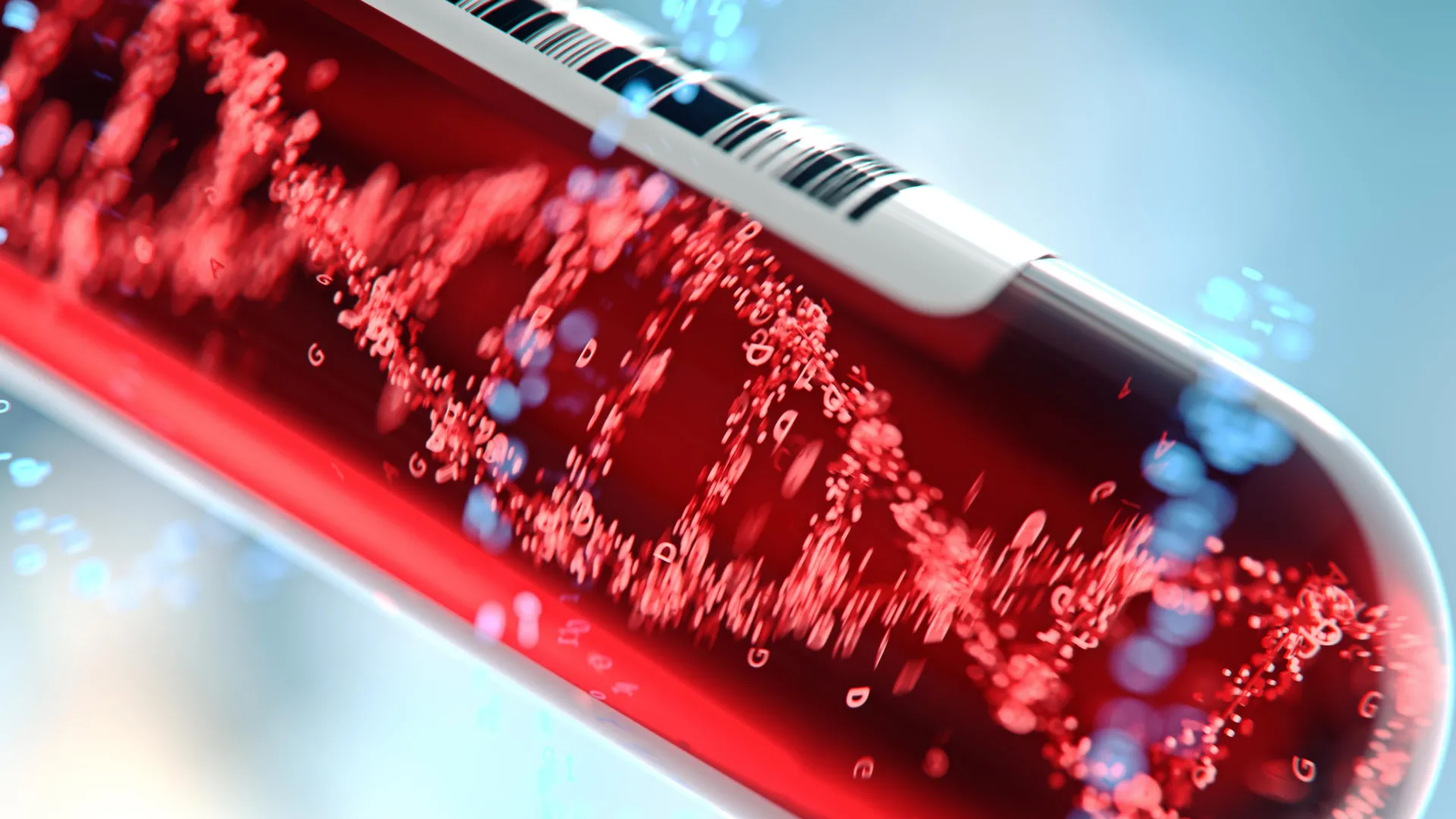
A groundbreaking advancement in medical diagnostics has emerged from the Johns Hopkins Kimmel Cancer Center, where researchers have pioneered an artificial intelligence (AI)-driven liquid biopsy capable of discerning early indicators of liver fibrosis and cirrhosis, alongside broader signals of chronic disease. This innovative test meticulously analyzes genome-wide patterns of cell-free DNA (cfDNA) fragments circulating within the bloodstream, focusing on how these DNA pieces break apart and their distribution across the entire human genome. The findings, which represent a significant leap in the field of non-invasive diagnostics, were published on March 4 in the esteemed journal Science Translational Medicine, marking a pivotal moment as this fragmentome technology is systematically applied to chronic diseases beyond the realm of cancer for the first time.
The Genesis of a New Diagnostic Paradigm: Fragmentome Technology Explained
The core of this new diagnostic method lies in what scientists refer to as "fragmentome technology." Unlike many existing liquid biopsies that primarily hunt for specific cancer-related gene mutations, this approach takes a holistic view. It investigates the intricate ways DNA fragments are cut, packaged, and distributed throughout the genome. Every cell in the human body sheds cfDNA into the bloodstream as part of normal cellular turnover. When disease processes occur, such as inflammation, cell death, or tissue damage, the patterns of these circulating DNA fragments can change in subtle yet detectable ways. The Johns Hopkins team has harnessed this phenomenon, leveraging advanced AI algorithms to interpret these complex patterns, effectively transforming the bloodstream into a dynamic diagnostic window into a person’s physiological state.
Cell-free DNA itself has been a subject of intense research for decades. Initially discovered in the 1940s, its clinical utility gained significant traction with the advent of next-generation sequencing technologies. Its application in prenatal testing and, more recently, in cancer detection (e.g., for monitoring tumor recurrence or guiding treatment) has already showcased its transformative potential. However, its systematic exploration for a wide array of non-cancerous chronic conditions remained largely uncharted territory until now. The current study, partly funded by the National Institutes of Health, builds directly upon earlier fragmentome work primarily focused on cancer, demonstrating the versatility and broader applicability of this sophisticated analysis.
Unpacking the Mechanism: Genome-Wide DNA Fragment Patterns and AI Integration
The sheer scale of data analyzed in this study is a testament to the power of modern genomics and computational biology. Researchers performed whole-genome sequencing on cfDNA samples collected from an extensive cohort of 1,576 individuals. This diverse group included patients diagnosed with various stages of liver disease, ranging from early fibrosis to advanced cirrhosis, as well as individuals with other medical conditions. The investigation meticulously examined approximately 40 million DNA fragments per analysis, spanning thousands of genomic regions. Crucially, this included repetitive DNA regions, which are often overlooked in other cfDNA analyses but were found to contain valuable disease-related signals in this research.
The resulting colossal dataset, far exceeding the scope of most liquid biopsy tests, required advanced analytical tools. This is where machine learning algorithms played an indispensable role. These algorithms were meticulously trained to process the vast information, identifying intricate fragmentation patterns that correlated with specific disease states. By discerning these unique signatures, the researchers were able to create a highly sensitive classification system capable of detecting early liver disease, advanced fibrosis, and cirrhosis.
Dr. Victor Velculescu, M.D., Ph.D., co-director of the cancer genetics and epigenetics program at the Johns Hopkins Kimmel Cancer Center and co-senior author of the study, emphasized the foundational nature of this work. "This builds directly on our earlier fragmentome work in cancer, but now using AI and genome-wide fragmentation profiles of cell-free DNA to focus on chronic diseases," Dr. Velculescu stated. "For many of these illnesses, early detection could make a profound difference, and liver fibrosis and cirrhosis are important examples. Liver fibrosis is reversible in its early stages, but if left undetected, it can progress to cirrhosis and ultimately increase the risk of liver cancer." This statement underscores the critical shift in focus and the immense clinical implications of early, non-invasive detection.
Addressing a Critical Clinical Gap: The Need for Improved Liver Disease Diagnostics
Liver disease represents a significant global health burden, with an estimated 100 million people in the United States alone suffering from conditions that elevate their risk of progressing to cirrhosis and liver cancer. Liver fibrosis, the initial stage of scarring, is often asymptomatic, making early detection a formidable challenge. If left unchecked, fibrosis can advance to cirrhosis, an irreversible condition characterized by severe scarring that impairs liver function, leading to complications such as liver failure and hepatocellular carcinoma (liver cancer).
Current diagnostic approaches for liver fibrosis and cirrhosis have notable limitations. Traditional blood-based tests, which measure markers like liver enzymes or albumin, often lack the sensitivity required for early detection. They frequently fail to identify early-stage fibrosis and detect cirrhosis in only about half of affected individuals. While imaging techniques, such as specialized ultrasound (e.g., transient elastography) or magnetic resonance elastography (MRE) scans, offer more precision, they require specialized equipment and expertise that are not universally accessible, particularly in primary care settings or underserved regions. This diagnostic gap means that many individuals with burgeoning liver disease remain unaware of their condition until it has reached advanced, often irreversible, stages.
"Many individuals at risk don’t know they have liver disease," Dr. Velculescu highlighted. "If we can intervene earlier — before fibrosis progresses to cirrhosis or cancer — the impact could be substantial." The ability of this new liquid biopsy to identify these precursor conditions early could revolutionize patient management, enabling doctors to initiate treatments for underlying diseases sooner and potentially prevent the devastating progression to cirrhosis and cancer.
Akshaya Annapragada, an M.D./Ph.D. student in the Velculescu lab and the study’s first author, further elaborated on the distinctive power of their approach. "The fact that we are not looking for individual mutations is what makes this study so powerful," Annapragada noted. "We are analyzing the entire fragmentome, which contains a tremendous amount of information about a person’s physiologic state. The scale of these data, coupled with machine learning, enables development of specific classifiers for many different health conditions." This emphasis on the breadth of information extracted from the fragmentome is key to its versatility beyond single-gene mutation detection. The study was also co-led by Robert Scharpf, Ph.D., professor of oncology, and Jill Phallen, Ph.D., assistant professor of oncology, further solidifying the multidisciplinary expertise behind this innovation.
A Chronological Arc: From Cancer Research to Chronic Disease Insight
The journey to this chronic disease diagnostic breakthrough began with earlier investigations into cancer. Specifically, the research team’s interest in applying fragmentome technology to liver disease originated from a 2023 Cancer Discovery study led by Dr. Velculescu. This prior research focused on the fragmentome of liver cancer. During the course of studying patients with liver tumors, the scientists made a critical observation: some individuals who also had underlying fibrosis or cirrhosis, but not necessarily advanced cancer, exhibited mostly normal fragmentation profiles. However, upon closer inspection, these profiles contained subtle yet discernible DNA signals linked specifically to their liver disease. This serendipitous but profound observation served as the catalyst, prompting the team to pivot and systematically investigate the fragmentome patterns associated with liver fibrosis and cirrhosis in their own right.
This progression highlights a common trajectory in scientific discovery, where insights gleaned from one area of research can unexpectedly open doors to entirely new applications. The ability of the Johns Hopkins team to recognize and act upon these subtle signals underscores their keen observational skills and the adaptability of their fragmentome platform.
Beyond Liver Disease: The Fragmentome Comorbidity Index and Broader Implications
The potential applications of fragmentome technology extend far beyond liver disease. In a separate, equally compelling analysis, the researchers developed a "fragmentation comorbidity index." This index was derived from data involving 570 individuals suspected of having serious illnesses. The objective was to create a measure that could distinguish between individuals with high and low scores on the Charlson Comorbidity Index, a widely recognized metric used in clinical practice to estimate how a patient’s additional health conditions might influence their risk of mortality.
Remarkably, the fragmentome-based index proved capable of predicting overall survival independently. In some instances, it even demonstrated greater specificity than traditional inflammatory markers, which are routinely used in clinical settings to gauge systemic inflammation. Furthermore, the study identified certain fragmentation signatures that appeared to be associated with poorer clinical outcomes, suggesting a powerful new tool for risk stratification and prognosis.
"The fragmentome can serve as a foundation for building different classifiers for different diseases, and importantly, these classifiers are disease-specific and do not cross-react," Annapragada explained. "A liver fibrosis classifier is distinct from a cancer classifier. This is a unique, disease-specific test built from the same underlying platform." This concept of disease-specific yet platform-agnostic classifiers is crucial, indicating that the technology can be tailored to accurately identify distinct conditions without confounding signals.
The study also yielded tantalizing hints about the technology’s broader medical applicability. Researchers observed fragmentome signals linked to a spectrum of other chronic conditions, including cardiovascular, inflammatory, and neurodegenerative disorders. While the current study population did not contain a sufficient number of cases to develop separate, robust disease classifiers for each of these conditions, these preliminary findings are highly suggestive. They strongly indicate that fragmentome technology may eventually have widespread applications across various medical specialties, a prospect the researchers plan to vigorously pursue in future investigations. This could pave the way for a single, comprehensive blood test capable of screening for multiple chronic diseases simultaneously, ushering in a new era of proactive and personalized medicine.
The Path Forward: Clinical Validation and Future Horizons
Despite the significant promise, the liver fibrosis assay described in the study is currently a prototype. It has not yet been introduced as a clinical test, meaning it is not available for patient use outside of research settings. The immediate next steps for the Johns Hopkins team involve a rigorous process of refining and validating the liver disease classifier. This will entail testing the assay in larger, independent cohorts of patients to ensure its accuracy, reproducibility, and clinical utility across diverse populations.
Concurrently, the researchers are committed to exploring fragmentome signatures connected to other chronic illnesses. This will involve expanding their study cohorts to include more individuals with cardiovascular, inflammatory, and neurodegenerative conditions, with the ultimate goal of developing and validating specific classifiers for these diseases. The journey from a groundbreaking research finding to a widely available clinical tool is often long and arduous, requiring extensive validation, regulatory approvals, and manufacturing scale-up. However, the foundational work laid by the Johns Hopkins team has established a robust framework for this future development. The potential impact on public health, by enabling earlier diagnosis and intervention for millions at risk, is immense and provides a powerful impetus for these ongoing efforts.
Researchers and Funding Behind the Breakthrough
The extensive research team involved in this pioneering work included, alongside Velculescu, Annapragada, Scharpf, and Phallen: Zachariah Foda, Hope Orjuela, Carter Norton, Shashikant Koul, Noushin Niknafs, Sarah Short, Keerti Boyapati, Adrianna Bartolomucci, Dimitrios Mathios, Michael Noe, Chris Cherry, Jacob Carey, Alessandro Leal, Bryan Chesnick, Nic Dracopoli, Jamie Medina, Nicholas Vulpescu, Daniel Bruhm, Sarah Bacus, Vilmos Adleff, Amy Kim, Stephen Baylin, Gregory Kirk, Andrei Sorop, Razvan Iacob, Speranta Iacob, Liana Gheorghe, Simona Dima, Katherine McGlynn, Manuel Ramirez-Zea, Claus Feltoft, Julia Johansen, and John Groopman.
The comprehensive nature of this research was made possible through substantial financial support from a variety of prestigious institutions and foundations. Funding for the research came in part from the Dr. Miriam and Sheldon G. Adelson Medical Research Foundation, SU2C in-Time Lung Cancer Interception Dream Team Grant, Stand Up to Cancer-Dutch Cancer Society International Translational Cancer Research Dream Team Grant, the Gray Foundation, The Honorable Tina Brozman Foundation, the Commonwealth Foundation, the Mark Foundation for Cancer Research, the Danaher Foundation and ARCS Metro Washington Chapter, the Family of Dan Y. Zhang AACR Scholar in Training Award, the Cole Foundation and National Institutes of Health grants CA121113, CA006973, CA233259, CA062924, CA271896, T32GM136577, T32GM148383 and DA036297. This broad base of support underscores the collaborative and interdisciplinary effort required to push the boundaries of medical science and bring such innovative diagnostic tools closer to clinical reality.
