
 By admin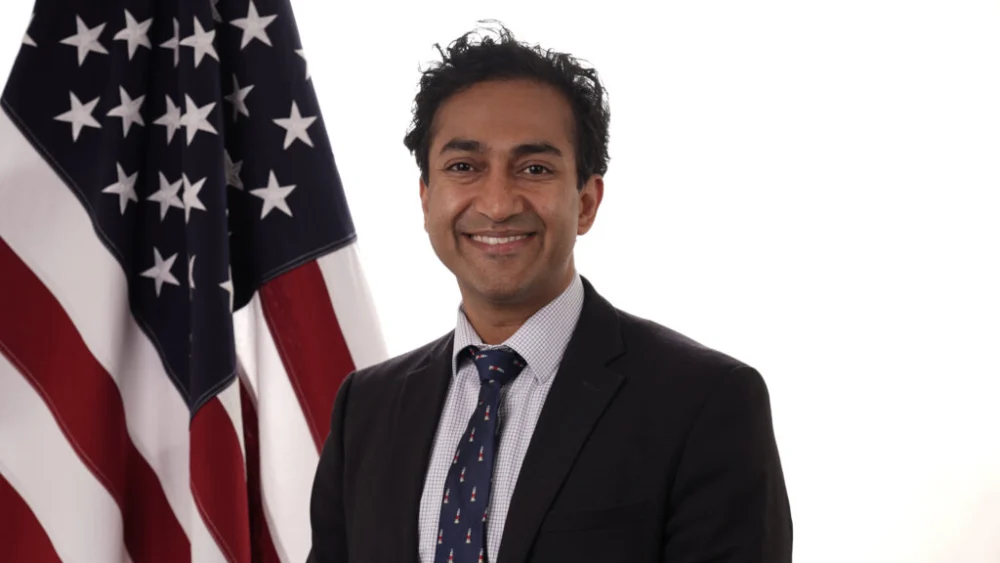
WASHINGTON – Vinay Prasad, a prominent official at the Food and Drug Administration (FDA) whose tenure has been marked by recurring public controversies and significant policy shifts, is departing the agency for a second time. Prasad, currently serving as the FDA’s Chief Scientific and Medical Officer and overseeing the Center for Biologics Evaluation and Research (CBER), which regulates vaccines, gene therapies, and blood products, is scheduled to leave at the end of April. His replacement has not yet been identified, according to FDA Commissioner Marty Makary, who confirmed the departure to The Wall Street Journal. An FDA spokesperson also verified Prasad’s exit, though Prasad himself did not immediately respond to requests for comment. This latest departure signals another period of potential transition and uncertainty within a critical federal health agency that has experienced considerable leadership flux in recent years.
Commissioner Makary’s Acknowledgment and Praised Initiatives
In a social media post, which was also echoed in an internal note to staff viewed by STAT, Commissioner Makary extended his gratitude to Prasad for his contributions to the agency. Makary highlighted several key initiatives and policy changes attributed to Prasad’s leadership. These included efforts to reduce the number of clinical trials required for drug approval, a move lauded by some as an attempt to streamline the regulatory process and accelerate patient access to new therapies. Prasad was also credited with limiting COVID-19 vaccine approvals to individuals over 65 or those with specific risk factors, a policy decision that reflected a more targeted approach to vaccine deployment. Furthermore, Makary acknowledged Prasad’s role in developing a new pathway for individualized medicines and helping to launch a new speedy drug review program, initiatives aimed at fostering innovation and addressing unmet medical needs with greater agility. Makary noted that Prasad had accomplished a "tremendous amount" during his one-year sabbatical from the University of California San Francisco (UCSF) and would be returning to his academic home. The Commissioner affirmed that a successor would be named prior to Prasad’s departure, emphasizing the agency’s commitment to continuity in its vital functions.
A Backdrop of Tumult and Scrutiny: Rare Disease Drugs
Prasad’s exit comes amidst a period of intense scrutiny and controversy surrounding CBER’s decisions, particularly concerning rare disease drugs. The Center, under Prasad’s oversight, has recently been at the heart of several high-profile rejections of cell and gene therapies for rare conditions. Experts within the pharmaceutical and biotech industries have expressed surprise and concern, noting that many of these therapies likely would have garnered approval under previous FDA leadership. These decisions have created a palpable sense of unease among rare disease patient advocates, who have long championed regulatory flexibility to accelerate access to treatments for conditions affecting small patient populations, often with limited or no existing therapeutic options.
The development of drugs for rare diseases, often defined as conditions affecting fewer than 200,000 people in the U.S., presents unique challenges. Clinical trials are difficult to design due to small patient numbers, and the financial incentives for drug developers can be less robust. Historically, the FDA has often employed more flexible regulatory pathways, such as accelerated approval, to encourage innovation in this space. However, under Prasad, CBER appears to have adopted a more stringent approach, sometimes reversing prior agreements on clinical trial designs. For instance, a drug for a rare blood cancer, which was reportedly on a clear path to approval last year, was unexpectedly rejected based on concerns about clinical data that the company believed had been previously addressed and resolved with the agency. Such reversals have led to accusations from drugmakers of an unpredictable and inconsistent regulatory environment, potentially chilling investment and research in this crucial area.
Adding to the complexity, Prasad’s departure follows just one day after an unconventional move by the Department of Health and Human Services (HHS), which oversees the FDA. A senior HHS official held a press call to openly criticize an experimental Huntington’s disease treatment that was under active consideration by FDA regulators. This highly unusual public intervention by a superior agency official into a specific regulatory review process raised significant questions about the independence of the FDA’s scientific decision-making and the potential for external pressures to influence critical evaluations. Such an event further underscored the precarious balance between scientific autonomy and political oversight within the health regulatory landscape.
Broader FDA Exodus and Leadership Instability
Prasad’s departure is not an isolated incident but rather the latest in a series of dramatic exits by top officials within the Trump administration’s FDA. This pattern of high-level turnover has contributed to an environment of instability and concern regarding the agency’s long-term direction and its ability to maintain scientific rigor amidst political shifts. The Center for Drug Evaluation and Research (CDER), another pivotal division responsible for evaluating small-molecule drugs, experienced an extraordinary five different directors in 2025 alone. This unprecedented rate of change at the helm of such a critical office undoubtedly impacts operational continuity and strategic planning.
Among the notable departures was Richard Pazdur, a revered and long-serving cancer drug regulator, who retired from the CDER director post in December. His retirement was reportedly driven by profound concerns that political officials were corrupting the agency’s scientific process, a grave accusation that struck at the very heart of the FDA’s mission. Prior to Pazdur, George Tidmarsh, who briefly held the CDER director role, left amid allegations that he had leveraged his regulatory position to pursue a vendetta against a former biotech colleague—allegations Tidmarsh has consistently denied. Beyond these high-profile cases, numerous agency leaders at lower levels have either been pushed out or voluntarily sought opportunities elsewhere, creating a steady and concerning "brain drain" of institutional knowledge and expertise. This ongoing exodus of experienced personnel raises serious questions about the FDA’s capacity to effectively manage its vast responsibilities, from ensuring drug safety to fostering innovation, in a climate of internal discord and external pressure.
Prasad’s Background and Contentious Management Style
Vinay Prasad, an oncologist by training, had a prior distinguished academic career at the University of California San Francisco. Before his FDA stints, he was widely known as a "healthcare provocateur," a moniker earned through his outspoken criticisms of clinical trial designs and the often-complex, sometimes problematic, relationships between regulators, doctors, and the pharmaceutical industry. His reputation for challenging established norms and demanding rigorous evidence preceded his arrival at the FDA.
However, his leadership within the agency was frequently described as contentious. Prasad first joined the FDA as CBER director in May 2025 but was controversially fired in July of the same year. His initial ouster stemmed from his handling of a treatment for Duchenne muscular dystrophy, a decision that angered both rare disease community advocates and influential far-right figures, including Laura Loomer, who is known to be close to President Trump. The administration, however, reversed course dramatically just a few weeks later, rehiring Prasad after Commissioner Makary personally vouched for him.
Upon his return, Prasad reportedly did not exhibit a "humbled" demeanor. Instead, his subsequent actions were characterized by an aggressive consolidation of power and a demanding management style. One of his immediate moves was to fire the person in charge of vaccine safety and surveillance, effectively installing himself in that critical oversight role. Over his second tenure, Prasad is reported to have pushed out at least seven additional leaders from their positions. By October, eight agency officials told STAT that Prasad had fostered a work environment "rife with mistrust and paranoia." Concerns about his management style extended to operational specifics; despite working primarily from California and only being on the FDA’s Silver Spring, Maryland, campus a few days a week, he demanded an unusual degree of control over his staff from afar. This included requiring employees to make their calendars completely visible to him, while his own remained private, and instructing staff not to notify their supervisors if he requested meetings with them. At the time, four officials informed STAT that several employees had filed formal complaints about Prasad’s management style with human resources, signaling significant internal friction.
Policy Shifts and the Vaccine Landscape
As a key ally of Commissioner Makary, Prasad played a central role in shaping some of the agency’s most important initiatives. He led the committee responsible for evaluating drug submissions that had been bestowed with a "Commissioner’s National Priority Voucher," a designation that guarantees a regulatory decision within an expedited timeframe of one to two months. This role afforded him significant influence over drug decisions, extending beyond his direct purview as CBER director.
Prasad also notably sought to impose a heightened regulatory standard on vaccines, a stance that drew criticism from a significant body of public health experts. According to twelve former FDA commissioners, this approach might render it practically impossible for manufacturers to develop new vaccine products, potentially stifling innovation and impacting public health preparedness. Working in concert with top drug regulator Tracy Beth Høeg, Prasad reportedly "wrested control of vaccine surveillance" from career staff, centralizing decision-making in this crucial area.
The implications of this shift were starkly illustrated when Prasad overruled staff by initially refusing to review a new flu vaccine application from Moderna. This decision prompted considerable backlash and, notably, intervention from the White House. Following external pressure, the agency ultimately agreed to review the product, highlighting the extraordinary degree to which political considerations were influencing scientific regulatory processes. This incident, along with other policy changes, aligns with a broader trend under Health Secretary Robert F. Kennedy Jr., a known vaccine critic, where the FDA and other health agencies have adopted a more vaccine-skeptical approach. This philosophical shift at the highest levels of government has profoundly impacted the regulatory environment for vaccines, raising concerns among public health advocates about potential long-term effects on vaccine confidence and disease prevention strategies.
Implications for the Future of Drug Regulation
Prasad’s second departure leaves a significant void at the helm of CBER, an office critical for the regulation of novel biological products, including groundbreaking gene and cell therapies that hold immense promise for previously untreatable diseases. The search for a successor will be closely watched, as the choice will signal the agency’s future direction regarding regulatory flexibility, scientific independence, and its relationship with both the pharmaceutical industry and patient advocacy groups.
The controversies surrounding rare disease drug approvals under Prasad’s leadership could have a lasting impact on the biotech sector. An unpredictable regulatory environment, characterized by shifting standards or the reversal of prior agreements, can deter investment in research and development, particularly for rare diseases where the economic returns are already marginal. Biotech companies rely on clear, consistent regulatory pathways to justify the enormous costs and risks associated with drug development. Any perception of political interference or scientific inconsistency at the FDA could erode trust and slow the pace of innovation.
Furthermore, the high rate of turnover among senior leadership and the reported internal strife within the FDA under the Trump administration raise profound questions about the agency’s institutional health. A stable, experienced leadership team is vital for maintaining the FDA’s scientific integrity, fostering a productive work environment, and effectively navigating the complex challenges of drug and vaccine regulation. The loss of seasoned professionals, coupled with allegations of political influence and a "mistrust and paranoia" within departments, could weaken the agency’s ability to fulfill its mandate to protect public health.
As the FDA looks to appoint a new CBER director, the incoming leader will face the immediate challenge of restoring stability and confidence, both internally among staff and externally among stakeholders. Reaffirming a commitment to scientific independence, transparent decision-making, and consistent regulatory guidance will be paramount to ensuring the agency can continue to serve its vital role in safeguarding the health and well-being of the American public. The ongoing saga of leadership changes and policy shifts at the FDA underscores the delicate balance between scientific rigor, public health imperatives, and the ever-present pressures of the political landscape.
 Budi Oetomo Narendra