
 By admin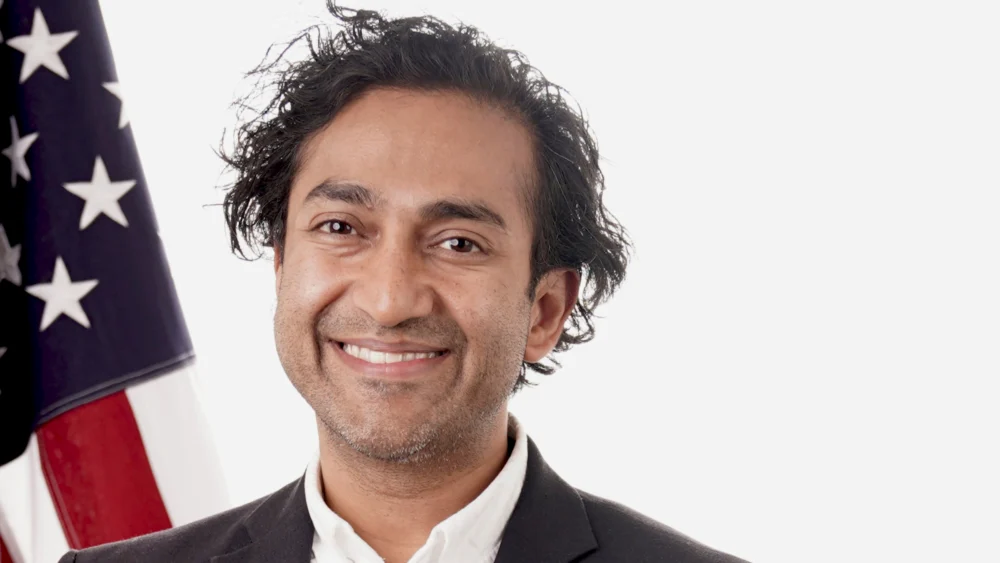
Dr. Vinay Prasad, a figure known for his outspoken critical analyses within the medical community and, as confirmed by a government official to Endpoints News, the controversial head of the U.S. Food and Drug Administration’s (FDA) vaccines and biologics division, is set to leave the agency. This departure marks a significant moment for the FDA, particularly its Center for Biologics Evaluation and Research (CBER), which plays a pivotal role in regulating an array of critical medical products, including vaccines, blood products, and gene therapies. Dr. Prasad’s tenure, though not extensively publicized in its official capacity, has coincided with an unprecedented period of public health challenges, where the agency’s decisions on vaccine efficacy, safety, and distribution have been under intense scrutiny from both the scientific community and the general public.
A Career Marked by Critical Analysis and Public Engagement
Dr. Vinay Prasad is a multifaceted medical professional, an oncologist and hematologist by training, and a prominent academician. Before his reported role at the FDA, he established a significant reputation as a professor at Oregon Health & Science University (OHSU), where his research focused on evidence-based medicine, drug pricing, medical reversal, and the critical evaluation of clinical trials and regulatory processes. His academic work and public commentary have consistently challenged conventional wisdom in medicine, often advocating for more rigorous clinical evidence and transparency in pharmaceutical development and regulatory decisions. He is widely recognized for his popular podcast, "Ground Truths," and his prolific presence on social media platforms, where he frequently engages in debates surrounding public health policy, drug approvals, and medical guidelines.
The "controversial" label attached to Dr. Prasad typically stems from his willingness to question established narratives and his often-skeptical stance on the strength of evidence supporting certain medical interventions or public health policies. During the COVID-19 pandemic, these critiques intensified, encompassing discussions around vaccine mandates, the utility of booster doses for various demographics, the efficacy of repurposed drugs, and the overall communication strategies employed by public health agencies. His departure from a leadership role within the FDA’s vaccines and biologics division, therefore, invites close examination of the intersection between independent critical thought and the imperatives of regulatory authority.
The Critical Mandate of the FDA’s Vaccines and Biologics Division
The FDA’s Center for Biologics Evaluation and Research (CBER) is tasked with ensuring the safety, efficacy, and security of biological products for human use. This broad mandate includes vaccines, allergenic products, blood and blood components, gene therapies, tissue and tissue-based products, and cellular therapies. The vaccines and biologics division, under CBER, is at the forefront of evaluating new vaccine candidates, monitoring their post-market performance, and making recommendations on their use. This responsibility became acutely pronounced during the COVID-19 pandemic, when the division was instrumental in the expedited review and authorization of multiple COVID-19 vaccines under Emergency Use Authorizations (EUAs) and subsequent full approvals.
The regulatory process for biologics is inherently complex, requiring extensive preclinical and clinical data, rigorous manufacturing controls, and ongoing surveillance. Decisions made by CBER, and by extension its constituent divisions, have profound implications for public health, economic stability, and international scientific collaboration. The intense public interest and political pressures surrounding COVID-19 vaccine development and deployment placed CBER and the FDA as a whole under an unprecedented spotlight, making transparency, scientific integrity, and public trust paramount.
Navigating a Landscape of Intense Scrutiny and Policy Debates
Dr. Prasad’s time at the FDA, specifically within the vaccines and biologics division, comes at a juncture when the agency has faced immense pressure. The rapid development and deployment of COVID-19 vaccines, while a scientific triumph, also generated significant public debate and, at times, skepticism. The agency had to balance the urgent need for medical countermeasures with its unwavering commitment to scientific rigor and patient safety.
During this period, Dr. Prasad’s well-known academic positions and public statements often offered alternative perspectives on critical issues. For instance, he has frequently questioned the strength of evidence for universal booster mandates for certain age groups, advocating for a more nuanced, risk-stratified approach. He has also been a vocal proponent of transparent data sharing and rigorous comparative effectiveness research, particularly concerning new drugs and vaccines. While these positions are rooted in evidence-based medicine principles, they sometimes diverged from the more unified public health messaging adopted by government agencies during a crisis. The challenge for any agency official with a strong academic and public profile is to reconcile personal scientific convictions with the collective decisions and communications required of a regulatory body. This dynamic likely contributed to the "controversial" characterization of his role.
Timeline and Context of Regulatory Challenges
While the specific start date of Dr. Prasad’s role as "head of the FDA’s vaccines and biologics division" is not detailed in the provided snippet, his presence within the agency during the peak of COVID-19 vaccine campaigns and subsequent booster rollouts would place him in a period of intense activity and public discourse.
- Early 2020: The onset of the COVID-19 pandemic initiates a global race for vaccines and treatments, placing immense pressure on regulatory bodies like the FDA.
- Late 2020 – Early 2021: Emergency Use Authorizations (EUAs) are granted for the first COVID-19 vaccines, followed by mass vaccination campaigns. Debates emerge about vaccine efficacy, duration of protection, and potential side effects.
- Mid-2021 – Present: Focus shifts to booster doses, vaccine mandates, and the emergence of new variants. Public health agencies grapple with communicating evolving science and maintaining public trust. It is within this dynamic environment that Dr. Prasad’s critical perspective would have been particularly salient, potentially influencing internal discussions or at least representing a distinct viewpoint.
- Ongoing Debates: Discussions continue regarding the optimal regulatory pathways for novel therapeutics, the role of real-world evidence, and the future of pandemic preparedness, areas where Dr. Prasad has historically offered robust commentary. His departure now, as the immediate crisis phase of the pandemic recedes, may allow for a different type of reflection on the agency’s performance and future direction.
Inferred Reactions and Official Stance
Given the professional nature of government transitions, an official statement from the FDA regarding Dr. Prasad’s departure would likely be brief and commendatory, thanking him for his service and wishing him well in future endeavors. Such statements typically avoid delving into the specifics of an individual’s "controversial" nature, focusing instead on contributions to the agency’s mission.
However, the news of his departure would likely elicit varied reactions from different stakeholders:
- Within the FDA: Some colleagues might express appreciation for his intellectual rigor and willingness to challenge assumptions, believing his critical insights strengthened internal deliberations. Others might feel that his public profile and sometimes contrarian views created internal or external challenges for the agency’s unified messaging.
- Public Health Community: Advocates for evidence-based medicine and transparent regulatory processes might view his departure with concern, seeing it as the loss of a valuable, independent voice within a critical regulatory body. Conversely, those who prioritize a more consistent public health message might see it as a streamlining of the agency’s communication strategy.
- Pharmaceutical Industry: Reactions from industry would likely be mixed. While some might find his critiques challenging, others might appreciate his push for clear, robust data, which can ultimately benefit the development of truly effective and safe products.
- The Public: For those who follow Dr. Prasad’s work, his departure could be interpreted as a further indication of the challenges faced by independent thinkers within large institutions, particularly during times of crisis. For others, it might pass largely unnoticed or be seen as a natural transition.
Broader Impact and Implications for the FDA
Dr. Prasad’s departure from a leadership role in the FDA’s vaccines and biologics division carries several potential implications:
- Shift in Internal Discourse: While the FDA is a large institution with many talented scientists, the presence of a figure like Dr. Prasad could foster a more robust internal debate on scientific and policy matters. His absence might subtly alter the dynamics of these discussions, potentially leading to a more homogenous perspective or, conversely, empowering other critical voices.
- Public Trust and Transparency: The FDA continuously works to maintain public trust, especially concerning vaccines. The departure of a "controversial" figure can be interpreted in different ways: some might see it as the agency consolidating its messaging, while others might view it as a loss of a critical internal check, potentially impacting perceptions of transparency and intellectual independence.
- Future Leadership: The agency will need to fill this leadership vacuum. The selection of a successor will be closely watched, as it could signal the FDA’s priorities and approach to regulatory science in the coming years, particularly regarding emerging biological threats and novel therapeutic modalities.
- Ongoing Regulatory Challenges: The challenges faced by the FDA – from evaluating new gene therapies to responding to future pandemics – remain immense. The agency requires leaders who possess not only deep scientific expertise but also the ability to navigate complex ethical, political, and communication landscapes.
Dr. Prasad’s Future Endeavors
It is highly probable that Dr. Vinay Prasad will return to his academic roots and continue his prolific work as a professor, researcher, and public commentator. His established platforms, including his podcast and social media presence, will likely remain active avenues for his critical analyses and contributions to medical discourse. Unfettered by the constraints of an official government role, he may find even greater freedom to articulate his perspectives on medical evidence, public health policy, and the regulatory environment. This return to an independent academic role would allow him to continue shaping debates in the medical community without the potential for perceived conflicts of interest that can arise when holding a senior position within a regulatory agency. His influence, therefore, is unlikely to diminish; rather, it may simply shift back to a more traditional, external critical role.
In conclusion, Dr. Vinay Prasad’s departure from the FDA’s vaccines and biologics division, while seemingly a personnel change, underscores the complex interplay between scientific rigor, public policy, and individual voices within critical government institutions. His tenure, marked by his pre-existing reputation for incisive criticism, occurred during a period of unprecedented pressure on the FDA. His exit will undoubtedly prompt reflection on the nature of scientific dissent within regulatory bodies and the ongoing efforts to balance rapid public health response with thorough scientific scrutiny and transparent communication.
 Budi Oetomo Narendra