
 By admin
The landscape of pediatric oncology is undergoing a fundamental shift, driven not only by technological advancements in genomic sequencing and immunotherapy but also by a concerted effort to diversify the voices leading the charge in laboratories and clinical settings. As the global medical community observes Women’s History Month, the Children’s Cancer Research Fund (CCRF) has highlighted a decade-long initiative aimed at dismantling the barriers that have historically hindered women in science, technology, engineering, and mathematics (STEM). By investing $8.55 million into 63 specific grants for female researchers over the last ten years, the organization is addressing a critical gap in the scientific workforce. This strategic allocation of resources serves a dual purpose: accelerating the pace of discovery for hard-to-treat childhood cancers and ensuring that the next generation of female scientists has the visible role models necessary to pursue high-level careers in medical research.
The necessity of this investment is underscored by the complex nature of childhood cancer, which remains the leading cause of death by disease for children in the United States. While survival rates for certain malignancies, such as acute lymphoblastic leukemia (ALL), have seen dramatic improvements, other diagnoses remain stubbornly resistant to conventional therapies. Furthermore, the long-term health of survivors has emerged as a secondary crisis, with many former patients facing chronic health issues resulting from the toxicity of their initial treatments. By empowering female researchers who often bring unique perspectives to survivorship and holistic care, CCRF is fostering a more comprehensive approach to pediatric medicine.
A Decade of Targeted Investment and Scientific Progress
The chronological trajectory of CCRF’s funding reflects an evolving understanding of the pediatric cancer landscape. Over the past decade, the $8.55 million invested in female-led projects has targeted three primary pillars of oncology: innovative treatment for refractory cancers, the mitigation of health disparities, and the expansion of survivorship research. These grants are more than mere financial transactions; they represent a vote of confidence in the leadership capacity of women in a field where, despite making up a significant portion of medical school graduates, women remain underrepresented in senior faculty and department head positions.
Data from the Association of American Medical Colleges (AAMC) indicates that while women have achieved parity in medical school enrollment, the "leaky pipeline" persists in specialized research roles. By specifically earmarking 63 grants for women, CCRF is actively working to plug this pipeline. These investments have allowed female investigators to spearhead trials that look beyond the immediate eradication of tumors, focusing instead on the "whole-child" impact of the disease. This includes addressing how socioeconomic factors influence treatment outcomes—a field known as health disparities research—and investigating the genetic markers that might predispose certain children to more severe side effects from chemotherapy.
The Evolution of Survivorship: Profiles in Leadership
Two prominent figures at the forefront of this movement are Dr. Smita Bhatia and Dr. Lucie Turcotte, both of whom serve on the CCRF Research Advisory Committee. Their career paths illustrate the changing dynamics of the medical profession and the critical role that early-career support plays in long-term success.
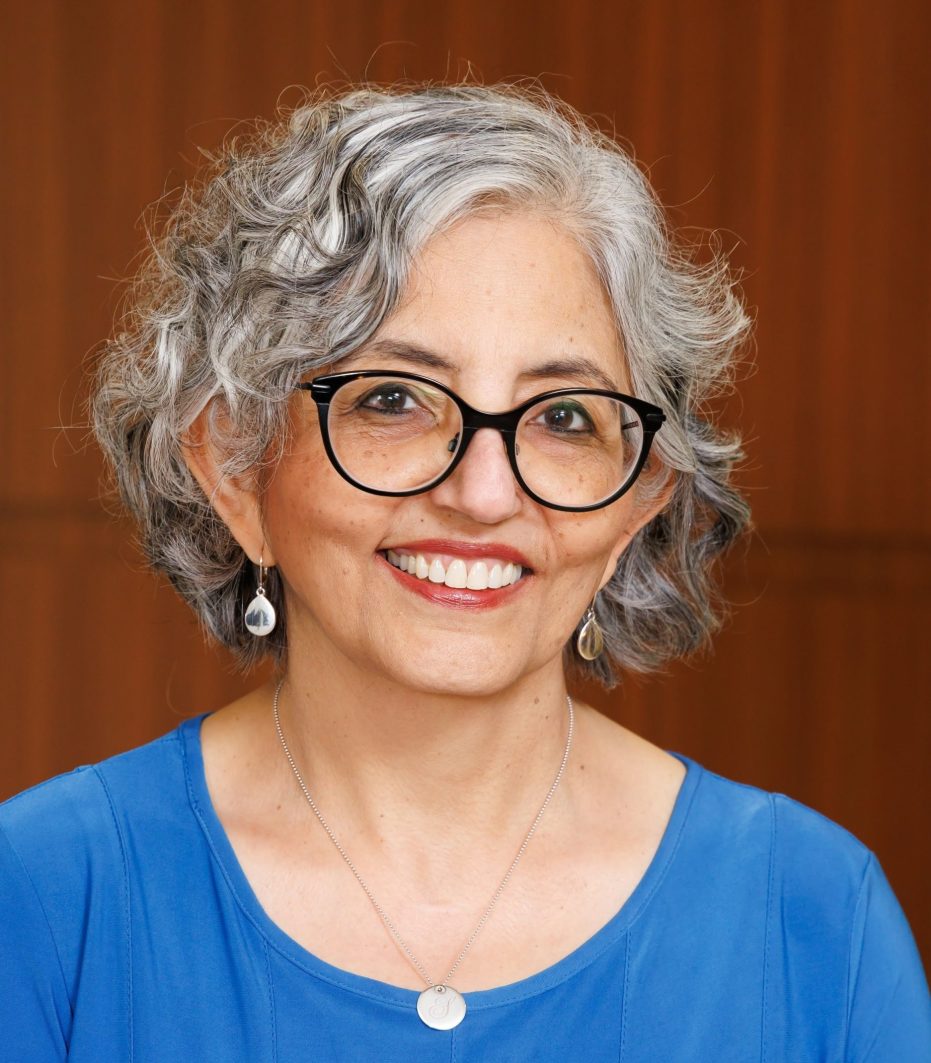
Dr. Smita Bhatia, MD, MPH, currently serves as a professor at the University of Alabama at Birmingham and directs the Institute for Cancer Outcomes and Survivorship. Her career, which spans several decades, began with a foundational grant from CCRF—a moment she identifies as a turning point in her trajectory. Dr. Bhatia’s work focuses on the "late effects" of cancer treatment, a field that was once overlooked when the primary goal of oncology was simply achieving remission. Today, thanks to the persistence of researchers like Bhatia, the medical community recognizes that a "cure" is only the beginning of a patient’s journey.
In her capacity as a mentor, Dr. Bhatia emphasizes that the professional environment for women has matured significantly. She notes that women are increasingly evaluated based on their clinical and intellectual contributions rather than their gender. However, she remains vocal about the realities of the "double burden"—the challenge of balancing high-stakes research with family responsibilities. Her philosophy, "you can have it all," is rooted in the belief that efficiency and passion can overcome the time constraints that often deter women from seeking leadership roles in medicine.
Complementing this perspective is Dr. Lucie Turcotte, MD, MPH, MS, an associate professor and the division director of Pediatric Hematology/Oncology at the University of Minnesota. Dr. Turcotte’s path was not linear; her initial interests were rooted in public health and the systemic structures that govern community wellness. It was only during her residency, through the intense, long-term relationships formed with pediatric patients and their families, that she pivoted toward oncology.
Dr. Turcotte’s research is intrinsically linked to the long-term data of survivors. As more children survive cancer, the medical system must adapt to manage the respiratory, cardiac, and psychological challenges that can manifest years or even decades later. Her involvement with the CCRF Research Advisory Committee ensures that the funding pipeline remains attuned to these long-term outcomes. Her advice to the next generation—to practice patience and "grace"—reflects a modern leadership style that prioritizes sustainable career growth over the burnout-prone "sprint" mentality of previous eras.
Addressing Health Disparities and Scientific Equity
A significant portion of the $8.55 million investment has been directed toward understanding why certain populations of children experience poorer outcomes than others. Research led by female scientists has been instrumental in identifying how race, ethnicity, and geography affect access to clinical trials and the quality of supportive care.
In the broader context of scientific inquiry, studies have shown that diverse research teams are more likely to consider a wider range of variables, leading to more robust and applicable data. By ensuring that women are leading research teams, CCRF is facilitating a scientific environment where the lived experiences of a diverse patient base are better represented. This is particularly vital in pediatric oncology, where the rare nature of childhood cancers requires intense international collaboration and a multifaceted understanding of patient needs.
The "See It, Be It" Effect: Implications for STEM Education
The psychological impact of female representation in oncology cannot be overstated. The "See It, Be It" philosophy cited by CCRF leaders is supported by educational research suggesting that young girls are significantly more likely to pursue careers in science when they see women occupying positions of authority and expertise.
When a female researcher receives a CCRF grant, the impact extends beyond the laboratory. It signals to medical students, residents, and even high school students that the path to becoming a Division Director or an Institute Head is navigable. This cultural shift is essential for the future of the field; as the complexity of cancer treatment increases with the advent of CAR-T cell therapy and precision medicine, the world cannot afford to leave half of its potential intellectual talent on the sidelines.
Analyzing the Broader Impact on Pediatric Healthcare
The implications of CCRF’s targeted funding extend into the realm of healthcare policy and institutional culture. By fostering a cohort of female leaders who are now serving on advisory committees and heading university departments, the organization is influencing how research priorities are set at a national level.
Furthermore, the focus on survivorship—championed by both Bhatia and Turcotte—has profound economic implications. By reducing the late-term morbidity of cancer survivors, researchers are lowering the long-term healthcare costs associated with the "second act" of the cancer journey. This proactive approach to medicine, which emphasizes quality of life alongside survival, is becoming the gold standard in pediatric care.
The official stance from CCRF suggests that the next decade will see an even greater emphasis on collaborative models. The organization operates on the belief that when women are fully included in the scientific process, the resulting innovations are more empathetic, more comprehensive, and ultimately more effective. This is not merely a matter of social equity; it is a clinical necessity.
Conclusion: The Path Forward
As Women’s History Month provides a moment for reflection, the data provided by the Children’s Cancer Research Fund offers a roadmap for the future. The investment of $8.55 million into the careers of 63 female researchers is a testament to the power of intentional philanthropy. However, the work is far from complete. The challenges of hard-to-treat diagnoses and the complexities of the human immune system require a continuous influx of bold ideas and persistent effort.
The future of childhood cancer research will be defined by those who have the courage to ask difficult questions and the resources to pursue the answers. By ensuring that women are at the helm of these inquiries, the scientific community is ensuring a stronger, more inclusive, and more successful fight against pediatric cancer. Through the continued support of female-led discovery, the goal of a world where every child not only survives cancer but thrives long after treatment becomes increasingly attainable. The legacy of the women honored today will be measured in the lives of the children they save and the generation of female scientists they inspire to follow in their footsteps.
