
 By admin
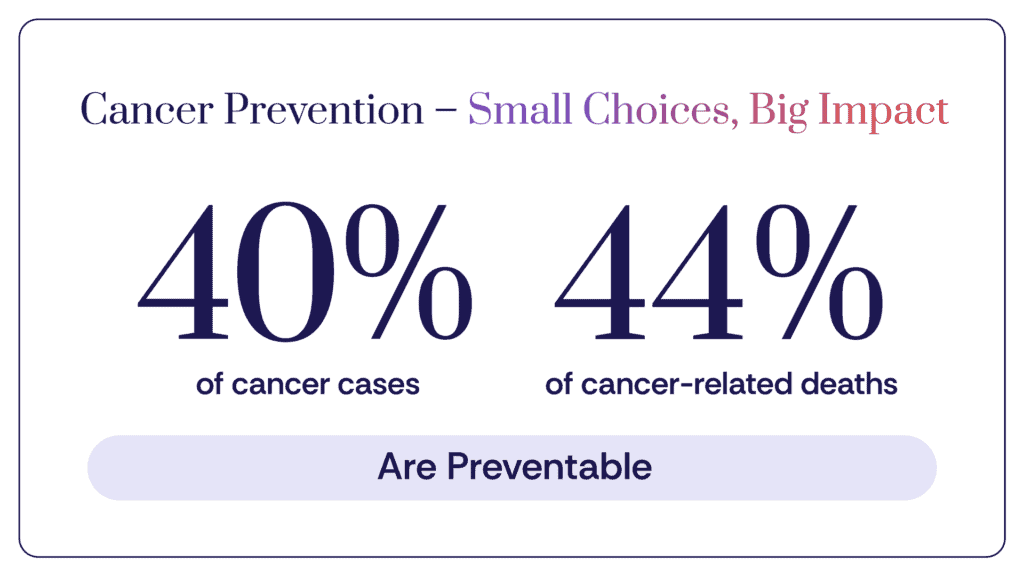
February marks National Cancer Prevention Month, a critical period dedicated to raising awareness about the proactive measures individuals can undertake to significantly lower their risk of developing cancer. This annual observance serves as a vital reminder that while cancer can feel like an insurmountable foe, a substantial portion of cases and deaths are, in fact, preventable through informed lifestyle choices and medical interventions. A landmark study from the American Cancer Society (ACS) underscores this profound potential, revealing that an estimated 40% of all cancer cases diagnosed in the U.S. are preventable. Furthermore, the study projects that 44% of cancer deaths anticipated in 2025 will be attributable to modifiable behaviors, emphasizing the immense impact of personal agency in public health. Cancer prevention is not predicated on achieving an unattainable state of perfection; rather, it champions the principle of risk reduction through practical, everyday decisions. The encouraging news is that even seemingly minor adjustments to daily habits can yield profound and measurable differences in long-term health outcomes.
The concept of cancer prevention fundamentally revolves around actively implementing strategies to mitigate one’s likelihood of developing the disease. This is predominantly achieved through lifestyle modifications, including dietary choices, engagement in regular physical activity, and the deliberate avoidance of known harmful exposures. While prevention cannot offer an absolute guarantee against cancer’s onset, its primary objective is to minimize risk wherever feasible. Cancer typically arises from a complex interplay of both modifiable lifestyle factors and non-modifiable elements, such as genetic predispositions. Consequently, there is no universal, one-size-fits-all approach to prevention. However, focusing on and enacting changes within one’s sphere of control represents a powerful and essential initial step toward a healthier future.
The Preventable Burden: A Call to Action This National Cancer Prevention Month
The statistics presented by the American Cancer Society are a stark reminder of the immense burden of preventable cancer. With nearly half of all cancer deaths projected to be linked to modifiable risk factors, the imperative for public health initiatives and individual commitment to prevention becomes unmistakably clear. These figures are not mere abstractions; they represent thousands of lives that could be extended and improved, and countless families spared from the devastating impact of a cancer diagnosis. National Cancer Prevention Month, therefore, is more than an observance; it is a call to action, urging individuals, healthcare providers, and policymakers to prioritize prevention as a cornerstone of public health. The core philosophy is one of empowerment, demonstrating that while some aspects of cancer risk are beyond our control, a significant portion is within our grasp to influence positively.
A Historical Perspective on Prevention Efforts
The understanding of cancer and its prevention has evolved significantly over centuries. Early civilizations recognized links between certain environments or habits and disease, but a scientific understanding of cancer prevention began to coalesce in the 20th century. The discovery of carcinogens, substances capable of causing cancer, marked a pivotal turning point. For instance, the link between tobacco smoke and lung cancer, first rigorously established in the mid-20th century, spurred monumental public health campaigns. These efforts, driven by organizations like the ACS and government agencies such as the Centers for Disease Control and Prevention (CDC) and the National Cancer Institute (NCI), have progressively shifted the focus from merely treating cancer to actively preventing it. Early prevention efforts primarily targeted smoking cessation, but over time, research expanded to identify the roles of diet, physical activity, alcohol, and environmental exposures, leading to comprehensive guidelines and awareness campaigns that form the bedrock of modern cancer prevention strategies. This chronology of discovery and public health response highlights a continuous, evolving commitment to reducing cancer incidence.
Key Modifiable Risk Factors: Deeper Insights and Strategies
The six modifiable risk factors identified are critical areas where individuals can make impactful changes. Understanding the mechanisms by which these factors contribute to cancer underscores the importance of prevention.
1. Tobacco: The Leading Preventable Killer
Cigarette smoking stands as the paramount preventable risk factor for cancer, a fact consistently highlighted by global health organizations. The ACS study attributes a staggering 20% of all cancer cases and 30% of all cancer deaths to smoking. The danger lies in the composition of cigarette smoke, which contains thousands of chemicals, at least 70 of which are definitively classified as carcinogens. These toxic agents inflict direct damage upon cellular DNA, leading to mutations and genetic instability. The accumulation of such DNA damage can trigger uncontrolled cell growth, the hallmark of cancer development. Beyond direct DNA damage, these chemicals also compromise the immune system, diminishing its ability to identify and eliminate nascent cancer cells.
While lung cancer is the most commonly associated malignancy with smoking, accounting for a devastating nine out of ten related deaths in the U.S., the carcinogenic effects of tobacco extend far beyond the respiratory system. Smoking significantly increases the risk for nearly 20 other cancer types, including esophageal, breast, pancreatic, liver, kidney, bladder, stomach, colorectal, acute myeloid leukemia, and cancers of the oral cavity and pharynx. The insidious nature of tobacco also means that direct smoking is not the sole cause of cancer; secondhand smoke exposure, or the involuntary inhalation of smoke from others’ cigarettes, carries significant risks. Secondhand smoke contains the same harmful chemicals and carcinogens as directly inhaled smoke, primarily causing lung cancer but also linked to larynx, nasopharynx, and breast cancers in adults. The long-term cancer risk associated with e-cigarettes remains a subject of ongoing scientific investigation, with preliminary data suggesting that while they may be less harmful than traditional cigarettes, they are not without potential cancer risks, particularly due to the presence of nicotine and other chemicals.
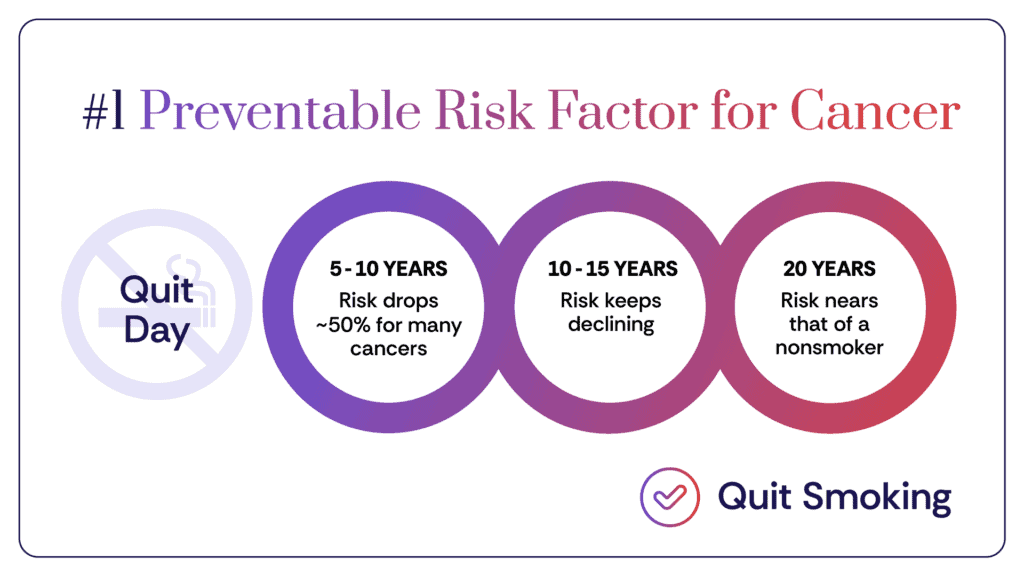
Prevention Tip: Quitting smoking at any point, regardless of the duration of smoking history, profoundly reduces cancer risk. Within 5 to 10 years of cessation, the risk of developing 12 types of cancer is halved, and after 10 to 20 years, a former smoker’s risk can approach that of someone who has never smoked. This remarkable recovery potential underscores that it is never too late to quit, with measurable health benefits accruing over time. Public health campaigns consistently offer resources and support for quitting, recognizing the addictive nature of nicotine.
2. Alcohol Consumption: A Dose-Dependent Risk
Beyond tobacco, alcohol consumption represents another significant, modifiable lifestyle factor contributing to cancer risk. The ACS study highlighted that alcohol contributed to 5.4% of all cancers, illustrating its considerable impact. The relationship between alcohol and cancer is complex and dose-dependent, meaning even low levels of consumption can increase risk. Alcohol consumption is linked to various cancers, including those of the mouth, throat (pharynx and larynx), esophagus, liver, breast, and colorectum.
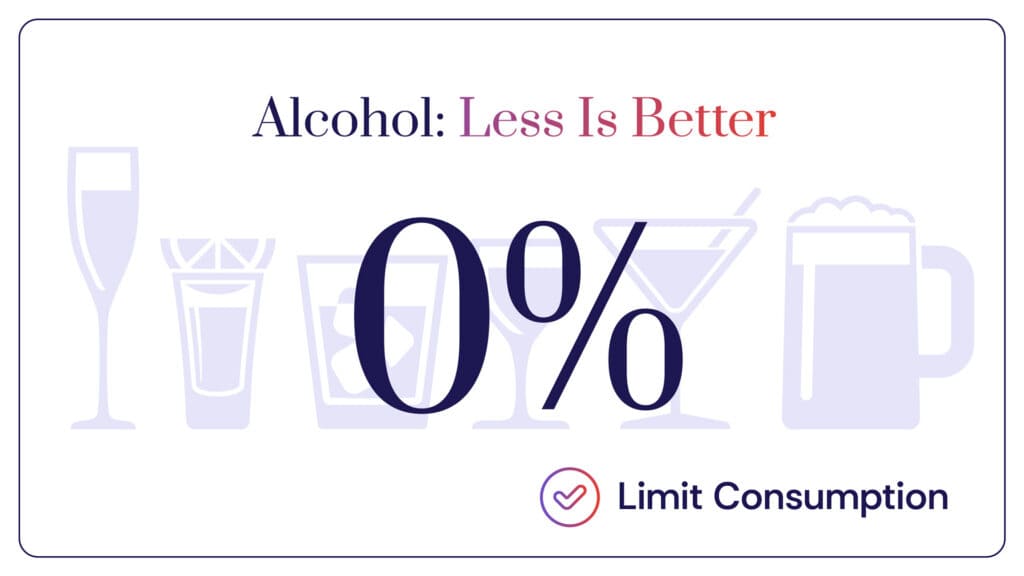
Alcohol increases cancer risk through several biological mechanisms. It can metabolize into acetaldehyde, a toxic compound that damages DNA and prevents cells from repairing themselves. Alcohol also generates reactive oxygen species, contributing to oxidative stress and chronic inflammation, which are known precursors to cancer. Furthermore, it can disrupt hormone balances, particularly increasing estrogen levels, which is a risk factor for breast cancer. Alcohol can also impair the body’s ability to absorb essential nutrients like folate, which plays a role in DNA repair. In the oral cavity, alcohol acts as a solvent, enhancing the absorption of carcinogens from other sources, such as tobacco, thus synergistically increasing risk for head and neck cancers when combined with smoking. Annually, approximately 20,000 adults in the U.S. die from alcohol-associated cancers, a majority of which are considered avoidable through reduced alcohol intake. Guidelines from health organizations like the U.S. Centers for Disease Control and Prevention (CDC) recommend limiting alcohol consumption, with the understanding that for cancer prevention, no amount of alcohol reduces risk as much as complete abstinence.
Prevention Tip: Explore alternatives to alcoholic beverages, such as mocktails, and designate specific days to be entirely alcohol-free. For individuals who do not currently consume alcohol, there is no health benefit in starting. Prioritizing alcohol-free choices supports overall health and cancer prevention goals.
3. Maintaining a Healthy Weight & Staying Active
Beyond substance use, overall physical health and activity levels significantly influence cancer risk. Excess body weight was identified as the second-most preventable cause of cancer development in the ACS study, accounting for 7.6% of cases. Physical inactivity independently contributed to 3.1% of cancers. These factors are implicated in the development of several cancers, including those of the stomach, endometrium, esophagus, kidney, colorectum, and breast (postmenopausal).
The precise mechanisms by which excess body weight increases cancer risk are multifaceted. Adipose (fat) tissue is not merely an inert storage site; it actively secretes inflammatory signals called adipokines, creating a state of chronic low-grade inflammation throughout the body. This chronic inflammation can promote cell proliferation and survival, contributing to a pro-cancer environment. Additionally, excess body fat disrupts hormone balances, particularly elevating levels of insulin, insulin-like growth factors, and sex hormones like estrogen and testosterone, all of which can stimulate cell growth and division. Obesity also alters immune function and affects cell growth signaling pathways, further increasing vulnerability to cancer. The focus on reducing risk through physical activity and healthy body weight is centered on health rather than solely on aesthetic appearance. Regular physical activity, even moderate activities like walking, plays a crucial role in regulating hormones, reducing inflammation, improving immune function, and aiding in weight management.
Prevention Tip: Embrace movement in all its forms! Activities such as walking, gardening, dancing, or taking the stairs instead of the elevator all contribute to physical activity goals. Begin with small, manageable steps, choosing activities that are enjoyable and comfortable, and gradually increase intensity and duration as ability allows. Consistency is key.
4. Dietary Choices: Eat for Prevention (Not Perfection)
The adage "you are what you eat" holds significant truth when it comes to health, particularly cancer risk. The ACS study underscored the profound impact of dietary habits on cancer incidence. Factors such as insufficient intake of fruits and vegetables, low dietary calcium and fiber, and high consumption of processed foods and red meats are associated with a range of cancers, including those of the oral cavity, pharynx, esophagus, and colorectum.
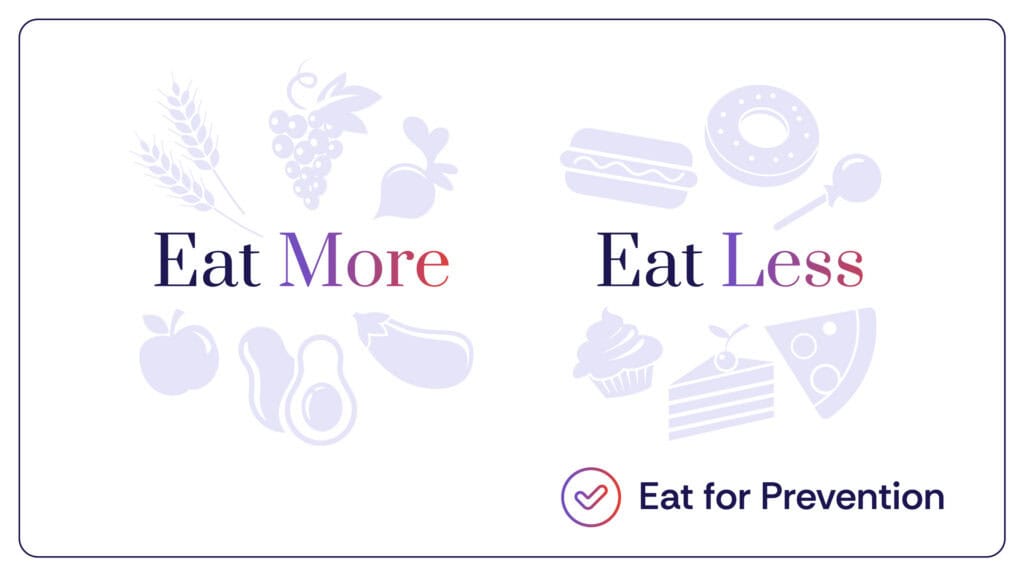
An unbalanced or unhealthy diet can directly contribute to cancer development. Diets high in processed foods and red meats are often linked to obesity, chronic inflammation, and direct DNA damage from certain cooking methods (e.g., high-temperature grilling). Processed meats, in particular, contain nitrates and nitrites that can form carcinogenic N-nitroso compounds in the digestive tract. Conversely, a diet rich in fruits, vegetables, and whole grains provides essential vitamins, minerals, antioxidants, and fiber. Antioxidants help neutralize harmful free radicals that can damage DNA, while fiber promotes healthy digestion, reduces transit time in the colon, and helps eliminate carcinogens. Limiting the intake of processed foods and red meats while significantly increasing the consumption of a diverse array of fruits and vegetables can substantially reduce cancer risk.
Prevention Tip: The objective for dietary adjustments should be practical and sustainable progress, not unattainable perfection. Small, manageable changes, such as incorporating an extra serving of vegetables with dinner, swapping processed snacks for fruit, or opting for lean protein sources more often, can collectively have a significant positive impact on long-term health and cancer prevention.
5. Sun Safety Matters: Protecting Against UV Radiation
Ultraviolet (UV) radiation exposure is a well-established and significant risk factor for skin cancer, accounting for 4.6% of preventable cancer cases. UV radiation, whether from natural sunlight or artificial sources like tanning beds, directly damages cellular DNA. This damage, if not repaired efficiently, can lead to mutations that result in uncontrolled cell growth, characteristic of skin cancers such as basal cell carcinoma, squamous cell carcinoma, and the more aggressive melanoma. The cumulative effect of sun exposure over a lifetime, even without severe sunburns, contributes to increased risk. Tanning beds, specifically, emit concentrated UV radiation, often at higher intensities than natural midday sun, dramatically escalating the risk of skin cancer, especially in younger individuals.
Fortunately, mitigating the risk associated with UV exposure is highly manageable and readily achievable through simple, consistent practices. Public health campaigns have consistently emphasized the importance of sun-safe behaviors.
Prevention Tip: Consistent and diligent application of broad-spectrum sunscreen with an SPF of 30 or higher to all exposed skin is crucial whenever outdoors, irrespective of weather conditions. UV radiation can penetrate clouds and reflect off surfaces like snow, making protection necessary year-round. Beyond sunscreen, seeking shade during peak sun hours (typically 10 AM to 4 PM), wearing UV-protective clothing (including wide-brimmed hats and sunglasses), and completely avoiding tanning beds are highly effective strategies to minimize UV damage and reduce skin cancer risk.
6. Vaccines & Screening: Modern Prevention Pillars
Two of the most powerful, yet sometimes overlooked, tools in the arsenal of cancer prevention are vaccination and routine screening. These interventions represent proactive medical strategies that either prevent cancer-causing infections or detect precancerous changes and early-stage cancers when they are most treatable.
Several viruses are recognized carcinogens, meaning they can directly cause cancer. Human papillomavirus (HPV) is a prime example, responsible for nearly all cases of cervical cancer, as well as a significant portion of anal, oropharyngeal, vaginal, vulvar, and penile cancers. The HPV vaccine is remarkably effective, preventing infection with the most common high-risk HPV types and, consequently, preventing the development of these associated cancers. Similarly, the hepatitis B virus (HBV) is a leading cause of liver cancer worldwide. The HBV vaccine offers robust protection against this viral infection, thereby preventing chronic hepatitis and subsequent liver cancer.
Cancer screening involves tests performed on apparently healthy individuals to detect cancer or precancerous conditions before symptoms appear. Catching cancer early, when it is localized and has not spread, significantly increases the chances of successful treatment and improves survival rates. Examples of effective screening programs include mammography for breast cancer, colonoscopy for colorectal cancer, and Pap tests for cervical cancer. Not all cancers have established screening guidelines, and recommendations can vary based on individual risk factors, age, and family history. The American Cancer Society regularly updates its comprehensive "Cancer Facts & Figures" to provide the latest evidence-based screening guidelines. Consulting with a healthcare provider is essential to determine the most appropriate screening schedule and vaccination strategy for one’s personal health profile.
Prevention Tip: Engage in an open dialogue with your physician to understand the recommended screening schedules pertinent to your age, sex, and risk factors. Additionally, discuss the benefits and suitability of available vaccines, such as HPV and HBV, to bolster your defense against infection-related cancers.
The Broader Implications: Societal Impact and Future Directions
The ability to prevent nearly half of all cancer cases carries profound societal and economic implications. Cancer treatment is incredibly costly, encompassing direct medical expenses, lost productivity, and the immeasurable human toll of suffering and loss. By reducing cancer incidence through prevention, healthcare systems can alleviate financial strain, and individuals can live longer, healthier, and more productive lives. Public health initiatives and government policies play a crucial role in creating environments that support healthy choices, such as smoke-free laws, taxes on unhealthy products, and promotion of accessible healthy foods and recreational spaces.
Addressing health disparities in cancer prevention is also paramount. Vulnerable populations often face greater barriers to adopting preventive behaviors due to socioeconomic factors, lack of access to healthy foods, safe environments for physical activity, or adequate healthcare. Ensuring equitable access to education, resources, and screening programs is vital to ensure that the benefits of prevention are realized across all segments of society. Looking ahead, research into "precision prevention" is gaining momentum. This approach aims to tailor prevention strategies based on an individual’s unique genetic makeup, lifestyle, and environmental exposures, potentially offering even more personalized and effective interventions in the future.
Empowering Individuals: Progress Over Perfection
The sheer number of factors influencing cancer risk can initially seem overwhelming, leading to a sense of helplessness. However, the core message of National Cancer Prevention Month is one of empowerment: there are practical, manageable steps that can be integrated into daily life to meaningfully reduce risk. Every single positive change, no matter how small, contributes to a cumulative benefit. Prevention is best viewed as a continuous, lifelong journey of conscious choices rather than a destination to be perfectly achieved.
Ultimately, open communication with healthcare providers is an indispensable component of any comprehensive prevention strategy. Doctors can offer personalized guidance, assess individual risk factors, recommend appropriate screenings and vaccinations, and provide tailored advice on lifestyle modifications. By embracing the ethos of "progress over perfection" and actively engaging in these preventive measures, individuals can take significant strides toward a healthier future, effectively reducing their cancer risk and contributing to a healthier society as a whole.
