
 By Suherman Candra Maholtra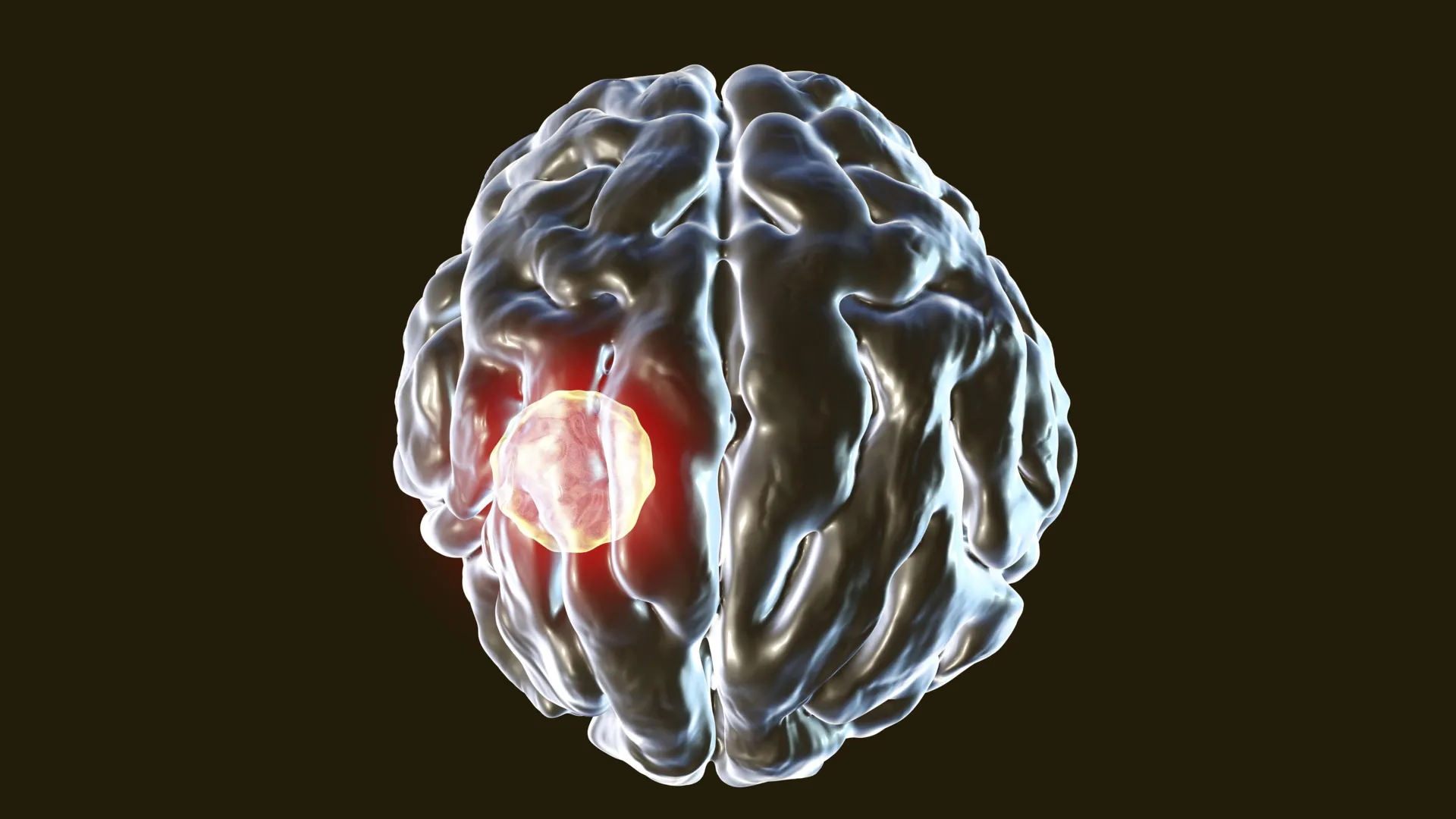
A groundbreaking study led by researchers at the University of Virginia School of Medicine has identified a previously unknown survival mechanism used by the human immune system to combat Toxoplasma gondii, a pervasive parasite capable of inhabiting the human brain for a lifetime. The research, published in the journal Science Advances, reveals that specialized immune cells known as CD8+ T cells employ a "self-destruct" protocol to deny the parasite a host environment, effectively sacrificing themselves to protect the brain from overwhelming infection. This discovery provides a critical missing piece in the puzzle of how the body maintains a delicate equilibrium with a pathogen that infects approximately one-third of the global population.
The Silent Global Burden of Toxoplasma Gondii
Toxoplasma gondii is an obligate intracellular protozoan parasite, meaning it must live inside the cells of a host to survive and reproduce. While it can infect almost all warm-blooded animals, its definitive hosts are felids, such as domestic cats. Humans typically become accidental hosts through the ingestion of oocysts found in contaminated soil or water, contact with cat litter, or the consumption of undercooked meat containing tissue cysts.
According to the Centers for Disease Control and Prevention (CDC), more than 40 million people in the United States alone may carry the parasite. In many parts of the world, infection rates exceed 60%. For the vast majority of healthy individuals, the initial "acute" phase of the infection is either asymptomatic or presents with mild, flu-like symptoms. However, once the immune system responds, the parasite does not leave the body; instead, it enters a "chronic" phase, forming dormant cysts in muscle tissue and, most notably, the brain.
While these cysts were long thought to be relatively inert, recent decades of research have suggested they may influence neurological health. In individuals with compromised immune systems—such as those living with HIV/AIDS, patients undergoing chemotherapy, or organ transplant recipients—the parasite can "reawaken," leading to toxoplasmic encephalitis, a severe and potentially fatal brain infection. It also poses significant risks during pregnancy, as it can be transmitted to the fetus, causing congenital toxoplasmosis, which may result in vision loss, hearing impairment, or developmental delays.
The UVA Investigation: When the Hunters Become the Hunted
The immune system’s primary defense against Toxoplasma relies on CD8+ T cells, often referred to as "killer T cells." These cells are the elite infantry of the immune system, programmed to identify and destroy cells that have been compromised by viruses or intracellular parasites. Traditionally, scientists believed that T cells worked by secreting signaling proteins like interferon-gamma to activate other immune cells or by directly injecting toxic granules into infected cells to kill them from the outside.
However, the team at the UVA School of Medicine, led by Tajie Harris, PhD, Director of the Center for Brain Immunology and Glia (BIG Center), sought to investigate a more complex scenario: what happens when the parasite manages to infect the killer T cells themselves?
"We know that T cells are really important for combatting Toxoplasma gondii, and we thought we knew all the reasons why," explained Dr. Harris. "T cells can destroy infected cells or cue other cells to destroy the parasite. We found that these very T cells can get infected, and, if they do, they can opt to die. Toxoplasma parasites need to live inside cells, so the host cell dying is game over for the parasite."
Methodology: The Role of Caspase-8 in Cellular Suicide
The research focused on an enzyme called caspase-8, a molecular switch known to regulate programmed cell death, or apoptosis. In many contexts, apoptosis is a routine biological process used to remove old or damaged cells without causing inflammation. In the context of infection, however, it serves as a scorched-earth defense strategy.
To test the importance of this enzyme, the UVA team conducted laboratory experiments using two groups of mice. The first group served as a control with normal immune function. In the second group, the researchers used genetic engineering to specifically delete the caspase-8 gene only within the T cells. Both groups were then exposed to T. gondii.
The results were definitive and striking. While the control mice were able to manage the infection and remain healthy, the mice lacking caspase-8 in their T cells saw a catastrophic failure of their immune defense. Despite mounting a massive initial immune response, these mice developed significantly higher parasite loads in their brains. The lack of the "self-destruct" mechanism allowed the parasite to use the T cells as a safe haven and a vehicle for replication.
Observations of brain tissue revealed that in the absence of caspase-8, the CD8+ T cells were teeming with the parasite. Without the ability to trigger apoptosis, the infected T cells remained alive, inadvertently protecting the Toxoplasma from the body’s other immune defenses and allowing the infection to spread unchecked. Consequently, the mice lacking the enzyme became severely ill and succumbed to the infection.
Chronology of Discovery and Scientific Context
The UVA study represents a culmination of years of research into neuroimmunology—a field that explores the complex interactions between the nervous system and the immune system. Historically, the brain was considered an "immune-privileged" site, largely cut off from the body’s immune responses by the blood-brain barrier. However, work by the BIG Center and other global institutions has overturned this notion, showing that the brain and immune system are in constant communication.
The timeline of this specific discovery began with the observation that T. gondii was surprisingly adept at surviving in environments saturated with T cells. The UVA team scoured existing scientific literature for other examples of pathogens that could successfully infect T cells.
"We found very few examples," Dr. Harris noted. "Now, we think we know why. Caspase-8 leads to T cell death. The only pathogens that can live in CD8+ T cells have developed ways to mess with Caspase-8 function. Prior to our study, we had no idea that Caspase-8 was so important for protecting the brain from Toxoplasma."
By identifying caspase-8 as the gatekeeper, the UVA team has highlighted a fundamental biological "fail-safe." This mechanism ensures that even if a pathogen manages to infiltrate the very cells designed to kill it, the host has a secondary layer of defense: the elimination of the niche required for the pathogen’s survival.
Analysis of Implications for Human Health
The implications of this research extend far beyond the study of Toxoplasma. By understanding the molecular pathways that allow the immune system to control chronic brain infections, scientists may be able to develop new therapeutic interventions for a variety of conditions.
- Immunocompromised Care: For patients with weakened immune systems, the risk of Toxoplasma reactivation is a constant concern. If clinicians can identify patients who have defects in caspase-8 signaling or related pathways, they may be able to better predict who is at highest risk for severe neurological complications.
- Vaccine Development: Currently, there is no human vaccine for toxoplasmosis. Understanding that T-cell survival and death are central to controlling the parasite could inform the design of vaccines that not only stimulate T-cell production but also ensure those T cells are equipped with robust defense mechanisms.
- Broad Pathogen Defense: The study suggests that caspase-8 is a broadly important enzyme for controlling various infectious threats. This opens the door for research into other intracellular pathogens—such as certain viruses or bacteria—that might also attempt to hijack the immune system’s own cells.
- Neurodegenerative Research: There is growing interest in how chronic, low-level inflammation in the brain contributes to neurodegenerative diseases like Alzheimer’s or Parkinson’s. Since Toxoplasma remains in the brain for life, understanding how the immune system keeps it in check without causing excessive damage to neural tissue is vital for the broader study of brain health.
Institutional Support and Study Credits
The research was a collaborative effort involving a diverse team of scientists within UVA’s Department of Neuroscience and the BIG Center. The study’s authors include Lydia A. Sibley, Maureen N. Cowan, Abigail G. Kelly, NaaDedee A. Amadi, Isaac W. Babcock, Sydney A. Labuzan, Michael A. Kovacs, Samantha J. Batista, and John R. Lukens, alongside senior author Tajie Harris.
The project was supported by extensive funding from the National Institutes of Health (NIH), reflecting the federal government’s prioritization of understanding brain-pathogen interactions. Specific grants included R01NS112516, R01NS134747, and several others supporting graduate and postdoctoral training. Additional support was provided by the University of Virginia Pinn Scholars Award, a UVA Shannon Fellowship, and UVA’s Strategic Investment Fund. The researchers reported no financial conflicts of interest, underscoring the objective nature of the findings.
Conclusion: A New Frontier in Brain Immunology
The UVA Health study fundamentally changes the understanding of the "arms race" between the human host and the Toxoplasma parasite. It reveals that the immune system’s strength lies not only in its ability to attack but also in its willingness to engage in a strategic retreat through programmed cell death.
As Dr. Harris and her team continue their work, the focus will likely shift to how these findings can be translated into clinical applications. "Understanding how the immune system fights Toxoplasma is important for several reasons," Harris concluded. "People with compromised immune systems are vulnerable to this infection, and now we have a better understanding of why and how we can help patients fight this infection."
By shedding light on the critical role of caspase-8, UVA researchers have provided a new roadmap for protecting the human brain from one of the world’s most successful and persistent parasites. The study serves as a testament to the complexity of human biology and the sophisticated, multi-layered strategies the body employs to maintain health in the face of constant microbial threats.
