
 By Budi Oetomo Narendra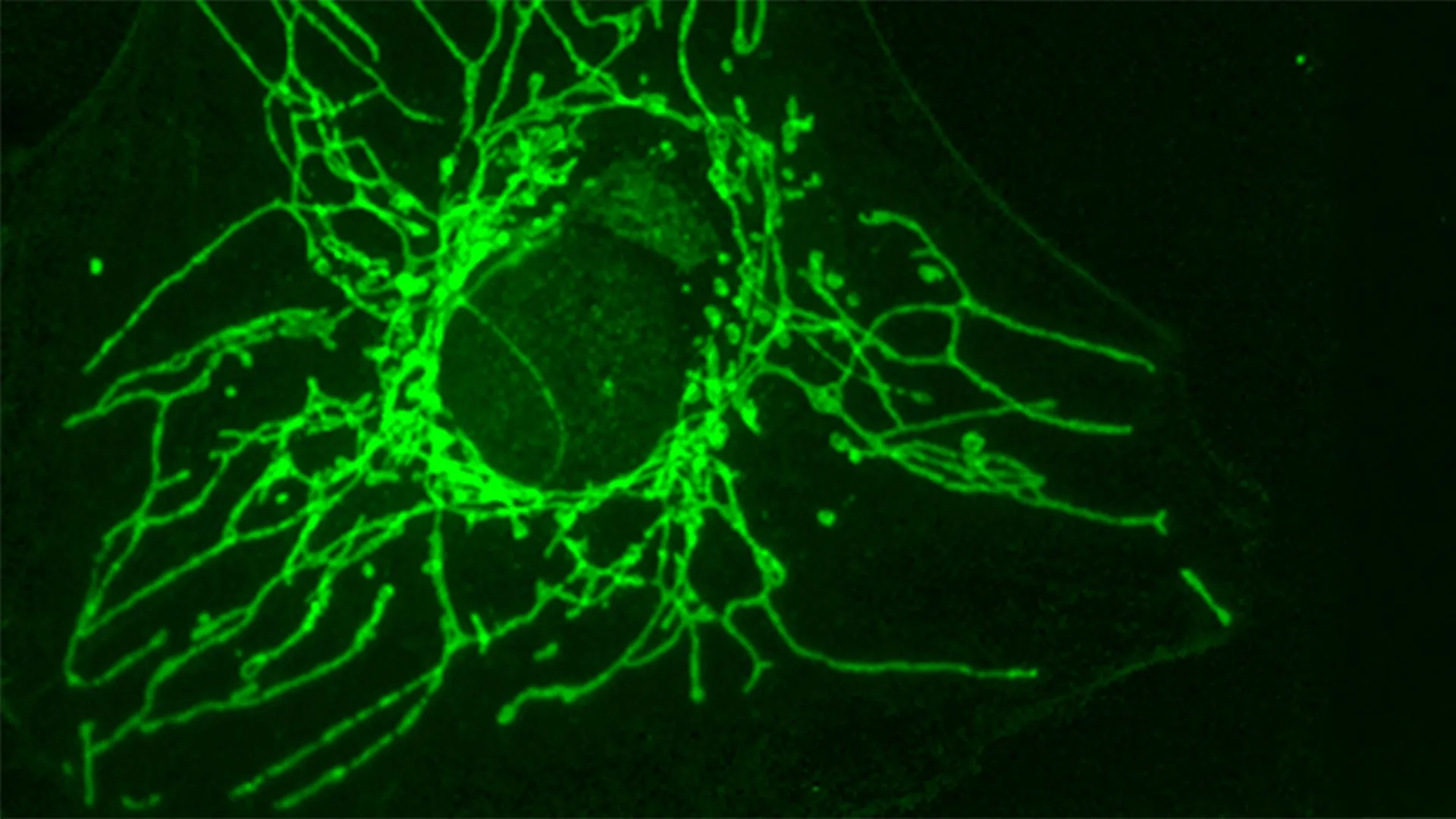
The conventional arsenal against cancer, including chemotherapy and radiation, primarily functions by attacking rapidly dividing cells. While effective at eradicating malignant growth, this indiscriminate approach often comes at a steep cost, harming healthy, rapidly proliferating cells such as those found in hair follicles, bone marrow, and the gastrointestinal tract. This collateral damage manifests as severe side effects – debilitating fatigue, nausea, hair loss, and compromised immune systems – profoundly impacting patients’ quality of life and, in some cases, necessitating treatment interruptions that can jeopardize efficacy. The urgent imperative in oncology research, therefore, is to engineer therapies that can discern cancerous cells from their healthy counterparts with unparalleled precision.
The Persistent Challenge of Cancer Selectivity
For decades, the fight against cancer has been characterized by a relentless pursuit of therapies that can selectively eradicate malignant cells without harming healthy tissue. Early chemotherapies, while revolutionary in their time, were blunt instruments, effectively poisoning any rapidly dividing cell. This inherent lack of selectivity has been a defining feature, and indeed a major limitation, of many foundational cancer treatments. While advancements in targeted therapies – drugs designed to interfere with specific molecules involved in cancer growth and progression – have marked a significant paradigm shift, even these sophisticated agents can have off-target effects or encounter resistance mechanisms, necessitating a continuous evolution in treatment strategies.
Globally, cancer remains a leading cause of mortality, with an estimated 19.3 million new cases and nearly 10 million deaths reported in 2020. The World Health Organization projects a substantial increase in cancer incidence over the coming decades, underscoring the critical need for novel, more effective, and humane treatment modalities. The debilitating side effects of current treatments not only diminish patients’ immediate well-being but can also lead to long-term health complications, reduced adherence to treatment protocols, and, tragically, a diminished will to fight. Developing agents that can precisely distinguish and neutralize cancer cells while leaving normal tissues unharmed is not merely a scientific ambition; it is a profound ethical and clinical necessity.
Unpacking Amino Acids: The Chiral Conundrum
To appreciate the subtlety of this new therapeutic strategy, one must delve into the fundamental chemistry of life itself: amino acids. These small, organic molecules are the monomeric building blocks that link together, like beads on a string, to form proteins – the workhorses of biological systems. From enzymes catalyzing biochemical reactions to structural components of cells and signaling molecules, proteins perform an astonishing array of functions essential for all known forms of life. There are 20 standard amino acids that serve as the universal lexicon for protein construction across species, from bacteria to humans.
A fascinating aspect of amino acid chemistry, central to the UNIGE-Marburg discovery, is chirality. Most amino acids, with the exception of glycine, exist in two distinct forms that are non-superimposable mirror images of each other, much like a person’s left and right hands. These forms are known as enantiomers or stereoisomers, and they are designated as L (levorotatory) or D (dextrorotatory). While chemically identical in terms of their atomic composition, their three-dimensional spatial arrangement differs, which can profoundly impact their biological interactions. Strikingly, life on Earth, particularly human biology, almost exclusively utilizes the L-forms of amino acids to construct proteins. The D-forms are rarely incorporated into human proteins, although they do play specialized roles in certain bacterial cell walls and some neurological processes. This biological preference for L-amino acids has historically rendered D-amino acids largely overlooked in therapeutic contexts, making their potential utility in cancer treatment a particularly intriguing avenue of research.
Cysteine, the specific amino acid under investigation, is unique among the 20 standard amino acids due to its sulfur-containing side chain (thiol group). This sulfur atom makes cysteine a critical player in protein structure and function, particularly in forming disulfide bonds that stabilize protein folding. Its involvement in redox reactions also makes it vital for cellular antioxidant defenses. The researchers’ focus on D-cysteine thus leverages both the unique chirality of D-amino acids and the specific biochemical properties of cysteine.
The Discovery: D-Cysteine’s Selective Strike
The journey towards this discovery began with meticulous laboratory experiments at the University of Geneva, under the leadership of Honorary Professor Jean-Claude Martinou in the Department of Molecular and Cellular Biology. Professor Martinou and his team embarked on a systematic exploration of how various amino acid forms, including their less-common D-enantiomers, might influence the proliferation of cancer cells. Their initial in vitro screens yielded a compelling result: the D-version of cysteine (D-Cys) exhibited a potent and selective suppressive effect on the growth of specific cancer cell lines, while remarkably leaving healthy cells largely unaffected.
"Our early experiments provided a clear signal that D-Cys possessed a unique selectivity," Professor Martinou elaborated, reflecting on the initial findings. "We observed a robust inhibition of cancer cell proliferation, which was notably absent in our control healthy cell cultures. This differential response immediately indicated a potential therapeutic window."
The key to this selectivity, as subsequent investigations revealed, lies in the differential expression of a specific cellular transporter. Cancer cells, driven by their insatiable metabolic demands for rapid growth and division, often upregulate the expression of certain nutrient transporters on their surface to efficiently scavenge resources from their environment. The research team identified that D-Cys is imported into cells via one such specific transporter, which, critically, is present in high abundance only on the surface of certain cancer cells, and largely absent or expressed at much lower levels in healthy cells.
Joséphine Zangari, a PhD student in Professor Martinou’s laboratory and the first author of the groundbreaking study, elucidated this crucial mechanism: "This profound difference between cancer cells and healthy cells provides a straightforward explanation for D-Cys’s selectivity. The molecule gains entry into the cell primarily through a specific transporter that serves as a ‘gatekeeper,’ present predominantly on the surface of specific cancer cells. This is not a subtle difference; it’s a fundamental disparity in cellular architecture that we are exploiting."
To rigorously confirm this hypothesis, the researchers conducted a decisive experiment. They engineered healthy cells, which normally lack this specific transporter, to artificially express it on their surface. As predicted, these otherwise healthy cells, once equipped with the cancer-associated transporter, ceased proliferating when exposed to D-Cys. This elegant experiment provided irrefutable evidence that the presence of this specific transporter is the critical determinant of D-Cys’s ability to exert its anti-proliferative effects, establishing a clear mechanistic link between transporter expression and therapeutic vulnerability.
Disrupting the Cancer Cell’s Powerhouse: Mechanism of Action
Understanding how D-Cys entered cancer cells was only half the battle; the next crucial step was to uncover what it did once inside. This endeavor led to a fruitful collaboration with Professor Roland Lill and his team at the University of Marburg, renowned experts in cellular biochemistry and mitochondrial biology. Their combined efforts meticulously unraveled the precise molecular mechanism by which D-Cys sabotages the internal machinery of cancer cells.
Their findings pointed directly to the mitochondria, often dubbed the "powerhouses" of the cell. These intricate organelles are responsible for generating the vast majority of a cell’s energy currency, ATP, through a process known as cellular respiration. Beyond energy production, mitochondria are central hubs for numerous critical metabolic pathways, including the synthesis of lipids, amino acids, and nucleotide precursors. Their proper functioning is absolutely indispensable for cell survival and proliferation.
Within the mitochondria, the research team identified a crucial enzyme named NFS1 (Nitrosylase Family Sulfurtransferase 1) as the primary target of D-Cys. Professor Lill explained the enzyme’s critical role: "NFS1 is an essential enzyme located within the mitochondrial matrix, playing a pivotal role in the biogenesis of iron-sulfur clusters. These small, yet profoundly important, structures are indispensable cofactors for a wide array of proteins involved in fundamental cellular processes."
Iron-sulfur clusters are ancient and ubiquitous prosthetic groups, vital for the function of enzymes involved in processes as diverse as cellular respiration (e.g., in the electron transport chain), DNA and RNA synthesis (e.g., ribonucleotide reductase), DNA repair, and maintaining genetic integrity. Their disruption thus has far-reaching consequences for a cell’s viability.
When D-Cys enters the cancer cell, it acts as a potent inhibitor of NFS1. By blocking this essential enzyme, D-Cys effectively halts the production of iron-sulfur clusters. The downstream effects are catastrophic for the cancer cell:
- Reduced Cellular Respiration: Enzymes in the electron transport chain, crucial for energy generation, become dysfunctional without their iron-sulfur cofactors, leading to a severe energy deficit.
- DNA Damage: Enzymes involved in DNA synthesis and repair are compromised, resulting in an accumulation of DNA lesions. This genomic instability can trigger programmed cell death (apoptosis) or, at the very least, halt cell division.
- Cell Cycle Arrest: With critical metabolic pathways disrupted and DNA integrity compromised, the cell’s internal checkpoints detect severe damage and prevent further progression through the cell cycle, effectively stopping the cell from growing and dividing.
Together, these interconnected disruptions dismantle the cancer cell’s ability to generate energy, replicate its genetic material, and maintain its structural integrity, ultimately preventing its continued growth and division.
Translating Lab Insights to Living Systems: In Vivo Validation
The ultimate test of any potential therapeutic strategy lies in its efficacy and safety within a living organism. To this end, the scientists moved from in vitro cell culture experiments to in vivo studies using animal models. They administered D-cysteine to mice that had been implanted with aggressive mammary tumors – a particularly challenging cancer type known for its rapid progression and resistance to many conventional treatments. This choice of model was deliberate, aiming to assess D-cysteine’s potential against a highly aggressive form of the disease, thereby providing more robust insights into its clinical relevance.
The results of these preclinical trials were highly encouraging and represented a critical validation of their hypothesis. The mice treated with D-cysteine exhibited a significant slowing of tumor growth compared to untreated control groups. Crucially, and perhaps most importantly for its therapeutic potential, the animals did not display any major side effects typically associated with conventional cytotoxic therapies. This observation strongly supported the notion that D-cysteine’s selective uptake by cancer cells translated into a favorable toxicity profile in a complex biological system.
"This is an exceptionally positive signal," affirmed Professor Jean-Claude Martinou, acknowledging the promise of the in vivo data. "It provides concrete evidence that we can indeed exploit this metabolic specificity to selectively target certain cancer cells within a living organism. The lack of observed systemic toxicity in the mice is particularly encouraging, as it addresses one of the most pressing issues in current cancer treatment."
However, Professor Martinou also tempered this optimism with scientific prudence, emphasizing the rigorous journey ahead: "While these preclinical results are robust, we are still at an early stage. We must now determine, through further extensive research and clinical trials, whether D-Cys can be administered at doses that are both effective in humans and, equally important, entirely safe, without causing any unforeseen harm."
Broader Implications and Future Horizons
The implications of the D-cysteine discovery are far-reaching, potentially influencing the landscape of oncology in several critical ways.
Advancing Precision Oncology: This strategy perfectly aligns with the principles of precision oncology, wherein treatments are tailored to the specific molecular characteristics of a patient’s tumor. By targeting a transporter that is selectively overexpressed in certain cancer cells, D-cysteine offers a highly specific therapeutic window. Future research will undoubtedly focus on identifying which specific cancer types exhibit high levels of this D-cysteine transporter, thereby allowing for the stratification of patients who would most likely benefit from this therapy. This biomarker-driven approach promises to minimize trial-and-error in treatment selection and maximize therapeutic efficacy.
Targeting Metabolic Vulnerabilities: The study underscores the growing understanding of cancer as a metabolic disease. Cancer cells often rewire their metabolism to support their rapid proliferation, creating unique vulnerabilities that can be therapeutically exploited. D-cysteine’s disruption of mitochondrial iron-sulfur cluster biogenesis taps directly into one such fundamental metabolic Achilles’ heel, validating metabolic intervention as a powerful strategy in cancer therapy. This opens doors for exploring other unique metabolic dependencies in various cancer types.
Potential for Metastasis Prevention: Metastasis, the spread of cancer cells from the primary tumor to distant sites, is the leading cause of cancer-related mortality. The aggressive nature of the mammary tumors tested in mice, combined with the observed slowing of tumor progression, hints at D-cysteine’s potential role in inhibiting the metastatic cascade. By curbing the primary tumor’s growth and potentially impacting the overall metabolic fitness of cancer cells, D-cysteine might reduce their capacity to invade surrounding tissues and establish secondary tumors. This aspect warrants dedicated future investigation, as an effective anti-metastatic agent would represent a monumental breakthrough.
The Path to Clinical Translation: While the preclinical data are compelling, the journey from laboratory discovery to an approved human therapy is long and arduous. It involves rigorous phases of clinical trials to assess safety, optimal dosing, efficacy, and long-term outcomes in human patients. Researchers will need to develop effective and safe methods for D-cysteine administration in humans, investigate its pharmacokinetics (how the body absorbs, distributes, metabolizes, and excretes the drug) and pharmacodynamics (what the drug does to the body), and identify any potential adverse effects that might not have manifested in animal models.
Combination Therapies: It is plausible that D-cysteine, if proven safe and effective, could be integrated into existing treatment regimens. Its selective mechanism of action suggests it could potentially be combined with other targeted therapies or even traditional chemotherapies to enhance overall anti-tumor efficacy while mitigating the systemic toxicity often associated with broad-spectrum agents. Such combination strategies could lead to synergistic effects, allowing for lower doses of each agent and potentially reducing side effects.
Expert Perspectives on the Horizon
"This research represents a fascinating and highly promising avenue in precision oncology," commented Dr. Evelyn Reed, an independent pharmacologist specializing in novel drug development, who was not involved in the study. "The elegant use of a D-amino acid to specifically disrupt a critical metabolic pathway, coupled with the clear evidence of transporter-mediated selectivity, is exactly the kind of innovative thinking we need in cancer research. The preclinical results, particularly the lack of major side effects in mice with aggressive tumors, are a strong foundation. The next steps in human trials will be crucial to determine its full therapeutic potential and the spectrum of cancers it could effectively treat. It’s a testament to the power of basic science in unraveling fundamental biological differences that can be leveraged for therapeutic gain."
In conclusion, the discovery of D-cysteine’s selective anti-cancer activity by the Universities of Geneva and Marburg marks a pivotal moment in the ongoing battle against cancer. By intelligently exploiting the subtle, yet profound, differences in cellular metabolism and transporter expression between healthy and malignant cells, this research opens the door to a new generation of highly precise and potentially less toxic cancer therapies. While significant challenges lie ahead in the arduous process of clinical translation, the promise of D-cysteine as a simple, selective, and potent agent offers a renewed sense of optimism for patients and clinicians alike, bringing closer the vision of a future where cancer treatments are as kind to the patient as they are harsh on the disease.
