
 By Suherman Candra Maholtra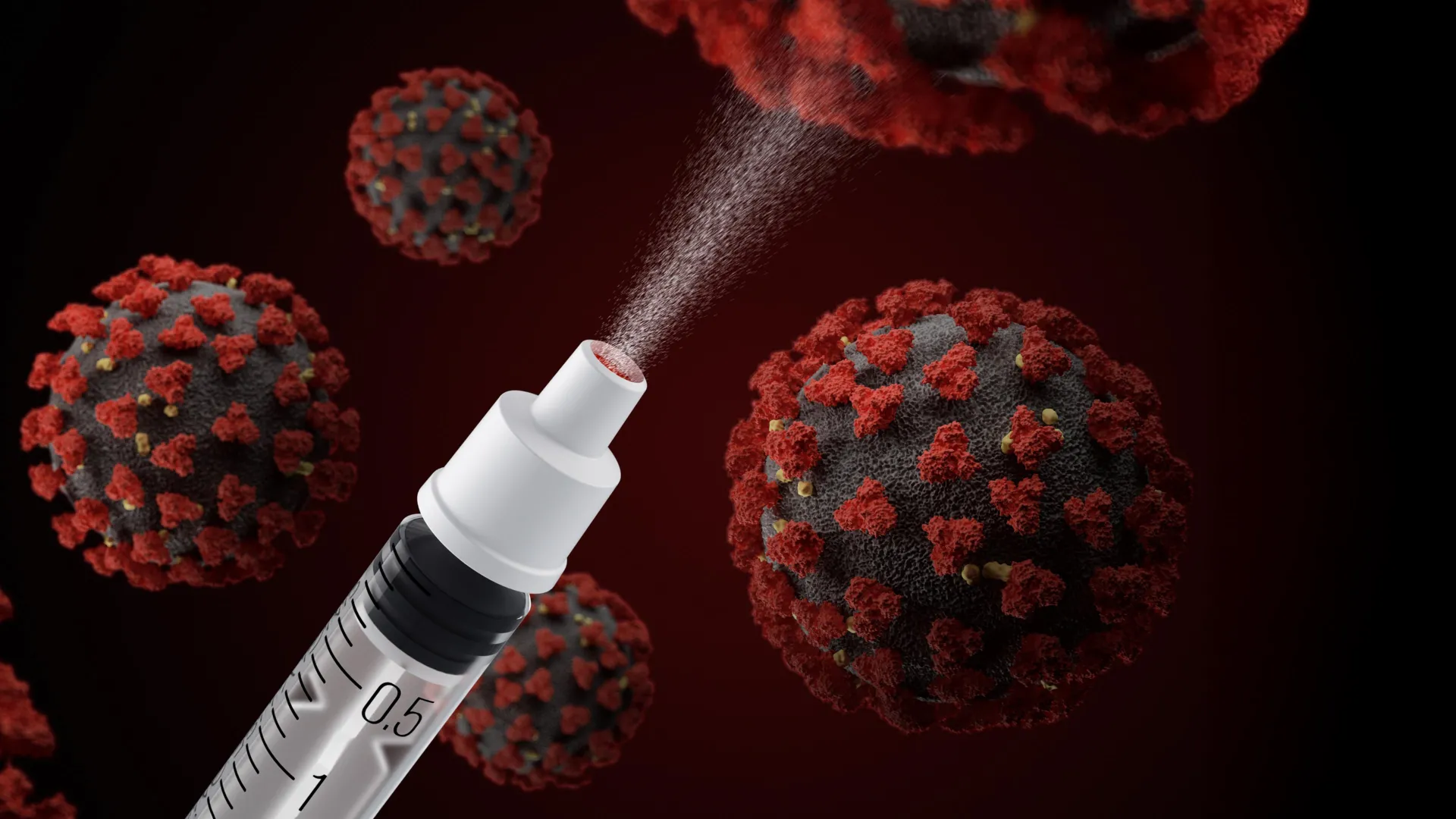
In a paradigm-shifting advancement for immunology, researchers at Stanford Medicine and a consortium of global collaborators have announced the development of an experimental universal vaccine delivered intranasally that demonstrates broad-spectrum protection against a diverse array of respiratory threats. The study, published on February 19 in the journal Science, details a breakthrough that could fundamentally alter the landscape of preventive medicine. By moving beyond the traditional "one-pathogen, one-vaccine" model, the research team has successfully shielded laboratory mice from various strains of coronaviruses, highly resilient hospital-acquired bacteria, and common environmental allergens using a single synthetic formulation.
The implications of this discovery are profound, potentially offering a solution to the "Red Queen’s Race" of viral evolution, where pathogens mutate faster than traditional vaccines can be updated. According to senior author Bali Pulendran, PhD, the Violetta L. Horton Professor II and professor of microbiology and immunology at Stanford, the level of cross-protection observed across unrelated biological kingdoms—viruses, bacteria, and even non-living allergens—exceeded all initial scientific expectations. If the results translate to human subjects, this nasal spray could replace the cumbersome cycle of annual boosters and provide an immediate first line of defense against future pandemic-level pathogens.
The Evolution of Vaccinology: Beyond Antigen Specificity
To understand the magnitude of the Stanford discovery, one must look at the 230-year history of immunization. Since Edward Jenner’s pioneering work with cowpox to prevent smallpox in the late 18th century, the cornerstone of vaccinology has been "antigen specificity." This strategy involves introducing the immune system to a specific "fingerprint" of a pathogen—such as the spike protein of the SARS-CoV-2 virus—allowing the body to recognize and neutralize that specific invader upon future exposure.
While highly effective for stable pathogens, this approach struggles against "shapeshifting" viruses. Influenza and coronaviruses frequently mutate the proteins on their surfaces, rendering previous antibodies less effective. This biological reality necessitates the constant reformulation of seasonal flu shots and COVID-19 boosters. Pulendran likens these mutating pathogens to a leopard changing its spots; current vaccines are trained to recognize only one specific pattern of spots, leaving the body vulnerable when the pattern shifts.
Previous attempts to create "universal" vaccines have largely focused on targeting the "stalk" or internal components of viruses that mutate less frequently. However, these efforts are typically restricted to a single family of viruses, such as all influenza strains. The Stanford team took a more radical approach, questioning whether the body’s general defense mechanisms could be "trained" to remain in a state of high alert across all respiratory threats, regardless of the specific pathogen’s identity.
Unlocking the Synergy of Innate and Adaptive Immunity
The human immune system is divided into two primary branches: innate and adaptive. The innate immune system is the body’s first responder, reacting within minutes to any perceived foreign invader through cells like macrophages and neutrophils. However, this response is generally short-lived and lacks memory. The adaptive immune system, conversely, is slow to start but highly specific, creating T cells and antibodies that can remember a specific pathogen for years.
The breakthrough at Stanford lies in the discovery of a way to link these two systems in a coordinated, long-lasting loop. The researchers observed that while innate immunity usually fades within days, certain triggers can cause it to persist for months. This phenomenon, often called "trained immunity," was previously observed in the Bacillus Calmette-Guérin (BCG) vaccine for tuberculosis. Data from global health organizations has long suggested that infants receiving the BCG vaccine have lower mortality rates from unrelated infections, hinting at a "cross-protective" effect that science could not fully explain until recently.
In 2023, Pulendran’s lab identified the mechanism: specific T cells (part of the adaptive system) can be recruited to the lungs where they send continuous signals to innate immune cells, keeping them in an "active" state. By replicating this signal synthetically, the Stanford team created a vaccine that maintains a fortified "border patrol" in the respiratory tract, ready to intercept any intruder before it can establish a foothold.
Chronology of a Breakthrough: From Theory to Mouse Models
The journey toward this universal vaccine accelerated two and a half years ago when the team hypothesized that a synthetic nasal spray could mimic the protective effects of the BCG vaccine without the need for a live pathogen. Lead author Haibo Zhang, PhD, a postdoctoral scholar in Pulendran’s lab, spearheaded the development of the new formulation, currently designated as GLA-3M-052-LS+OVA.
The experimental timeline involved several key stages:
- Formulation Design: The team combined a toll-like receptor (TLR) stimulant—which alerts the innate system—with a harmless protein called ovalbumin (OVA). The OVA acts as a "lure" to draw T cells into the lung tissue.
- Administration: Laboratory mice were given the vaccine intranasally, mimicking how a human nasal spray would function.
- Viral Testing: Vaccinated mice were exposed to lethal doses of SARS-CoV-2 and other coronaviruses.
- Bacterial Testing: The mice were later challenged with Staphylococcus aureus (Staph) and Acinetobacter baumannii, two of the most common and dangerous bacteria found in hospital settings.
- Allergen Testing: Finally, the mice were exposed to house dust mites to see if the modified immune environment would alter allergic inflammation.
The results across all stages were consistent. In the viral trials, unvaccinated mice suffered severe weight loss and high mortality rates, with their lungs showing massive viral loads and inflammation. In contrast, the vaccinated mice showed a 700-fold reduction in viral levels and a 100% survival rate.
Experimental Data: The "Double Whammy" Effect
The data collected during the study reveals what Pulendran describes as a "double whammy" of immune protection. The vaccine creates a two-layer defense system that significantly compresses the body’s reaction time.
In a typical unvaccinated subject, it takes approximately 14 days for the adaptive immune system to produce a robust response to a new virus. The Stanford study found that in mice treated with the universal nasal spray, the "alert" state of the lungs allowed the adaptive system to launch virus-specific T cells and antibodies in just three days.
Key statistical findings include:
- Viral Reduction: A 700-fold decrease in viral titers within the lung tissue compared to control groups.
- Longevity: Protection remained robust for at least three months following the final dose.
- Bacterial Efficacy: Similar levels of protection were observed against Acinetobacter baumannii, a "superbug" often resistant to multiple antibiotics.
- Allergic Response: Mice exposed to dust mites showed significantly lower Th2 responses (the pathway responsible for asthma and allergies) and minimal mucus accumulation compared to the control group.
This multifaceted protection suggests that the vaccine does not just "attack" invaders but rather optimizes the entire immunological environment of the respiratory tract, making it hostile to pathogens while remaining regulated against overreactions like allergies.
Global Health Implications and the Fight Against Antimicrobial Resistance
The potential impact of a universal respiratory vaccine extends far beyond the convenience of fewer shots. From a public health perspective, such a tool could be a decisive weapon against the growing threat of antimicrobial resistance (AMR). By providing non-specific protection against bacterial infections like S. aureus, the vaccine could reduce the global reliance on antibiotics, slowing the evolution of drug-resistant "superbugs."
Furthermore, the vaccine’s efficacy against allergens presents a new frontier for treating chronic respiratory conditions. Allergic asthma affects over 260 million people worldwide, according to the World Health Organization (WHO). A vaccine that can "re-train" the lung’s immune response to ignore harmless allergens like dust mites while remaining vigilant against viruses would be a revolutionary shift in allergy management.
The economic implications are equally significant. Seasonal respiratory illnesses cost the global economy billions of dollars annually in lost productivity and healthcare expenses. A single, broad-spectrum nasal spray administered every few months could drastically reduce the burden on primary care facilities and emergency rooms during "tripledemic" seasons (flu, COVID-19, and RSV).
Future Clinical Pathways and the Road to Human Implementation
While the mouse study is a landmark achievement, the transition to human application requires rigorous validation. The research team, which includes experts from Emory University, the University of North Carolina at Chapel Hill, and other institutions, is now preparing for Phase I clinical trials. These trials will focus primarily on safety and dosage in humans.
Pulendran estimates that with adequate funding and successful trial phases, a universal respiratory vaccine could be commercially available within five to seven years. The proposed human regimen would likely involve two doses of a nasal spray.
"Imagine getting a nasal spray in the fall months that protects you from all respiratory viruses including COVID-19, influenza, respiratory syncytial virus and the common cold, as well as bacterial pneumonia and early spring allergens," Pulendran stated. "That would transform medical practice."
The research was supported by the National Institutes of Health (NIH), the Violetta L. Horton Professor endowment, the Soffer Fund, and Open Philanthropy. As the scientific community looks toward a post-pandemic future, the Stanford study provides a blueprint for a proactive, rather than reactive, approach to global health, moving the world one step closer to the once-mythical goal of universal immunity.
