
 By admin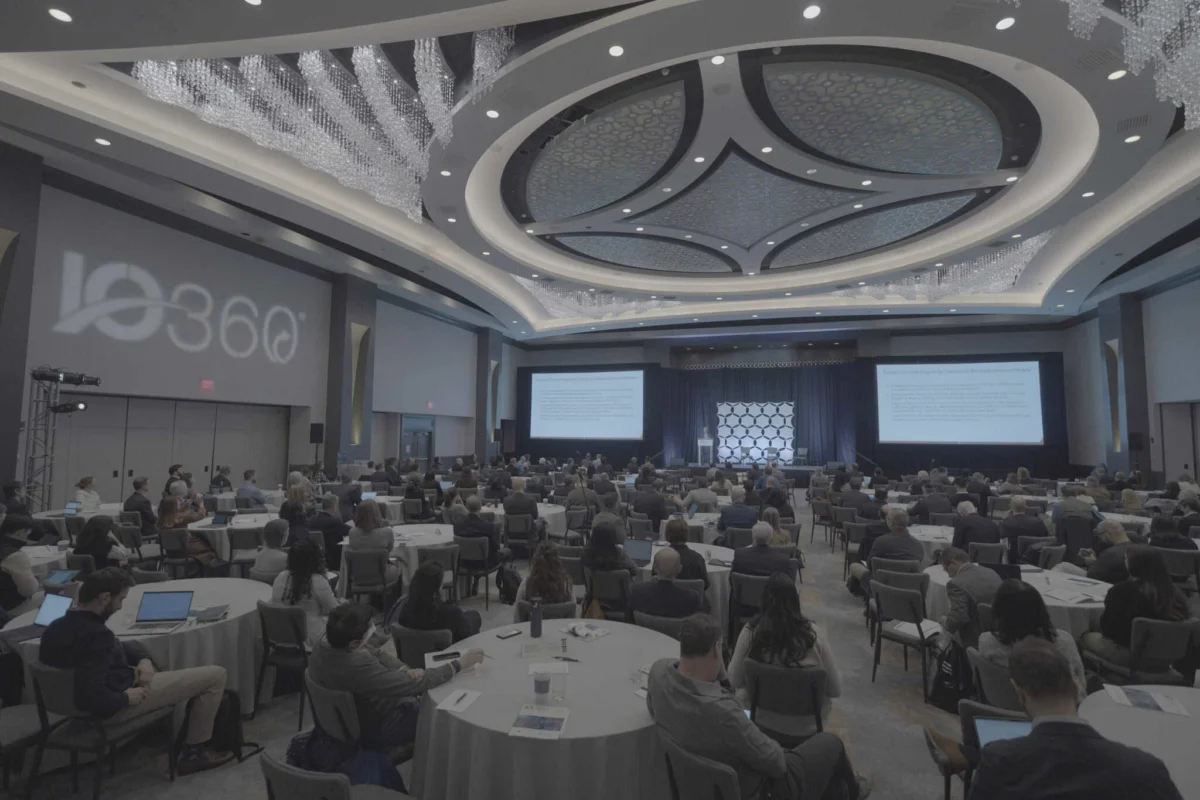
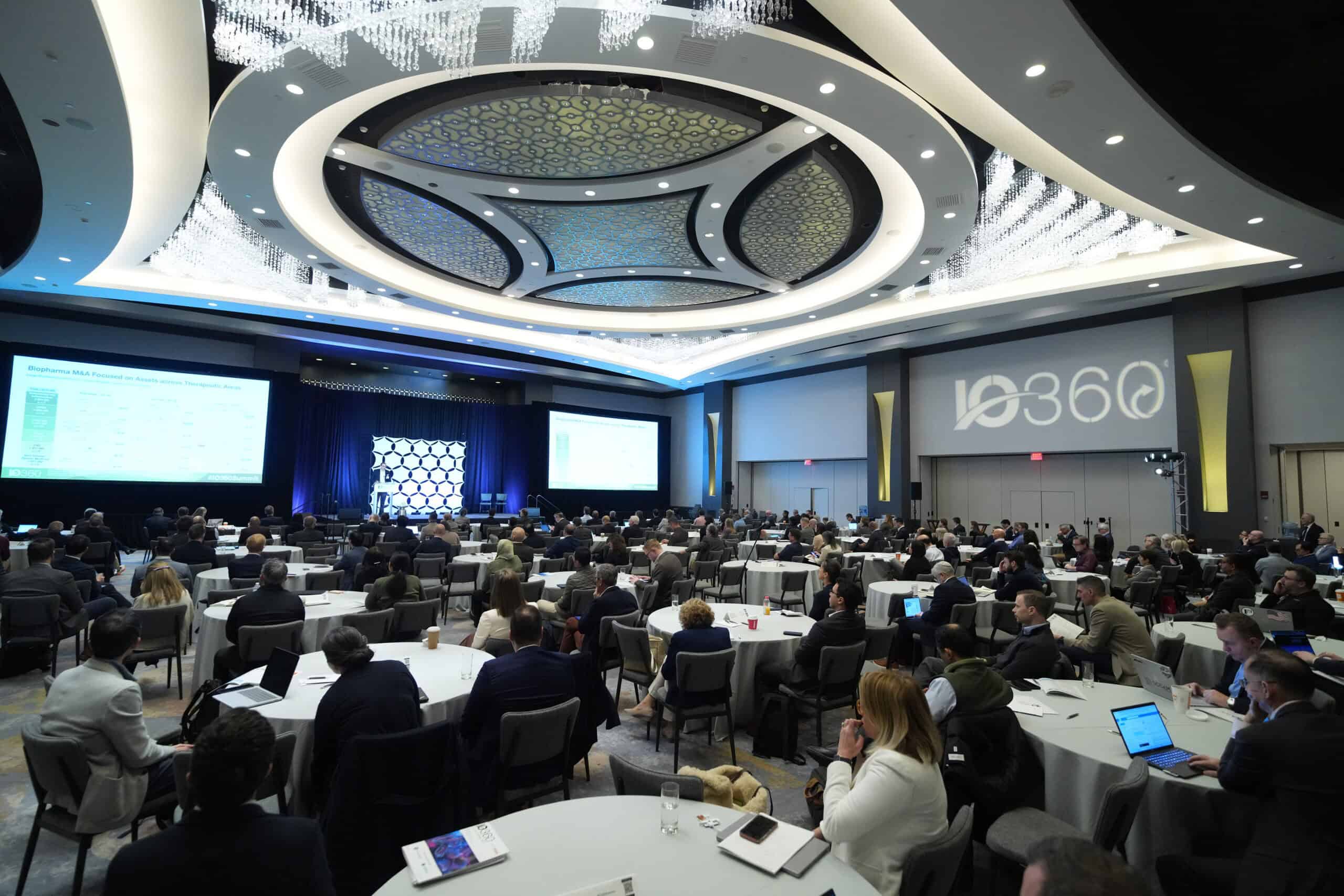
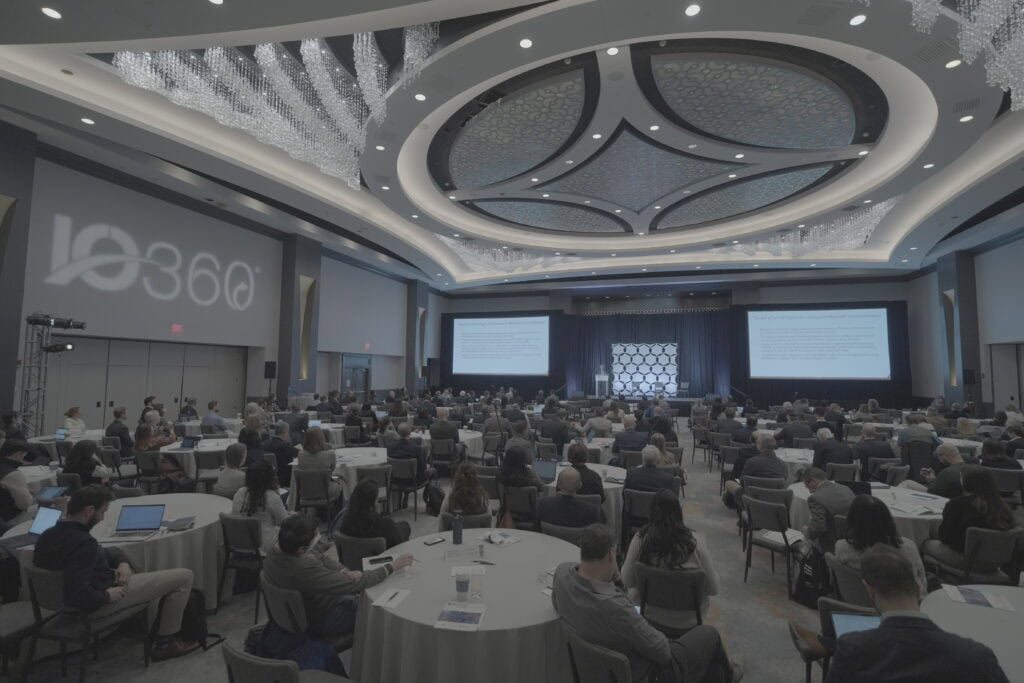
The annual IO360° Summit, held in February in Boston, Massachusetts, served as a crucial nexus for hundreds of leading researchers, clinicians, patient advocates, and biotech innovators to converge and dissect the latest advancements in cancer immunotherapy. This three-day event, set against the backdrop of Boston’s thriving biotechnology ecosystem, underscored the profound evolution of treatments that leverage the body’s own immune system to combat malignancies. From groundbreaking decade-long survival data to revolutionary next-generation therapies and the burgeoning applications of artificial intelligence, the summit painted a vivid picture of a field rapidly progressing from experimental frontiers to established, life-altering clinical realities.
A New Horizon for Cancer Survival: The CheckMate-067 Legacy
A cornerstone of the summit was the recognition of Dr. Jedd Wolchok of Weill Cornell Medicine, a distinguished member of the Cancer Research Institute’s (CRI) Scientific Advisory Council, who was honored with the prestigious IO360° Lifetime Achievement Award. Dr. Wolchok’s presentation was particularly compelling, offering a comprehensive 10-year follow-up analysis from the seminal CheckMate-067 trial in advanced melanoma. The data revealed a striking sustained benefit: patients receiving the combination of nivolumab (a PD-1 inhibitor) and ipilimumab (a CTLA-4 inhibitor) achieved an overall survival rate of 43%. This significantly surpassed outcomes for nivolumab alone (37%) and ipilimumab alone (19%).
These figures are not merely statistical; they represent a monumental shift in the prognosis for a disease once considered a death sentence. Just 15 years ago, patients with advanced melanoma faced a grim median survival of less than one year, often succumbing within six to eight months. The CheckMate-067 results, showcasing durable remission in a substantial subset of patients, epitomize how immunotherapy has fundamentally reshaped the treatment landscape, transforming once-terminal diagnoses into conditions amenable to long-term management and, in many cases, cure. The medical community widely acknowledges this trial as a pivotal moment, cementing immune checkpoint blockade as a standard of care and inspiring further research into combination strategies across various cancer types. The patient panel, featuring individuals like stage 4 melanoma survivor Brendan Connors, vividly humanized these statistics, illustrating the profound real-world impact on the lives of young individuals confronting advanced cancer. Their stories serve as powerful testaments to the paradigm shift heralded by these therapeutic breakthroughs.
Revolutionizing Cell Therapies: Faster, Cheaper, More Accessible
Traditional CAR T-cell therapy, while revolutionary for certain blood cancers, presents significant challenges. It involves a complex, multi-week process of extracting a patient’s T-cells, genetically engineering them in a laboratory to target cancer cells, expanding them, and then reinfusing them. This intricate manufacturing process contributes to its high cost, often exceeding $400,000, and limits its accessibility due to logistical hurdles and the time required.
The summit showcased promising innovations aimed at overcoming these limitations. AstraZeneca presented a novel approach that seeks to reprogram immune cells directly inside the patient’s body using specially designed viral vectors. This in-vivo method bypasses the need for external cell manipulation, dramatically shortening the treatment timeline from weeks to mere days. In a very small, early-phase cohort of multiple myeloma patients, all four individuals responded to the therapy, with two achieving complete remissions. This accelerated turnaround time and potential for reduced cost could significantly broaden the reach of cell therapies, making them more feasible for a wider patient population and for use in settings where rapid intervention is critical.
Further expanding the therapeutic arsenal, BobcatBio introduced another innovative strategy focusing on hyperactivating macrophages, the body’s natural "pac-man" cells, to destroy cancer. Unlike CAR T-cells, which require genetic engineering to target specific antigens, this approach aims to harness the innate immune system more broadly. The treatment is designed to be "off-the-shelf," meaning it can be frozen and stored for repeat dosing, and is engineered to work irrespective of a tumor’s specific genetic mutations. This universality holds immense promise for treating a broader spectrum of cancers, including challenging solid tumors and various blood cancers, by providing a readily available and adaptable therapeutic option. These advancements signal a crucial pivot toward more efficient, cost-effective, and scalable cell-based immunotherapies.
When Immunotherapy Makes Surgery Optional: A Paradigm Shift in Treatment Strategy
Perhaps some of the most staggering data presented came from Dr. Andrea Cercek at Memorial Sloan Kettering Cancer Center, who detailed an immunotherapy-first approach for patients with early-stage cancers exhibiting a mismatch repair deficiency (dMMR). dMMR tumors possess a specific genetic signature that makes them highly vulnerable to immune checkpoint inhibitors. In a cohort of 103 such patients, an astonishing 82% experienced complete tumor disappearance after just six months of immunotherapy treatment alone.
These remarkable results were so compelling that approximately 80% of these patients chose to forgo traditional surgery entirely. This outcome is particularly life-changing for patients with rectal cancer, where surgery often entails significant morbidity, including the potential for permanent colostomy bags and severe impacts on quality of life. The ability to achieve complete remission without invasive surgery represents a monumental leap forward, offering patients not only effective treatment but also the preservation of bodily function and dignity. Dr. Cercek’s team also identified a critical predictive biomarker: patients whose circulating tumor DNA (ctDNA) – fragments of cancer cells detectable in the bloodstream – disappeared quickly were highly likely to achieve complete responses. This predictive capability further refines patient selection and treatment monitoring. Recognizing its immense potential, the FDA granted this treatment approach breakthrough designation in late 2024, signaling its expedited path toward broader clinical availability.

In another significant development, the IMforte trial offered a ray of hope for patients battling small-cell lung cancer (SCLC), one of the deadliest and most aggressive forms of the disease with historically poor prognoses. Researchers discovered that continuing treatment with a combination of two drugs, lurbinectedin and atezolizumab, after initial chemotherapy could significantly prolong disease control. Patients receiving this combination lived nearly three months longer (13.2 months vs. 10.6 months) and experienced more than double the time before their cancer progressed (5.4 months vs. 2.1 months) compared to those receiving atezolizumab alone. Crucially, these improvements were achieved with manageable side effects, a critical consideration in SCLC where patients are often frail. This study marked the first time improvements in both overall survival and progression-free survival were demonstrated for SCLC with such a regimen, leading to its approval by the FDA as a new standard of care, offering a much-needed new option for patients facing this challenging diagnosis.
Targeting Cancer’s Support System: Beyond Direct Tumor Attack
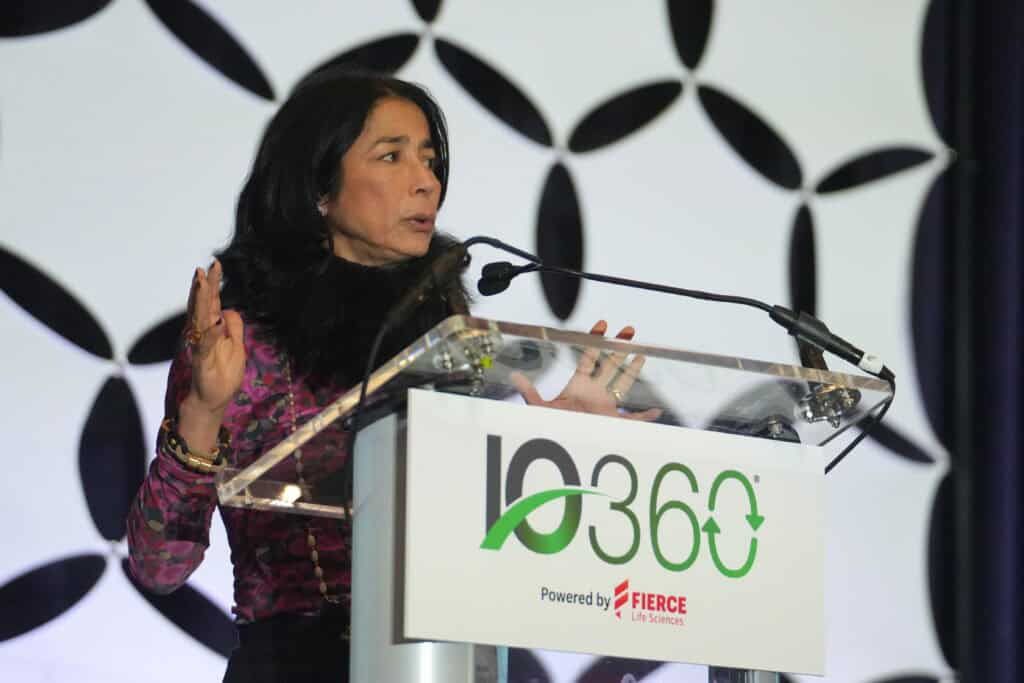
Immunotherapy’s frontier is expanding beyond directly targeting cancer cells to disrupting the tumor microenvironment (TME) – the complex ecosystem of cells, blood vessels, and signaling molecules that support tumor growth and protect it from immune attack. Dr. Miriam Merad from the Icahn School of Medicine at Mount Sinai presented fascinating research exploring novel ways to manipulate the TME.
Her work revealed an unexpected connection: allergy medicine could play a role in the fight against lung cancer. Tumors often secrete chemical messengers, such as interleukin-4 (IL-4), which act to suppress the immune system’s ability to recognize and destroy cancer cells. By blocking IL-4 with dupilumab, a drug commonly used for allergies and asthma, in combination with existing immunotherapy, one patient whose cancer had previously stopped responding saw nearly all their tumors vanish. While highly preliminary and requiring validation in larger clinical trials, this anecdotal success offers an intriguing signal for drug repurposing and highlights the potential of targeting immunosuppressive pathways within the TME.

Dr. Merad also shared research on engineered immune cells specifically designed to break down the protective barriers that tumors construct to hide from the immune system. These barriers, often composed of dense stromal tissue and immunosuppressive cells, physically impede immune cell infiltration. Her team’s innovative approach has shown dramatic success in preclinical models of lung and ovarian cancer, suggesting a potent strategy to "uncloak" tumors and render them vulnerable to immune attack. This work underscores a growing understanding that effective cancer therapy requires not just targeting the cancer cell itself, but also dismantling its protective and growth-promoting environment.
Artificial Intelligence: A Catalyst for Discovery in Cell Therapy
The integration of artificial intelligence (AI) into oncology research is rapidly accelerating the pace of discovery. During a pivotal panel discussion, Dr. Samik Upadhaya, the Cancer Research Institute’s (CRI) Director of Scientific Affairs, moderated a conversation with experts from the University of Pennsylvania Perelman School of Medicine and Immunai, focusing on AI’s transformative role in developing new cell therapies. The consensus was clear: AI possesses immense power in analyzing vast, complex biological datasets to identify promising cancer targets, predict patient responses, and optimize therapeutic strategies. However, the experts unequivocally stated that AI is a powerful tool, not a replacement for human scientific ingenuity and clinical expertise.
A key challenge highlighted was the critical need for high-quality, standardized data to effectively train AI models. The "garbage in, garbage out" principle holds true for AI, and the heterogeneity of biological data often hinders its full potential. To address this fundamental gap, Dr. Upadhaya emphasized CRI’s groundbreaking initiative, the CRI Discovery Engine. This ambitious program is designed to build a shared, AI-ready biological dataset at the pre-clinical level, providing researchers across the global oncology field with a common, robust foundation upon which to train and refine their AI algorithms. This collaborative data infrastructure is essential for moving AI from theoretical promise to practical application in drug discovery and development. While AI can significantly accelerate early-stage research by identifying patterns and generating hypotheses, the complex decisions regarding which treatments to advance to human trials, how to ensure their safety, and how to personalize them for individual patients still profoundly depend on the nuanced judgment and ethical considerations of human scientists and clinicians.
Looking Ahead: The Unwavering March Towards a Cancer-Free Future
The 2026 IO360° Summit vividly illustrated the remarkable journey of cancer immunotherapy – from a theoretical concept to an experimental therapy, and ultimately, to a cornerstone of modern cancer care delivering transformative outcomes for patients. For some cancers, what was once considered impossible has become a tangible reality:
- Long-term survival in advanced melanoma: Once a universally fatal diagnosis, durable remissions are now a significant possibility.
- Reduced need for invasive surgery: Immunotherapy alone can eliminate tumors in certain early-stage cancers, dramatically improving patient quality of life.
- Faster and more accessible cell therapies: Innovations are making personalized treatments less costly and more broadly available.
- Improved outcomes in aggressive cancers: Even historically intractable diseases like small-cell lung cancer are seeing improved survival rates.
- New avenues of attack: Targeting the tumor microenvironment and repurposing existing drugs are expanding the therapeutic landscape.
- Accelerated discovery through AI: Artificial intelligence is proving to be a powerful ally in identifying targets and streamlining research.
Despite these monumental strides, significant challenges persist. Not all patients respond to immunotherapy, and some develop resistance. Manufacturing costs, though decreasing, remain substantial, and the laborious process of translating groundbreaking discoveries from the laboratory bench to the patient’s bedside still takes years. Furthermore, understanding and mitigating potential toxicities, ensuring equitable access to these advanced therapies, and identifying novel targets for "cold" tumors that are less responsive to current immunotherapies remain active areas of research.
However, if the past decade has taught the scientific and medical communities anything, it is that what appears impossible today can become routine with remarkable speed and sustained effort. The palpable momentum generated by the IO360° Summit strongly indicates that the next decade will be equally, if not more, transformative. The advances presented underscore that sustained, strategic investment in fundamental and translational research over the past decades has laid the indispensable foundation for today’s breakthroughs. Continued robust support from governments, philanthropic organizations like the Cancer Research Institute, and the biotech industry will be absolutely essential to overcome remaining hurdles and extend the profound benefits of immunotherapy to an even greater number of patients worldwide, bringing humanity closer to a future where cancer is no longer a terminal diagnosis but a manageable or curable disease.
