
 By admin
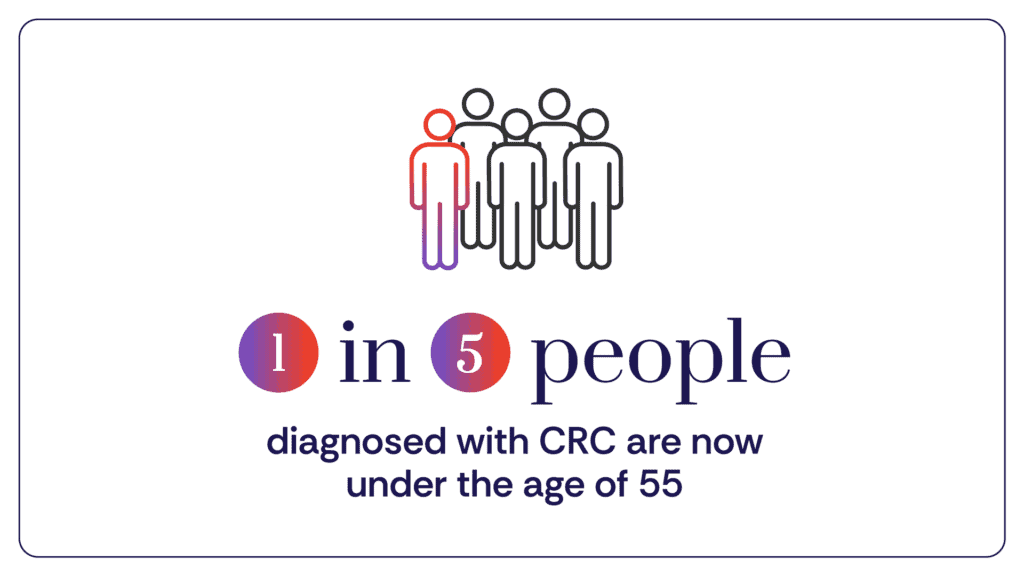
Colorectal cancer (CRC), once primarily associated with older age, is experiencing an alarming surge among younger adults, fundamentally shifting the demographic landscape of this formidable disease and necessitating a urgent re-evaluation of public awareness campaigns, screening protocols, and preventative strategies. This concerning trend reveals that approximately one in five CRC diagnoses now occurs in individuals under the age of 55, positioning it as a leading cause of cancer-related mortality within the younger population. While overall CRC incidence has seen a slight decline in the general population, cases among those under 50 are increasing by nearly 3% annually, underscoring a critical public health challenge that demands immediate and widespread attention. Understanding personal risk factors, recognizing subtle symptoms, and engaging in timely screening are no longer recommendations for the elderly but vital imperatives for adults across all age groups.
The Shifting Landscape: Colorectal Cancer in Younger Generations
Statistics and Trends
The stark reality of rising colorectal cancer rates among younger adults represents a significant epidemiological puzzle and a growing concern for healthcare systems worldwide. Data from organizations like the American Cancer Society (ACS) paint a clear picture: while overall incidence rates for CRC have decreased among individuals aged 65 and older due to increased screening and improved treatment, the trend for younger demographics is moving in the opposite direction. This paradoxical shift suggests that factors beyond traditional aging processes are at play, impacting a generation that historically faced lower risks. For instance, the ACS estimates that for 2026, roughly 108,860 new cases of CRC will be diagnosed in the U.S., accompanied by approximately 55,230 deaths. The lifetime risk remains sobering, with about 1 in 25 men and 1 in 26 women expected to develop CRC. However, the disproportionate rise in younger cohorts means that the disease is now interrupting lives at critical stages, affecting careers, family planning, and overall quality of life much earlier than anticipated. This trend is not confined to the United States but is observed globally, albeit with varying rates, indicating potential widespread environmental or lifestyle influences.
Potential Drivers Behind the Rise
The precise reasons for this dramatic increase in early-onset CRC are not yet fully understood, making it an active area of intense research. However, several potential contributing factors are under investigation. Lifestyle changes are frequently cited, including shifts towards more sedentary behaviors and diets characterized by high consumption of processed foods, red meats, and sugary drinks, coupled with insufficient intake of fiber, fruits, and vegetables. These dietary patterns are known to influence the gut microbiome, promote chronic inflammation, and contribute to obesity, all of which are established risk factors for CRC. Environmental exposures, though less defined, are also being explored. Furthermore, there is speculation regarding the role of antibiotic use early in life, which can disrupt the delicate balance of the gut microbiome, potentially leading to long-term implications for colon health. Another critical aspect is diagnostic delay; younger individuals and their healthcare providers may be less likely to consider CRC when symptoms first appear, often attributing them to less serious conditions like hemorrhoids, irritable bowel syndrome, or dietary issues. This delay in diagnosis can mean that when cancer is finally identified, it may be at a more advanced stage, making treatment more challenging and outcomes less favorable. The evolving understanding of genetic predispositions also plays a role, with ongoing research aiming to identify specific genetic markers that might contribute to early-onset CRC in individuals without a strong family history of the disease.
A Comprehensive Look at Colorectal Cancer
National Impact and Lifetime Risk
Colorectal cancer, encompassing both colon and rectal cancers, stands as the third most commonly diagnosed cancer and the third leading cause of cancer-related death for both men and women in the United States. Its pervasive impact extends beyond individual diagnoses, placing a substantial burden on healthcare systems and society at large. The sheer volume of new cases and associated fatalities underscores the critical need for effective prevention, early detection, and advanced treatment strategies. The estimated figures for 2026 highlight the persistent challenge CRC poses, with tens of thousands of lives projected to be lost annually. The lifetime risk, while an average, serves as a powerful reminder of the disease’s prevalence across the population. March, designated as Colorectal Cancer Awareness Month, serves as an annual focal point to amplify these messages, encourage open dialogue, and disseminate vital information about the disease. This dedicated month provides an opportunity for health organizations, medical professionals, and patient advocates to collaborate on educational campaigns, emphasizing the urgency of addressing CRC, particularly in light of the emerging trends in younger adults.
Deciphering Your Risk Profile
A confluence of factors, both modifiable and non-modifiable, shapes an individual’s susceptibility to developing colorectal cancer. Recognizing and understanding these elements is the first step toward proactive prevention and early intervention.
Modifiable Lifestyle Factors
Lifestyle choices significantly influence CRC risk, offering pathways for individuals to take proactive control over their health.
- Diet: A diet rich in processed and red meats (e.g., bacon, sausage, hot dogs, beef, lamb, pork) and low in dietary fiber, fruits, and vegetables is strongly correlated with an elevated CRC risk. The mechanisms involve potential carcinogens formed during high-temperature cooking of meats, as well as the role of fiber in promoting healthy bowel function and diluting carcinogens. The World Cancer Research Fund provides clear guidelines, recommending limiting red meat consumption to 12–18 ounces per week and minimizing processed meats altogether. Adopting a plant-rich diet can significantly mitigate this risk.
- Physical Inactivity and Obesity: Sedentary lifestyles and excess body weight are firmly linked to higher colorectal cancer incidence. Obesity, particularly abdominal obesity, is associated with chronic low-grade inflammation, insulin resistance, and altered hormone levels, all of which can foster cancer development. Regular physical activity, even moderate endeavors such as 30 to 60 minutes of brisk walking daily, can contribute to overall colon health by improving gut motility, reducing inflammation, and helping maintain a healthy weight.
- Smoking and Alcohol Use: Long-term smoking is a well-established risk factor for numerous cancers, including CRC, as carcinogens from tobacco smoke can be absorbed and travel to the colon. Similarly, heavy alcohol consumption (defined as more than one drink per day for women and more than two for men) increases CRC risk, likely through its metabolic byproducts and inflammatory effects. Quitting smoking and moderating alcohol intake represent two of the most impactful steps an individual can take to reduce their CRC risk. Healthcare providers can offer support and resources for those seeking to make these crucial lifestyle changes.
Non-Modifiable and Genetic Predispositions
While some risk factors are within an individual’s control, others are inherent.
- Age: While risk traditionally escalates significantly after age 50, the current rise in younger adult diagnoses highlights that awareness is crucial at every life stage. The shift in average diagnosis age underscores the evolving nature of the disease.
- Family History and Genetics: A personal or family history of colorectal cancer or adenomatous polyps significantly increases an individual’s risk. This is particularly true if first-degree relatives (parents, siblings, children) were diagnosed at a young age. Inherited genetic syndromes account for a smaller but significant proportion of CRC cases. These include:
- Lynch Syndrome (hereditary non-polyposis colorectal cancer or HNPCC): This is the most common inherited cause of CRC, resulting from mutations in mismatch repair genes, significantly increasing the risk of CRC and other cancers.
- Familial Adenomatous Polyposis (FAP): Caused by a mutation in the APC gene, FAP leads to the development of hundreds to thousands of adenomatous polyps in the colon and rectum, almost guaranteeing CRC development if untreated.
- MYH-associated Polyposis (MAP): A recessive disorder causing multiple colorectal polyps and an increased risk of CRC.
Individuals with these conditions require specialized screening protocols, often beginning in their teens or early twenties, with more frequent surveillance. Genetic counseling and testing are critical for affected families.
- Race and Ethnicity: Persistent health disparities mean that certain racial and ethnic groups bear a disproportionately higher burden of CRC. American Indian and Alaska Native populations experience the highest CRC incidence rates in the U.S., followed closely by African Americans. These disparities are complex, stemming from a combination of genetic factors, cultural dietary patterns, and, critically, systemic barriers to healthcare access, including screening and timely treatment.
The Role of Chronic Conditions
Certain long-standing medical conditions are also recognized as elevating CRC risk.
- Chronic Inflammatory Bowel Diseases (IBD): Individuals living with long-term inflammatory bowel diseases, such as ulcerative colitis and Crohn’s disease, face an increased risk of CRC. The chronic inflammation of the colon lining, a hallmark of these conditions, can lead to cellular changes over time that predispose to cancer development. The duration and extent of the inflammation are key determinants of risk. Regular surveillance colonoscopies are a standard part of managing IBD patients to detect precancerous changes early.
Understanding these risk factors is not intended to instill fear but rather to empower individuals with knowledge, fostering informed action that can genuinely save lives. Many risks are modifiable, highlighting the profound impact of lifestyle choices on long-term health.
Bridging the Gap: Addressing Healthcare Disparities
The escalating rates of colorectal cancer, particularly the disparities observed across different populations, underscore critical failings in equitable healthcare access and delivery. Communities characterized by high poverty levels and limited access to essential healthcare services consistently experience disproportionately high CRC mortality rates. This "care gap" is a multifaceted issue, influenced by socioeconomic, geographic, and systemic barriers.
Socioeconomic and Geographic Barriers
In underserved communities, several factors converge to create an environment where CRC outcomes are significantly worse. Limited access to primary care physicians often means that individuals do not have a regular point of contact for health concerns, preventative advice, or screening referrals. Financial constraints can prevent people from affording necessary screenings, transportation to appointments, or time off work for medical procedures. Geographically, rural and remote areas frequently lack specialized medical facilities, leading to longer travel times and reduced availability of diagnostic and treatment options. These barriers collectively delay diagnosis, pushing it to later, more advanced stages where treatment is more complex, less effective, and often more costly.
Impact on Vulnerable Communities
The impact of these disparities is vividly illustrated in specific populations. For instance, Alaska Native populations, while facing a combination of genetic predispositions and traditional dietary patterns, also contend with significant barriers to healthcare access. Remote living conditions, cultural differences, and historical mistrust of the medical system can all contribute to lower screening rates and delayed presentations of symptoms. Similarly, African American communities, despite having a slightly lower lifetime risk than white Americans, experience higher incidence and mortality rates from CRC, often due to a combination of later-stage diagnoses, less access to high-quality care, and potential biological differences that warrant further research. Addressing these profound disparities requires a comprehensive, multi-pronged approach. This includes expanding health insurance coverage, investing in community health centers, implementing culturally sensitive outreach programs, leveraging mobile screening units, and training more healthcare providers to serve rural and underserved areas. Efforts are underway to reduce these inequities, yet substantial work remains to ensure that every individual, regardless of their background or location, has access to equitable, high-quality cancer prevention, screening, and treatment.
Early Warning Signs: What to Look For
Early symptoms of colorectal cancer can often be subtle, non-specific, and easily mistaken for less serious conditions, making vigilance and timely medical consultation paramount. It is crucial for individuals, particularly younger adults, not to dismiss persistent changes in their health.
Recognizing Subtle Symptoms
While the list of potential symptoms is not exhaustive, and many can be caused by benign conditions, their persistence or combination warrants medical evaluation. Pay close attention to:
- A persistent change in bowel habits: This can include diarrhea, constipation, or a change in the consistency of your stool that lasts for more than a few days or weeks.
- Rectal bleeding or blood in your stool: This can appear bright red or dark, tarry. It’s often mistakenly attributed to hemorrhoids.
- Persistent abdominal discomfort: This might manifest as cramps, gas, or pain that doesn’t go away.
- A feeling that your bowel doesn’t empty completely.
- Unexplained weight loss.
- Fatigue or weakness: Often a symptom of iron-deficiency anemia, which can be caused by chronic blood loss from a tumor.
- Iron-deficiency anemia: Even without visible blood, a tumor can cause slow, chronic blood loss leading to anemia.
When to Consult a Physician
It is imperative to stress that experiencing one or more of these symptoms does not automatically mean a CRC diagnosis. However, ignoring them, especially if they are new, persistent, or worsening, can have serious consequences. For younger adults, who may be less likely to be screened or to have CRC on their doctors’ radar, advocating for thorough investigation is critical. Do not hesitate to schedule an appointment with your doctor to discuss your concerns openly and honestly. Be prepared to describe the nature, duration, and frequency of your symptoms. Early diagnosis is intrinsically linked to better treatment outcomes and higher survival rates.
The Power of Prevention: Screening and Early Detection
Colorectal cancer is remarkably unique among major cancers in its high degree of preventability and treatability, especially when detected in its earliest stages. This exceptional characteristic is primarily due to the effectiveness of screening, which can identify and remove precancerous polyps before they evolve into malignant tumors.
Evolving Screening Guidelines
For decades, the standard recommendation for initiating regular CRC screening was age 50. However, in response to the alarming rise in early-onset CRC, major health organizations, including the American Cancer Society and the U.S. Preventive Services Task Force (USPSTF), revised their guidelines. In 2021, the USPSTF lowered the recommended age for average-risk individuals to begin screening to 45. This shift reflects a critical recognition of the changing epidemiology of the disease and aims to capture a larger cohort of at-risk individuals before cancer develops or progresses. It is crucial to note that if you have additional risk factors, such as a family history of CRC, inherited genetic syndromes, or chronic inflammatory bowel disease, you may need to start screening even earlier, often significantly before age 45. A personalized discussion with your healthcare provider about your individual risk profile is paramount to developing the most appropriate and timely screening plan for you.
Advanced Screening Modalities
The landscape of CRC screening has evolved, offering several effective options:
Colonoscopy: The Gold Standard
Considered the "gold standard" for CRC screening, a colonoscopy is a comprehensive procedure that allows for direct visualization of the entire colon and rectum. During the procedure, a flexible, camera-equipped scope is inserted, enabling the gastroenterologist to identify and, critically, remove precancerous polyps (adenomas) and early-stage cancers during the same examination. This dual diagnostic and therapeutic capability is a major advantage, as the removal of polyps effectively prevents cancer from developing. Preparation for a colonoscopy involves a bowel cleanse, and the procedure itself is typically performed under sedation. While it requires more preparation and is more invasive than other methods, its effectiveness in prevention and early detection is unparalleled.
Stool-Based Tests: Convenient Options
For individuals who prefer less invasive options, or for whom colonoscopy is not immediately feasible, stool-based tests offer convenient alternatives. These tests primarily detect blood or abnormal DNA fragments in stool samples, which can be indicators of polyps or cancer.
- Fecal Immunochemical Test (FIT): Detects hidden blood in the stool using antibodies specific to human hemoglobin. It’s typically done annually.
- Guaiac-based Fecal Occult Blood Test (gFOBT): Detects hidden blood in the stool using a chemical reaction. Also typically done annually.
- Multi-target Stool DNA Test (e.g., Cologuard): This test identifies both blood and altered DNA biomarkers that are shed by polyps or cancers into the stool. It’s typically performed every one to three years.
While these tests can be completed at home and are non-invasive, a positive result necessitates a follow-up colonoscopy to confirm the presence of polyps or cancer and remove them. They are screening tools, not diagnostic ones for cancer confirmation.
Blood-Based Screening Tests: A New Frontier
A significant advancement occurred in 2024 with the FDA approval of the first blood test for colorectal cancer screening (e.g., Guardant Health’s Shield test). These innovative tests detect tumor-derived DNA fragments circulating in the bloodstream. The promise of blood-based screening lies in its potential to increase screening participation due to its less invasive nature. For many who are hesitant about colonoscopy or even stool tests, a simple blood draw could remove a significant barrier. However, it is crucial to understand that while promising, these tests do not currently replace colonoscopy for all patients. They are designed for average-risk individuals and, similar to stool-based tests, a positive result typically requires a confirmatory colonoscopy. The sensitivity and specificity of these new blood tests are continually being refined, and their role in the overall screening paradigm will continue to evolve. This array of screening options represents a powerful arsenal in the fight against CRC, each contributing to the overarching goal of earlier detection, when the disease is most treatable, and ultimately, preventable.
Navigating Treatment: Hope and Progress
A diagnosis of colorectal cancer can be profoundly overwhelming, yet it is essential to emphasize that effective and increasingly sophisticated treatment options are available. The approach to treatment is highly individualized, contingent upon the stage of the cancer, its precise location (colon or rectum), and its unique molecular characteristics.
Multi-faceted Therapeutic Approaches
Modern CRC treatment often involves a multidisciplinary team of specialists, including oncologists, surgeons, radiation oncologists, and pathologists, who collaborate to devise the most appropriate strategy. Key treatment modalities include:

- Surgery: For early-stage CRC, surgery is often the primary and most curative treatment. This involves the removal of the cancerous section of the colon or rectum, along with nearby lymph nodes. In some cases, minimally invasive laparoscopic techniques can be employed, leading to faster recovery times.
- Chemotherapy: Chemotherapy uses drugs to kill cancer cells throughout the body. It can be administered in various contexts:
- Adjuvant chemotherapy: Given after surgery to eliminate any remaining cancer cells and reduce the risk of recurrence.
- Neoadjuvant chemotherapy: Administered before surgery (often for rectal cancer, sometimes combined with radiation) to shrink the tumor and make it easier to remove.
- Palliative chemotherapy: Used for advanced or metastatic cancer to control tumor growth, manage symptoms, and improve quality of life.
- Radiation Therapy: Primarily used for rectal cancer, radiation therapy employs high-energy rays to target and destroy cancer cells. It is often combined with chemotherapy (chemoradiation) before surgery to shrink tumors or after surgery to kill residual cancer cells. For advanced rectal cancer, it can also be used for symptom management.
- Targeted Therapy: These drugs are designed to interfere with specific molecules (targets) that are involved in the growth, progression, and spread of cancer cells, while minimizing harm to healthy cells. Examples in CRC include therapies that block the epidermal growth factor receptor (EGFR) or vascular endothelial growth factor (VEGF), pathways critical for tumor growth and blood vessel formation. Genetic testing of the tumor helps determine if a patient’s cancer has these specific targets, making them eligible for these therapies.
- Immunotherapy: A revolutionary approach, immunotherapy harnesses the body’s own immune system to fight cancer. Immune checkpoint inhibitors, a type of immunotherapy, block proteins that normally prevent the immune system from attacking cancer cells. These treatments have shown remarkable success, particularly for patients with CRC that has specific molecular features, such as high microsatellite instability (MSI-High) or mismatch repair deficiency (dMMR). For this subset of patients, immunotherapy can offer profound and durable responses, even in advanced stages.
The Promise of Ongoing Research
The field of colorectal cancer research is dynamic, with continuous advancements expanding treatment possibilities and significantly improving survival outcomes. Clinical trials are constantly exploring new drugs, novel combinations of existing therapies, and innovative surgical or radiotherapeutic techniques. Personalized medicine, guided by detailed genomic profiling of individual tumors, is becoming increasingly central to tailoring treatments for optimal efficacy and reduced side effects. The hope stemming from this ongoing research is tangible, offering patients more effective, less toxic, and highly targeted approaches to combat CRC.
Empowerment Through Awareness: A Collective Call to Action
As Colorectal Cancer Awareness Month draws attention to this critical health issue, it serves as a powerful reminder that collective action and individual empowerment are our strongest tools in combating this disease. It is time to normalize conversations about gut health, bowel habits, and the importance of screening, dismantling the stigma and discomfort that too often surrounds these vital topics.
This month, and every month, we are urged to ask the right questions about our personal risk factors. Are we maintaining a balanced diet, rich in fiber and low in processed foods? Are we engaging in regular physical activity? Have we discussed our family medical history with our doctor? Taking proactive steps to reduce modifiable risks is a powerful act of self-care and prevention.
Beyond personal action, the call extends to our communities. Share this crucial information with friends, family, and colleagues. Encourage loved ones to understand their unique risk profiles, to be vigilant in recognizing any persistent symptoms, and, most importantly, to stay up to date with recommended screening guidelines. The revision of screening age to 45 for average-risk individuals underscores the evolving nature of this disease and the urgent need for younger adults to engage in preventative discussions with their healthcare providers.
Together, by fostering open dialogue, raising widespread awareness, expanding equitable access to prevention and treatment, and supporting cutting-edge research, we can collectively move closer to a future where colorectal cancer is no longer a leading cause of mortality but a preventable and highly treatable condition for everyone.
