
 By Suherman Candra Maholtra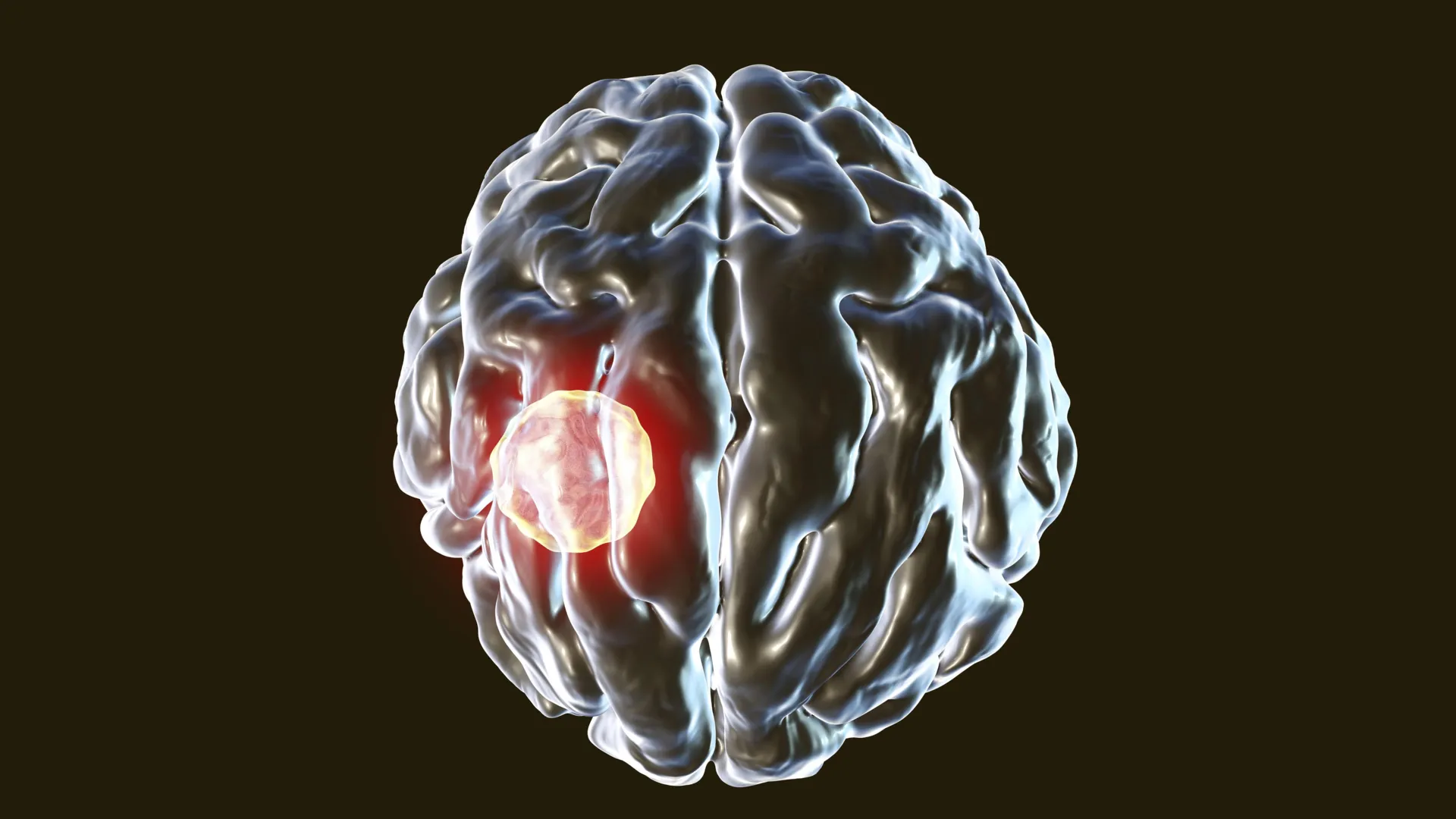
New research from the University of Virginia School of Medicine has unveiled a critical biological defense mechanism that prevents a common parasite from overwhelming the human brain. The study, led by the university’s Center for Brain Immunology and Glia (BIG Center), identifies how specialized immune cells utilize a "self-destruct" switch to eliminate themselves when infected by Toxoplasma gondii, thereby depriving the parasite of a host and halting its spread. This discovery provides a vital piece of the puzzle in understanding how the body maintains a lifelong equilibrium with a pathogen that currently infects approximately one-third of the global population.
Toxoplasma gondii, a microscopic protozoan, is one of the world’s most successful parasites. While it is perhaps most famous for its association with domestic cats—its only known definitive host capable of supporting its sexual reproduction—the parasite is remarkably versatile, capable of infecting almost any warm-blooded animal, including humans. Despite its ubiquity, the mechanisms by which the human immune system keeps the parasite in a dormant, non-lethal state within the brain have long remained partially obscured. The UVA study, published in the journal Science Advances, highlights the role of an enzyme called caspase-8 as the primary regulator of this delicate balance.
The Life Cycle and Prevalence of Toxoplasma Gondii
To understand the significance of the UVA discovery, one must first consider the complex nature of T. gondii. Human infection typically occurs through three primary routes: the ingestion of oocysts shed in cat feces (often through contaminated soil or water), the consumption of undercooked meat containing tissue cysts, or congenital transmission from mother to fetus. According to data from the Centers for Disease Control and Prevention (CDC), more than 40 million people in the United States alone carry the parasite.
Once the parasite enters the host’s digestive system, it transforms into rapidly multiplying forms known as tachyzoites. These tachyzoites spread throughout the body via the bloodstream and lymphatic system. While the immune system eventually clears most of these active forms, some migrate to the muscles and the central nervous system. In the brain, they transform into bradyzoites and form dormant cysts. In healthy individuals, these cysts remain quiet for decades, held in check by a vigilant immune response. However, in patients with compromised immune systems—such as those with HIV/AIDS, those undergoing chemotherapy, or organ transplant recipients—the parasite can "wake up," causing toxoplasmic encephalitis, a severe and often fatal inflammation of the brain.
The Paradox of the Infected Immune Cell
The central focus of the UVA research was the behavior of CD8+ T cells. These cells, often referred to as "killer T cells," are the elite infantry of the immune system. Their primary role is to identify and destroy cells that have been compromised by viruses or intracellular parasites. Normally, a CD8+ T cell recognizes an infected cell, docks with it, and releases toxic proteins to kill the target.
However, Toxoplasma gondii has evolved a counter-strategy: it can infect the CD8+ T cells themselves. This presents a dangerous paradox. If the very cells designed to eliminate the infection are hijacked by the pathogen, the body’s primary line of defense becomes a vehicle for the parasite’s survival. Dr. Tajie Harris, Director of the BIG Center at the UVA School of Medicine, and her team sought to determine how the immune system prevents the parasite from turning these T cells into "Trojan horses" that would allow the infection to run rampant through the brain.
"We know that T cells are really important for combatting Toxoplasma gondii, and we thought we knew all the reasons why," Dr. Harris explained. "T cells can destroy infected cells or cue other cells to destroy the parasite. We found that these very T cells can get infected, and, if they do, they can opt to die."
Caspase-8: The Molecular Kill Switch
The UVA team identified the enzyme caspase-8 as the key to this cellular sacrifice. Caspases are a family of protease enzymes that play essential roles in programmed cell death, or apoptosis. Specifically, caspase-8 is involved in the "extrinsic" pathway of apoptosis, acting as a signal transducer that tells a cell it is time to shut down in response to external or internal stress.
In the context of Toxoplasma infection, caspase-8 serves as a sensor. When the parasite invades a CD8+ T cell, the enzyme triggers a self-destruction sequence. Because Toxoplasma is an obligate intracellular parasite—meaning it must live inside a host cell to survive and replicate—the death of the T cell effectively ends the parasite’s life cycle within that cell.
To test this mechanism, the researchers utilized laboratory mice that were genetically engineered to lack caspase-8 specifically in their T cells. These mice were then exposed to Toxoplasma gondii. The results were definitive and striking. While the control mice (those with functioning caspase-8) were able to manage the infection and remain healthy, the mice lacking the enzyme became severely ill.
Experimental Data and Observations
The data collected during the study revealed that the absence of caspase-8 led to a catastrophic failure of the brain’s immune defense. Despite the mice lacking the enzyme mounting a strong initial immune response—meaning they produced an abundance of T cells—those T cells were unable to control the parasite once they themselves became infected.
Microscopic examination of the brain tissue from the mice lacking caspase-8 showed significantly higher loads of T. gondii compared to the control group. Furthermore, the researchers observed that the CD8+ T cells in these mice were riddled with parasites. Without the ability to trigger apoptosis via caspase-8, the T cells remained alive, providing a safe harbor for the parasite to replicate and spread to adjacent brain tissue.
"The difference in outcomes was striking," the researchers noted in their report. The mice without the enzyme suffered from widespread brain inflammation and ultimately succumbed to the infection. This led the team to conclude that the "choice" of an infected T cell to die is not a failure of the immune system, but a sophisticated defense strategy. By opting for "game over," the host cell ensures the parasite cannot use the immune system’s own machinery against it.
A Rare Phenomenon in Immunology
The discovery is particularly significant because very few pathogens are known to successfully infect and survive within T cells. Viruses like HIV are famous for targeting T cells, but in the world of parasites and bacteria, it is a rare occurrence.
"We scoured the scientific literature to find examples of pathogens infecting T cells. We found very few examples," said Dr. Harris. "Now, we think we know why. Caspase-8 leads to T cell death. The only pathogens that can live in CD8+ T cells have developed ways to mess with Caspase-8 function."
This finding suggests that the evolutionary arms race between Toxoplasma and its hosts has centered on this specific molecular pathway. The parasite attempts to bypass or inhibit cellular suicide to maintain its niche, while the host has refined the caspase-8 trigger to be as sensitive and efficient as possible.
Broader Implications for Clinical Medicine
The implications of this research extend beyond the study of Toxoplasma. By identifying the critical role of caspase-8 in neuro-immunology, the UVA team has opened new avenues for treating various forms of brain inflammation and chronic infections.
For patients with weakened immune systems, this research explains why they are so vulnerable. If their CD8+ T cell population is depleted or if their cellular signaling pathways are impaired (as can happen in certain genetic conditions or as a side effect of medication), the "self-destruct" mechanism may fail, leading to the devastating brain infections seen in clinical toxoplasmosis.
Furthermore, this discovery may help scientists understand other chronic infections that affect the brain. If other pathogens utilize similar methods to hide within immune cells, targeting the caspase-8 pathway or mimicking its effects could lead to new therapeutic interventions. There is also potential for this research to inform treatments for autoimmune diseases, where the balance of cell death and survival is often dysregulated.
Chronology of the Research and Future Directions
The study represents years of investigation into the "BIG" (Brain Immunology and Glia) questions of how the immune system interacts with the central nervous system—a field that was once thought to be impossible because the brain was considered "immunologically privileged" (isolated from the rest of the immune system).
- Initial Observation: The team began by noting that Toxoplasma was frequently found in the brain despite high levels of T cell activity.
- Hypothesis Formation: They hypothesized that the parasite was utilizing the T cells themselves as a hiding place.
- Genetic Modeling: The team developed specific mouse models to isolate the function of caspase-8.
- Verification: Through rigorous testing and tissue analysis, they confirmed that the absence of the enzyme led to parasitic takeover.
- Publication: The findings were peer-reviewed and published in Science Advances in late 2024.
Moving forward, the UVA team plans to investigate whether other types of immune cells in the brain, such as microglia or astrocytes, utilize similar caspase-dependent pathways to control infections. They are also interested in determining if Toxoplasma has developed specific proteins to actively inhibit caspase-8, which could be a target for future drug development.
Study Personnel and Support
The research was a collaborative effort involving a diverse team of scientists at the University of Virginia. Along with Dr. Tajie Harris, the research team included Lydia A. Sibley, Maureen N. Cowan, Abigail G. Kelly, NaaDedee A. Amadi, Isaac W. Babcock, Sydney A. Labuzan, Michael A. Kovacs, Samantha J. Batista, and John R. Lukens.
The study was supported by extensive funding from the National Institutes of Health (NIH), including multiple grants from the National Institute of Neurological Disorders and Stroke and the National Institute of Allergy and Infectious Diseases. Additional support was provided by the University of Virginia’s Strategic Investment Fund, the Shannon Fellowship, and the Pinn Scholars Award. The researchers reported no financial conflicts of interest, ensuring the objectivity of the findings.
As science continues to peel back the layers of how the brain protects itself, the UVA discovery stands as a testament to the complexity of the human immune system. The "self-destruct" defense of the CD8+ T cell is a reminder that in the microscopic battle for survival, sometimes the most effective way to win is to ensure that the enemy has nowhere left to hide.
