
 By Lina carolina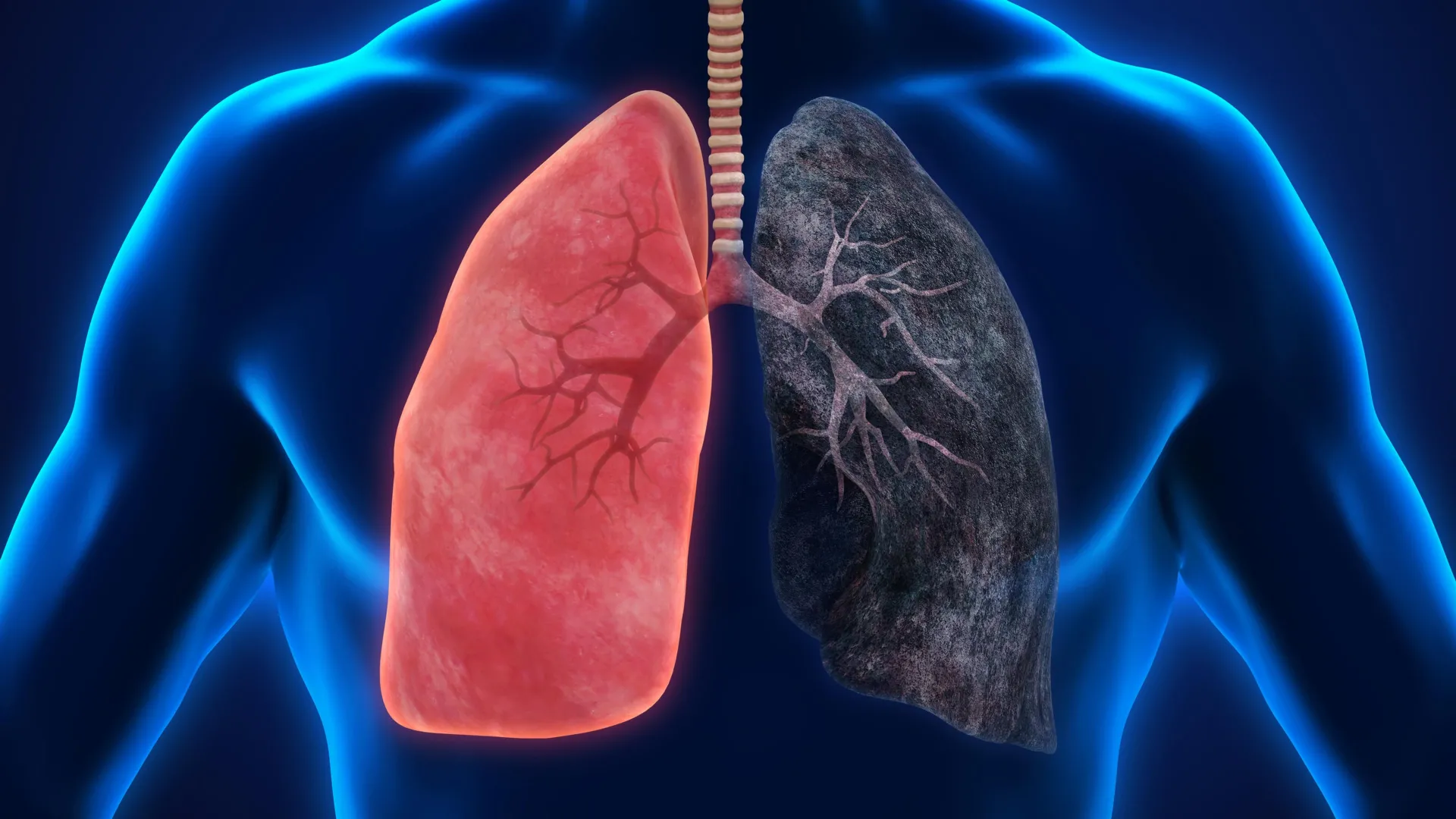
A groundbreaking study by researchers at the Harvard T.H. Chan School of Public Health has provided the first direct evidence that exposure to fire smoke can fundamentally alter the human immune system at a cellular level. The findings, published on June 26 in the prestigious journal Nature Medicine, illuminate a critical, previously understood pathway through which the pervasive and often toxic byproducts of fires can inflict harm on human health. This research is particularly timely given the escalating frequency and intensity of wildfires globally, posing an increasing threat to public health.
The composition of fire smoke is a complex and dangerous cocktail. It includes fine particulate matter (PM2.5), which can penetrate deep into the lungs, as well as a host of noxious gases like carbon monoxide and nitrogen oxides. Crucially, smoke also carries materials released from burning structures and vegetation, such as perfluoroalkyl and polyfluoroalkyl substances (PFAS) – known as "forever chemicals" due to their persistence in the environment – along with toxic heavy metals and a range of carcinogenic compounds. Historically, the adverse health effects of smoke exposure have been documented, ranging from respiratory and cardiovascular problems to neurological impacts and adverse pregnancy outcomes. However, the precise cellular mechanisms driving these effects have remained largely obscure until now.
"We’ve known that smoke exposure causes poor respiratory, cardiac, neurological, and pregnancy outcomes, but we haven’t understood how," stated corresponding author Kari Nadeau, the John Rock Professor of Climate and Population Studies and chair of the Department of Environmental Health at Harvard Chan School. "Our study fills in this knowledge gap, so that clinicians and public health leaders are better equipped to respond to the growing threat of difficult to contain, toxic wildfires."
Unraveling the Cellular Impact: Study Design and Methodology
To conduct this pioneering research, the Harvard team meticulously collected blood samples from two distinct groups of adults. The first group comprised 31 individuals who had been exposed to fire smoke, including both professional firefighters and civilians. The second group consisted of 29 adults who had not been exposed to fire smoke. A critical aspect of the study’s rigor was the careful matching of participants in both cohorts by age, sex, and socioeconomic status, thereby minimizing potential confounding variables. Importantly, all participants were screened to ensure they had no acute or chronic health conditions and were not taking any immunomodulatory drugs at or before the time of blood collection. This ensured that any observed immune system changes could be more directly attributed to smoke exposure. The blood draws were conducted within one month of the participants’ last known exposure to fire smoke, a timeframe considered sufficient to capture recent cellular responses.
The researchers employed state-of-the-art single-cell -omic techniques, a powerful suite of technologies that allow for the analysis of biological processes at the level of individual cells. Specifically, they utilized epigenetic assays, which examine changes in gene expression without altering the underlying DNA sequence, and mass cytometry, a method that uses antibodies tagged with metal isotopes to identify and quantify a wide range of cellular proteins. These cutting-edge techniques were integrated with sophisticated bioinformatic analytical tools to meticulously examine and analyze the vast amounts of data generated from each individual blood sample. This comprehensive approach allowed the scientists to gain an unprecedented, granular view of the cellular landscape of the immune system in response to fire smoke.
Key Findings: Immune Cell Alterations and Toxic Metal Accumulation
The study’s findings revealed several significant cellular-level changes in individuals exposed to fire smoke when compared to their unexposed counterparts. One of the most notable observations was an increase in memory CD8+ T cells within the smoke-exposed group. These cells are a vital component of the adaptive immune system, playing a crucial role in long-term immunity by remembering and efficiently responding to previously encountered pathogens. An increase in these cells could suggest a heightened state of alert or an ongoing immune response triggered by the smoke exposure.
Furthermore, the researchers detected elevated levels of activation and chemokine receptor biomarkers across multiple cell types in smoke-exposed individuals. Chemokines are signaling molecules that attract immune cells to sites of inflammation or infection, and their elevated levels are strong indicators of ongoing inflammation and immune system activity. This suggests that fire smoke is not only activating the immune system but potentially driving a sustained inflammatory response.
Beyond these general immune cell alterations, the study also uncovered more specific and concerning findings. Individuals exposed to smoke exhibited changes in 133 genes directly associated with allergies and asthma. This provides a biological basis for the observed increase in respiratory symptoms and exacerbation of pre-existing conditions like asthma that are frequently reported after smoke exposure.
Perhaps one of the most alarming discoveries was that more immune cells in smoke-exposed individuals were found to be bound with toxic metals, including mercury and cadmium. These heavy metals are known environmental toxins that can disrupt cellular function and have long-term detrimental effects on health, including neurological damage and increased cancer risk. Their presence within immune cells suggests that the body is accumulating these harmful substances through smoke inhalation, potentially compromising the immune system’s ability to function effectively and increasing the body’s overall toxic burden.
Implications for Public Health and Clinical Practice
The implications of these findings are far-reaching, offering new avenues for understanding, diagnosing, and potentially treating the health consequences of fire smoke exposure.
"Our findings demonstrate that the immune system is extremely sensitive to environmental exposures like fire smoke, even in healthy individuals," emphasized lead author Mary Johnson, a principal research scientist in the Department of Environmental Health at Harvard Chan School. "Knowing exactly how may help us detect immune dysfunction from smoke exposure earlier and could pave the way for new therapeutics to mitigate, or prevent altogether, the health effects of smoke exposure and environmental contaminants."
The ability to identify specific cellular markers of smoke exposure could lead to the development of diagnostic tools that can assess an individual’s immune status following an event like a wildfire. Early detection of immune dysfunction could allow for timely interventions to protect vulnerable populations or those with pre-existing respiratory or cardiovascular conditions. Furthermore, understanding the mechanisms by which smoke exposure leads to cellular changes could inform the development of novel therapeutic strategies aimed at restoring immune balance, reducing inflammation, or enhancing the body’s detoxification pathways.
Informing Policy and Future Research
The study’s insights also hold significant weight for informing environmental and public health policies. As wildfire seasons become more severe and prolonged due to climate change, the impact of smoke exposure on communities is escalating.
"Knowing more about exactly how smoke exposure is harming the body, we may increase public health campaigns about the dangers of smoke exposure and the importance of following evacuation procedures during wildfires," Dr. Nadeau noted. "We may also reconsider what levels of smoke exposure we consider toxic."
This research could prompt regulatory agencies to re-evaluate current air quality standards and guidelines related to smoke. It could also bolster arguments for increased investment in wildfire prevention, forest management, and the development of more robust early warning systems for smoke events. Public health messaging could be refined to emphasize not just the immediate respiratory discomfort but also the deeper, cellular-level damage occurring within the body.
Broader Context: The Growing Threat of Wildfire Smoke
The timing of this study is critical. The United States has experienced a significant increase in the frequency and intensity of wildfires in recent decades. For example, in 2020, the Western United States experienced some of the largest and most destructive wildfire seasons on record, blanketing vast areas in smoke for extended periods. Air quality alerts became commonplace, forcing millions to stay indoors and impacting daily life. Similar patterns have been observed in other parts of the world, including Australia, Canada, and Europe.
The economic and social costs of these events are immense, encompassing direct health care expenses, lost productivity, property damage, and the psychological toll on affected communities. This Harvard study adds a crucial scientific dimension to the understanding of these costs, by detailing the biological impact on individuals.
A Collaborative Effort and Future Directions
The study was a collaborative endeavor involving several researchers from the Harvard Chan School, including Abhinav Kaushik, Olivia Kline, Xiaoying Zhou, and Elisabeth Simonin. The research was supported by substantial funding from various national health institutes, underscoring the perceived importance of this area of study. Grants from the National Institute of Environmental Health Sciences (R01 ES032253), the National Heart, Lung, and Blood Institute (P01 HL152953, T32HL007118), and the National Institute of Allergy and Infectious Diseases (U19AI167903) were instrumental. Additional support came from the San Francisco Cancer Prevention Foundation, the Asthma and Allergic Diseases Cooperative Research Center, and the Keck Foundation.
Looking ahead, researchers will likely focus on further elucidating the specific mechanisms by which different components of fire smoke interact with immune cells. Investigating the long-term health consequences of these cellular changes, particularly for vulnerable populations such as children and the elderly, will also be a critical area of future research. The development of targeted interventions and preventative measures will depend on continued scientific inquiry into this complex and growing public health challenge. This study marks a significant step forward in understanding the profound and often unseen ways in which environmental exposures can shape our health.
