
 By Lina carolina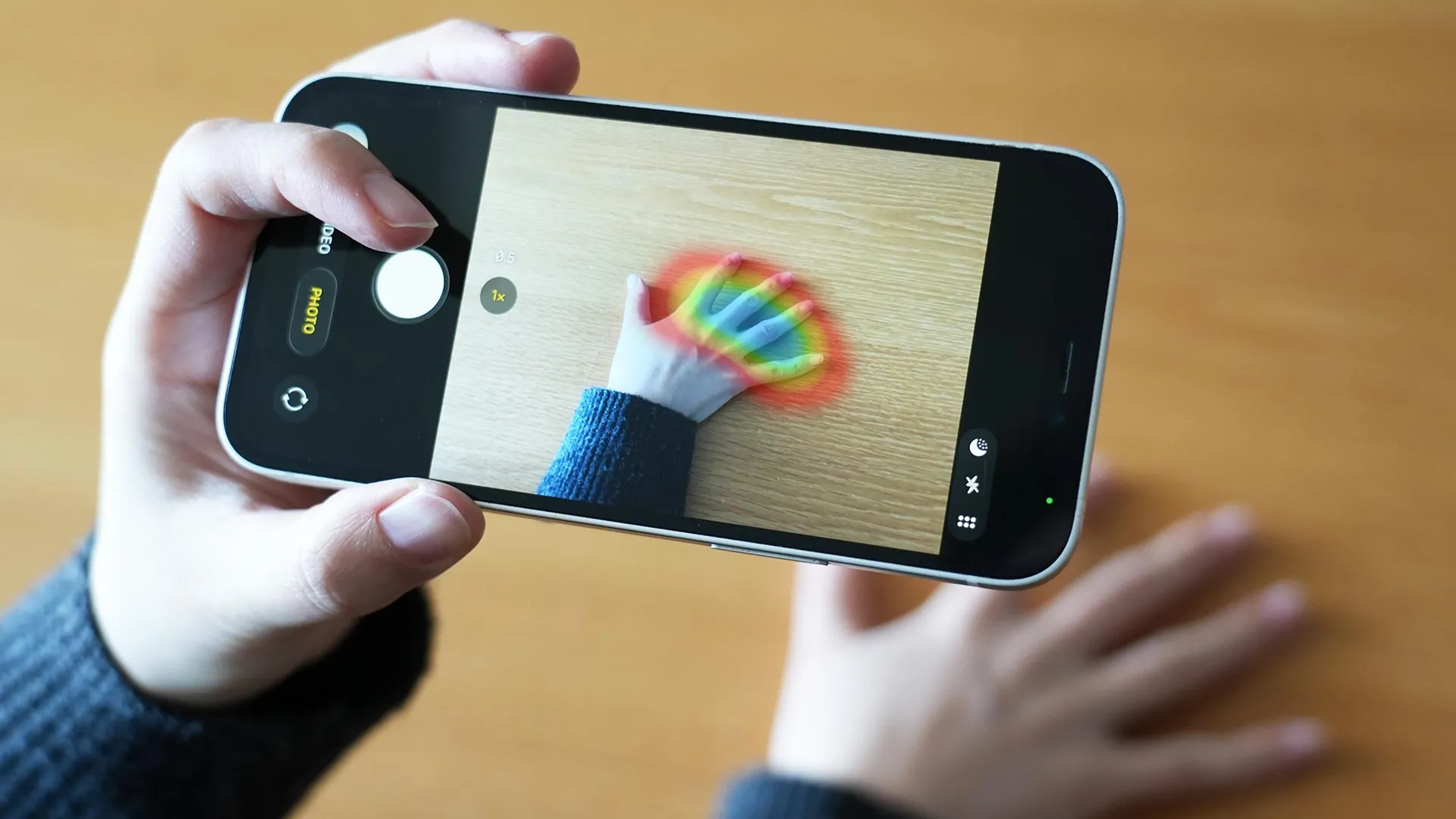
Researchers at Kobe University have achieved a significant breakthrough in medical diagnostics by developing an artificial intelligence system capable of identifying the rare endocrine disorder acromegaly using only photographs of the back of the hand and a clenched fist. This innovative approach bypasses the need for facial images, thereby safeguarding patient privacy while maintaining a high degree of diagnostic accuracy. Experts suggest this technology holds the potential to expedite specialist referrals for patients and broaden access to crucial healthcare services, particularly in underserved regions.
Understanding Acromegaly: A Silent and Gradual Threat
Acromegaly, the disease targeted by this pioneering AI, is an uncommon condition that typically manifests in middle age. Its root cause is the overproduction of growth hormone by the pituitary gland, a small gland at the base of the brain. This hormonal imbalance triggers a cascade of physical changes, most notably the enlargement of extremities such as hands and feet. Beyond these visible alterations, acromegaly can also lead to changes in facial structure, including a prominent jaw, enlarged forehead, and thickened lips. Critically, it can also cause abnormal growth of bones and internal organs. The insidious nature of acromegaly lies in its gradual progression over many years, often making early detection a formidable challenge.
This slow onset means that symptoms can be subtle and easily attributed to other, less serious conditions. The cumulative effect of untreated acromegaly can be severe, leading to a range of debilitating health problems including cardiovascular disease, diabetes, and osteoarthritis. Tragically, it can also significantly shorten life expectancy, with studies indicating a reduction of approximately 10 years for those affected by the untreated disorder.
Dr. Hidenori Fukuoka, an endocrinologist at Kobe University and a lead researcher on the project, highlighted the diagnostic delay commonly associated with acromegaly. "Because the condition progresses so slowly, and because it is a rare disease, it is not uncommon to take up to a decade for it to be diagnosed," Dr. Fukuoka stated. He further elaborated on the evolving landscape of medical diagnostics, noting, "With the progress of AI tools, there have been attempts to use photographs for early detection, but they have not been adopted in clinical practice." This statement underscores the gap that the Kobe University team sought to bridge with their novel methodology.
A Privacy-First AI Design: Leveraging Hand Imagery
The research team’s extensive review of existing AI diagnostic studies revealed a prevalent reliance on facial photographs for disease identification. While effective, this approach often raises significant privacy concerns for patients, a barrier that can hinder widespread adoption and data collection. To circumvent these ethical and practical challenges, the scientists deliberately charted a different course.
Yuka Ohmachi, a graduate student at Kobe University and a key contributor to the research, explained the strategic decision to focus on hand imagery. "Trying to address this concern, we decided to focus on the hands, a body part we routinely examine alongside the face in clinical practice for diagnostic purposes, particularly because acromegaly often manifests changes in the hands," Ohmachi said. This choice was rooted in the fact that acromegaly frequently causes a distinctive enlargement of the hands, a symptom that can be readily observed and quantified.
To further bolster privacy protections and ensure the ethical acquisition of data, the researchers meticulously limited their photographic scope to the back of the hand and a clenched fist. This deliberate exclusion of palm images was a critical step. Palm line patterns are highly individual and possess a unique biometric signature that could potentially reveal a person’s identity, thus posing an indirect privacy risk. By focusing on the dorsal aspect of the hand and the morphology of a clenched fist, the team minimized the potential for re-identification.
This carefully considered approach proved instrumental in facilitating the recruitment of a substantial participant cohort. The study successfully garnered contributions from 725 patients across 15 diverse medical institutions throughout Japan. These participants collectively provided over 11,000 images, which were then rigorously utilized to train and subsequently test the developed AI model. The sheer volume and diversity of this dataset were crucial for ensuring the robustness and generalizability of the AI’s diagnostic capabilities.
AI Demonstrates Superior Diagnostic Prowess
The groundbreaking findings of this research were formally reported in the esteemed Journal of Clinical Endocrinology & Metabolism. The AI model developed by the Kobe University team exhibited exceptional performance metrics, demonstrating both very high sensitivity and specificity in identifying acromegaly from the captured hand images. Sensitivity refers to the AI’s ability to correctly identify individuals who have acromegaly, while specificity refers to its ability to correctly identify those who do not have the condition.
In a direct and compelling comparison, the AI system’s diagnostic accuracy surpassed that of experienced endocrinologists who were tasked with evaluating the same set of photographs. This finding is particularly noteworthy, as it suggests that the AI can not only match but potentially exceed the diagnostic capabilities of seasoned medical professionals in this specific area, at least when relying solely on visual data.
Ohmachi expressed her surprise and optimism regarding the AI’s performance. "Frankly, I was surprised that the diagnostic accuracy reached such a high level using only photographs of the back of the hand and the clenched fist," she remarked. "What struck me as particularly significant was achieving this level of performance without facial features, which makes this approach a great deal more practical for disease screening." This sentiment highlights the transformative potential of an AI system that can deliver high diagnostic accuracy without compromising patient privacy, a long-standing hurdle in the development of medical AI.
Expanding the Horizon: AI for Broader Medical Applications
The success achieved with acromegaly has ignited ambitions within the Kobe University research team to extend the capabilities of their AI system to encompass the detection of a wider array of medical conditions that manifest visible changes in the hands. This opens up a vast new frontier for medical AI applications.
Potential future targets for this technology include conditions such as rheumatoid arthritis, a chronic inflammatory disorder that affects joints, often leading to swelling and pain in the hands. Anemia, a condition characterized by a deficiency in red blood cells or hemoglobin, can sometimes present with characteristic changes in the fingernails and skin color of the hands. Another potential application is the detection of finger clubbing, a deformity of the fingers and fingernails that can be associated with various chronic lung diseases, heart diseases, and gastrointestinal disorders.
"This result could be the entry point for expanding the potential of medical AI," Ohmachi stated, emphasizing the broad implications of their work. The ability to screen for multiple conditions using a single, non-invasive imaging modality could revolutionize preventative healthcare and early disease detection.
Augmenting Clinical Expertise and Enhancing Healthcare Access
It is crucial to contextualize the role of this AI tool within the broader landscape of clinical practice. In real-world medical settings, physicians rely on a comprehensive suite of diagnostic tools, encompassing patient medical history, laboratory tests, physical examinations, and imaging studies, among others. The Kobe University researchers are keen to emphasize that their AI system is envisioned as a complementary tool to augment, rather than replace, the invaluable expertise of physicians.
The study’s authors described their technology as a means to "complement clinical expertise, reduce diagnostic oversight and enable earlier intervention." This framing underscores the AI’s potential to act as a sophisticated assistant, helping clinicians to identify subtle signs and symptoms that might otherwise be overlooked, particularly in the early, often asymptomatic stages of a disease.
Study lead Dr. Fukuoka articulated the long-term vision for this technology. "We believe that, by further developing this technology, it could lead to creating a medical infrastructure during comprehensive health check-ups to connect suspected cases of hand-related disorders to specialists," he explained. This vision points towards a future where routine health screenings could incorporate AI-powered visual assessments of the hands, flagging individuals who require further investigation by specialists.
Furthermore, Dr. Fukuoka highlighted the potential impact on healthcare accessibility, particularly in remote or underserved areas. "It could support non-specialist physicians in regional healthcare settings, thus contributing to a reduction of healthcare disparities there," he added. In regions where access to specialist care is limited, such an AI tool could empower general practitioners to make more informed referrals, ensuring that patients receive timely and appropriate medical attention, regardless of their geographic location. This could significantly reduce diagnostic delays and improve health outcomes for populations that have historically faced barriers to accessing specialized medical knowledge.
Collaborative Endeavor and Future Outlook
The development of this innovative AI system was made possible through a significant collaborative effort. The research received vital funding from the Hyogo Foundation for Science Technology, underscoring the importance of institutional support for pioneering scientific endeavors.
Beyond Kobe University, the project benefited from the expertise and contributions of numerous academic and medical institutions. Collaborators included researchers from Fukuoka University, Hyogo Medical University, Nagoya University, Hiroshima University, Toranomon Hospital, Nippon Medical School, Kagoshima University, Tottori University, Yamagata University, Okayama University, Hyogo Prefectural Kakogawa Medical Center, Hokkaido University, International University of Health and Welfare, Moriyama Memorial Hospital, and Konan Women’s University. This interdisciplinary and multi-institutional approach highlights the complexity and collaborative spirit often required to drive significant advancements in medical technology.
The implications of this research extend far beyond the initial detection of acromegaly. By demonstrating the efficacy of AI in diagnosing a rare disease from non-facial imagery, the Kobe University team has laid a crucial foundation for the broader application of medical AI in public health initiatives. As the technology continues to evolve and integrate into healthcare systems, the potential for earlier diagnoses, more efficient specialist referrals, and a more equitable distribution of medical expertise appears increasingly within reach. This pioneering work offers a compelling glimpse into a future where artificial intelligence plays an indispensable role in enhancing patient care and addressing global health challenges.
