
 By Nana O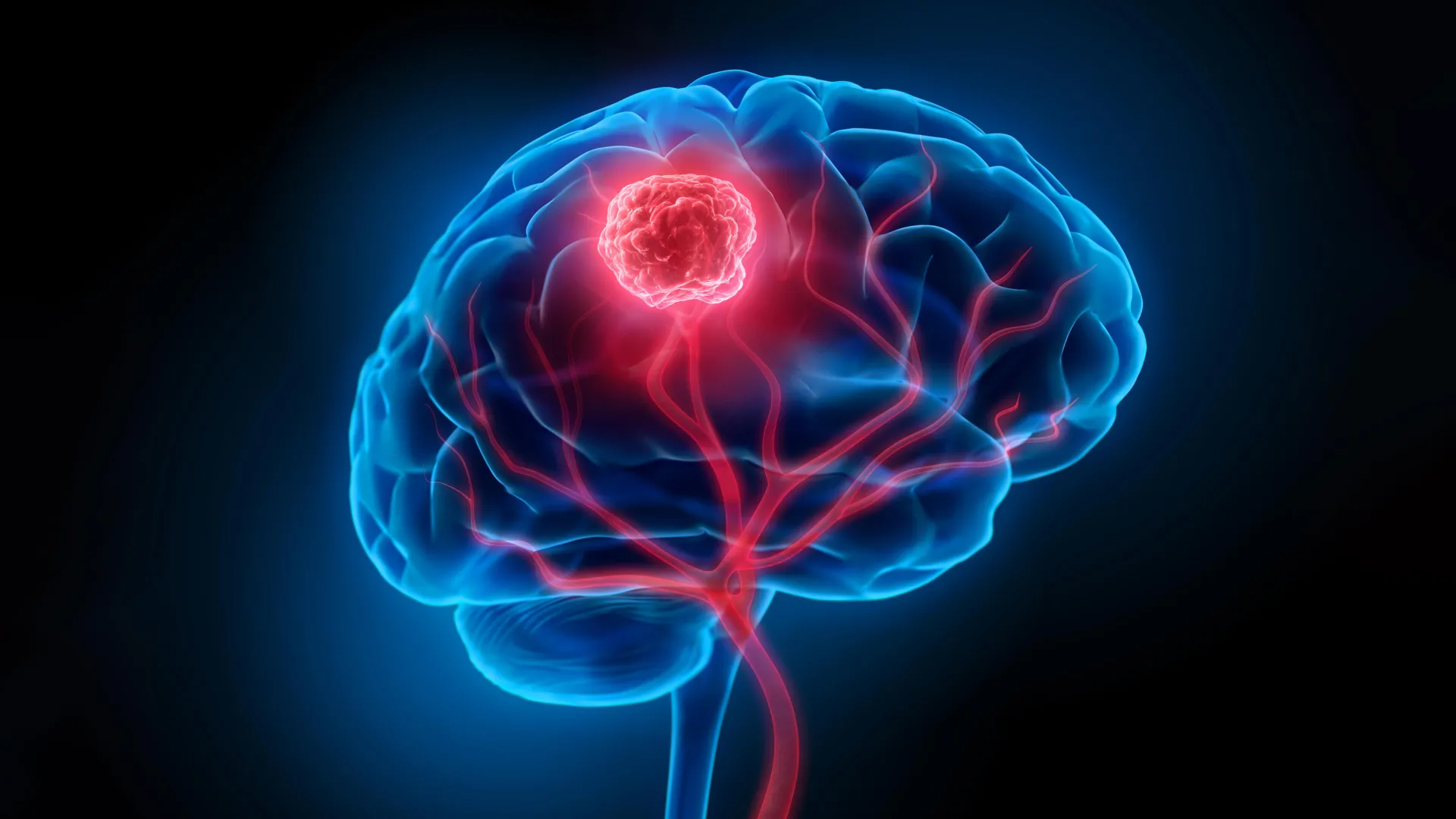
A groundbreaking study conducted by a collaborative team of Canadian researchers has unveiled a novel approach to significantly slow the growth of glioblastoma, the most aggressive and currently incurable form of brain cancer. The findings, published in the esteemed journal Neuron, not only illuminate a previously underestimated mechanism of tumor progression but also pinpoint an existing drug with the potential to be repurposed for treating this devastating disease. The research, a joint effort between McMaster University and The Hospital for Sick Children (SickKids), offers a glimmer of hope in a field characterized by limited treatment options and a grim prognosis for patients.
Decoding the Tumor’s Ecosystem: A New Vulnerability Exposed
For years, glioblastoma has been understood as a formidable foe, characterized by its rapid proliferation and invasive nature. While the scientific community has long acknowledged that cancer cells do not exist in isolation but rather thrive within a complex tumor microenvironment, the precise roles of supporting cells have remained a subject of intense investigation. This new research delves into this intricate ecosystem, revealing that certain brain cells, previously categorized solely for their supportive functions in normal neural activity, can be co-opted by glioblastoma to fuel its relentless growth and spread.
The study’s co-senior authors, Sheila Singh, Professor of Surgery at McMaster University and Director of the Centre for Discovery in Cancer Research, and Jason Moffat, Senior Scientist and Head of the Genetics & Genome Biology program at SickKids, describe glioblastoma not merely as a collection of cancer cells but as a dynamic "ecosystem." Their work meticulously details how these supporting cells actively communicate with tumor cells, sending crucial signals that bolster cancer cell strength and promote their expansion.
The Surprising Role of Oligodendrocytes
Central to this discovery is the identification of oligodendrocytes. These glial cells are primarily known for their essential role in forming the myelin sheath, a fatty insulating layer that protects nerve fibers and facilitates efficient signal transmission throughout the brain. However, the research indicates that under the influence of glioblastoma, oligodendrocytes can undergo a profound transformation. Instead of their normal supportive function, they begin to actively aid the tumor’s progression.
The mechanism involves a sophisticated signaling system. The study elucidates that oligodendrocytes, when hijacked by the tumor, establish a communication pathway with glioblastoma cells. This interaction creates an environment conducive to tumor survival and proliferation, effectively strengthening the cancer’s hold within the brain.
"By decoding how these cells talk to each other, we’ve found a vulnerability that could be targeted with a drug that’s already on the market," stated Professor Singh, emphasizing the practical implications of their findings. This insight into the cellular dialogue within the tumor microenvironment represents a significant paradigm shift in understanding glioblastoma’s pathogenesis.
Blocking the Signal: A Dramatic Reduction in Tumor Growth
The researchers meticulously tested their hypothesis by employing laboratory models. In these controlled environments, they successfully blocked the communication signals between the compromised oligodendrocytes and the glioblastoma cells. The results were striking: a significant reduction in tumor growth was observed. This direct correlation underscores the critical importance of this newly identified intercellular communication pathway in sustaining glioblastoma’s aggressive behavior.
The implications of this finding are profound. If this signaling pathway is indeed a key driver of glioblastoma progression, then interrupting it could offer a powerful therapeutic strategy. The observed dramatic slowdown in tumor growth in laboratory settings provides a strong scientific basis for exploring such interventions.
An Existing HIV Drug Emerges as a Potential Game-Changer
Perhaps the most compelling aspect of this research is the identification of a potential therapeutic agent. The study pinpointed that a crucial component of the signaling process involves a specific receptor known as CCR5. Remarkably, this receptor is already a target for Maraviroc, a drug currently approved and widely used in the treatment of Human Immunodeficiency Virus (HIV) infection.
The repurposing of existing drugs is a highly sought-after strategy in pharmaceutical research. It offers a significantly accelerated pathway to potential new treatments because the drug has already undergone extensive safety and pharmacokinetic testing. For glioblastoma, a disease where patients typically face survival measured in months, the prospect of a rapidly deployable treatment option is particularly significant.
"The cellular ecosystem within glioblastoma is far more dynamic than previously understood," explained Dr. Moffat. "In uncovering an important piece of the cancer’s biology, we also identified a potential therapeutic target that could be addressed with an existing drug. This finding opens a promising path to explore whether blocking this pathway can speed progress toward new treatment options for patients."
Building on a Foundation of Discovery: A Chronology of Research
This latest breakthrough is not an isolated event but rather a testament to sustained and collaborative research efforts. The current findings build upon earlier seminal work by the same research teams, published in Nature Medicine in early 2024. That prior study revealed another critical aspect of glioblastoma’s invasive strategy: its ability to exploit developmental pathways normally utilized during brain development to facilitate its spread.
Together, these cumulative discoveries are shaping a new direction in glioblastoma research, shifting the focus from solely targeting cancer cells to disrupting the intricate communication systems and environmental dependencies that tumors rely upon for survival and propagation.
The timeline of this research can be broadly outlined as follows:
- Prior Research (leading up to early 2024): Investigations into glioblastoma’s invasive mechanisms, including its exploitation of developmental pathways.
- Early 2024: Publication of findings in Nature Medicine detailing how cancer cells leverage developmental pathways for spread.
- Recent Research (culminating in publication in Neuron): Identification of oligodendrocytes’ role in supporting tumor growth and the discovery of the CCR5 signaling pathway.
- Current Stage: Focus on exploring the therapeutic potential of Maraviroc for glioblastoma treatment.
Study Details and Research Teams
The rigorous scientific investigation was meticulously documented and published in Neuron, a journal recognized for its high impact in the field of neuroscience. The collaborative spirit of the research is evident in the co-first authorship, shared by Kui Zhai, a research associate in the Singh Lab at McMaster University, and Nick Mikolajewicz, who was a postdoctoral fellow in the Moffat Lab at SickKids during the study.
The research received crucial financial backing from the 2020 William Donald Nash Brain Tumour Research Fellowship and the Canadian Institutes of Health Research, underscoring the national importance and support for this critical area of study. Professor Singh holds the prestigious Tier 1 Canada Research Chair in Human Cancer Stem Cell Biology, a testament to her significant contributions to the field. Dr. Moffat holds the GlaxoSmithKline Chair in Genetics & Genome Biology at The Hospital for Sick Children, further highlighting the expertise and resources dedicated to this research.
Broader Impact and Implications for Glioblastoma Patients
Glioblastoma remains one of the most challenging cancers to treat. Its diffuse infiltrative nature makes surgical removal extremely difficult, and its resistance to conventional chemotherapy and radiation therapy leads to a high rate of recurrence and dismal survival statistics. The median survival time for glioblastoma patients is typically between 12 and 18 months, with only a small percentage surviving beyond five years.
The identification of a targetable signaling pathway involving oligodendrocytes and the potential repurposing of Maraviroc offer a beacon of hope. If clinical trials validate the efficacy of Maraviroc in glioblastoma patients, it could represent a significant advancement.
Supporting Data and Context:
- Prevalence: Glioblastoma accounts for approximately 15% of all primary brain tumors and is the most common malignant brain tumor in adults.
- Prognosis: Despite aggressive treatment, the prognosis for glioblastoma remains poor. The 5-year survival rate is less than 5%.
- Treatment Limitations: Current standard of care typically involves maximal surgical resection, followed by radiotherapy and chemotherapy (temozolomide). However, resistance mechanisms are common, and the tumor often regrows.
- Cellular Interactions: The concept of tumor microenvironment influencing cancer progression is well-established. However, the specific roles and communication pathways of non-cancerous cells like oligodendrocytes in glioblastoma have been less understood.
- Drug Repurposing: The pharmaceutical industry and research institutions increasingly focus on drug repurposing due to its cost-effectiveness and faster timeline to market compared to developing entirely new drugs. Maraviroc, for example, has undergone extensive clinical trials for HIV, providing a wealth of safety and efficacy data.
The implications of this research extend beyond immediate treatment prospects. It underscores the value of fundamental research in unraveling complex biological processes. By understanding the intricate "ecosystem" of the tumor, scientists can identify novel vulnerabilities that might have been overlooked by more conventional approaches.
Future Directions and Official Reactions
The next critical step for the researchers will be to translate these promising laboratory findings into clinical applications. This will likely involve designing and conducting clinical trials to evaluate the safety and efficacy of Maraviroc, either as a standalone treatment or in combination with existing therapies, for glioblastoma patients.
While specific official reactions from patient advocacy groups or broader medical institutions are not yet detailed in the initial release, the nature of this discovery is expected to garner significant attention and support. Organizations dedicated to brain tumor research and patient care will likely view this as a crucial step forward.
The scientific community’s reaction is anticipated to be one of cautious optimism and excitement. The rigor of the study, its publication in a high-impact journal, and the direct link to an existing therapeutic agent are all factors that contribute to its potential significance. This research reinforces the importance of interdisciplinary collaboration between institutions like McMaster University and SickKids, which possess distinct but complementary strengths in cancer research and genetics.
In conclusion, the Canadian research team’s identification of a novel pathway for glioblastoma growth and the potential repurposing of an existing HIV drug represent a significant stride in the fight against this devastating brain cancer. By understanding and targeting the intricate communication networks within the tumor’s ecosystem, scientists are paving the way for new therapeutic strategies that could ultimately improve the lives of patients facing this formidable disease. The journey from laboratory discovery to clinical application is often long, but this research provides a compelling and hopeful new direction.
