
 By Nana O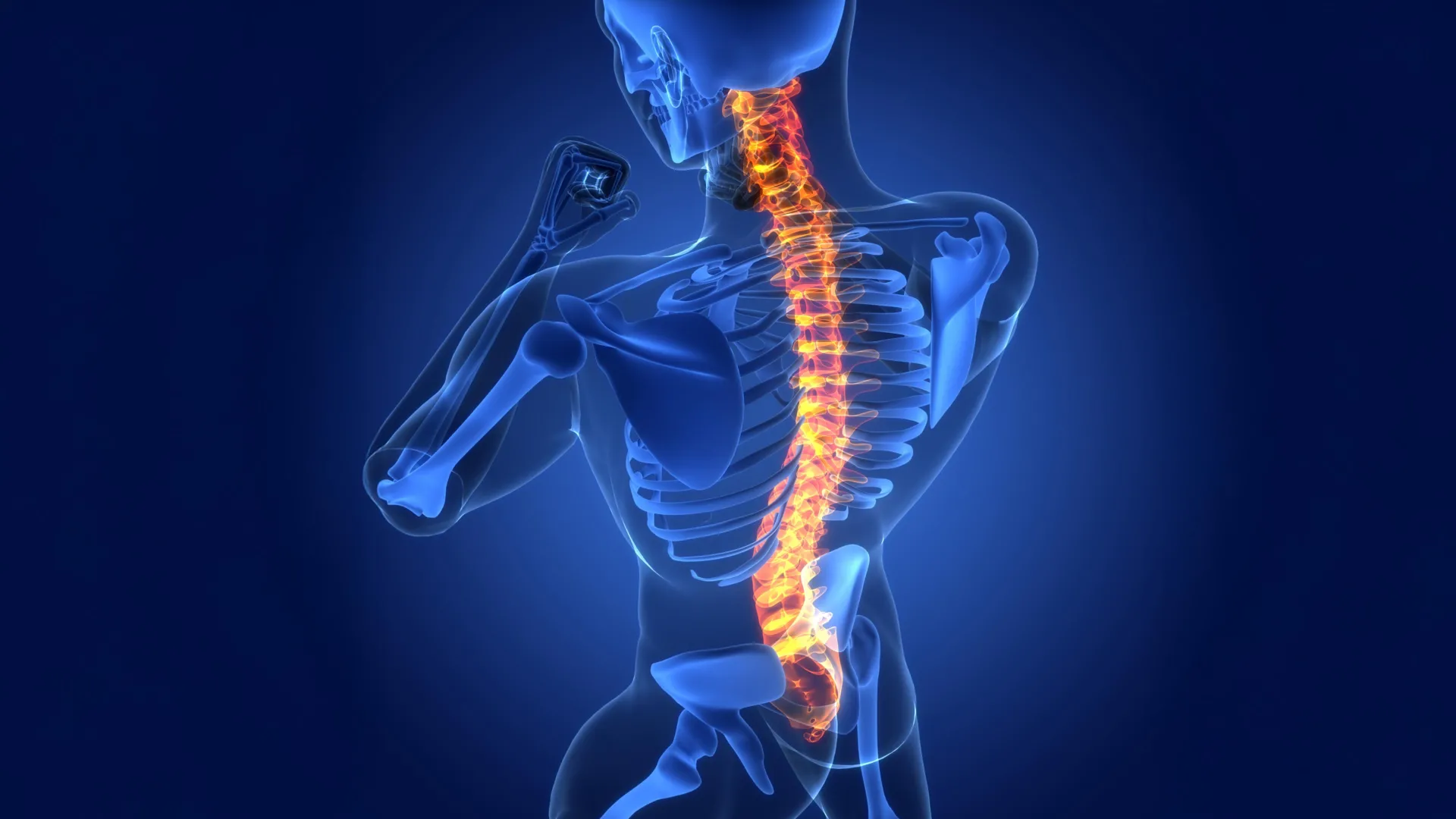
Researchers at Cedars-Sinai have unveiled a groundbreaking biological repair mechanism that holds immense promise for developing novel therapeutic strategies for a spectrum of debilitating conditions, including spinal cord injuries, stroke, and neurodegenerative diseases such as multiple sclerosis. The pivotal findings, meticulously detailed in the esteemed scientific journal Nature, illuminate an unanticipated and critical role for astrocytes, a fundamental class of glial support cells within the central nervous system (CNS). This discovery fundamentally reshapes our understanding of how the brain and spinal cord respond to damage, offering a tangible path towards enhanced healing and functional recovery.
Astrocytes: More Than Just Support Cells
"Astrocytes are critical responders to disease and disorders of the central nervous system — the brain and spinal cord," stated neuroscientist Joshua Burda, PhD, assistant professor of Biomedical Sciences and Neurology at Cedars-Sinai and senior author of the study. "We discovered that astrocytes far from the site of an injury actually help drive spinal cord repair. Our research also uncovered a mechanism used by these unique astrocytes to signal the immune system to clean up debris resulting from the injury, which is a critical step in the tissue-healing process."
The research team has designated these newly identified astrocytes as "lesion-remote astrocytes," or LRAs. Further investigation revealed the existence of several distinct subtypes within this LRA population. Crucially, this study marks the first time scientists have elucidated how a specific LRA subtype can detect damage from a considerable distance and orchestrate responses that actively promote tissue recovery. This finding challenges the long-held assumption that cellular repair mechanisms are primarily confined to the immediate vicinity of an injury.
Understanding Spinal Cord Injury: A Complex Cascade
To fully appreciate the significance of the Cedars-Sinai discovery, it is essential to understand the intricate architecture of the spinal cord and the devastating consequences of injury. The spinal cord, a vital conduit of neural information, is a long, cylindrical bundle of nerve tissue extending from the brain down the vertebral column. Its internal structure is characterized by gray matter, a region rich in neuronal cell bodies and astrocytes, and surrounding white matter, composed primarily of myelinated nerve fibers—the axons of neurons—and more astrocytes. Astrocytes in this healthy state are indispensable for maintaining a stable microenvironment, ensuring the efficient and unimpeded transmission of electrical and chemical signals that govern virtually all bodily functions.
When the spinal cord sustains an injury, such as from trauma or disease, a cascade of destructive events is initiated. Nerve fibers, responsible for transmitting motor commands and sensory information, are severed. This disruption leads to profound functional deficits, including paralysis, loss of sensation (touch, temperature, pain), and autonomic dysfunction. The damaged nerve fibers undergo a process of degeneration, breaking down into cellular debris. In most tissue types throughout the body, inflammatory responses are typically localized to the site of injury, facilitating a controlled cleanup and repair process. However, the unique anatomy of the spinal cord, where nerve fibers can extend considerable distances, means that damage and subsequent inflammation can spread far beyond the initial point of insult, exacerbating tissue damage and hindering recovery. This widespread inflammation contributes significantly to secondary injury mechanisms, further compromising neural tissue.
Lesion-Remote Astrocytes: Orchestrating Immune Surveillance and Cleanup
Through meticulous experimentation, primarily involving rodent models of spinal cord injury, the Cedars-Sinai team observed a compelling pattern: LRAs play a pivotal role in fostering an environment conducive to repair. The strength of these findings was further bolstered by the identification of analogous CCN1-mediated processes in post-mortem spinal cord tissue samples from human patients who had sustained injuries. This suggests a conserved and evolutionarily important mechanism of repair across species.
A key discovery within the LRA population was the identification of a specific subtype capable of producing a crucial protein known as CCN1, also referred to as CYR61. This protein acts as a potent signaling molecule, communicating directly with microglia, the resident immune cells of the central nervous system. Microglia are often described as the "garbage collectors" of the brain and spinal cord, tasked with clearing cellular debris and pathological aggregates.
"One function of microglia is to serve as chief garbage collectors in the central nervous system," explained Dr. Burda. "After tissue damage, they eat up pieces of nerve fiber debris — which are very fatty and can cause them to get a kind of indigestion. Our experiments showed that astrocyte CCN1 signals the microglia to change their metabolism so they can better digest all that fat."
This metabolic reprogramming of microglia, facilitated by astrocyte-derived CCN1, is a critical breakthrough. It allows these immune cells to more efficiently process and clear the lipid-rich remnants of damaged nerve fibers. This enhanced debris removal, the researchers hypothesize, may be a significant factor contributing to the partial, spontaneous recovery observed in some individuals following spinal cord injury. To test this hypothesis, the researchers experimentally eliminated the production of CCN1 by astrocytes in their animal models. The results were stark: healing was significantly impaired.
"If we remove astrocyte CCN1, the microglia eat, but they don’t digest," Dr. Burda elaborated. "They call in more microglia, which also eat but don’t digest. Big clusters of debris-filled microglia form, heightening inflammation up and down the spinal cord. And when that happens, the tissue doesn’t repair as well." This observation highlights the delicate balance required for effective tissue repair and underscores the detrimental impact of unchecked inflammation driven by inefficient debris clearance. The accumulation of undigested debris and the subsequent surge in inflammatory signals can create a hostile environment for surviving neurons and glial cells, further impeding regenerative processes.
Broader Implications for Neurological Disorders
The implications of this discovery extend beyond acute spinal cord injuries. The research team also examined spinal cord tissue samples from individuals diagnosed with multiple sclerosis (MS), a chronic autoimmune disease characterized by inflammation and demyelination of nerve fibers in the brain and spinal cord. Remarkably, they observed the same CCN1-related repair process at play in these diseased tissues. This suggests that the fundamental principles of LRA-mediated repair are not limited to traumatic injury but are likely involved in the body’s response to a variety of neurological insults.
Dr. David Underhill, PhD, chair of the Department of Biomedical Sciences at Cedars-Sinai, emphasized the profound significance of these findings: "The role of astrocytes in central nervous system healing is remarkably understudied. This work strongly suggests that lesion-remote astrocytes offer a viable path for limiting chronic inflammation, enhancing functionally meaningful regeneration, and promoting neurological recovery after brain and spinal cord injury and in disease." His statement underscores the potential of this research to revolutionize treatment paradigms for a wide range of neurological conditions.
A Timeline of Discovery and Future Directions
The journey leading to this significant publication can be broadly contextualized within the ongoing scientific endeavor to understand and treat CNS damage. For decades, research into spinal cord injury and neurological diseases has largely focused on neuronal regeneration and mitigating the immediate inflammatory cascade. However, the intricate interplay between different glial cell types and their contributions to both pathology and repair has only begun to be fully appreciated in recent years.
Early Research & The Role of Glia: Initial studies in the mid-20th century focused on identifying the cellular components of the CNS, including astrocytes and microglia. Early understanding of astrocytes was largely limited to their structural and metabolic support functions.
Inflammation as a Double-Edged Sword: As research progressed, the dual nature of the inflammatory response in the CNS became apparent. While acute inflammation is crucial for clearing debris, chronic or dysregulated inflammation is now recognized as a major contributor to secondary damage and a barrier to repair in conditions like stroke and MS.
Focus on Neuronal Regeneration: For many years, a primary goal was to stimulate direct neuronal regeneration, with limited success. This led researchers to explore other avenues, including modulating the glial environment.
The Cedars-Sinai Breakthrough: The work by Dr. Burda and his team, culminating in the Nature publication, represents a significant leap forward. It shifts the focus from solely neuronal repair to the sophisticated, coordinated efforts of support cells like astrocytes in orchestrating the healing process. The identification of LRAs and their specific signaling mechanism (CCN1) provides a concrete target for therapeutic intervention.
Potential Timeline for Translation:
- Pre-clinical Research (Ongoing): Dr. Burda’s current work on developing strategies to harness the CCN1 pathway is in this phase. This involves further refining methods to activate or enhance CCN1 production in LRAs, testing the efficacy and safety of these approaches in various animal models of injury and disease.
- Clinical Trials (Future): If pre-clinical studies prove successful, the next crucial step would be to initiate human clinical trials to evaluate the safety and effectiveness of CCN1-based therapies in patients. This process typically takes several years.
- Therapeutic Development (Long-term): The ultimate goal is to translate these findings into approved treatments that can be administered to patients suffering from spinal cord injuries, stroke, MS, and potentially other neurodegenerative conditions.
Official Responses and Broader Impact
The scientific community has reacted with considerable enthusiasm to the Cedars-Sinai findings. The publication in Nature, a journal with an exceptionally high impact factor, signifies the robustness and significance of the research.
"The role of astrocytes in central nervous system healing is remarkably understudied," said David Underhill, PhD, chair of the Department of Biomedical Sciences. "This work strongly suggests that lesion-remote astrocytes offer a viable path for limiting chronic inflammation, enhancing functionally meaningful regeneration, and promoting neurological recovery after brain and spinal cord injury and in disease." Dr. Underhill’s endorsement highlights the potential of this research to open up new avenues for therapeutic development.
The implications of this discovery are far-reaching and could profoundly impact the lives of millions worldwide. Spinal cord injuries, for instance, affect approximately 250,000 to 500,000 people globally each year, with devastating consequences for mobility, sensation, and overall quality of life. Stroke, the second leading cause of death worldwide, leaves millions with permanent disabilities. Neurodegenerative diseases like multiple sclerosis affect over 2.5 million people globally, progressively impairing neurological function.
By identifying a fundamental biological pathway that promotes healing, the Cedars-Sinai research offers a beacon of hope. It suggests that future treatments might not only aim to slow disease progression or manage symptoms but could actively promote tissue repair and functional recovery. This could translate into improved mobility, restored sensation, and a significantly enhanced quality of life for individuals living with these challenging conditions.
Furthermore, the research’s insights into the intricate communication between astrocytes and microglia could have broader applications. Understanding how these cells interact in response to damage might shed light on other neurological conditions, including Alzheimer’s disease, Parkinson’s disease, and even the aging process itself, where inflammation and cellular debris accumulation play significant roles.
Funding and Collaboration
This pioneering research was made possible through substantial funding from various governmental and private organizations, underscoring the collaborative nature of modern scientific discovery. Key funding sources included the U.S. National Institutes of Health (NIH) through multiple grant numbers (5R01NS128094, R00NS105915, K99NS105915, F31NS129372, K99AG084864, R35 NS097303, R01 NS123532, R01MH128866, U18TR004146, P30 CA023168), the ASPIRE Challenge and Reduction-to-Practice award, the Paralyzed Veterans Research Foundation of America, Wings for Life, Cedars-Sinai Center for Neuroscience and Medicine Postdoctoral Fellowship, American Academy of Neurology Neuroscience Research Fellowship, California Institute for Regenerative Medicine Postdoctoral Scholarship, The United States Department of Defense USAMRAA award W81XWH2010665 through the Peer Reviewed Alzheimer’s Research Program, and The Arnold O. Beckman Postdoctoral Fellowship. The Purdue University Center for Cancer Research, funded by NIH grant P30 CA023168, also contributed.
The study lists a comprehensive team of authors from Cedars-Sinai, including Sarah McCallum, Keshav B. Suresh, Timothy S. Islam, Manish K. Tripathi, Ann W. Saustad, Oksana Shelest, Aditya Patil, David Lee, Brandon Kwon, Katherine Leitholf, Inga Yenokian, Sophia E. Shaka, Jasmine Plummer, Vinicius F. Calsavara, and Simon R.V. Knott. Additional contributing authors from other institutions included Connor H. Beveridge, Palak Manchandra, Caitlin E. Randolph, Gordon P. Meares, Ranjan Dutta, Riki Kawaguchi, and Gaurav Chopra. This extensive collaboration highlights the multidisciplinary effort required to tackle complex biological questions.
Conclusion
The discovery of lesion-remote astrocytes and their critical role in orchestrating immune-mediated debris clearance through the CCN1 pathway represents a paradigm shift in our understanding of central nervous system repair. This research, published in Nature, not only provides a fundamental insight into the body’s intrinsic healing capabilities but also illuminates a promising new therapeutic target for a range of devastating neurological conditions. As Dr. Burda and his team continue to explore strategies to harness this natural repair mechanism, the prospect of developing effective treatments for spinal cord injuries, stroke, and neurodegenerative diseases moves closer to reality, offering renewed hope for patients and their families worldwide. The ongoing investigation into how astrocyte CCN1 influences inflammatory neurodegenerative diseases and aging further underscores the broad applicability and immense potential of this groundbreaking work.
