
 By George Ongkojoyo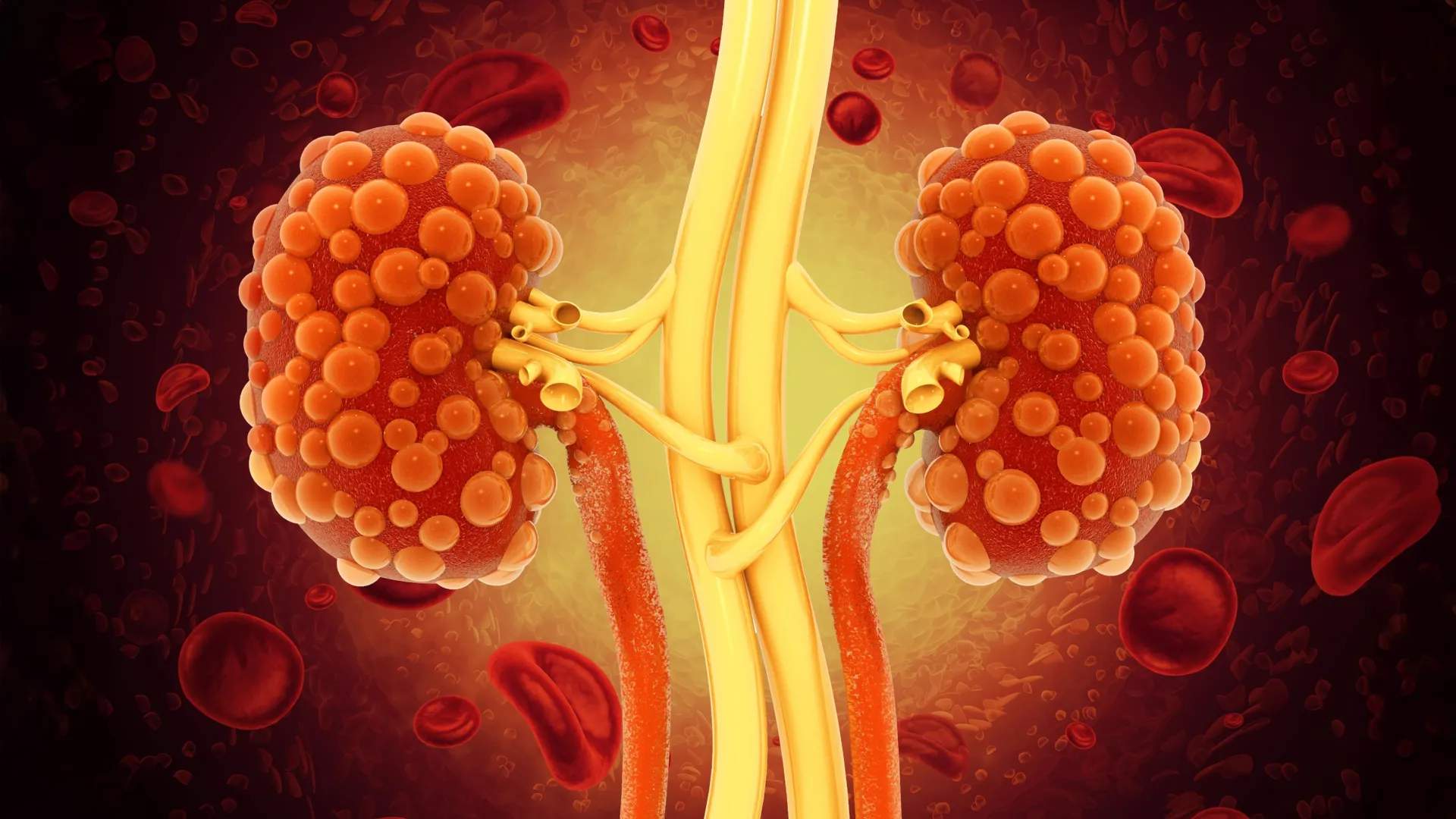
Researchers at the University of California, Santa Barbara (UCSB) have unveiled a pioneering therapeutic strategy for Polycystic Kidney Disease (PKD), a genetic disorder that has long frustrated the medical community due to its progressive nature and lack of curative options. By re-engineering monoclonal antibodies to penetrate the normally impenetrable barriers of kidney cysts, the team has successfully demonstrated a method to disrupt the cycle of uncontrolled cell growth that characterizes the disease. This discovery, detailed in the journal Cell Reports Medicine, offers a potential paradigm shift in how nephrologists approach the treatment of one of the world’s most common life-threatening hereditary growth disorders.
Polycystic Kidney Disease is defined by the development of numerous fluid-filled sacs, or cysts, within the kidneys. These cysts are not benign; as they grow, they displace healthy renal tissue, leading to chronic inflammation, hypertension, and eventually, end-stage renal disease (ESRD). For many of the estimated 12.5 million people affected worldwide, the condition is a ticking clock that leads inevitably to the grueling requirements of dialysis or the high stakes of organ transplantation. Despite decades of research, the therapeutic landscape for PKD has remained sparse, primarily focused on managing symptoms rather than addressing the underlying cellular mechanics of cyst expansion.
The Biological Barrier: Why Traditional Immunotherapy Fails
The primary challenge in treating PKD lies in the unique architecture of the cysts. Each cyst is essentially a "sealed room" lined with a layer of epithelial cells. These cells act as a physical barrier, preventing many traditional medications from reaching the interior fluid where the disease-driving activity is most concentrated. While the pharmaceutical industry has seen massive success with monoclonal antibodies—specifically Immunoglobulin G (IgG)—in treating cancers and autoimmune diseases, these proteins have proven ineffective for PKD.
The size of IgG antibodies is their undoing in the context of renal cysts. They are too large to diffuse across the epithelial cell layers and cannot access the cyst’s lumen. Consequently, even if an antibody is designed to target a specific growth factor inside the cyst, it remains stuck on the "outside," unable to exert any therapeutic effect. This limitation has historically forced researchers to rely on small-molecule drugs. However, small-molecule interventions often lack the specificity required to target only diseased tissue. The only currently FDA-approved drug for slowing PKD progression, Tolvaptan, is associated with significant side effects, including potential liver toxicity and intense aquaresis (excessive urination), which can severely impact a patient’s quality of life.
A Novel Engineering Solution: The dIgA Breakthrough
The UCSB research team, led by biologist Thomas Weimbs, sought to overcome this barrier by looking toward the body’s own natural defense mechanisms. In the human immune system, while IgG circulates in the blood, a different class of antibody—dimeric Immunoglobulin A (dIgA)—is responsible for protecting mucosal surfaces like the gut, lungs, and tear ducts. Unlike IgG, dIgA has the unique ability to bind to the polymeric immunoglobulin receptor (pIgR) on the surface of epithelial cells. This binding triggers a process called transcytosis, where the cell essentially "swallows" the antibody and transports it across its interior to be released on the other side.
In a seminal 2015 hypothesis, Weimbs and his colleagues proposed that kidney cysts, which are derived from epithelial cells, likely still express these receptors. If a monoclonal antibody could be built on a dIgA "backbone" rather than an IgG one, it could potentially use these receptors as a Trojan Horse to gain entry into the cyst. The recent study published in Cell Reports Medicine confirms this theory. The researchers successfully modified the DNA sequence of a traditional antibody to change its structural framework, creating a dIgA variant that retains its ability to recognize disease targets while gaining the ability to penetrate the cyst wall.
Targeting the cMET Receptor and Inducing Selective Apoptosis
Once the delivery vehicle was established, the team focused on a specific target: the mesenchymal-epithelial transition (cMET) receptor. In the context of PKD, the fluid inside the cysts is rich in growth factors that bind to cMET receptors on the cyst lining. This creates a self-sustaining "feedback loop" where the cells are constantly signaled to divide and secrete more fluid, causing the cyst to expand indefinitely.
By delivering the dIgA antibody directly into the cyst fluid, the researchers were able to block these cMET receptors effectively. The results in mouse models were significant. Not only did the antibody decrease the signaling pathways that encourage cyst growth, but it also triggered a process known as apoptosis—programmed cell death—specifically in the cells lining the cysts. Crucially, this effect was selective; the antibody did not harm the healthy, non-cystic renal tissue surrounding the diseased areas. This level of precision is a major milestone, as it suggests a treatment could be developed that halts the disease without the systemic toxicity associated with current small-molecule therapies.
Chronology of the Discovery and Research Milestones
The path to this breakthrough has been nearly a decade in the making, reflecting the rigorous nature of translational medical research:
- 2015: Thomas Weimbs and his team publish an initial theoretical paper proposing that the pIgR pathway could be exploited to deliver large proteins into kidney cysts.
- 2016-2019: The team engages in protein engineering, attempting to convert IgG sequences into stable dIgA formats. This period involved significant trial and error to ensure the redesigned antibodies maintained their structural integrity.
- 2020-2022: Preclinical testing begins in vitro (cell cultures) to confirm that the dIgA can indeed cross the epithelial barrier. Concurrently, the team identifies cMET as the primary target for the first round of animal testing.
- 2023: Mouse model trials demonstrate that the dIgA-cMET antibody successfully accumulates inside cysts and reduces overall kidney volume compared to control groups.
- 2024: The findings are published in Cell Reports Medicine, marking the transition from a theoretical concept to a proven preclinical therapeutic platform.
Supporting Data and Economic Context
The implications of this research are underscored by the staggering economic and human cost of chronic kidney disease. According to data from the United States Renal Data System (USRDS), the cost of treating ESRD in the United States exceeds $50 billion annually. Patients with PKD typically progress to kidney failure in their 50s or 60s, a time when they are often at the peak of their professional careers.
By delaying the onset of ESRD by even five to ten years, a targeted antibody therapy could save the healthcare system billions of dollars in dialysis costs and significantly improve the lifetime productivity and well-being of patients. Furthermore, because PKD is an autosomal dominant condition (ADPKD), it often affects multiple generations of a single family, meaning a successful treatment could break a cycle of medical hardship that spans decades.
Reactions and Future Implications for Nephrology
While the medical community has reacted with cautious optimism, experts emphasize that the transition from mouse models to human clinical trials—often referred to as the "Valley of Death" in drug development—remains a formidable challenge. The UCSB team has noted that the next steps involve identifying industrial partners capable of scaling the production of these specialized dIgA antibodies.
"The cysts just keep growing endlessly," Thomas Weimbs remarked during the announcement of the findings. "Our premise was that if you block the growth factor or its receptor, you should be able to stop this constant activation. We have now shown that dIgA can do what IgG cannot."
Looking forward, the researchers plan to investigate other growth factors present in cyst fluid. The literature suggests there are dozens of different proteins involved in the expansion of PKD cysts. The modular nature of the dIgA platform allows for the potential of "combination cocktails"—using multiple antibodies to target different receptors simultaneously. This multi-pronged approach is similar to how modern oncology and HIV treatments operate, providing a much higher success rate by preventing the disease from "bypassing" a single blocked pathway.
Conclusion and Strategic Outlook
The work conducted at UC Santa Barbara, supported by the National Institutes of Health and the U.S. Department of Defense, represents a significant leap forward in bioengineering. By solving the delivery problem that has long shielded PKD cysts from the most advanced tools in modern medicine, the team has opened a new door for immunotherapy in renal care.
While it will likely be several years before this treatment reaches human trials, the proof-of-concept established by Margaret F. Schimmel, Thomas Weimbs, and their colleagues provides a clear roadmap. In a field where the standard of care has long been limited to blood pressure management and eventual organ replacement, the prospect of a targeted, low-toxicity antibody therapy offers a new horizon of hope for millions of patients worldwide. The success of this methodology may also have implications for other cystic diseases of the liver or pancreas, potentially establishing dIgA-mediated delivery as a standard technique for reaching previously inaccessible epithelial chambers throughout the human body.
