
 By Budi Oetomo Narendra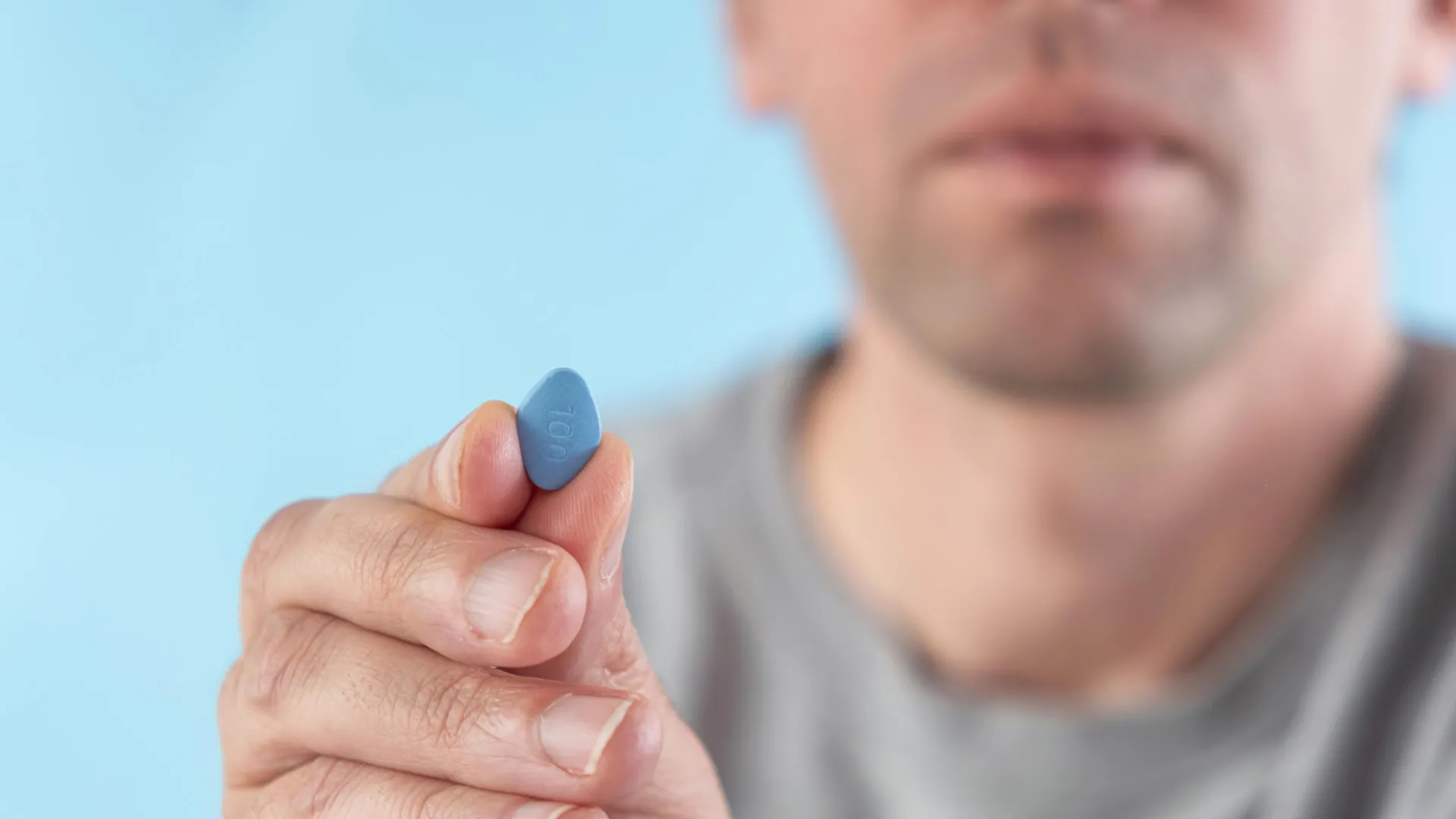
In a significant development that could accelerate the quest for effective treatments against Alzheimer’s disease, researchers have identified three already approved and widely used medications that show strong potential for repurposing. This innovative approach, which bypasses the often-arduous and costly process of developing entirely new drugs, focuses on existing compounds to protect the brain and combat the devastating effects of neurodegeneration. The study, spearheaded by the University of Exeter and funded by the Alzheimer’s Society, along with support from the National Institute for Health and Care Research (NIHR), has spotlighted a shingles vaccine (Zostavax), the erectile dysfunction drug Viagra (sildenafil), and the motor neurone disease treatment riluzole as priority candidates for further investigation.
The Global Burden of Alzheimer’s Disease and the Urgent Need for Solutions
Alzheimer’s disease, the most common form of dementia, represents a profound global health crisis. In the United Kingdom alone, dementia is tragically the leading cause of death, affecting approximately one million individuals. Projections indicate that one in three people born today will develop dementia in their lifetime, underscoring the immense personal and societal burden. Globally, an estimated 55 million people live with dementia, a number projected to nearly double every 20 years, reaching 78 million in 2030 and 139 million in 2050, according to the World Health Organization. The economic impact is staggering, with global costs of dementia estimated at US$1.3 trillion in 2019, a figure expected to rise dramatically. Despite this pervasive challenge, a definitive cure for Alzheimer’s disease remains elusive, and existing treatments primarily offer symptomatic relief rather than halting or reversing disease progression. This grim reality fuels the urgent demand for novel therapeutic strategies, making the repurposing of existing drugs particularly appealing.
Drug Repurposing: A Strategic Shortcut in Medical Innovation
The traditional path of drug development is notoriously lengthy, expensive, and fraught with high rates of failure. Bringing a brand-new drug from initial discovery to market typically spans 10 to 15 years and can cost billions of pounds or dollars, with no guarantee of success. Indeed, the failure rate for drugs in clinical trials, particularly for complex neurological conditions like Alzheimer’s, is exceptionally high. Many promising compounds falter in late-stage trials due to lack of efficacy or unforeseen side effects.
Drug repurposing, also known as drug repositioning, offers a compelling alternative. By leveraging medications that have already undergone rigorous testing for safety and pharmacokinetics in humans, researchers can significantly reduce the time, cost, and risk associated with drug development. These drugs possess well-understood profiles regarding dosage, side effects, and interactions, accelerating their potential transition into clinical trials for new indications. This strategic shortcut could provide a faster, safer, and more affordable pathway towards new Alzheimer’s treatments, offering a glimmer of hope in a field historically marked by setbacks. The success of aspirin, repurposed from a painkiller to a cardiovascular protective agent, serves as a powerful historical precedent and an aspirational model for dementia research.
A Rigorous Selection Process: Identifying Priority Candidates
The identification of these promising candidates was the result of a meticulous and comprehensive evaluation process. An international consortium of 21 dementia specialists, comprising experts from leading universities, hospitals, and the pharmaceutical industry, collaborated with individuals directly affected by dementia. This diverse panel was tasked with reviewing a substantial list of 80 existing medications, scrutinizing their potential for treating or preventing Alzheimer’s disease, which accounts for over 60% of all dementia diagnoses.
The selection criteria were stringent and multi-faceted. Each candidate drug had to demonstrate a plausible mechanism of action, meaning it should target biological processes known to be implicated in Alzheimer’s pathology, such as neuroinflammation, amyloid beta aggregation, tau phosphorylation, or vascular dysfunction. Furthermore, the drugs needed to have shown encouraging results in preclinical studies, including cell cultures and animal models of Alzheimer’s. Crucially, given that Alzheimer’s predominantly affects older adults, a key criterion was the established safety profile of the medication in this demographic. After multiple intensive rounds of review and deliberation, the expert panel converged on three ‘priority candidates’ deemed most suitable for further, in-depth research.
Spotlight on the Priority Candidates
-
Zostavax (Shingles Vaccine): The Strongest Signal
The shingles vaccine, specifically Zostavax (though newer vaccines like Shingrix are now prevalent), emerged as the most promising candidate. Its appeal lies not only in its established safety profile, requiring no more than two doses, but also in compelling epidemiological evidence. Previous observational studies have indicated that individuals who received the shingles vaccine were approximately 16% less likely to develop dementia. While such studies suggest an association, they do not prove causation, making clinical trials imperative. The hypothesized mechanism for Zostavax’s protective effect against dementia may involve its role in modulating the immune system and reducing neuroinflammation, a known contributor to Alzheimer’s pathology. Chronic inflammation in the brain is increasingly recognized as a key driver of neurodegeneration, and vaccines that bolster immune responses against viral infections could indirectly mitigate this inflammatory burden. -
Viagra (Sildenafil): Beyond Erectile Dysfunction
Sildenafil, widely known by its brand name Viagra, primarily functions by inhibiting phosphodiesterase-5 (PDE5), an enzyme found in various tissues, including the brain. Its original use for erectile dysfunction stems from its ability to enhance blood flow. Emerging research suggests that sildenafil may also have neuroprotective properties. Studies have indicated its potential to improve cerebral blood flow, promote neurogenesis (the formation of new neurons), reduce neuroinflammation, and enhance synaptic plasticity—all factors crucial for brain health and cognitive function. Given that vascular dysfunction and impaired blood flow are increasingly recognized as contributing factors to Alzheimer’s disease, sildenafil’s ability to modulate these pathways makes it an intriguing candidate for repurposing. -
Riluzole: A Potential Role in Neuroprotection
Riluzole is an approved medication for amyotrophic lateral sclerosis (ALS), also known as motor neurone disease. Its primary mechanism of action involves reducing glutamate excitotoxicity, a process where excessive levels of the neurotransmitter glutamate lead to neuronal damage and death. Glutamate excitotoxicity has also been implicated in the pathogenesis of Alzheimer’s disease, contributing to neuronal dysfunction and loss. By modulating glutamate levels and potentially offering neuroprotection, riluzole could interfere with key destructive pathways in Alzheimer’s. Its established safety and tolerability profile in patients with neurodegenerative conditions make it a logical candidate for exploring its efficacy in Alzheimer’s.
From Lab to Clinic: The Imperative for Robust Clinical Trials
While the findings are undoubtedly encouraging, experts unanimously underscore the critical need for robust clinical trials to definitively ascertain whether these medications truly benefit individuals with Alzheimer’s or those at risk of developing it. Observational studies and preclinical data, while informative, cannot substitute for the gold standard of randomized, controlled clinical trials in human populations.
Researchers at the University of Exeter are hopeful about launching a large-scale UK clinical trial for the shingles vaccine, leveraging the PROTECT online registry. PROTECT is a vital resource where volunteers regularly complete questionnaires about their health and lifestyle and participate in brain health research, providing a ready cohort for potential intervention studies. Such trials would be designed to assess the vaccine’s impact on cognitive decline, disease progression, and the incidence of dementia in at-risk populations. Similar trials would be essential for sildenafil and riluzole, carefully monitoring their effects on cognitive function, biomarkers of Alzheimer’s pathology, and overall quality of life.
Other Drugs Considered: A Glimpse into the Wider Search
The rigorous selection process also involved a shortlist of five additional medications that, while promising, did not meet all the stringent criteria to be named ‘priority candidates’ for immediate clinical trials. These included:
- Fingolimod: Used to treat multiple sclerosis (MS), known for its immunomodulatory effects.
- Vortioxetine: An antidepressant used for major depressive disorder.
- Microlithium: A form of lithium, often used to treat bipolar disorder and depression, with some neuroprotective properties.
- Dasatinib: A tyrosine kinase inhibitor used for certain types of leukaemia.
- Cytisine: Used in anaesthetics and for smoking cessation, acting on nicotinic acetylcholine receptors.
These drugs may still warrant further preclinical investigation or could be considered in future repurposing efforts, highlighting the breadth of the research endeavour.
Expert Perspectives: Hope Tempered with Scientific Rigor
Leading figures in the field have voiced both optimism and a necessary caution. Dr. Anne Corbett, Professor of Dementia Research at the University of Exeter, emphasized the multifaceted approach required to conquer dementia. "Beating dementia will take every avenue of research – from using what we already know, to discovering new drugs to treat and prevent the condition," she stated. Dr. Corbett highlighted the transformative potential of drug repurposing: "It’s important to stress that these drugs need further investigation before we will know whether they can be used to treat or prevent Alzheimer’s. We now need to see robust clinical trials to understand their true value and know for certain if they are effective to treat or prevent Alzheimer’s." This statement underscores the scientific integrity guiding the research, balancing excitement with the imperative for empirical validation.
Prof Fiona Carragher, Chief Policy and Research Officer at Alzheimer’s Society, echoed this sentiment, drawing parallels to historical successes. "Dementia devastates lives, but we believe research will beat it," she affirmed. "Years ago, we saw aspirin being repurposed from being a painkiller to helping people reduce their risk of heart attack or stroke. This is what we want to see in the field of dementia, and why we believe drug repurposing is one of the most exciting frontiers in dementia research." Her analogy vividly illustrates the potential paradigm shift that successful drug repurposing could bring to Alzheimer’s treatment.
Broader Impact and Implications for Alzheimer’s Research
The implications of successful drug repurposing for Alzheimer’s disease are profound. For patients and their families, it could mean faster access to effective treatments, offering hope where little currently exists. The lower cost of repurposed drugs, compared to newly developed ones, could also make treatments more accessible globally, alleviating some of the immense economic burden on healthcare systems.
This research also represents a significant philosophical shift in how we approach complex diseases. It moves beyond the traditional "one target, one drug" model to explore broader systemic effects and synergistic interactions. The success of this approach could inspire similar initiatives for other challenging neurological conditions, fostering a new era of collaborative, efficient, and patient-centric drug development. Moreover, by identifying specific biological pathways that these repurposed drugs modulate, the research contributes valuable insights into the underlying mechanisms of Alzheimer’s disease, potentially revealing new targets for future drug discovery efforts.
Conclusion: A Promising Path Forward
The identification of the shingles vaccine, sildenafil, and riluzole as priority candidates for Alzheimer’s treatment through drug repurposing marks a hopeful step forward. This intelligent strategy harnesses existing medical knowledge and resources to accelerate the development of much-needed therapies. While the journey from promising candidate to approved treatment is still long and requires extensive clinical validation, this research exemplifies the ingenuity and determination driving the global effort to conquer Alzheimer’s disease. With continued funding, collaborative research, and rigorous trials, the prospect of repurposing today’s medications into tomorrow’s treatments for Alzheimer’s moves closer to becoming a reality, offering a beacon of hope for millions worldwide.
