
 By admin
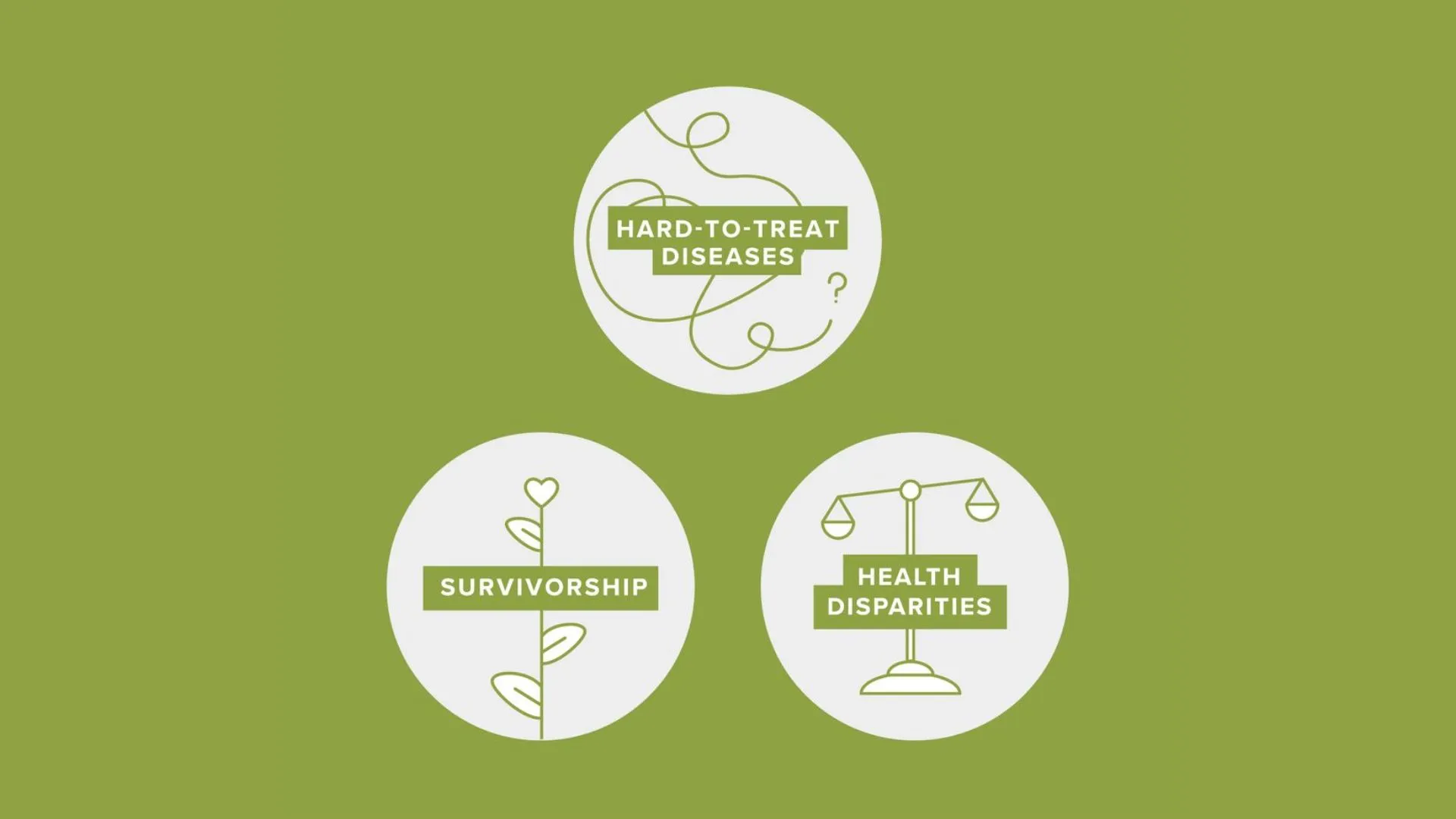
The Children’s Cancer Research Fund (CCRF) has officially unveiled a new suite of research grants aimed at addressing some of the most critical gaps in pediatric oncology, ranging from the treatment of highly aggressive solid tumors to the mitigation of long-term health complications in survivors. These five newly funded projects represent a strategic investment in high-risk, high-reward science, focusing on three primary categories: hard-to-treat cancers, health disparities, and survivorship. By targeting areas where current medical standards are insufficient, these researchers aim to redefine the prognosis for children facing life-threatening diagnoses and to improve the quality of life for those who have successfully completed treatment.
The announcement comes at a pivotal moment for pediatric cancer research. While overall survival rates for childhood cancers have improved significantly over the last several decades, moving from approximately 50% in the 1970s to over 80% today, progress has been uneven. Certain types of pediatric cancers remain nearly incurable, and the intensive treatments required to achieve remission often leave survivors with lifelong chronic health conditions. Furthermore, socioeconomic factors continue to play a disproportionate role in determining patient outcomes, a reality that the CCRF’s new funding cycle seeks to address directly.
Breakthroughs in Hard-to-Treat Malignancies
The first pillar of the CCRF’s new funding initiative focuses on "hard-to-treat" cancers, which are defined by their resistance to conventional therapies like chemotherapy and radiation. Two projects in this category are exploring the frontiers of immunotherapy, a field that harnesses the body’s own immune system to identify and destroy malignant cells.
Dr. Kyle Williams of the University of Minnesota is spearheading a project to develop a Chimeric Antigen Receptor (CAR) T-cell therapy specifically for malignant peripheral nerve sheath tumors (MPNST). These tumors are highly aggressive sarcomas that often arise in children and young adults, particularly those with the genetic condition neurofibromatosis type 1 (NF1). Currently, MPNSTs are notoriously resistant to standard treatments, and there are no FDA-approved targeted therapies or immunotherapies available for this specific diagnosis. Dr. Williams’ research aims to engineer a patient’s T-cells to recognize and attack the unique markers of MPNST, potentially offering a first-of-its-kind treatment option for a disease that has historically seen poor clinical outcomes.
In a parallel effort, Dr. Kelly Goldsmith at Emory University is addressing one of the most significant hurdles in neuroblastoma treatment: brain metastasis. Neuroblastoma is the most common extracranial solid tumor in children, and while survival rates have improved for localized disease, cases that spread to the central nervous system are exceptionally difficult to treat. The primary obstacle is the blood-brain barrier, a highly selective semipermeable border that prevents most systemic drugs from entering the brain. Dr. Goldsmith’s team is developing an "off-the-shelf" immunotherapy using gamma delta T-cells. Unlike conventional T-cells, gamma delta T-cells possess an innate ability to penetrate the blood-brain barrier. By engineering these cells to target neuroblastoma, Dr. Goldsmith hopes to create a viable pathway for treating metastatic disease that has escaped the reach of traditional chemotherapy.

Addressing the Socioeconomic Drivers of Health Disparities
The second pillar of the CCRF funding cycle acknowledges that medical science does not exist in a vacuum. Socioeconomic factors, often referred to as the social determinants of health, can have as much impact on a child’s survival as the biology of the tumor itself.
Dr. Puja Umaretiya of the University of Texas Southwestern is leading a groundbreaking pilot randomized trial to address the financial toxicity associated with childhood cancer. Data indicates that nearly 50% of families navigating a diagnosis of relapsed or advanced childhood cancer struggle to meet basic needs such as housing, food, and transportation. This financial strain can lead to missed appointments, delays in treatment, and increased stress, all of which negatively impact clinical outcomes. Dr. Umaretiya’s study is designed to provide structured support to families facing poverty, testing whether targeted financial and social interventions can reduce health disparities and improve the overall trajectory of care for high-risk patients. This research marks a shift in pediatric oncology toward a more holistic model of care that integrates social work and economic support into the clinical framework.
Improving Long-Term Outcomes and Survivorship
The final pillar of the new grants focuses on survivorship. As the population of childhood cancer survivors grows—now estimated at over 500,000 in the United States alone—the medical community is increasingly focused on the "late effects" of treatment.

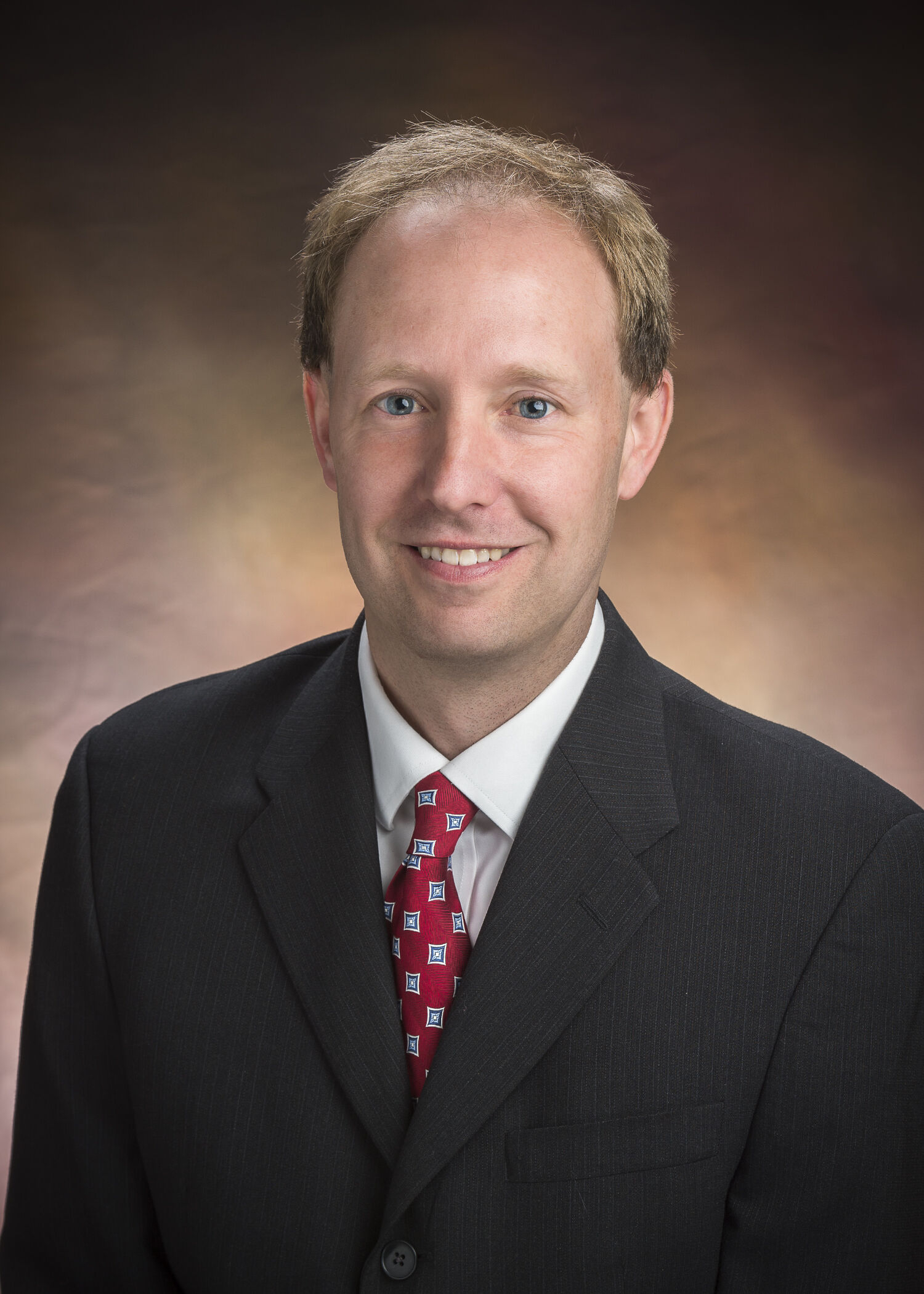
Dr. Brian Fisher at the Children’s Hospital of Philadelphia (CHOP) is conducting a multi-center study to evaluate the long-term infection risks following leukemia treatment. Leukemia is the most common form of childhood cancer, and while cure rates are high, the impact of treatment on the developing immune system is profound. Dr. Fisher’s research will compare the immune recovery of children who received traditional chemotherapy with those who were treated with newer, "targeted" immunotherapies. This data is crucial for developing personalized follow-up care plans, as it will help clinicians understand which survivors remain at the highest risk for life-threatening infections years after their cancer has been cleared.
In addition to immune health, metabolic health is a major concern for survivors. Dr. Brandy-Joe Milliron at Drexel University is investigating the role of nutrition in preventing chronic illness post-treatment. Children treated for leukemia face significantly higher risks of developing obesity, insulin resistance, and cardiovascular disease in early adulthood. Dr. Milliron is testing a virtually delivered nutrition program designed to help families establish healthy eating patterns during and after treatment. By utilizing a virtual platform, the program aims to increase accessibility for families who may not have easy access to specialized nutritional counseling. The goal is to mitigate the metabolic damage caused by intensive chemotherapy and steroids, ensuring that survivors do not trade a cancer diagnosis for a lifetime of chronic metabolic disease.
Context and Chronology of Pediatric Cancer Funding
The CCRF’s decision to fund these five projects reflects a broader trend in the oncology community toward precision medicine and patient-centered outcomes. Historically, pediatric cancer research has been underfunded relative to adult cancers. According to data from the National Cancer Institute (NCI), only about 4% of the federal budget for cancer research is dedicated specifically to childhood cancers. This "4% gap" has made private philanthropic organizations like the CCRF essential drivers of innovation.

Since its inception in 1981, the Children’s Cancer Research Fund has contributed over $200 million to research, education, and family support services. The organization was founded following the death of 13-year-old Katie Hageboeck, whose dying wish was that her memorial fund be used to find a cure for leukemia. Over the last four decades, the organization has evolved from a local fundraising effort for the University of Minnesota to a national powerhouse that funds researchers at leading institutions across the country.
The current funding cycle began with a rigorous peer-review process, where hundreds of proposals were evaluated by a scientific advisory board composed of leading oncologists and researchers. The selection of these five projects signifies a move toward addressing "unmet needs"—areas where the pharmaceutical industry may lack the financial incentive to invest due to the rarity of the conditions, but where the human impact is immense.
Implications for the Future of Pediatric Oncology
The implications of these research projects extend far beyond the individual laboratories where the work is being conducted. If successful, Dr. Williams’ and Dr. Goldsmith’s work could lead to new FDA-approved immunotherapies, providing a lifeline for children with currently untreatable tumors. This would mark a significant shift in the standard of care, moving away from "blunt force" treatments like high-dose radiation toward more precise, biological interventions.
Furthermore, the work of Dr. Umaretiya, Dr. Fisher, and Dr. Milliron reflects an evolving definition of success in oncology. Success is no longer measured solely by the absence of disease, but by the ability of the patient to live a full, healthy, and productive life. By addressing poverty, long-term infection risks, and metabolic health, these researchers are acknowledging that the journey of a cancer patient does not end on the day of their last treatment.
As these five projects move forward, they will provide critical data that could inform clinical trials and healthcare policy on a national level. The CCRF’s investment underscores the belief that breakthroughs are not accidental; they are the result of sustained financial support for researchers willing to pursue bold, unconventional ideas. In a field where the stakes are the lives of children, the pursuit of "better" is not just a goal, but a scientific and moral necessity.
