
 By Budi Oetomo Narendra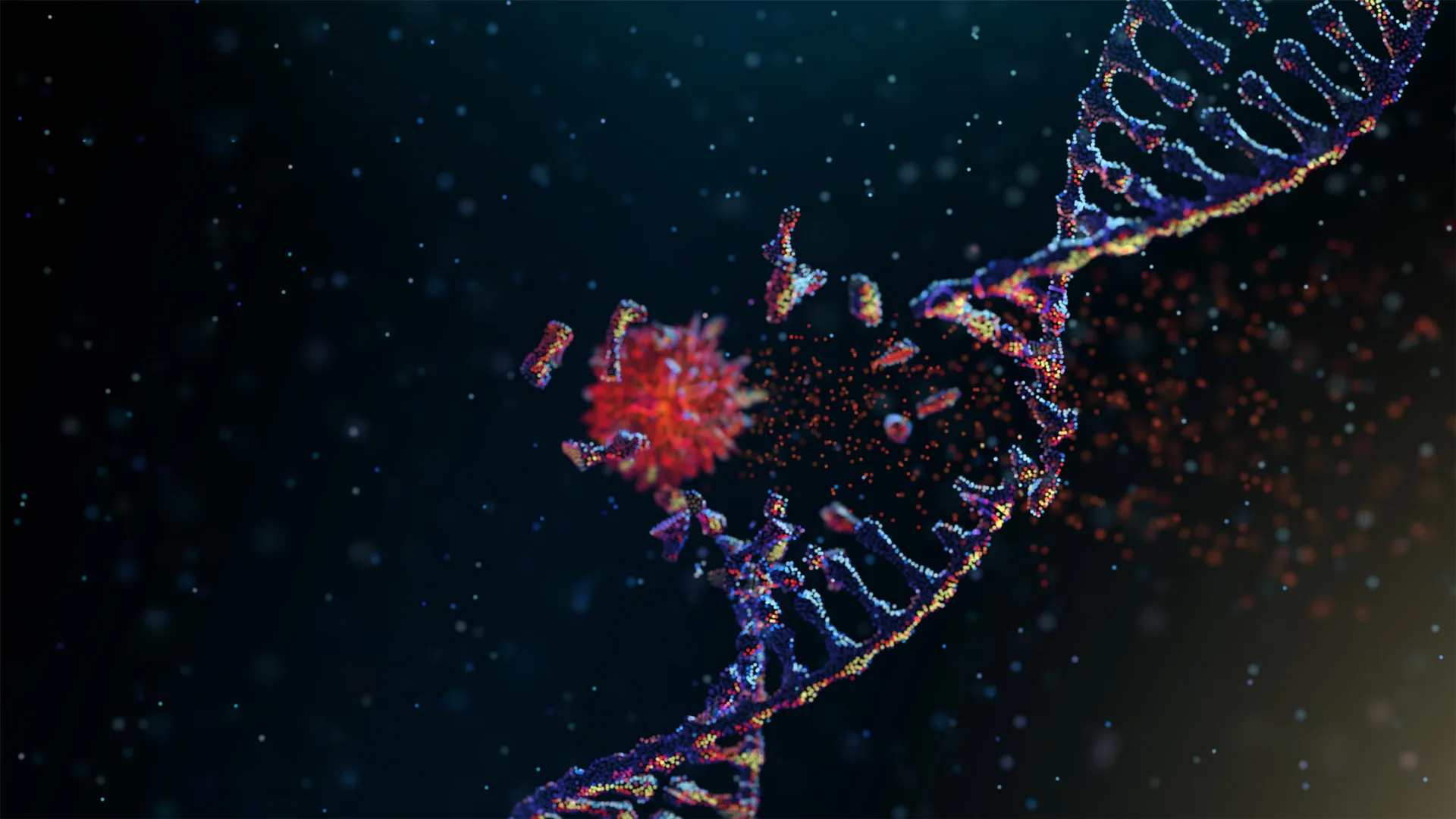
San Diego, CA – In a significant breakthrough for cancer research, scientists at the University of California San Diego (UCSD) have identified the enzyme directly responsible for initiating chromothripsis, a catastrophic genetic event where a chromosome shatters into numerous fragments and is haphazardly reassembled. This chaotic genomic rearrangement is a potent driver of rapid cancer evolution and treatment resistance, a challenge that has long puzzled oncologists and geneticists. For over a decade since its initial recognition as a major force in cancer progression, the precise molecular mechanism setting chromothripsis in motion remained elusive. The new findings, published in the prestigious journal Science, illuminate this critical cause, offering a novel and actionable pathway for developing therapeutic interventions against some of the most aggressive and challenging cancers.
Unraveling a Decade-Old Mystery: The Genesis of Chromothripsis
Chromothripsis, a term coined from Greek words meaning "chromosome shattering," was first described in 2011, fundamentally altering our understanding of how cancer genomes evolve. Before its discovery, the prevailing view was that cancer development involved a gradual accumulation of genetic mutations over extended periods. Chromothripsis presented a stark contrast: a single, cataclysmic event capable of introducing dozens, even hundreds, of genomic alterations in one fell swoop. This "burst of evolution" confers an immense adaptive advantage to cancer cells, enabling them to quickly bypass therapeutic hurdles and develop resistance to otherwise effective treatments. The sheer scale and speed of these genetic modifications make chromothripsis a formidable adversary in the fight against cancer.
The impact of chromothripsis extends across a wide spectrum of malignancies. Studies indicate that approximately one in four cancers exhibits signs of this dramatic chromosome damage. In certain cancer types, the prevalence is even more striking. Nearly all cases of osteosarcoma, an aggressive bone cancer predominantly affecting children and young adults, show clear evidence of chromothripsis. Similarly, many brain cancers, including glioblastoma, are characterized by exceptionally elevated levels of this genomic instability. The high incidence and profound consequences of chromothripsis underscored the urgent need to understand its underlying triggers, a quest that has finally yielded a definitive answer.
The Search for the "Molecular Spark": N4BP2 Identified
The UCSD team’s discovery centered on identifying the specific enzyme that acts as the "molecular spark" igniting this destructive chain reaction. It was previously understood that chromothripsis begins with errors during cell division, specifically when individual chromosomes become inadvertently trapped within small, fragile membrane-bound compartments known as micronuclei. These micronuclei are prone to rupture, leaving the enclosed chromosome exposed and vulnerable. Once exposed, the DNA within these ruptured micronuclei becomes susceptible to degradation by nucleases – enzymes whose primary function is to cut DNA strands. However, the identity of the specific nuclease responsible for initiating the catastrophic fragmentation remained unknown, hindering efforts to devise targeted therapies.
To pinpoint the culprit, the researchers embarked on a meticulous and systematic investigation. They employed an advanced imaging-based screening approach, allowing them to examine every known and predicted human nuclease. This comprehensive strategy involved monitoring the behavior of each enzyme within living cancer cells, meticulously observing which, if any, demonstrated the unique ability to enter micronuclei and fragment the DNA contained within. Amidst this extensive search, one enzyme conspicuously stood out: N4BP2. It possessed the distinctive characteristics required to penetrate micronuclei and initiate the devastating DNA fragmentation.
The identification of N4BP2 was then rigorously validated through a series of elegant experimental manipulations. When the research team genetically removed N4BP2 from brain cancer cells, they observed a dramatic reduction in chromosome shattering, confirming its critical role in the process. Conversely, when N4BP2 was deliberately forced into the nucleus of cells, even otherwise healthy ones, intact chromosomes began to break apart. These experiments provided unequivocal evidence of N4BP2’s direct causal link to chromothripsis.
"This discovery finally reveals the molecular ‘spark’ that ignites one of the most aggressive forms of genome rearrangement in cancer," stated Dr. Don Cleveland, senior author of the study and a distinguished professor of cellular and molecular medicine at UC San Diego School of Medicine and a member of UC San Diego Moores Cancer Center. "By finding what breaks the chromosome in the first place, we now have a new and actionable point of intervention for slowing cancer evolution." Dr. Ksenia Krupina, the first author of the study and a postdoctoral fellow at UC San Diego, further emphasized the significance, adding, "These experiments showed us that N4BP2 isn’t just correlated with chromothripsis. It is sufficient to cause it. This is the first direct molecular explanation for how catastrophic chromosome fragmentation begins."
The Profound Connection to Extrachromosomal DNA (ecDNA)
Beyond merely triggering chromosome shattering, the UCSD study also illuminated a crucial link between N4BP2-driven chromothripsis and the formation of extrachromosomal DNA (ecDNA). EcDNA consists of circular DNA fragments that exist independently of the cell’s main chromosomes. These enigmatic structures frequently carry oncogenes – genes that promote cancer growth – and are strongly associated with highly aggressive tumor behavior, rapid disease progression, and the notorious development of resistance to conventional therapies. Tumors abundant in ecDNA are notoriously difficult to treat, making ecDNA a subject of intense scientific scrutiny. Its importance is underscored by its designation as one of the "Cancer Grand Challenges" by prominent organizations such as the National Cancer Institute (NCI) in the United States and Cancer Research UK.
The research team examined a vast dataset comprising over 10,000 cancer genomes spanning multiple tumor types. Their analysis revealed a compelling correlation: cancers exhibiting higher levels of N4BP2 activity displayed significantly more chromothripsis and extensive large-scale structural rearrangements within their genomes. Crucially, these tumors also possessed increased quantities of ecDNA. This finding suggests that ecDNA is not an independent phenomenon but rather a downstream consequence of the genomic chaos initiated by chromothripsis. By positioning N4BP2 at the very beginning of this cascade, the study provides a pivotal entry point for understanding and potentially controlling some of the most unstable and dangerous forms of cancer genome instability, offering a potential upstream target for therapies aimed at mitigating ecDNA’s detrimental effects.
Implications for Future Cancer Diagnostics and Therapies
The identification of N4BP2 as the orchestrator of chromothripsis and a key contributor to ecDNA formation opens up exciting and unprecedented avenues for cancer diagnostics and therapeutics. For decades, oncologists have grappled with the challenges posed by rapidly evolving, drug-resistant tumors. This discovery provides a concrete molecular target that could fundamentally alter the landscape of cancer treatment.
One immediate implication is the potential for developing novel diagnostic tools. Assessing N4BP2 activity or its specific genomic footprints could serve as a powerful biomarker to identify tumors prone to chromothripsis and ecDNA formation, thereby flagging patients at higher risk for aggressive disease progression and treatment failure. Such early identification could guide more personalized and aggressive treatment strategies from the outset.
From a therapeutic standpoint, the possibilities are even more profound. The study suggests that directly targeting N4BP2 itself, perhaps through the development of specific enzyme inhibitors, could prevent the initial catastrophic chromosome fragmentation. By disrupting N4BP2’s ability to enter micronuclei or to cleave DNA, researchers could potentially halt chromothripsis at its earliest stage. Alternatively, therapeutic strategies might focus on the pathways that activate N4BP2 or that lead to the formation and rupture of micronuclei, thus preventing the conditions necessary for chromothripsis to occur.
"Understanding what triggers chromothripsis gives us a new way to think about stopping it," Dr. Cleveland affirmed. "By targeting N4BP2 or the pathways it activates, we may be able to limit the genomic chaos that allows tumors to adapt, recur and become drug-resistant." Such interventions could effectively "slow down" or even "switch off" the rapid evolutionary bursts that empower cancer cells to evade therapies, offering a renewed hope for patients battling the most challenging forms of the disease.
Broader Scientific Context and Future Research Directions
This groundbreaking research, supported in part by significant funding from the National Institutes of Health (NIH), represents a critical advancement in the broader field of genome stability and cancer biology. It underscores the intricate mechanisms by which cells maintain genomic integrity and how their failure can lead to devastating diseases like cancer. The collaborative nature of the study, involving researchers from UC San Diego and institutions like the University of Cambridge and the Wellcome Trust Sanger Institute, highlights the global effort required to tackle complex biological problems.
Future research will undoubtedly focus on several key areas. The development of specific N4BP2 inhibitors will be a priority, requiring extensive medicinal chemistry and preclinical testing. Researchers will also delve deeper into the regulatory mechanisms governing N4BP2 activity, seeking to understand how its expression and function are controlled within both healthy and cancerous cells. Clinical trials exploring the efficacy of N4BP2-targeted therapies, either as standalone treatments or in combination with existing chemotherapies and immunotherapies, will be the ultimate test of this discovery’s translational potential. Furthermore, understanding if N4BP2 plays a role in other forms of genomic instability or cellular dysfunction could open up even wider avenues for scientific inquiry.
The identification of N4BP2 provides a long-awaited answer to a fundamental question in cancer biology. It transforms a perplexing phenomenon into a tangible target, offering a beacon of hope for developing more effective strategies to combat aggressive cancers, improve patient outcomes, and ultimately, bring us closer to a future where the chaotic power of chromothripsis can be brought under control. This scientific milestone not only enriches our understanding of cancer at its most basic genomic level but also lays the groundwork for a new generation of precision medicines designed to disarm cancer’s most potent evolutionary weapon.
