
 By admin
The Great Cycle Challenge (GCC) has officially entered its second decade as a cornerstone of national philanthropic efforts, mobilizing a diverse demographic of cyclists to address the critical funding gap in childhood cancer research. Now in its 11th year, the initiative has evolved from a nascent fundraising effort into a massive, multi-state movement that empowers riders of all ages and skill levels to contribute to the Children’s Cancer Research Fund (CCRF). Since the event’s inception, participants have collectively cycled more than 35 million miles and raised over $80 million, providing a vital influx of capital into a medical field that is often underfunded relative to adult oncology. The 2025 campaign continues this trajectory, centering its mission on the belief that children should be defined by their growth and experiences rather than their medical battles.
A Decade of Momentum: The Evolution of the Great Cycle Challenge
The Great Cycle Challenge was established with a unique decentralized model that allows for maximum inclusivity. Unlike traditional single-day marathons or regional bike-a-thons, the GCC operates as a month-long commitment where participants set their own mileage goals and fundraising targets. This flexibility has allowed the event to penetrate every state in the U.S., engaging riders who participate on mountain trails, suburban streets, and even stationary bikes in home gyms.
Over the past eleven years, the growth of the GCC has mirrored a broader shift in charitable giving toward peer-to-peer fundraising facilitated by digital platforms. By leveraging social media and real-time mileage tracking, the challenge has fostered a sense of community among individuals who may never meet in person but are united by the shared goal of eradicating pediatric cancer. The $80 million raised to date has been channeled directly into high-impact research projects, including the development of less toxic treatments and the exploration of genetic predispositions to certain childhood malignancies.
The Human Element: Profiles of the 2025 GCC Ambassadors
Central to the 2025 campaign are the stories of the GCC Ambassadors—children who represent the diverse spectrum of pediatric cancer diagnoses and the resilience required to navigate them. These stories serve as the primary motivation for the thousands of cyclists who commit to the challenge each year.
Bryleigh: Resilience in the Face of Intensive Therapy
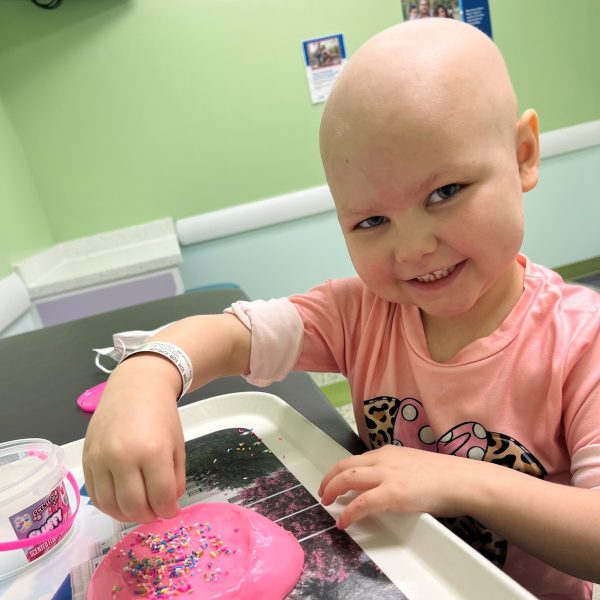
Four-year-old Bryleigh was diagnosed with B-cell acute lymphoblastic leukemia (ALL) after a persistent rash prompted her parents to seek urgent medical care. Her journey highlights the grueling nature of modern pediatric protocols, which include chemotherapy, frequent spinal taps, and lumbar punctures. Bryleigh’s case was further complicated by intestinal perforation and the necessity of port replacement surgeries. Currently, she is navigating the "delayed intensification" (DI) phase of her treatment—a secondary, rigorous round of chemotherapy designed to eliminate any residual malignant cells. Despite the physical toll on her appetite and weight, Bryleigh has maintained a spirit of motion, famously utilizing her scooter to navigate hospital corridors even during her most difficult weeks of inpatient care.
Joel: The Critical Role of Parental Advocacy
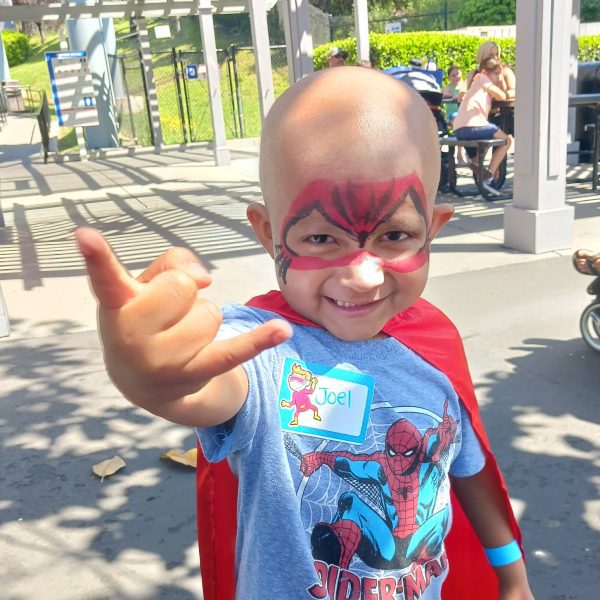
For six-year-old Joel, the path to a diagnosis of B-cell ALL was fraught with diagnostic hurdles. His family sought emergency medical attention five times before his condition was accurately identified, highlighting the persistent need for awareness regarding pediatric cancer symptoms. Since his 2023 diagnosis, Joel has survived pneumonia, anaphylactic reactions to medication, and severe infections. As a 2025 Ambassador, Joel and his family emphasize the importance of advocacy and persistence within the healthcare system. His message to fellow survivors is one of unwavering endurance, regardless of the hardships encountered during the clinical journey.
Kane: Imagination as a Tool for Healing
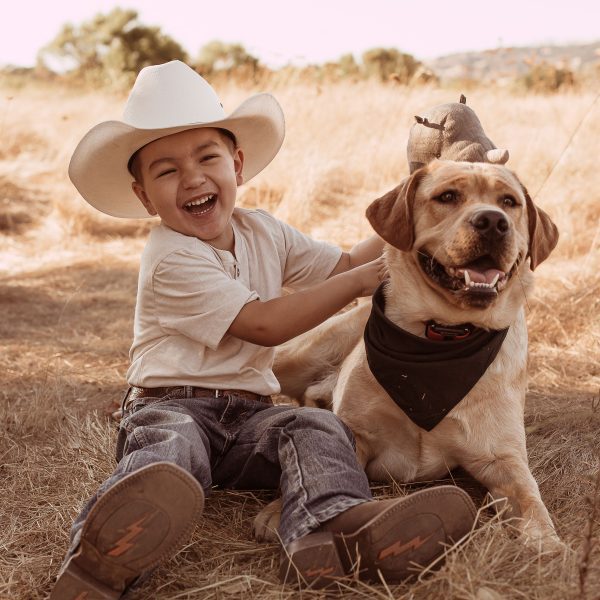
Five-year-old Kane, also battling B-cell ALL, has utilized his imagination as a primary coping mechanism. Following a diagnosis triggered by high fevers, Kane has become a prolific storyteller, creating elaborate narratives involving his stuffed rhinoceros, Ron, and his dog, Knox. For Kane’s parents, the "cheerful noise" of his songs and stories serves as a metric for his recovery. His ability to hit developmental milestones while undergoing treatment underscores the importance of research that preserves a child’s cognitive and emotional well-being alongside their physical health.
Kylie: The Challenge of Relapse and Stage 4 Diagnoses
Kylie, aged nine, represents the complex reality of stage 4 alveolar rhabdomyosarcoma, a rare and aggressive soft-tissue cancer. After an initial "frontline" treatment that required over 100 days of hospitalization, Kylie briefly returned to a sense of normalcy, attending school and re-engaging with her peers. However, a recent relapse has introduced new physical and psychological challenges for her family. Kylie’s situation illustrates the critical need for "second-line" and "salvage" therapies, as relapsed rhabdomyosarcoma remains one of the most difficult conditions to treat in pediatric oncology.
Rubi: Maintaining Childhood Spirit Through Long-Term Treatment
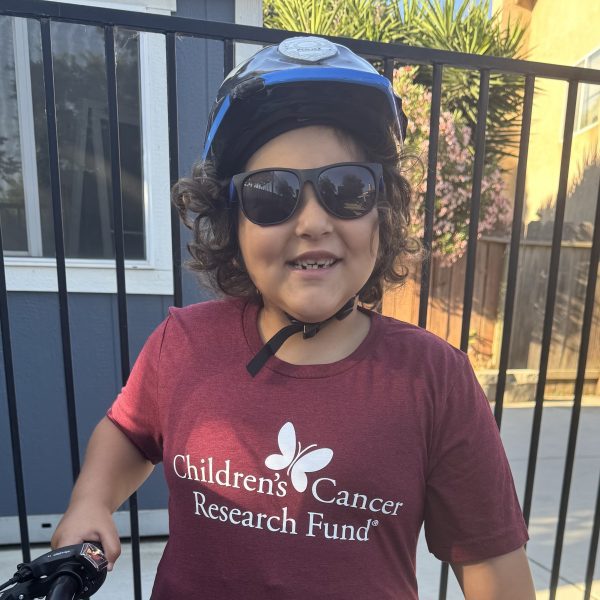
Rubi was diagnosed with ALL at the age of three after her parents noted unexplained bruising and chronic fatigue. Now six, Rubi has spent half of her life in the shadow of cancer treatment. Her journey is a testament to the long-term endurance required of pediatric patients. Despite the regularity of hospital stays and the side effects of chemotherapy, Rubi’s focus remains on the simple joys of childhood, such as riding her bike—a poignant parallel to the mission of the Great Cycle Challenge itself.
Zander: Overcoming the Physical Toll of Wilms’ Tumor
Six-year-old Zander’s experience with Wilms’ tumor involved the surgical removal of a mass the size of a football, along with one of his kidneys. While his initial treatment appeared successful, the cancer later relapsed, spreading to his femur, vertebrae, and foot. Zander’s recovery involves not only oncological care but also physical therapy to regain coordination and balance. His "toughness" is often masked by a mischievous personality, though the large surgical scars on his abdomen serve as a permanent reminder of the biological battle he continues to fight.
Addressing the Funding Gap in Pediatric Research
The funds raised by the Great Cycle Challenge are essential because pediatric cancer research is chronically underfunded by federal sources. In the United States, the National Cancer Institute (NCI) allocates a significant majority of its budget to adult cancers, leaving pediatric researchers to rely heavily on private foundations and community-driven events like the GCC.
Children’s cancers are biologically distinct from adult cancers; they are not typically caused by lifestyle or environmental factors but are often the result of DNA changes that occur early in life. Consequently, they require specialized research and unique therapeutic approaches. The CCRF utilizes GCC donations to fund "seed grants" for innovative researchers who might otherwise struggle to secure federal funding for new, unproven theories. This venture-philanthropy model has historically led to breakthroughs in immunotherapy and targeted biologics that offer higher cure rates with fewer long-term side effects.
The Shifting Paradigm: From Survival to Survivorship
One of the primary goals of the CCRF and the GCC is to look beyond the immediate goal of remission. As survival rates for common pediatric cancers like ALL have improved to nearly 90%, the medical community is shifting its focus toward "survivorship"—the long-term health of children after they finish treatment.
Many survivors face "late effects" of chemotherapy and radiation, including heart disease, secondary cancers, and cognitive impairments. The Great Cycle Challenge specifically funds research into safer, "smarter" therapies that minimize this collateral damage. By supporting after-cancer interventions, the GCC ensures that children like Bryleigh, Joel, and Zander do not just survive their diagnoses but go on to lead healthy, productive adult lives.
Participation and the Power of Peer-to-Peer Philanthropy
The 2025 Great Cycle Challenge is structured to be the most inclusive iteration to date. Organizers emphasize that "every mile matters," regardless of whether those miles are logged on a professional road bike or a child’s scooter. This philosophy lowers the barrier to entry, allowing the GCC to tap into a massive network of small-dollar donors and casual athletes.
Participants typically sign up through the official GCC website, where they create a personal profile to share their motivation for riding. They then solicit "sponsorships" from their personal and professional networks. This model not only raises funds but also serves as a massive awareness campaign, educating the public on the realities of childhood cancer through the shared stories of the ambassadors.
Broader Implications and Future Outlook
The success of the Great Cycle Challenge has broader implications for the future of non-profit fundraising. It demonstrates the efficacy of "gamifying" philanthropy—using mileage goals and digital badges to encourage consistent engagement. Furthermore, it highlights a growing trend where donors prefer to see the direct impact of their contributions on specific individuals and research projects.
As the 11th annual event progresses, the focus remains on the ultimate goal: a world where no child has to fight for their life. The $80 million raised over the past decade has built a foundation for the next generation of oncology, but the stories of Kylie and Zander remind the community that the work is far from finished. For the thousands of riders joining the 2025 challenge, the mission is clear: keep pedaling until every child can trade a hospital bed for a bike seat.
To learn more about the initiative or to register for the upcoming season, interested parties are encouraged to visit the official website at GreatCycleChallenge.com. Through the collective efforts of the GCC community, the hope is that the next decade of research will bring even more targeted therapies and, eventually, a definitive end to childhood cancer.
