
 By Budi Oetomo Narendra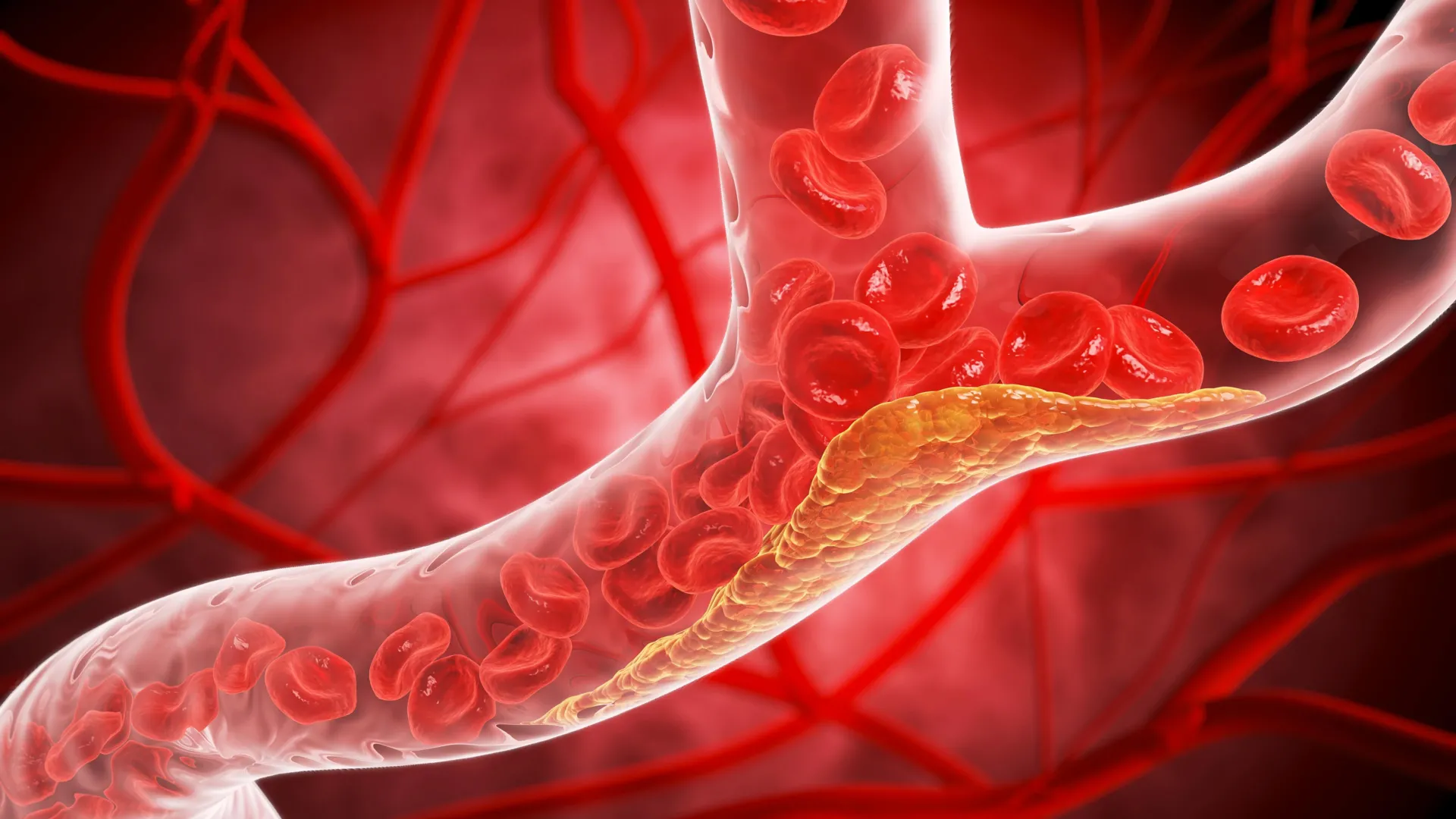
The implications of an oral drug with such profound efficacy are substantial, particularly given the persistent challenges in managing hyperlipidemia effectively within the general population. "Fewer than half of patients with established atherosclerotic cardiovascular disease currently reach LDL cholesterol goals. An oral therapy this effective has the potential to dramatically improve our ability to prevent heart attacks and strokes on a population level," stated Ann Marie Navar, M.D., Ph.D., a distinguished cardiologist and Associate Professor of Internal Medicine and in the Peter O’Donnell Jr. School of Public Health at UT Southwestern Medical Center. Dr. Navar spearheaded this pivotal study, which received sponsorship from the pharmaceutical giant Merck & Co. Inc., underscoring the collaborative effort between academia and industry in addressing critical public health needs.
The Enduring Threat of High LDL Cholesterol
For many decades, the scientific community has unequivocally established the central and detrimental role of LDL cholesterol in the pathogenesis of cardiovascular disease (CVD), the leading cause of mortality worldwide. These microscopic cholesterol particles, when present in excess, can infiltrate and accumulate within the inner walls of arteries, initiating a pathological process known as atherosclerosis. Over time, this buildup hardens into plaques, narrowing the arterial lumen, impeding blood flow, and increasing the risk of plaque rupture, which can trigger acute events such as heart attacks (myocardial infarction) or strokes (cerebrovascular accident). The World Health Organization (WHO) estimates that CVD claims approximately 17.9 million lives each year, representing 32% of all global deaths. In the United States alone, the Centers for Disease Control and Prevention (CDC) reports that one person dies every 34 seconds from cardiovascular disease, with high LDL cholesterol being a primary modifiable risk factor. Consequently, aggressive reduction of LDL cholesterol remains a cornerstone strategy for both primary prevention (preventing disease onset) and secondary prevention (reducing risk in those already affected) of cardiovascular events. Despite the availability of effective therapies, a significant proportion of high-risk patients still struggle to achieve recommended LDL targets, highlighting an urgent unmet medical need that enlicitide aims to address.
Enlicitide: A New Oral Frontier in Lipid-Lowering Therapy
Enlicitide represents a novel approach to lipid management, distinguishing itself through its oral administration while targeting a well-validated biological pathway. The drug specifically acts on the proprotein convertase subtilisin/kexin type 9 (PCSK9) pathway, a mechanism previously exploited by highly effective but injectable therapies. By attaching to the PCSK9 protein in the bloodstream, enlicitide effectively neutralizes its activity. The PCSK9 protein typically binds to and degrades LDL receptors on the surface of liver cells, thereby reducing the liver’s capacity to clear LDL cholesterol from the circulation. By inhibiting PCSK9, enlicitide ensures that more LDL receptors remain active on liver cells, leading to a more efficient and sustained removal of LDL cholesterol from the bloodstream.
This oral delivery method marks a crucial differentiation from existing PCSK9 inhibitors, such as the monoclonal antibodies evolocumab and alirocumab, and the RNA-based therapy inclisiran. While these injectable drugs have demonstrated similar impressive LDL reductions of approximately 60%, their route of administration has presented significant barriers to widespread adoption and adherence, despite their proven efficacy in clinical trials and real-world settings. Enlicitide’s once-daily oral formulation promises to simplify the treatment regimen dramatically, potentially overcoming the reluctance many patients and physicians have towards regular injections, thereby expanding access to this potent class of lipid-lowering agents.
The Landmark Phase 3 Clinical Trial: Detailed Insights
The pivotal phase three trial, which cemented enlicitide’s efficacy, enrolled a robust cohort of 2,909 participants. This diverse group included individuals with established atherosclerotic cardiovascular disease (ASCVD) or those deemed at high risk due to co-morbid conditions like diabetes or familial hypercholesterolemia. Approximately two-thirds of the participants were randomized to receive enlicitide, while the remaining third received a placebo, ensuring a rigorous comparison. A critical aspect of the trial design was that the vast majority of participants were already receiving optimal, high-intensity statin therapy, yet their baseline average LDL cholesterol level remained elevated at 96 milligrams per deciliter (mg/dl). This figure is notably above the recommended targets of 70 mg/dl for patients with ASCVD and even stricter targets of 55 mg/dl for those at very high risk, underscoring the limitations of statins alone for many individuals.
"The study population reflects what we see in clinical practice," Dr. Navar noted, highlighting the relevance of the trial’s findings to everyday medical challenges. "Even the highest intensity statins are often not enough to get people to their cholesterol goals."
After 24 weeks of treatment, the results were compelling: patients receiving enlicitide experienced an average reduction in LDL cholesterol of approximately 60% compared with the placebo group. Beyond LDL-C, the drug also demonstrated favorable effects on other crucial markers linked to cardiovascular risk, including non-HDL lipoprotein cholesterol, apolipoprotein B (ApoB), and lipoprotein(a) [Lp(a)]. These improvements were not transient; they were consistently maintained over a full year of follow-up, suggesting a durable therapeutic effect. Dr. Navar emphasized the magnitude of these findings: "These reductions in LDL cholesterol are the most we have ever achieved with an oral drug by far since the development of statins." The trial’s safety profile, while requiring further long-term monitoring, was reported to be generally favorable, with adverse event rates comparable between the enlicitide and placebo groups, a crucial factor for a chronic medication.
A Legacy of Discovery: From Nobel Prize to Novel Therapies
Enlicitide’s development is not an isolated event but rather the culmination of decades of pioneering scientific research, much of it originating from UT Southwestern Medical Center. The story begins with the foundational work of researchers Michael Brown, M.D., and Joseph Goldstein, M.D. In the 1970s, their groundbreaking investigations led to the identification of the LDL receptor on liver cells, elucidating its critical role in clearing LDL cholesterol from the bloodstream. This monumental discovery revolutionized our understanding of cholesterol metabolism and earned them the Nobel Prize in Physiology or Medicine in 1985. Their work directly paved the way for the development of statins, a class of drugs that inhibit a key enzyme in cholesterol synthesis, leading to an upregulation of LDL receptors and increased LDL clearance. Statins quickly became, and remain, the most widely prescribed and effective cholesterol-lowering medications globally, saving millions of lives.
The intellectual legacy at UT Southwestern continued with the Dallas Heart Study, led by Helen Hobbs, M.D., and Jonathan Cohen, Ph.D. Through comprehensive genetic studies of the diverse Dallas population, their team made another pivotal discovery: some individuals naturally exhibit remarkably low LDL cholesterol levels due to genetic mutations that reduce the production of the PCSK9 protein. They demonstrated that PCSK9 acts as a negative regulator of LDL receptors, limiting their number on liver cells and thereby hindering the body’s ability to clear cholesterol. This profound insight provided a new therapeutic target, leading to the rapid development of injectable PCSK9 inhibitors. These include monoclonal antibodies like evolocumab (Repatha) and alirocumab (Praluent), as well as RNA-based therapies such as inclisiran (Leqvio), all of which can lower LDL cholesterol by approximately 60%, validating the therapeutic potential of targeting PCSK9. Enlicitide now builds upon this rich scientific heritage, translating the understanding of the PCSK9 pathway into a more patient-friendly oral formulation.
Addressing the Gaps: Why Current High-Efficacy Treatments Are Underused
Despite the undeniable efficacy of injectable PCSK9 inhibitors, their utilization in routine clinical practice has remained disappointingly low, failing to reach the millions of high-risk patients who could benefit. Dr. Navar pointed out that initial barriers included the prohibitive costs of these novel therapies and complex insurance approval processes. While these issues have seen some improvement over time due to negotiation and increasing competition, a significant hurdle persists: physician and patient reluctance to administer or receive regular injections. For many, the inconvenience and discomfort associated with self-injections, even infrequent ones, outweigh the perceived benefits, particularly when compared to the simplicity of taking a daily pill.
This "injection aversion" represents a critical adherence challenge in chronic disease management. For patients already managing multiple conditions and medications, adding another injectable therapy can be daunting. As a result, a substantial number of patients, even those with established ASCVD or very high genetic risk, continue to have LDL levels far above recommended targets, leaving them vulnerable to preventable cardiovascular events. The introduction of an oral PCSK9 inhibitor like enlicitide is therefore not just an incremental improvement but a potential paradigm shift that could bridge this critical gap between therapeutic efficacy and real-world clinical application.
Regulatory Pathway and Future Outlook
The promising results from the phase three trial mark a significant milestone for enlicitide. However, the journey to widespread clinical use involves several more crucial steps. The drugmaker Merck & Co. Inc. is expected to submit its comprehensive data package to the FDA for regulatory review and potential approval. This process typically involves a thorough evaluation of the drug’s safety, efficacy, and manufacturing quality.
Crucially, an additional clinical trial is already underway to definitively determine whether the observed substantial reductions in LDL cholesterol with enlicitide translate directly into a corresponding reduction in major cardiovascular events (MACE), such as heart attacks, strokes, and cardiovascular death. While strong evidence links LDL reduction to MACE reduction, regulatory bodies and clinical guidelines often require direct outcomes data for new therapies, especially those positioned for broad use in high-risk populations. A positive outcome from this "outcomes trial" would be instrumental in securing favorable reimbursement policies from insurance providers and widespread adoption into clinical practice guidelines.
From a market perspective, enlicitide could represent a multi-billion-dollar opportunity for Merck. The global market for cholesterol-lowering drugs is vast, and an oral, highly effective PCSK9 inhibitor would likely capture a significant share, potentially challenging the dominance of statins in certain high-risk patient segments and competing directly with existing injectables. Pricing strategies will be critical, as will demonstrating cost-effectiveness in the long term, especially if outcomes data proves favorable.
Expert Perspectives and Broader Implications
The potential approval of enlicitide would usher in a new era of cholesterol management. Public health experts anticipate a measurable impact on population-level cardiovascular health. "This drug could be a game-changer for millions who struggle to reach their cholesterol goals, even on existing therapies," commented an independent cardiologist, reflecting a general sentiment within the medical community. Patient advocacy groups are also likely to welcome an effective oral option, recognizing the challenges many face with injectable medications.
However, the introduction of any new high-efficacy drug also brings new considerations. Long-term safety data, beyond the current one-year follow-up, will be crucial. Furthermore, integrating enlicitide into existing treatment algorithms will require careful consideration. Will it be prescribed after statins fail, or earlier in the treatment pathway for specific high-risk groups? The cost of enlicitide, though potentially lower than the initial pricing of injectable PCSK9 inhibitors, will also be a key factor influencing access and healthcare budgets. Payers and healthcare systems will need to balance the drug’s clinical benefits against its economic impact, particularly given the high prevalence of cardiovascular disease.
The profound contributions of UT Southwestern Medical Center researchers have been central to this progress. Dr. Brown, a Regental Professor, holds the Paul J. Thomas Chair in Medicine and the W.A. (Monty) Moncrief Distinguished Chair in Cholesterol and Arteriosclerosis Research. Dr. Goldstein, also a Regental Professor, holds the Julie and Louis A. Beecherl, Jr. Distinguished Chair in Biomedical Research and the Paul J. Thomas Chair in Medicine. Dr. Hobbs holds the Dallas Heart Ball Chair in Cardiology Research and is a member of the Harold C. Simmons Comprehensive Cancer Center. Dr. Cohen holds the C. Vincent Prothro Distinguished Chair in Human Nutrition Research. These distinguished positions underscore the institution’s sustained commitment to groundbreaking lipid research. The study was funded by Merck Sharp & Dohme, a subsidiary of Merck. It is important to note, for full transparency, that Dr. Navar received consulting fees from Merck for a portion of her work on this study, as well as for other consulting engagements with Merck and other pharmaceutical companies involved in lipid-lowering drugs, as disclosed in the published study. This standard disclosure ensures accountability and maintains the integrity of scientific reporting.
