
 By Budi Oetomo Narendra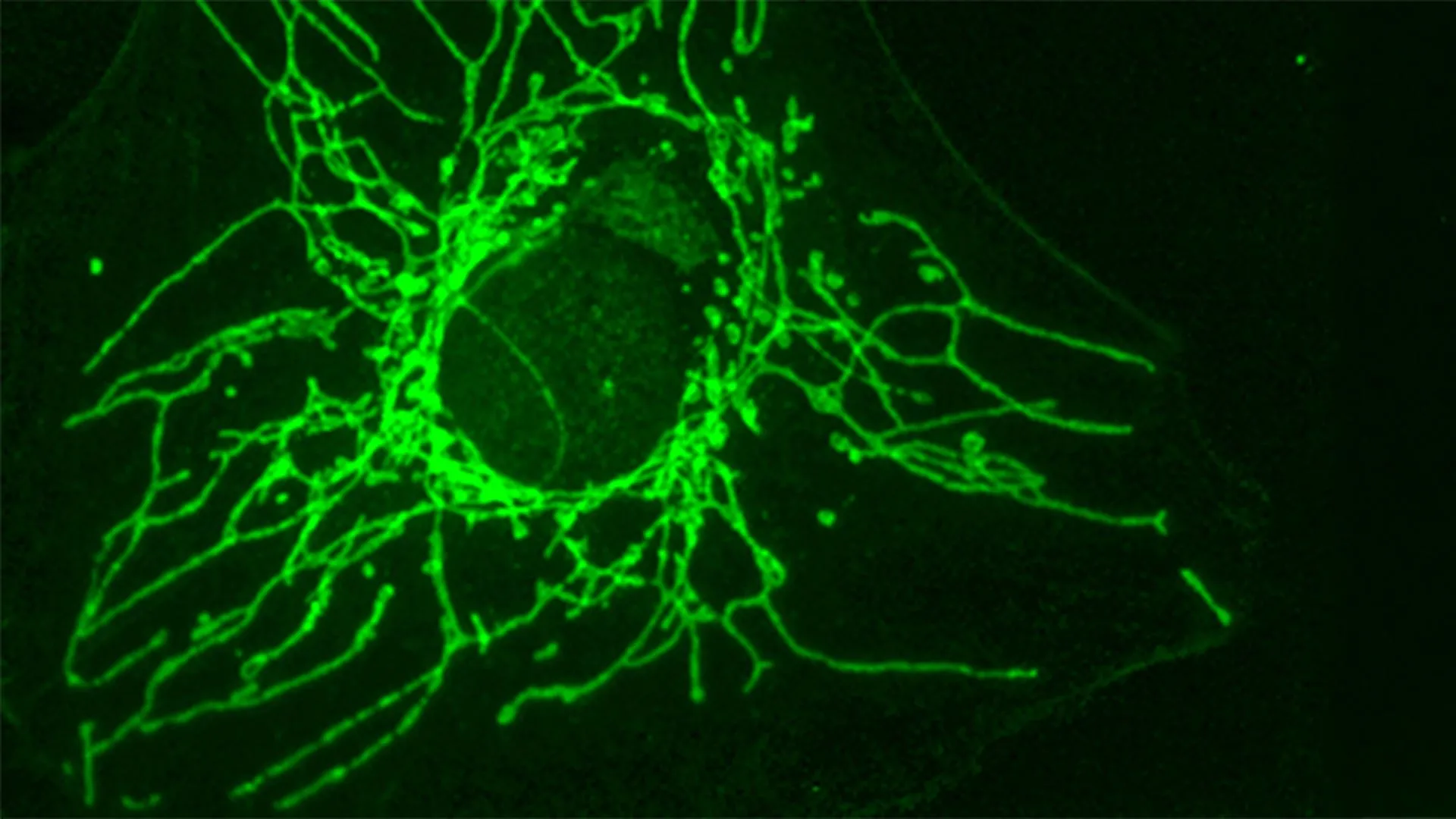
In a significant stride towards more precise cancer treatments, an international research team, spearheaded by scientists from the Universities of Geneva (UNIGE) and Marburg, has unveiled a novel therapeutic strategy. Their findings, published recently in the prestigious journal Nature Metabolism, indicate that a unique, mirror-image version of the common amino acid cysteine, known as D-cysteine, possesses the remarkable ability to substantially impede the growth of specific tumor types without inflicting damage upon healthy cells. This breakthrough represents a critical step forward in the ongoing quest to develop cancer therapies that are both highly effective and significantly less toxic than conventional approaches.
For decades, the standard arsenal against cancer, primarily chemotherapy and radiation, has operated on the principle of attacking rapidly dividing cells. While effective in eradicating cancerous growths, this indiscriminate assault inevitably harms healthy cells that also divide frequently, such as those lining the digestive tract, hair follicles, and bone marrow. The consequence is a debilitating array of side effects, ranging from severe nausea and hair loss to profound fatigue, immune suppression, and long-term organ damage, drastically diminishing patients’ quality of life. The urgent imperative for the scientific community has been to engineer therapies that can discern malignant cells from healthy ones with surgical precision, thereby maximizing efficacy while minimizing collateral damage.
The Unmet Need: Redefining Cancer Treatment
Cancer remains one of the most formidable health challenges globally. According to the World Health Organization (WHO), cancer is a leading cause of death worldwide, accounting for nearly 10 million deaths in 2020. The global incidence continues to rise, necessitating a relentless pursuit of innovative and more humane treatment modalities. While advancements in targeted therapies and immunotherapies have revolutionized the treatment landscape for certain cancers, many aggressive forms, such as triple-negative breast cancer (TNBC), continue to present significant therapeutic hurdles. TNBC, for instance, is characterized by its aggressive nature, high recurrence rates, and lack of specific molecular targets for many conventional precision medicines, underscoring the critical need for new therapeutic avenues.
The current discovery offers a potential paradigm shift by leveraging a fundamental difference in cellular metabolism between cancerous and healthy cells. Rather than a broad cytotoxic attack, D-cysteine operates through a highly selective mechanism, targeting specific vulnerabilities inherent to certain cancer cells.
Chirality in Biology: Understanding Mirror-Image Molecules
To appreciate the elegance of this new strategy, it is essential to delve into the fascinating concept of molecular chirality. Amino acids, the fundamental building blocks of proteins, are small organic molecules that link together in intricate sequences to form the myriad proteins essential for all life processes, from structural support to enzymatic catalysis. There are 20 standard amino acids that constitute the vast majority of proteins found in living organisms.
A peculiar characteristic of many organic molecules, including amino acids, is their existence in two distinct forms that are non-superimposable mirror images of each other, much like a person’s left and right hands. These forms are termed enantiomers. In the context of amino acids, these mirror-image versions are designated as L (levorotatory) and D (dextrorotatory) forms. While they share the same chemical composition, their three-dimensional spatial arrangements differ significantly.
A cornerstone of terrestrial biology is its overwhelming reliance on the L-forms of amino acids to construct proteins. This phenomenon, known as homochirality, is believed to be an evolutionary artifact, perhaps stemming from a chance preference in early life forms that was subsequently maintained due to the specificity of enzymes, which are themselves chiral and can only effectively interact with one enantiomeric form. Consequently, D-amino acids are exceedingly rare in human proteins, though they can be found in bacterial cell walls and certain peptide antibiotics, making their presence in therapeutic contexts particularly intriguing due to their potential to evade typical metabolic pathways designed for L-forms.
The Genesis of the Discovery: D-Cysteine as a Targeted Inhibitor
The research journey began with a systematic exploration of how various amino acids might influence cancer cell proliferation. Professor Jean-Claude Martinou, an Honorary Professor in the Department of Molecular and Cellular Biology at the UNIGE Faculty of Science, led the Geneva arm of the investigation. His team meticulously screened different amino acid variants, focusing on their impact on cancer cell growth in vitro. It was during these rigorous laboratory experiments that the D-version of cysteine (D-Cys), distinguished by its sulfur atom, emerged as a potent suppressor of specific cancer cell lines. Crucially, and what immediately set it apart from conventional treatments, was its benign effect on healthy cells.
The remarkable selectivity of D-cysteine lies in its mode of entry into cells. As explained by Joséphine Zangari, a PhD student in Professor Martinou’s laboratory and the study’s first author, "This difference between cancer cells and healthy cells is easily explained: D-Cys is imported into cells via a specific transporter that is present only on the surface of certain cancer cells." This molecular gatekeeper acts as a critical determinant of D-cysteine’s action. Zangari further elaborated, "In fact, we observed that if we express this transporter on the surface of healthy cells, those cells stop proliferating in the presence of D-Cys." This observation conclusively demonstrated that the presence of this particular amino acid transporter is the key vulnerability D-cysteine exploits.
Many cancer cells exhibit altered metabolic requirements and often upregulate the expression of various nutrient transporters on their surface to fuel their rapid growth and proliferation. This metabolic reprogramming, often termed the "Warburg effect," makes cancer cells voracious consumers of nutrients. The identification of a specific transporter for D-cysteine, uniquely or highly expressed on certain cancer cells, provides an exquisite mechanism for targeted delivery, akin to a molecular ‘Trojan horse’ designed to infiltrate only the enemy’s strongholds.
Disrupting the "Powerhouses": The Mechanism of Action
Understanding how D-cysteine exerts its detrimental effects on cancer cells was the next critical step. This mechanistic elucidation was a collaborative effort, with Professor Roland Lill and his team at the University of Marburg playing a pivotal role. Their investigations revealed that D-cysteine’s destructive power stems from its ability to interfere with a fundamental cellular process within the mitochondria—the organelles often dubbed the "powerhouses" of the cell.
Mitochondria are central to cellular respiration, generating the vast majority of adenosine triphosphate (ATP), the cell’s primary energy currency. They are also involved in numerous other critical metabolic pathways. The target identified was an essential enzyme named NFS1 (Nitrogen Fixation Siderophore 1), which is predominantly located within the mitochondria.
Professor Lill elucidated the enzyme’s crucial role: "It blocks an essential enzyme called NFS1, located in the mitochondria – the cell’s ‘powerhouses’. This enzyme plays a key role in producing iron-sulfur clusters, small structures that are indispensable for many processes such as cellular respiration, DNA and RNA production, and maintaining genetic integrity."
Iron-sulfur clusters are ancient and ubiquitous prosthetic groups found in a diverse array of proteins across all domains of life. These clusters are vital for electron transfer reactions, crucial for cellular respiration and energy production; they participate in various enzymatic reactions, including those involved in DNA synthesis and repair; and they are integral to maintaining the structural integrity and function of numerous metabolic enzymes. When NFS1 is inhibited by D-cysteine, the cell’s ability to synthesize these indispensable iron-sulfur clusters is severely compromised.
The downstream consequences of this blockage are catastrophic for rapidly dividing cancer cells. Deprived of essential iron-sulfur clusters, several critical cellular functions begin to fail. Cellular respiration, the primary means of energy generation, significantly declines. DNA damage accumulates rapidly because repair mechanisms are impaired, and the production of new DNA and RNA molecules, vital for cell division, is severely disrupted. These combined effects trigger a cascade that halts the cell cycle, preventing cells from growing and dividing, and ultimately leading to programmed cell death (apoptosis) in many cases. This multi-pronged attack on fundamental cellular processes explains D-cysteine’s potent anti-cancer activity.
Pre-Clinical Validation: Promising Results in Aggressive Tumors
The true test of any potential therapeutic agent lies in its efficacy in living organisms. To evaluate D-cysteine’s potential in vivo, the research team conducted studies using mouse models engrafted with aggressive mammary tumors. These particular tumor types are notoriously challenging to treat with existing therapies, making them a stringent test for any new compound.
The results from the mouse studies were highly encouraging. Animals treated with D-cysteine exhibited a significant slowing of tumor growth. While specific quantitative data on tumor reduction or survival rates were not detailed in the initial report, the qualitative description "greatly slowed the progression" and "slowed significantly" points to a robust therapeutic effect. Crucially, and perhaps most importantly from a clinical perspective, the treated animals did not display major side effects commonly associated with systemic anti-cancer treatments. This absence of observable toxicity in a living system further bolsters the promise of D-cysteine as a selective and well-tolerated therapy.
"This is a very positive signal – we now know it’s possible to exploit this specificity to target certain cancer cells," remarked Professor Jean-Claude Martinou, reflecting on the pre-clinical success. He also tempered optimism with scientific rigor, adding, "However, we still need to determine whether D-Cys could be administered at effective doses in humans without causing harm." This cautious outlook is characteristic of the scientific process, acknowledging the vast chasm between promising pre-clinical results and approved human therapies.
The Road Ahead: From Bench to Bedside
The journey from a laboratory discovery to a widely available medicine is long, arduous, and fraught with challenges, typically spanning a decade or more and requiring billions of dollars in investment. This discovery, while groundbreaking, marks only the initial phase.
Chronology of Drug Development:
- Pre-clinical Phase (Current Stage): Extensive laboratory and animal testing to assess safety, efficacy, and dosage. This stage can take 3-6 years.
- Investigational New Drug (IND) Application: Submitted to regulatory bodies (e.g., FDA in the US, EMA in Europe) for permission to begin human trials.
- Phase I Clinical Trials: Small groups of healthy volunteers or patients (20-100) receive the drug to evaluate safety, dosage, and side effects. This typically lasts several months to a year.
- Phase II Clinical Trials: Larger groups of patients (100-300) with the target condition receive the drug to assess efficacy and further evaluate safety. This phase can last 1-3 years.
- Phase III Clinical Trials: Large-scale studies (thousands of patients) compare the new drug to existing treatments or placebos to confirm efficacy, monitor side effects, and gather information for safe use. This is the longest phase, often lasting 2-5 years.
- New Drug Application (NDA) / Marketing Authorization Application (MAA): Submitted to regulatory bodies for approval to market the drug.
- Phase IV (Post-Marketing Surveillance): Ongoing monitoring after approval to track long-term safety and effectiveness in a broader population.
Challenges and Future Directions:
The path for D-cysteine will involve overcoming several hurdles. Ensuring that D-cysteine can be formulated for human administration, delivered effectively to tumors, and maintained at therapeutic concentrations without causing systemic toxicity will be paramount. Researchers will need to identify which human cancers express the specific amino acid transporter at levels sufficient for D-cysteine to be effective. This will involve extensive biomarker research and patient stratification.
Experts in oncology anticipate that if D-cysteine progresses to clinical trials, it will likely be evaluated in patients with aggressive or treatment-resistant cancers, particularly those demonstrating high expression of the relevant transporter. A spokesperson for the European Cancer Organisation might comment, "The identification of novel, highly targeted mechanisms like that of D-cysteine offers renewed hope, especially for patients battling aggressive cancers where current options are limited. We eagerly await the careful progression of this research into human trials, always prioritizing patient safety and robust efficacy."
Further research will also explore the potential for D-cysteine in combination therapies. Given its unique mechanism of action, it could potentially synergize with existing chemotherapies or targeted agents, allowing for lower doses of each drug and potentially reducing overall toxicity while enhancing anti-tumor effects. The possibility of D-cysteine preventing metastasis, a critical and often fatal stage of cancer progression, also warrants extensive investigation. Metastasis accounts for approximately 90% of cancer-related deaths, and any agent that can inhibit this process would be a monumental advancement.
Broader Implications for Cancer Treatment
This discovery holds profound implications for the future of cancer therapy.
- Personalized Medicine: D-cysteine could be a cornerstone of personalized medicine, where treatment decisions are guided by a patient’s specific tumor characteristics, such as the expression level of the D-cysteine transporter. This would allow for highly tailored and potentially more effective treatments for selected patient populations.
- Metabolic Targeting: The focus on disrupting metabolic pathways (specifically iron-sulfur cluster biosynthesis) represents a growing trend in cancer research. Cancer cells often rewire their metabolism to support their rapid growth, creating unique vulnerabilities that can be exploited. D-cysteine provides a compelling proof-of-concept for this approach.
- Reduced Toxicity: The promise of a potent anti-cancer agent with minimal systemic side effects is perhaps the most exciting aspect of this research. It could vastly improve the quality of life for cancer patients undergoing treatment, making therapies more tolerable and potentially enabling longer treatment durations.
- New Drug Class: If successful, D-cysteine could pave the way for an entirely new class of anti-cancer drugs based on D-amino acids, opening up an unexplored frontier in medicinal chemistry.
While the scientific community remains cautiously optimistic, the work from UNIGE and Marburg represents a beacon of hope in the relentless battle against cancer. It underscores the power of fundamental research in uncovering novel biological vulnerabilities and translating them into potentially life-saving therapies. The journey from this seminal discovery to a clinically approved drug will be long and arduous, but the initial findings strongly suggest that D-cysteine, the unassuming mirror-image amino acid, could indeed become a powerful and precise new weapon in the fight against this devastating disease.
