
 By Suherman Candra Maholtra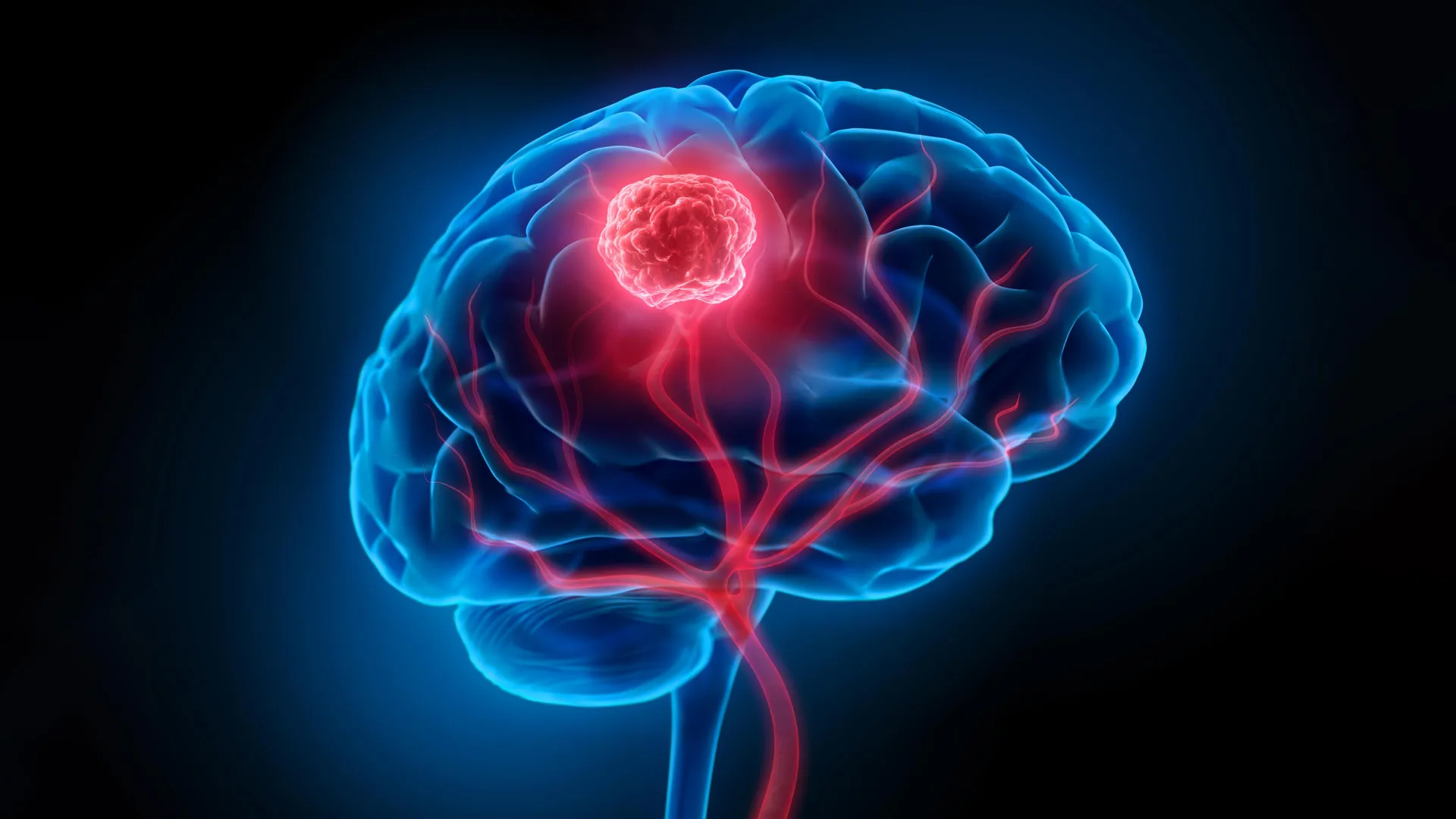
The landscape of neuro-oncology has been fundamentally altered by a joint research initiative between the Korea Advanced Institute of Science and Technology (KAIST) and Yonsei University Severance Hospital. In a study published in the prestigious journal Science on January 8th, a multidisciplinary team of scientists and clinicians announced the identification of the cellular origin of Isocitrate Dehydrogenase (IDH)-mutant glioma. This discovery marks a significant departure from traditional understandings of brain tumor development, revealing that the cancer begins as a silent spread of mutated cells through seemingly healthy brain tissue long before a visible tumor mass can be detected by standard medical imaging.
IDH-mutant glioma is the most prevalent form of malignant brain tumor among adults under the age of 50. Unlike other forms of brain cancer that may appear more localized, these tumors are notorious for their high rates of recurrence and resistance to conventional therapies, including surgical resection, radiation, and chemotherapy. For decades, the primary surgical objective has been the "maximal safe resection" of the visible tumor mass. However, the high frequency of recurrence—often occurring at the margins of the surgical site or in distant regions of the brain—has long suggested that the disease is more pervasive than imaging suggests. The new findings from South Korea provide the first definitive biological explanation for this phenomenon.
The Discovery of the Silent Spread
The research team, led by Professor Jeong Ho Lee of the KAIST Graduate School of Medical Science and Engineering and Professor Seok-Gu Kang of Yonsei University Severance Hospital, focused on the earliest genetic events that lead to tumor formation. By analyzing tissue samples from patients undergoing extensive surgery, the researchers did not limit their investigation to the tumor mass itself. Instead, they examined the surrounding brain tissue that appeared entirely normal under macroscopic observation and standard magnetic resonance imaging (MRI).
Through high-precision genomic sequencing, the team discovered that cells carrying the initial IDH mutation were present in these "normal" regions. These cells, while genetically altered, had not yet formed the dense, disorganized clusters characteristic of a tumor. Instead, they were found to be migrating quietly through the cerebral cortex. This "hidden phase" of the disease suggests that by the time a patient presents with symptoms and a detectable tumor mass, the mutated cells have already established a broad footprint within the brain.
This revelation shifts the clinical perspective of glioma from a localized mass to a diffuse, systemic brain condition. The study indicates that malignant brain tumors do not emerge spontaneously as a single mass but rather evolve gradually over a period of many years. This slow progression offers a window of opportunity for early detection that was previously thought to be impossible.
Identifying the Origin: Glial Progenitor Cells
A central question in cancer biology is the "cell of origin"—the specific type of normal cell that first undergoes the mutation leading to malignancy. To answer this for IDH-mutant glioma, the KAIST-Yonsei team employed spatial transcriptomics. This cutting-edge technology allows researchers to map gene expression within a tissue sample while preserving the information about the cells’ physical location.
The analysis revealed that the cells harboring the IDH mutation were Glial Progenitor Cells (GPCs). GPCs are a population of cells found throughout the adult brain that possess the ability to divide and differentiate into various types of glial cells, such as astrocytes and oligodendrocytes, which support and protect neurons. The study confirmed that these GPCs, located within the cerebral cortex, serve as the foundational site for IDH-mutant gliomas.
To validate these findings, the researchers utilized animal models. By introducing the specific IDH driver mutation into the GPCs of mice, they were able to replicate the exact progression observed in human patients. The mice developed brain tumors that mirrored the biological and structural characteristics of human IDH-mutant gliomas, providing a robust experimental foundation for the study’s conclusions.
A Comparative Breakthrough in Brain Cancer Research
This study serves as a critical sequel to the group’s 2018 research published in Nature. In that earlier work, the team identified the origin of IDH-wildtype glioblastoma—an even more aggressive and lethal form of brain cancer. They found that IDH-wildtype glioblastomas originate from neural stem cells located in the subventricular zone (SVZ), a specific region of the brain responsible for producing new neurons.
The comparison between the 2018 and 2025 studies highlights a fundamental truth about brain cancer: different subtypes follow entirely different biological trajectories. While IDH-wildtype glioblastoma emerges from the SVZ and spreads rapidly, IDH-mutant glioma begins in the GPCs of the cerebral cortex and evolves slowly over time.
"This confirms that brain cancers are not a monolithic disease," noted the researchers. "The cellular origin and the region of the brain where the first mutation occurs dictate the behavior, progression, and ultimately the treatment strategy for the tumor."
The Path to Clinical Application and Early Diagnosis
The implications of this research for the future of neuro-oncology are profound. Professor Seok-Gu Kang, a co-corresponding author and a leading neurosurgeon at Severance Hospital, emphasized that the current "mass-centric" approach to brain surgery and treatment may need to be re-evaluated.
"Brain tumors may not start exactly where the tumor mass is visible," Professor Kang explained. "A target approach focused on the origin cells and the site of origin according to the brain tumor subtype will serve as a crucial clue to changing the paradigm of early diagnosis and recurrence suppression treatment."
Currently, the medical community is moving toward "precision neurosurgery," but this study suggests that even the most precise surgery may leave behind the "seeds" of recurrence if the surrounding cortex is already infiltrated by mutated GPCs. Consequently, the research has already sparked new avenues for pharmaceutical and technological development:
- RNA-Based Therapeutics: Sovagen Co., Ltd., a biotechnology startup founded by KAIST faculty, is leveraging this data to develop a new class of RNA-based drugs. These medications are designed to specifically target the genetic pathways activated in mutated GPCs, with the goal of halting the progression of the disease before a tumor mass can form or preventing the remaining mutated cells from triggering a recurrence after surgery.
- Early Detection Technologies: Severance Hospital is currently participating in the Korea-US Innovative Result Creation R&D project. This international collaboration aims to develop advanced diagnostic tools capable of detecting these early mutant cells through liquid biopsies or high-sensitivity molecular imaging, potentially allowing for intervention years before a traditional MRI would show an abnormality.
The Human Element: A Surgeon’s Question
The study’s success is attributed to the unique collaboration between basic science and clinical practice. Dr. Jung Won Park, the study’s first author and a neurosurgeon, began this research journey not in a lab, but in the operating room.
"This achievement was made possible by combining KAIST’s world-class basic science research capabilities with the clinical expertise of Yonsei Severance Hospital," Dr. Park stated. "The question I kept asking while treating patients—’Where does this tumor originate?’—was the starting point of this research."
Dr. Park’s dual role as a physician and a researcher allowed the team to bridge the gap between theoretical biology and the practical realities of patient care. His observations of how tumors recurred in his patients provided the impetus to look beyond the tumor mass and into the "normal" brain tissue.
Broader Implications and Future Outlook
The findings published in Science are expected to have a ripple effect across the global oncology community. By providing a clear timeline and biological map of how IDH-mutant gliomas develop, the research offers a new framework for studying other types of slow-growing or "indolent" cancers that eventually become aggressive.
Furthermore, the study underscores the importance of the "pre-cancerous" niche in the brain. If GPCs in the cortex can be monitored or stabilized, it might be possible to manage glioma as a chronic condition rather than a terminal one. The focus on GPCs also opens up new questions about how environmental factors, aging, or other genetic predispositions might influence these cells to take the first step toward malignancy.
The research was supported by a robust network of institutions, including the Suh Kyung-bae Science Foundation, the National Research Foundation of Korea, and several South Korean government ministries (Science and ICT, Health and Welfare). The involvement of the Physician-Scientist Training Program highlights a growing institutional commitment to fostering medical professionals who can translate laboratory discoveries into bedside treatments.
As the medical world moves toward 2030, the "KAIST-Yonsei model" of identifying cellular origins is likely to become the gold standard for oncological research. For the thousands of young adults diagnosed with IDH-mutant glioma each year, these findings offer more than just scientific clarity—they offer a roadmap toward a future where brain cancer can be intercepted before it ever truly begins.
