
 By admin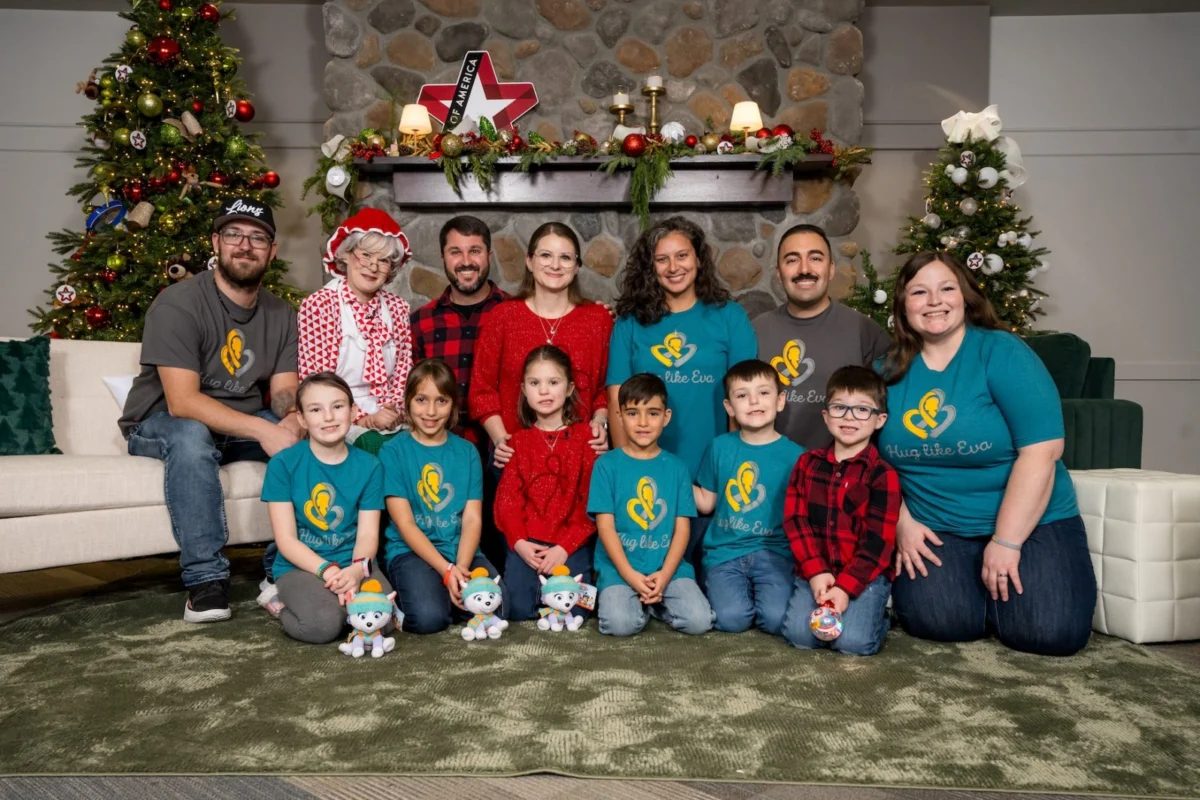
The landscape of pediatric oncology is witnessing a pivotal shift as the intersection of high-level corporate philanthropy, specialized medical research, and community-driven support culminates in new horizons for children facing the most aggressive forms of brain cancer. At the center of this movement is Eva, an eight-year-old from Sioux Falls, South Dakota, whose journey through a groundbreaking clinical trial in the Twin Cities exemplifies both the resilience of the human spirit and the critical importance of sustained medical funding. As the holiday season unfolds, a series of collaborative efforts between the Children’s Cancer Research Fund (CCRF), Children’s Minnesota, and the Mall of America has highlighted the tangible impact of a $1.5 million investment in life-saving science.
The Medical Frontier: Understanding Diffuse Midline Glioma
Eva’s diagnosis of diffuse midline glioma (DMG) places her in a category of patients for whom traditional medical interventions have long been insufficient. DMG is a rare, high-grade, and aggressive tumor that occurs in the midline structures of the brain, such as the thalamus, brainstem, and spinal cord. Historically, these tumors have been categorized as nearly impossible to treat due to their location, which often precludes surgical resection, and their resistance to conventional chemotherapy.
For decades, the standard of care for DMG has remained largely unchanged, primarily involving radiation therapy to provide temporary relief of symptoms without offering a definitive cure. However, the clinical trial Eva is participating in represents the culmination of more than twenty years of rigorous research at the University of Minnesota. Funded by the Children’s Cancer Research Fund, this trial is one of the most exclusive and innovative in the world. Eva is one of fewer than a dozen children globally enrolled in this specific study, which is currently available only in the Twin Cities.
Dr. Anne Bendel, Director of Neuro-oncology Research at Children’s Minnesota and Eva’s primary physician, emphasized the gravity of this research. "For far too long, there hasn’t been an effective way to fight DMG," Dr. Bendel stated. "This clinical trial is a critical step toward changing that reality for kids. Caring for patients like Eva reminds us why research matters—every child deserves a healthy, happy future with the people they love most."
The Logistics of Resilience: A Seven-Hour Journey for Care
The reality of participating in a world-class clinical trial often involves significant logistical and emotional hurdles for families residing outside major medical hubs. For Eva and her family, the pursuit of treatment necessitates a nearly seven-hour roundtrip journey from Sioux Falls to Minneapolis every month. This commute is more than a geographic challenge; it is a testament to the family’s determination to access the best possible care in the face of a daunting prognosis.
The burden of travel for specialized pediatric care is a well-documented issue in the United States, where "medical deserts" or a lack of specialized facilities in rural areas force families into long-term displacement or frequent travel. In Eva’s case, the Twin Cities serve as a beacon of hope, providing access to a level of expertise and experimental therapy that is unavailable anywhere else in the world. This regional concentration of medical excellence highlights the importance of the University of Minnesota’s research infrastructure and the clinical application capabilities of Children’s Minnesota.
Corporate Philanthropy and the $1.5 Million Milestone
The advancement of such complex clinical trials is contingent upon substantial and reliable funding. In October 2025, the Forbes | SHOOK Top Advisor Summit in Las Vegas served as a high-stakes platform for this cause. The event brought together major U.S. investment firms and the nation’s leading wealth advisors to address the funding gap in pediatric cancer research.
During the summit, a collaborative effort with the Children’s Cancer Research Fund resulted in the raising of $1.5 million specifically earmarked for the DMG clinical trial. The involvement of the financial sector signals a growing trend of "impact philanthropy," where corporate leaders leverage their networks to solve specific, high-impact medical challenges.
A key figure in ensuring the stability of this funding was Alexander Monahan, co-founder of OddsJam. His philanthropic contributions have been instrumental in providing the "runway" necessary for researchers to move from laboratory findings to human clinical trials. Scientific progress is often hindered not by a lack of ideas, but by a lack of consistent capital to navigate the expensive and time-consuming regulatory and testing phases of drug development.
Kenna Dooley, Chief Development Officer for the Children’s Cancer Research Fund, noted the synergy between the lab and the donor. "Science is powerful, but people make progress happen," Dooley said. "Researchers, clinicians, donors, and families are all part of this fight. For more than twenty years, supporters have invested in this work so moments like this are possible—a real chance for more days, more childhood, and more joy."
The Psychological Impact of Joy: A Holiday Surprise at Mall of America
While the medical and financial aspects of Eva’s story focus on the long-term battle against cancer, the Mall of America (MOA) sought to address the immediate emotional needs of the family. Understanding the immense pressure of a three-and-a-half-hour drive for cancer treatment, MOA partnered with CCRF and Children’s Minnesota to create a reprieve from the clinical environment.
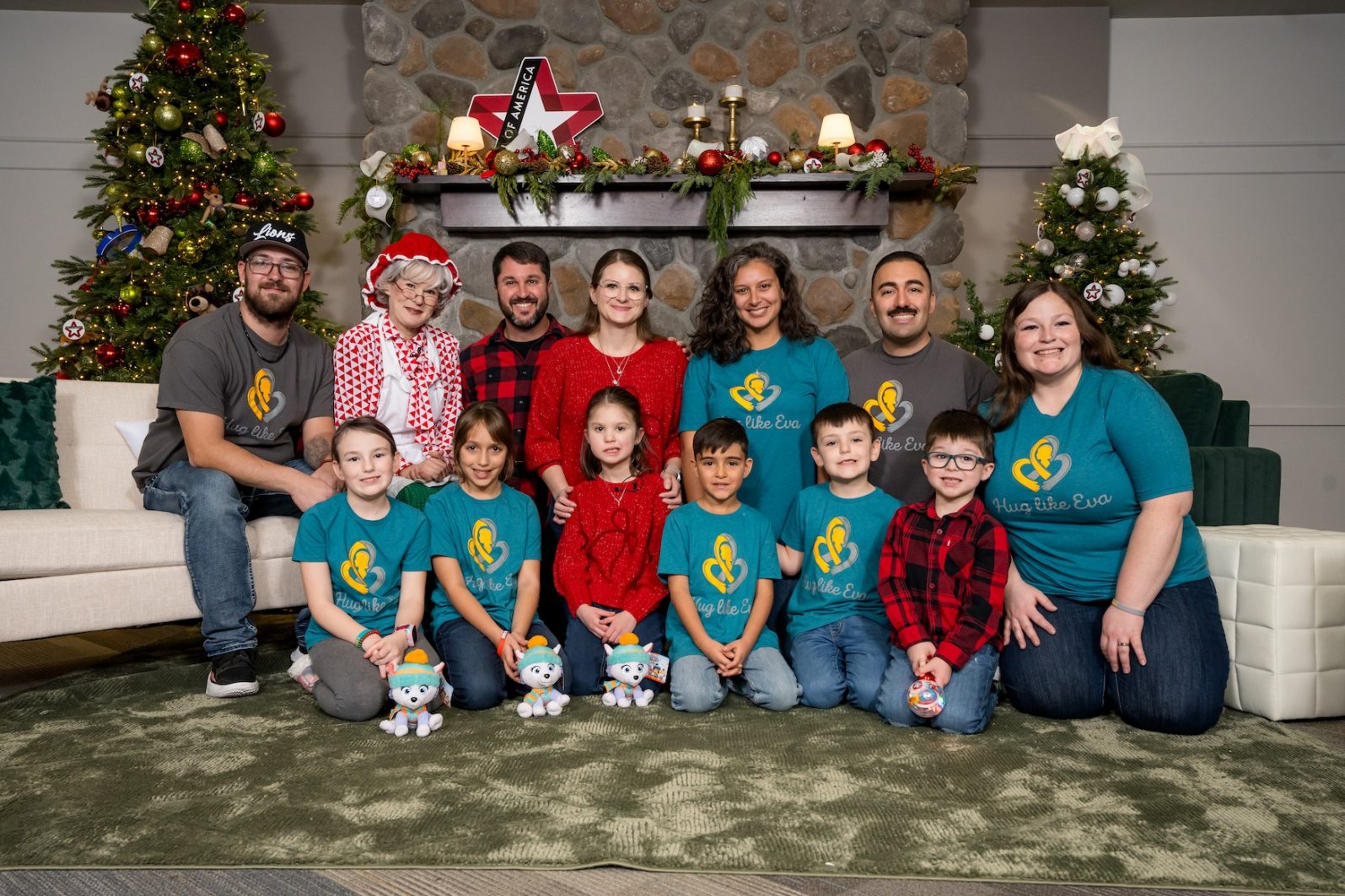
What Eva believed was a standard hotel stay for a swimming trip was transformed into a meticulously choreographed holiday experience. Guided by "Santa’s elves," Eva was led to a customized Christmas cottage within the Mall of America complex. The space was outfitted with festive decor, presents, and a dedicated movie nook for children.
The centerpiece of the surprise was the arrival of Eva’s cousins from Virginia and South Dakota. Reunited for the first time in months—a specific wish Eva had expressed—the family was given the opportunity to focus on togetherness rather than treatments.

Jill Renslow, Chief Officer of Marketing and Business Development at Mall of America, explained the motivation behind the initiative. "We believe in creating moments that truly matter, especially for families facing the unimaginable," Renslow said. "Eva’s strength reminds us how powerful community can be. It’s an honor to surround her family with joy and light this holiday season."
This initiative reflects a broader understanding within the healthcare community regarding the "total care" model. Medical outcomes are increasingly linked to the psychological well-being of the patient and their support system. By providing "moments of normalcy," corporate partners like MOA play a role in the holistic treatment of pediatric patients.
Broader Implications for Pediatric Cancer Research
Eva’s story serves as a microcosm of the current state of pediatric oncology in the United States. Despite being the leading cause of death by disease in children, pediatric cancer research receives a disproportionately small fraction of federal funding compared to adult cancers. This "funding gap" necessitates the heavy involvement of private donors and non-profit organizations like the Children’s Cancer Research Fund.
The success of the $1.5 million fundraiser and the progress of the DMG trial in the Twin Cities offer several key insights:
- The Importance of Regional Excellence: The Twin Cities have emerged as a global hub for neuro-oncology. The collaboration between the University of Minnesota’s research arm and Children’s Minnesota’s clinical arm creates a pipeline that can move discoveries from the bench to the bedside more efficiently.
- Philanthropic Stability: High-net-worth individuals and corporate entities are increasingly stepping in to fund "orphan diseases"—rare conditions that may not receive the same attention from large pharmaceutical companies due to smaller patient populations.
- The Human Element of Data: While the clinical trial tracks data points and tumor markers, the ultimate goal remains the preservation of "childhood." The involvement of community landmarks like the Mall of America reminds the public that behind every clinical trial is a child whose life is defined by more than their diagnosis.
Chronology of Progress: From Lab to Living Room
The timeline of Eva’s journey and the trial itself illustrates the long-term nature of medical breakthroughs:
- 2000–2020: Decades of foundational research at the University of Minnesota, supported by CCRF, focus on the genetic drivers of midline gliomas.
- Early 2024: The groundbreaking clinical trial is launched, targeting specific molecular pathways in DMG.
- Mid-2024: Eva is diagnosed and begins the monthly commute from Sioux Falls to the Twin Cities for specialized care.
- October 2025: The Forbes | SHOOK Top Advisor Summit in Las Vegas raises $1.5 million to secure the trial’s future.
- December 2025: The Mall of America surprise provides a psychological boost to Eva and her family, highlighting the role of community support.
Conclusion: A Model for Future Collaboration
As Eva continues her treatment, her story remains a powerful reminder of what is possible when disparate sectors of society—medicine, finance, and local commerce—align toward a single goal. The $1.5 million raised in Las Vegas will continue to fund the infrastructure and staff required for the DMG trial, potentially opening the door for more children to join the study in the coming years.
For families like Eva’s, the combination of cutting-edge science and heartfelt community support provides more than just a medical plan; it provides a reason to look toward the future with optimism. The fight against diffuse midline glioma is far from over, but the progress made this holiday season suggests that the barriers to treating this aggressive cancer are finally beginning to crumble under the weight of collective generosity and scientific brilliance.
