
 By admin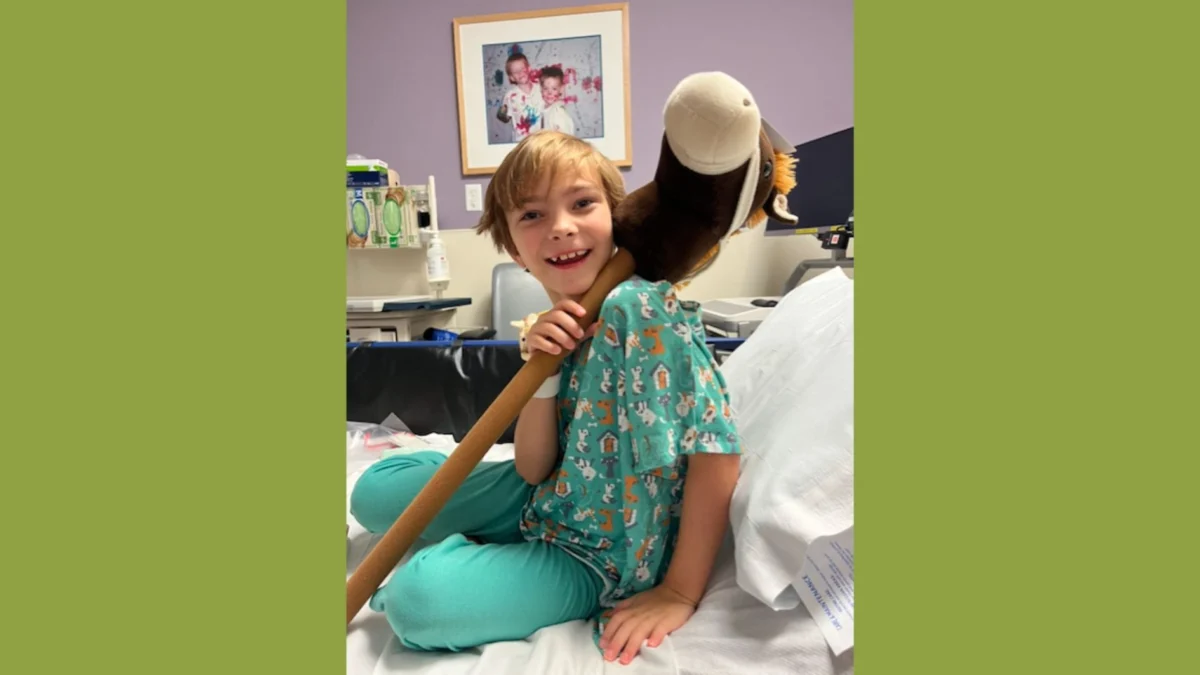
The trajectory of a child’s life is often defined by their dreams and the unique traits they hope to cultivate as they grow. For Alice Lunde, a ten-year-old with a penchant for the fantastical and a drive for the extraordinary, the word "rare" held a specific, aspirational allure. Long before a medical diagnosis would reshape her reality, Alice expressed to her mother, Erin, a desire to be a "rare person." At the time, the sentiment reflected her vibrant personality—her love for writing fan fiction based on the Wings of Fire series, her talent for animating dragons, her passion for wrestling, and her joy in singing. However, this innocent wish took on a profound and harrowing significance when Alice was diagnosed with a form of thyroid cancer so uncommon it affects only approximately one in 100,000 children annually.
The story of Alice’s battle with pediatric thyroid cancer is not merely a medical case study; it is a testament to the evolving landscape of precision medicine and the critical role of clinical trials in treating rare pediatric diseases. Her journey from a seemingly benign physical symptom to a groundbreaking genetic treatment highlights both the challenges of early diagnosis in pediatric oncology and the life-saving potential of targeted therapies.
The Challenge of Early Detection in Pediatric Oncology
The inception of Alice’s medical journey began with a subtle physical change: a small, painless lump on her neck. In the context of childhood health, such lumps are frequently dismissed as swollen lymph nodes resulting from common infections like the flu or strep throat. For nearly a year and a half, the lump remained a minor point of discussion during medical visits. Alice’s mother, Erin, remained vigilant, bringing it to the attention of their pediatrician during annual checkups and even minor visits for routine illnesses.
Initial medical assessments were not alarming. The pediatrician, seeing no secondary symptoms or signs of distress, suggested a "wait and see" approach. This is a common occurrence in pediatric thyroid cancer cases; because the disease is so rare in children compared to adults, it is often not the first suspicion for general practitioners. It was only when Alice’s long-time pediatrician prepared for retirement that a referral to a specialist was made to provide a definitive answer before the transition of care.
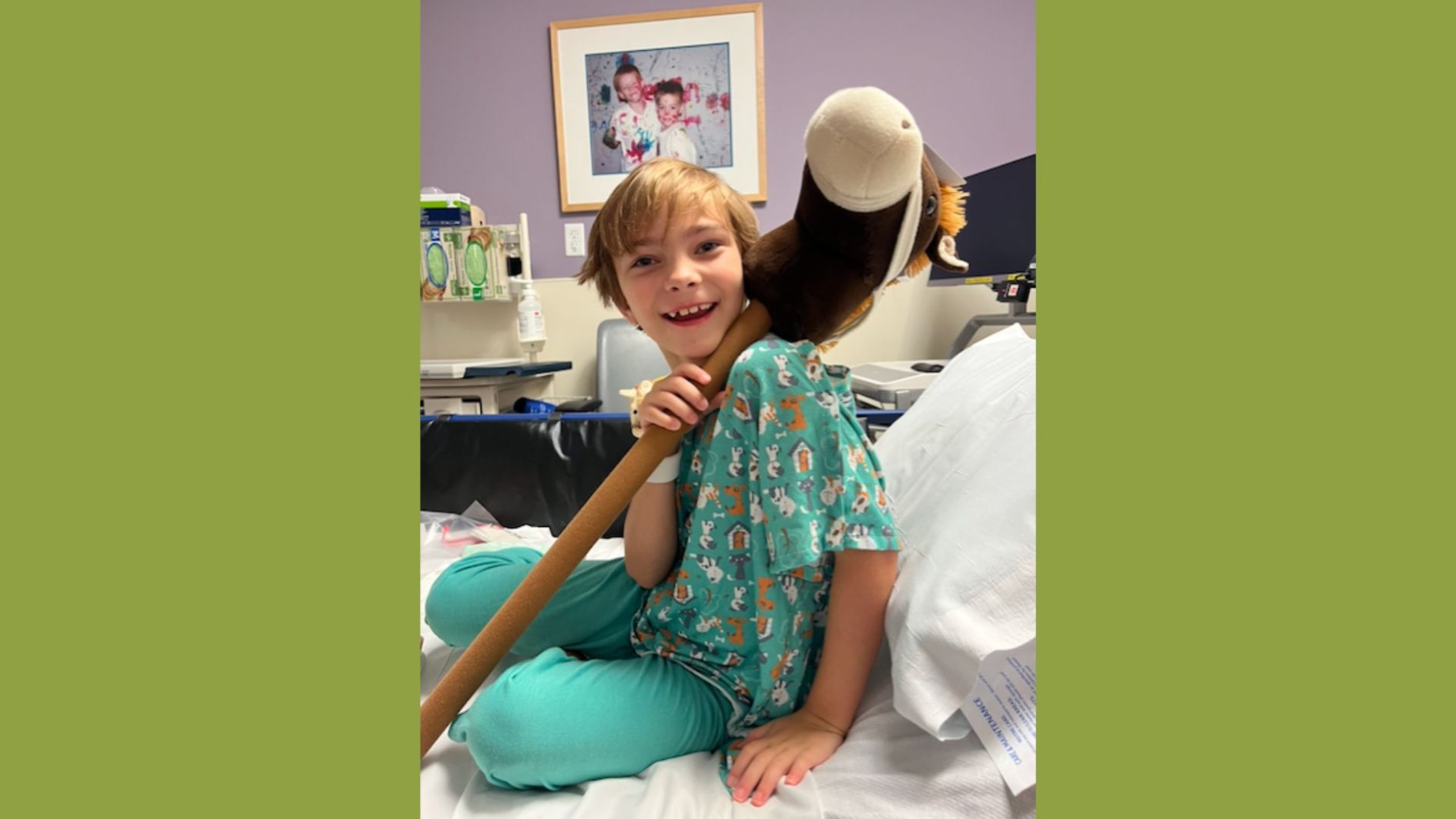
The subsequent diagnostic process involved a battery of tests, including ultrasounds and biopsies, which eventually confirmed the presence of a slow-growing thyroid carcinoma. More distressingly, the imaging revealed that the cancer had already metastasized, spreading to Alice’s lungs. This progression underscored the "slow but steady" nature of certain thyroid cancers, which can move through the lymphatic system and into distant organs without causing immediate systemic illness.
Surgical Intervention and the Threat to Vocal Function
Upon diagnosis, the immediate priority was surgical. Alice underwent a total thyroidectomy to remove the primary tumor and surrounding affected tissue. The complexity of the surgery was heightened by the tumor’s proximity to the recurrent laryngeal nerves, which control the vocal cords. For a young girl who found her identity in singing and performing, the risk of permanent vocal damage was a terrifying prospect.
Following the procedure, Alice experienced a ten-day period of total silence as her body healed. The emotional toll of losing her voice, even temporarily, was significant for the family. Erin recalls the profound relief of hearing Alice eventually sing in the bath as her vocal function returned. This recovery was the first of many hurdles, demonstrating Alice’s inherent resilience.
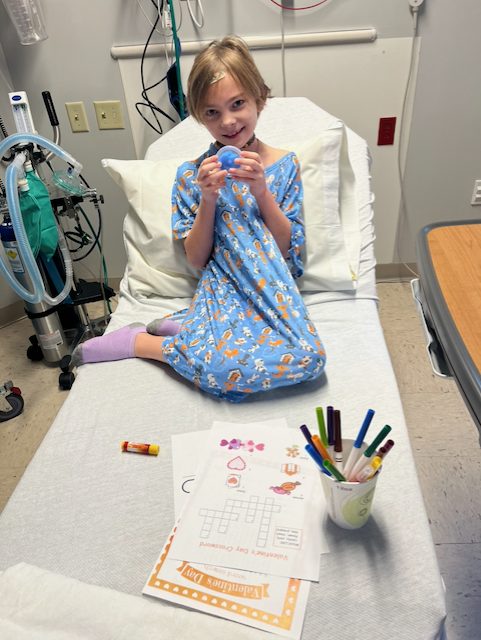
However, surgery was only the first phase of a multi-step treatment protocol. To address the remaining cancerous cells, particularly those in her lungs, Alice was prescribed radioactive iodine (RAI) ablation. This treatment relies on the unique ability of thyroid cells to absorb iodine; by introducing a radioactive isotope of iodine into the body, doctors aim to kill thyroid-derived cancer cells wherever they may reside. The process required Alice to adhere to a strict low-iodine diet and learn to swallow large therapeutic capsules—a task she mastered by practicing with mini M&Ms and sprinkle-filled capsules.
The Shift to Precision Medicine: Genetic Testing and Targeted Therapy
By the summer of 2024, it became evident that the standard-of-care treatments were failing. Follow-up scans indicated that the radioactive iodine had not been effective in clearing the tumors from Alice’s lungs. In the world of oncology, this is referred to as "RAI-refractory" disease, a condition that significantly limits traditional treatment options.
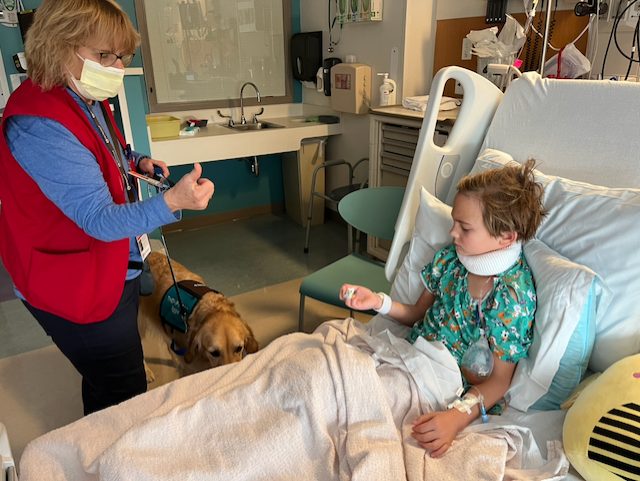
At this juncture, the medical team turned to genomic sequencing to understand the specific drivers of Alice’s cancer. This shift from "one-size-fits-all" medicine to precision oncology proved to be the turning point. The genetic testing revealed a specific gene fusion—a process where two previously separate genes join together to create a "fusion protein" that signals cancer cells to grow uncontrollably. In Alice’s case, this fusion was the engine driving her cancer and the reason it resisted standard therapy.
Coincidentally, the field of pediatric oncology was on the cusp of a breakthrough. In late 2024, a new targeted therapy drug, designed specifically to inhibit the proteins created by such gene fusions, received approval for clinical trials. Unlike traditional chemotherapy, which attacks all rapidly dividing cells and often causes systemic side effects, targeted therapy acts like a "key" designed for a specific "lock," attacking only the cells that harbor the genetic mutation.
Alice enrolled in the clinical trial in the summer of 2025. The results were nothing short of miraculous. Within a single month of starting the medication, follow-up scans showed that the tumors in her lungs had nearly disappeared.
Supporting Data and the Landscape of Pediatric Thyroid Cancer
To understand the significance of Alice’s recovery, one must look at the statistical landscape of the disease. While thyroid cancer is the most common endocrine malignancy, it represents only about 2% of all childhood cancers. However, its incidence has been rising by approximately 1% to 4% annually over the past several decades.
Pediatric thyroid cancer differs significantly from the adult version. Children are more likely to present with advanced-stage disease, including lymph node involvement and pulmonary metastasis. Despite this, the long-term survival rate for pediatric patients remains high, provided the cancer is responsive to treatment. The challenge arises in the small percentage of cases, like Alice’s, where the cancer is refractory to radioactive iodine.
The success of Alice’s treatment highlights the importance of organizations like the Children’s Cancer Research Fund (CCRF) and events such as Glamorama. These organizations provide the necessary funding for the early-stage research that leads to clinical trials. According to data from the National Cancer Institute, only about 4% of federal funding for cancer research is dedicated specifically to childhood cancers. This disparity makes private philanthropy and advocacy essential for the development of new drugs for rare pediatric conditions.
Broader Implications and the Road Ahead
Alice’s case serves as a beacon for the future of pediatric oncology. The transition from aggressive, systemic treatments to highly specific, genetic-based therapies offers the promise of higher efficacy with fewer long-term side effects. However, the use of these new drugs in children requires rigorous monitoring. Because Alice is still growing, her medical team must closely observe her heart function and bone development, as the long-term impacts of these targeted inhibitors on a developing body are still being studied.
Beyond the clinical implications, Alice’s journey highlights the importance of holistic support for pediatric patients. In August 2025, Alice attended Camp Norden, a specialized camp operated by the Children’s Cancer Research Fund for children affected by cancer. There, she was able to reclaim her childhood, performing K-pop songs during karaoke and engaging with a community of peers who understood her experience. These psychosocial interventions are considered vital components of modern pediatric care, addressing the mental health and social development of children undergoing long-term treatment.
Conclusion: Redefining "Rare"
Today, Alice Lunde continues to serve as an ambassador for the Children’s Cancer Research Fund, using her story to advocate for continued research funding. Her mother, Erin, notes that Alice’s "rare" status has evolved from a medical label into a symbol of her strength and individuality. Alice continues to draw, wrestle, and sing, her voice a constant reminder of the hurdles she has cleared.
The success of Alice’s treatment is a direct result of the intersection between medical persistence, parental advocacy, and scientific innovation. As researchers continue to identify the genetic markers of rare cancers, the hope is that more children will have access to the "designer drugs" that saved Alice’s life. Her story remains a work in progress, but it is one characterized by optimism and the relentless pursuit of discovery. Through her role as a Glamorama Ambassador, Alice ensures that the term "rare" is no longer just a diagnostic category, but a testament to the unique courage of children facing the unthinkable.
