
 By Hendra Lukman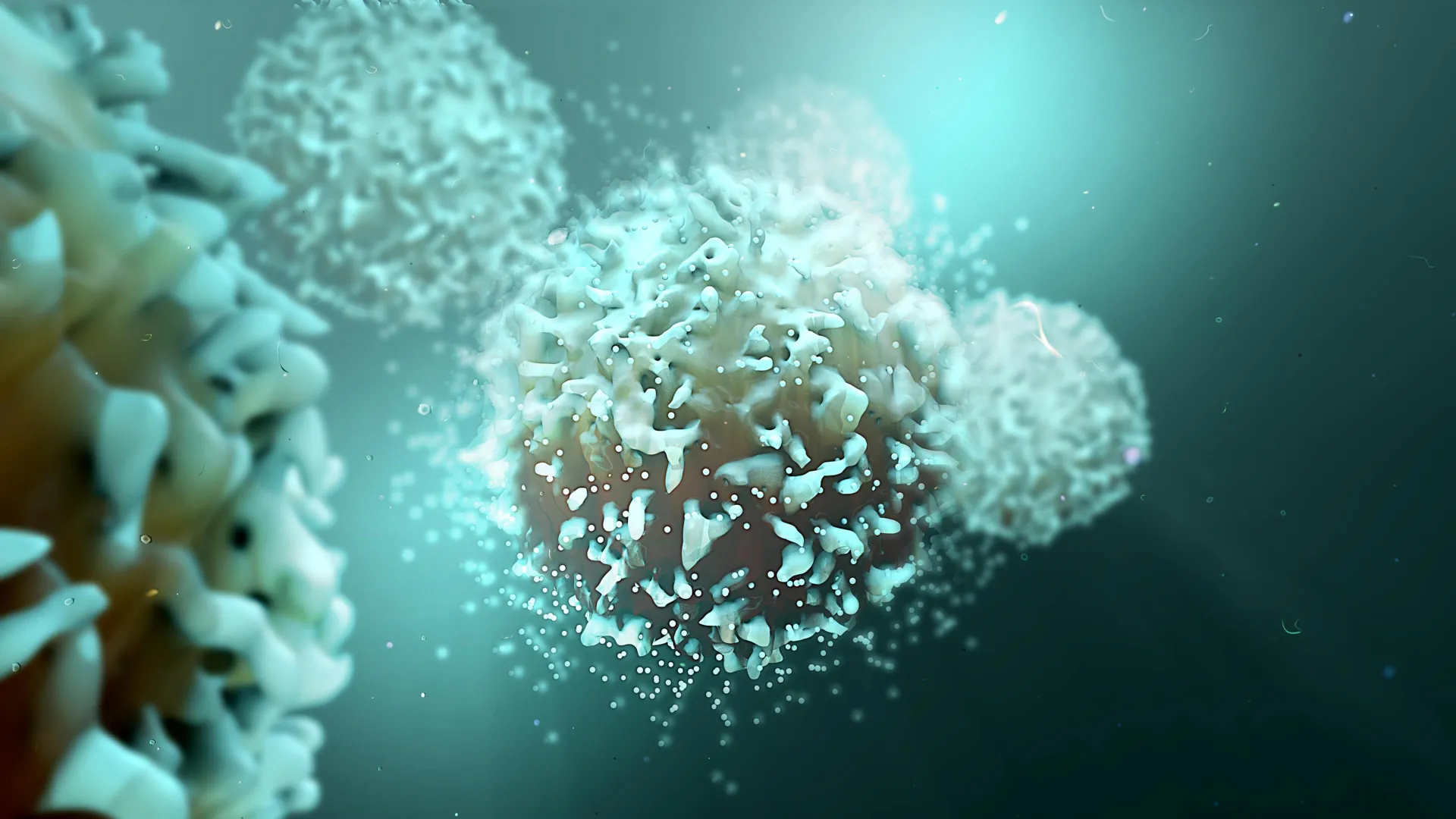
A pioneering gene therapy developed by scientists at University College London (UCL) and Great Ormond Street Hospital (GOSH) is demonstrating remarkable success in treating T-cell acute lymphoblastic leukemia (T-ALL), a rare and aggressive blood cancer affecting both children and adults. This innovative approach, known as BE-CAR7, leverages genome-edited immune cells to precisely target and eliminate cancerous T-cells, offering a vital lifeline to patients with limited treatment alternatives. The therapy represents a significant advancement in the field of precision medicine, particularly for a disease that has historically presented formidable challenges to clinicians.
The Genesis of BE-CAR7: A Leap Forward in Gene Editing
BE-CAR7 stands as a first-of-its-kind gene therapy that utilizes base-edited immune cells, a sophisticated application of CRISPR technology. Unlike traditional gene editing methods that cut DNA, base-editing allows for the precise alteration of individual DNA "letters" within living cells. This precision is crucial for reprogramming immune cells, specifically T-cells, to effectively identify and destroy leukemic cells without causing collateral damage to healthy tissues or triggering adverse autoimmune responses. The development of this therapy marks a pivotal moment in the fight against T-ALL, a subtype of leukemia characterized by its rapid progression and often poor prognosis with conventional treatments.
The journey of BE-CAR7 began in 2022 when researchers at GOSH and UCL treated Alyssa, a 13-year-old girl from Leicester, as the inaugural recipient of a base-edited therapy globally. Alyssa’s case, though an early trial, provided the critical proof of concept that this advanced gene-editing technology could be safely and effectively deployed in a clinical setting. Her successful treatment paved the way for further investigation and expansion of the therapy.
Since Alyssa’s pioneering treatment, the BE-CAR7 therapy has been administered to an additional eight children and two adults across GOSH and King’s College Hospital (KCH). This expanded cohort allows for more robust data collection and a deeper understanding of the therapy’s efficacy and safety profile in a broader patient population.
Promising Clinical Trial Results Signal a New Era of Treatment
Early findings from the clinical trial, published in the prestigious New England Journal of Medicine and presented at the 67th American Society of Hematology Annual Meeting, have revealed highly encouraging remission rates. While specific detailed data points from the original text were not provided in the excerpt, the consistent reporting of "strong remission rates" and "impressive responses" by the research team underscores the therapy’s significant impact. The published results are anticipated to detail objective response rates, duration of remission, and overall survival data, providing critical metrics for assessing the therapy’s long-term potential.
The success of BE-CAR7 is intrinsically linked to advancements in CAR T-cell immunotherapy, a revolutionary treatment modality that has already transformed the management of several other blood cancers. In CAR T-cell therapy, a patient’s own T-cells are genetically modified to express a Chimeric Antigen Receptor (CAR). This CAR acts like a homing device, enabling the T-cells to recognize specific markers, or "flags," on the surface of cancer cells and launch a targeted attack.
However, developing CAR T-cell therapies for leukemias originating from T-cells, like T-ALL, has presented unique challenges. The primary hurdle lies in engineering T-cells to eradicate cancerous T-cells without inadvertently targeting and destroying healthy T-cells, a phenomenon that could lead to severe immunodeficiency and life-threatening complications.
Base-Editing: The Key to "Off-the-Shelf" Universal CAR T-Cells
The breakthrough of BE-CAR7 lies in its ability to overcome this challenge through the sophisticated application of base-editing. This next-generation genome editing method, by altering single DNA letters rather than cutting the DNA strand, significantly reduces the risk of chromosomal damage. This method enabled researchers to create banked stores of "universal" CAR T-cells, also referred to as "off-the-shelf" cells. These universal cells can be readily administered to different patients without the need for individual cell collection and engineering from each patient, a process that is time-consuming and resource-intensive.
The universal CAR T-cells used in the BE-CAR7 therapy are derived from the white blood cells of healthy donors. The complex engineering process takes place within a specialized cleanroom facility at GOSH. This facility utilizes custom RNA, mRNA, and a lentiviral vector within an automated system that the research team has meticulously refined. The key steps in this intricate manufacturing process involve:
- Cell Isolation: Harvesting T-cells from healthy donor blood.
- Base Editing: Precisely altering specific DNA sequences within these T-cells to introduce the CAR and other modifications that enhance their targeting ability and safety profile.
- CAR Introduction: Introducing the chimeric antigen receptor gene into the base-edited T-cells.
- Expansion: Growing a sufficient quantity of these engineered T-cells for clinical use.
- Quality Control: Rigorous testing to ensure the safety, potency, and purity of the manufactured cell product.
From Cancer Eradication to Immune System Restoration
Upon infusion, the base-edited BE-CAR7 T-cells swiftly patrol the patient’s body, identifying and eliminating both cancerous and healthy T-cells. This broad action is essential for eradicating the leukemia. If the leukemia is successfully cleared within the initial month of treatment, patients then undergo a bone marrow transplant. This vital procedure replaces the depleted bone marrow with healthy stem cells, gradually restoring a fully functional immune system over the subsequent months.
Professor Waseem Qasim, the lead researcher and a distinguished professor of cell and gene therapy at UCL and an honorary consultant immunologist at GOSH, expressed optimism about the findings. "We previously showed promising results using precision genome editing for children with aggressive blood cancer, and this larger number of patients confirms the impact of this type of treatment," he stated. "We’ve shown that universal or ‘off the shelf’ base-edited CAR T-cells can seek and destroy very resistant cases of CD7+ leukemia."
Professor Qasim acknowledged the collaborative effort involved. "Many teams were involved across the hospital and university, and everyone is delighted for patients clearing their disease, but at the same time, deeply mindful that outcomes were not as hoped for some children," he added. "These are intense and difficult treatments – patients and families have been generous in recognizing the importance of learning as much as possible from each experience." This candid reflection highlights the complex realities of cutting-edge medical research, where successes are celebrated alongside the recognition of ongoing challenges and the profound dedication of all involved.
A Beacon of Hope for Treatment-Resistant Cases
Dr. Rob Chiesa, a study investigator and bone marrow transplant consultant at GOSH, emphasized the critical need for such advanced therapies. "Although most children with T-cell leukemia will respond well to standard treatments, around 20% may not," he explained. "It’s these patients who desperately need better options, and this research provides hope for a better prognosis for everyone diagnosed with this rare but aggressive form of blood cancer."
Dr. Chiesa also lauded the dedication of the patient and the multidisciplinary team. "Seeing Alyssa go from strength-to-strength is incredible and a testament to her tenacity and the dedication of an array of small army of people at GOSH," he said. "Team working between bone marrow transplant, hematology, ward staff, teachers, play workers, physiotherapists, lab and research teams, among others, is essential for supporting our patients." This statement underscores the holistic approach required in treating complex pediatric cancers, extending beyond purely medical interventions to encompass the comprehensive well-being of the child.
Echoing these sentiments, Dr. Deborah Yallop, a consultant hematologist at KCH, noted the transformative potential of the therapy. "We’ve seen impressive responses in clearing leukemia that seemed incurable – it’s a very powerful approach," she remarked.
Expanding Access and Fostering Future Research
The groundbreaking trial is sponsored by GOSH and supported by significant funding from the Medical Research Council, Wellcome, and the National Institute for Health and Care Research (NIHR). For eligible NHS patients interested in participating, discussions with their healthcare team are encouraged.
Further bolstering access to this life-changing treatment, GOSH Charity has committed over £2 million to fund the treatment of an additional 10 T-ALL patients. This substantial investment not only broadens the reach of the trial but also aligns with GOSH Charity’s ambitious fundraising campaign for a new Children’s Cancer Centre, a facility dedicated to accelerating cutting-edge research and patient care.
Alyssa’s Inspiring Journey: A Testament to Resilience and Innovation
Alyssa Tapley, now 16, continues to be an emblem of hope and a testament to the transformative power of medical innovation. Her initial diagnosis in May 2021, following months of symptoms initially attributed to recurrent viral illnesses, marked the beginning of a challenging journey. Despite undergoing chemotherapy and a bone marrow transplant, her leukemia persisted, leading to discussions about palliative care. It was at this critical juncture that the research team offered her the opportunity to participate in the experimental BE-CAR7 therapy.
Reflecting on her decision to join the trial, Alyssa shared, "I chose to take part in the research as I felt that, even if it didn’t work for me, it could help others." Years later, her message is one of profound gratitude and optimism. "We know it worked, and I’m doing really well," she stated. "I’ve done all those things that you’re supposed to do when you’re a teenager. I’ve gone sailing, spent time away from home doing my Duke of Edinburgh Award, but even just going to school is something I dreamed of when I was ill. I’m not taking anything for granted."
Alyssa’s aspirations for the future are deeply intertwined with her personal experience. "Next on my list is learning to drive, but my ultimate goal is to become a research scientist and be part of the next big discovery that can help people like me," she revealed. Her ambition to contribute to scientific advancement embodies the spirit of progress that her own treatment represents.
A Legacy of Research and Philanthropic Support
The development of BE-CAR7 cells has been nurtured through a long-term research program at the UCL Great Ormond Street Institute of Child Health, under the dedicated leadership of Professor Qasim. Crucial support from the NIHR, Wellcome, the Medical Research Council, and GOSH Charity has been instrumental in driving the evolution of these innovative genome editing treatments.
The research team now operates from the state-of-the-art Zayed Centre for Research into Rare Disease in Children. This world-class facility, a partnership between UCL and GOSH, was made possible by a significant £60 million gift in 2014 from Her Highness Sheikha Fatima bint Mubarak, in honor of her late husband, Sheikh Zayed bin Sultan Al Nahyan. Such philanthropic investment is vital for fostering an environment where groundbreaking research can flourish.
The researchers also extended their heartfelt gratitude to Anthony Nolan, a leading blood cancer charity, and to the countless volunteer blood and stem cell donors whose generosity forms the bedrock of such treatments. Above all, their deepest thanks are reserved for the patients and their families who courageously chose to participate in this life-changing work, contributing invaluable insights that propel medical science forward.
