
 By George Ongkojoyo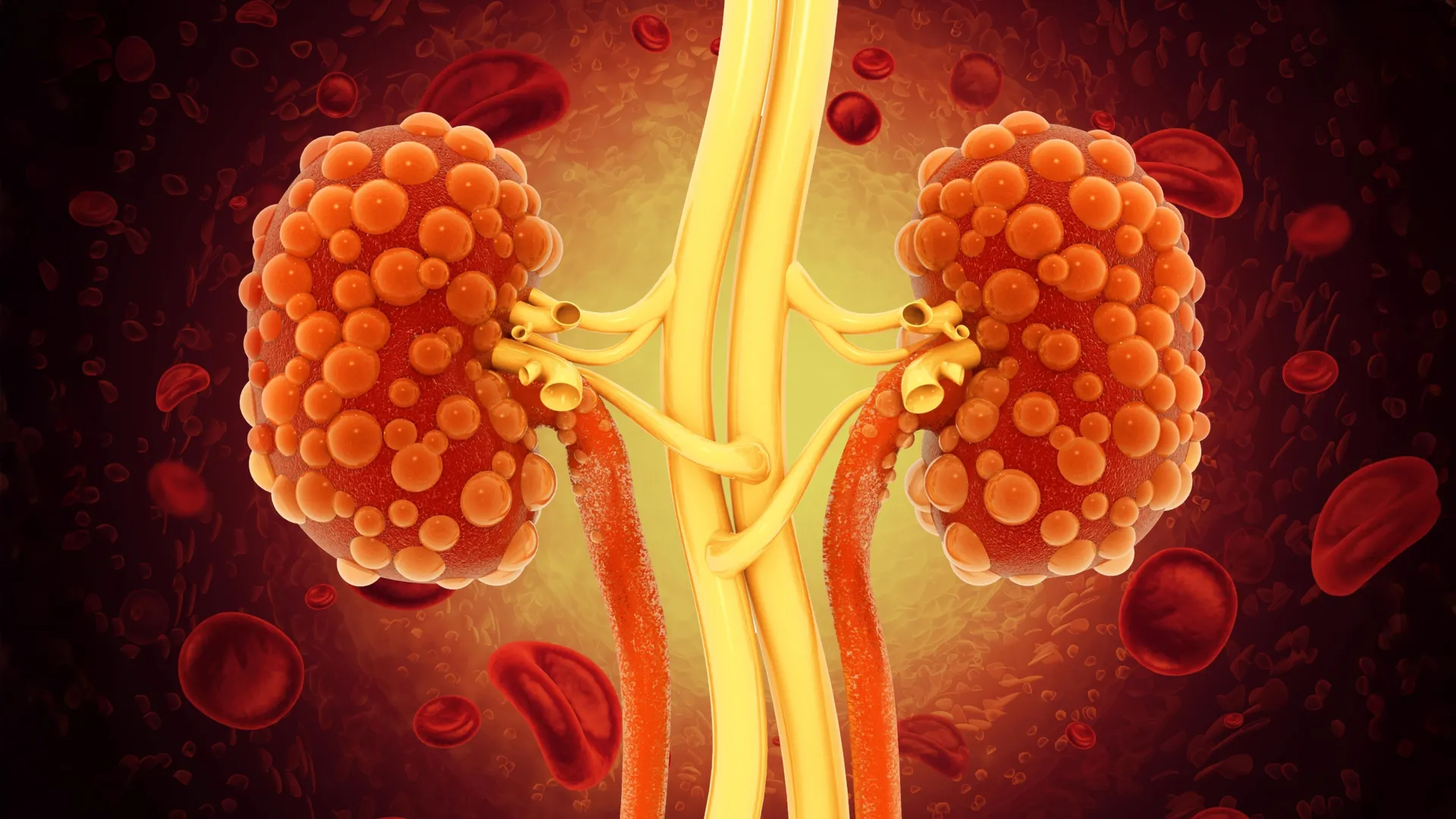
Researchers at the University of California, Santa Barbara (UCSB) have unveiled a pioneering therapeutic strategy that could transform the treatment landscape for Polycystic Kidney Disease (PKD), an inherited condition that affects millions of people worldwide. The study, published in the journal Cell Reports Medicine, details the development of a specialized monoclonal antibody designed to penetrate the protective barriers of renal cysts. By disrupting the self-sustaining growth cycles that drive the disease, this new approach offers a potential alternative to current treatments that are often hindered by severe side effects and limited efficacy.
Polycystic Kidney Disease is characterized by the relentless development of fluid-filled clusters known as cysts within the kidneys. Over time, these cysts expand in both size and number, exerting pressure on healthy renal tissue and eventually leading to organ failure. For many patients, the progression of PKD results in End-Stage Renal Disease (ESRD), necessitating lifelong dialysis or a kidney transplant. Despite the prevalence of the condition—which affects approximately 1 in every 400 to 1,000 people globally—medical science has long struggled to find a targeted therapy that can arrest cyst growth without damaging the surrounding healthy tissue.
The Biological Barrier to Effective Treatment
The primary challenge in treating PKD lies in the unique structure of the cysts themselves. Each cyst is essentially a sealed chamber lined with a layer of epithelial cells. These cells function as a biological wall, preventing most large-molecule drugs from entering the cyst’s interior. While small-molecule drugs have been developed to interfere with the chemical signals that drive cyst expansion, they often lack specificity.
Currently, the only FDA-approved drug specifically for PKD is Tolvaptan, a vasopressin V2 receptor antagonist. While Tolvaptan has been shown to slow the decline of kidney function, it is associated with significant drawbacks. Patients often experience intense thirst and frequent urination, and more critically, the drug carries a risk of serious liver toxicity. Furthermore, because Tolvaptan must be administered systemically in high doses to achieve an effect within the kidney, it can cause collateral damage to healthy cells.
"The cysts just keep growing endlessly," explained Dr. Thomas Weimbs, a biologist at UCSB and the senior author of the study. "And we want to stop them. So we need to get a drug into these cysts that will make them stop."
The research team identified that the interior of these cysts acts as a "self-contained signaling hub." The cells lining the cysts secrete various growth factors into the trapped fluid. These factors then bind back to the receptors on the same cells, creating a "never-ending scheme" of activation and proliferation. To break this cycle, a therapeutic agent must be able to cross the epithelial barrier and neutralize these growth factors or their receptors from the inside.
Engineering a "Trojan Horse" Antibody
In the world of modern medicine, monoclonal antibodies have become a cornerstone of immunotherapy, particularly in oncology. However, the most common type of lab-made antibody, Immunoglobulin G (IgG), is structurally too large and incompatible with the transport mechanisms required to enter a renal cyst. IgG antibodies are highly effective at circulating in the bloodstream and targeting tumors, but they cannot cross the epithelial cell layers that encapsulate PKD cysts.
To overcome this, the UCSB team turned to a different class of antibody: dimeric Immunoglobulin A (dIgA). In the human body, dIgA is a vital component of the mucosal immune system. It is the primary antibody found in secretions such as tears, saliva, and mucus, where it serves as a first line of defense against pathogens. Crucially, dIgA possesses a unique ability to bind to polymeric immunoglobulin receptors (pIgR) on the surface of epithelial cells. This binding triggers a process called transcytosis, where the cell actively transports the antibody from one side of the membrane to the other.
The researchers hypothesized that if they could re-engineer a therapeutic antibody to have a dIgA "backbone," they could hijack this natural transport system. By doing so, the antibody would act as a "Trojan Horse," being voluntarily pulled through the cyst wall by the very cells it is designed to target.
Targeting the cMET Receptor
The team’s specific target for this study was the cell mesenchymal-epithelial transition (cMET) receptor. In healthy tissue, cMET plays a role in embryonic development and wound healing. However, in PKD, the cMET receptor is overexpressed and hyperactive, serving as a primary engine for the uncontrolled growth of cyst-lining cells.
The research followed a rigorous experimental timeline:
- Genetic Modification: The team started with the DNA sequence of a known IgG antibody that targets cMET. They meticulously modified the sequence to replace the IgG constant region with a dIgA backbone.
- Verification: The researchers confirmed that the newly created dIgA antibody retained its ability to recognize and bind to the cMET receptor.
- In Vivo Testing: Using mouse models of polycystic kidney disease, the team administered the dIgA treatment. They observed that the antibody successfully utilized the pIgR pathway to enter the cysts, a feat that traditional IgG antibodies could not achieve.
The results were significant. Once inside the cysts, the dIgA antibody successfully blocked the cMET receptors, effectively "turning off" the growth signals. Furthermore, the study reported a "dramatic onset of apoptosis"—programmed cell death—specifically in the cyst epithelial cells. Most importantly, this cell death did not occur in the healthy kidney tissue, suggesting a level of precision and safety that has eluded previous pharmacological efforts.
Supporting Data and Economic Context
The implications of this research extend beyond the laboratory. The economic and social burden of PKD is substantial. According to data from the National Institute of Diabetes and Digestive and Kidney Diseases (NIDDK), polycystic kidney disease is the fourth leading cause of kidney failure in the United States. In the U.S. alone, Medicare spends billions of dollars annually on the care of patients with ESRD, many of whom suffer from inherited conditions like PKD.
A targeted therapy that could prevent or delay the need for dialysis would not only improve the quality of life for patients but also significantly reduce the strain on healthcare systems. The UCSB study provides a proof-of-concept that immunotherapy, which has revolutionized cancer care, can be adapted for chronic genetic disorders by leveraging different antibody architectures.
The research was conducted by a diverse team of scientists, including lead author Margaret F. Schimmel, alongside Bryan C. Bourgeois, Alison K. Spindt, Sage A. Patel, Tiffany Chin, Gavin E. Cornick, and Yuqi Lu. The project received partial funding from the National Institutes of Health (NIH) and the U.S. Department of Defense, reflecting the high priority placed on finding solutions for renal diseases within the federal research agenda.
Implications and Future Outlook
While the preclinical results are promising, the transition from mouse models to human clinical trials is a complex and multi-year process. Dr. Weimbs and his colleagues are now looking toward the next phase of development, which involves identifying the most effective growth factors to target.
"In the literature, there are dozens of growth factors that have been shown to be active in these cyst fluids," Weimbs noted. "So it would be a good idea to compare blocking of several different growth factors and several receptors, maybe side-by-side to see which is the most effective."
The modular nature of this new antibody platform allows for flexibility. Researchers could potentially create a "cocktail" of dIgA antibodies, each targeting a different growth receptor (such as EGFR or IGF-1R) simultaneously. This multi-pronged approach could prevent the cysts from developing resistance to the treatment, a common issue in long-term therapy for chronic diseases.
The scientific community has reacted with cautious optimism to the UCSB findings. Independent experts suggest that if the dIgA delivery mechanism proves safe in humans, it could open the door for treating other "walled-off" diseases where traditional drugs struggle to reach the site of pathology.
However, several hurdles remain. Producing dIgA antibodies at a scale suitable for human treatment is more technically demanding and expensive than producing standard IgG antibodies. Additionally, the team must find pharmaceutical partners willing to invest in the long-term clinical trial process required for PKD therapies.
Conclusion
The study from UC Santa Barbara represents a paradigm shift in how researchers view the "impenetrable" nature of kidney cysts. By moving away from small-molecule drugs and toward engineered dIgA antibodies, the team has demonstrated that it is possible to bypass the biological defenses of PKD. While a cure for polycystic kidney disease remains the ultimate goal, this research provides a clear roadmap for a new generation of therapies that could stop the "endless growth" of cysts and offer a future where dialysis is no longer an inevitability for PKD patients.
