
 By George Ongkojoyo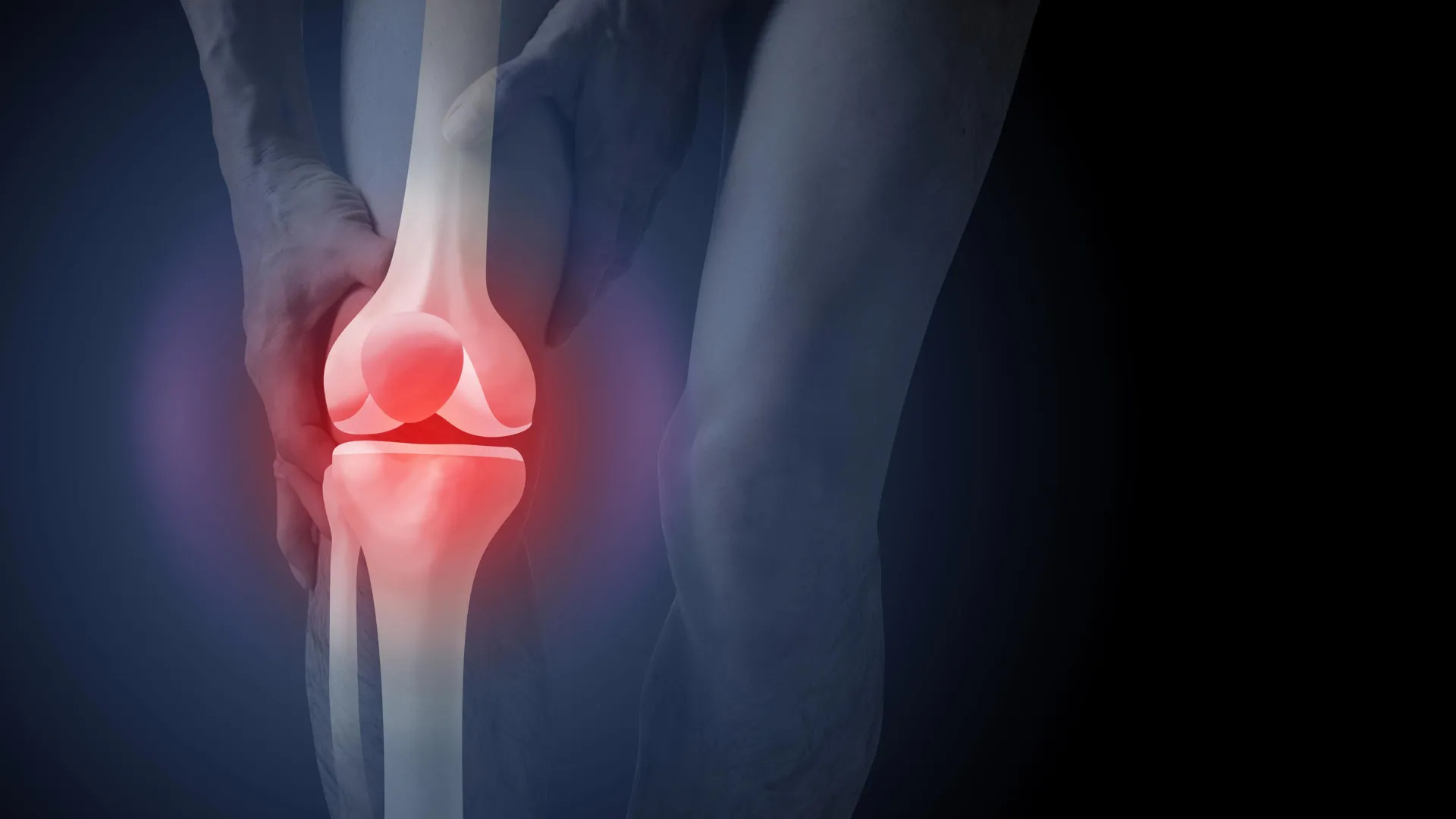
Medical experts and health researchers are raising concerns over the persistent over-utilization of diagnostic imaging for knee osteoarthritis in Australia, a practice that continues despite clear clinical guidelines advising against routine x-rays. A new comprehensive study has revealed that these unnecessary scans do more than just strain the healthcare budget; they fundamentally alter a patient’s perception of their condition, often leading to a heightened and potentially misplaced desire for invasive surgical interventions. While clinical guidelines emphasize a diagnosis based on symptoms and medical history, nearly half of all new patients presenting with knee pain to Australian general practitioners are still referred for imaging, contributing to a cycle of anxiety, physical inactivity, and rising healthcare costs.
The Disconnect Between Clinical Guidelines and General Practice
Current medical standards, including those set by the Australian Commission on Safety and Quality in Health Care, are explicit: routine x-rays are not recommended for the diagnosis of knee osteoarthritis. Instead, a "clinical diagnosis" is considered the gold standard for patients aged 45 and over. This diagnostic pathway relies on three primary markers: the patient’s age, the presence of joint pain during activity, and the absence of significant morning stiffness (or stiffness that resolves within 30 minutes).
Despite these established protocols, data indicates a significant gap between evidence-based guidelines and frontline clinical practice. Statistics show that approximately 50% of new patients seeking help for knee pain are sent for imaging. This trend persists even though the extent of structural changes visible on an x-ray rarely correlates with the actual level of pain or disability a person experiences. Many individuals with significant "joint space narrowing" on a scan report minimal pain, while others with "clean" x-rays suffer from debilitating symptoms. By relying on imaging, practitioners risk over-pathologizing normal age-related changes, leading to what some experts describe as "the medicalization of the aging process."
Detailed Findings of the PLOS Medicine Study
To understand the psychological impact of this diagnostic choice, a new study published in PLOS Medicine investigated how receiving an x-ray affects a patient’s outlook. The research team recruited 617 participants from across Australia, utilizing a randomized controlled trial design to observe the effects of different diagnostic methods. Participants were assigned to watch one of three hypothetical consultation videos between a patient and a general practitioner.
The first group observed a clinical diagnosis where the doctor explained the condition based on symptoms and age, without ordering an x-ray. The second group observed a diagnosis supported by an x-ray, where the doctor discussed the results but did not show the images. The third group received an x-ray-based diagnosis and was shown the actual radiographic images of the "damaged" joint.
The results were stark. Participants in the third group—those who saw their x-ray images—reported a 36% higher perceived need for knee replacement surgery compared to the group that received a clinical diagnosis alone. Furthermore, these individuals expressed a significantly higher "fear of movement" (kinesiophobia). They were more likely to believe that exercise and physical activity would cause further damage to their joints, and they reported greater anxiety about their condition worsening over time. Ironically, the study also found that patients were slightly more satisfied with an x-ray-based diagnosis, suggesting a deep-seated public misconception that a diagnosis is only "real" if it is accompanied by a visual scan.
The Financial Burden on the Australian Healthcare System
The propensity for unnecessary imaging carries a heavy financial toll. According to data from the Australian Institute of Health and Welfare (AIHW), osteoarthritis imaging alone costs the national health system approximately A$104.7 million annually. However, this is only the tip of the iceberg. The real economic weight lies in the subsequent treatments that imaging often triggers.
In the 2020–21 financial year, hospital services related to osteoarthritis—largely driven by joint replacement surgeries—cost the Australian government $3.7 billion. During the 2021–22 period, more than 53,000 Australians underwent knee replacement surgery. While these surgeries can be life-changing for those with end-stage symptoms who have exhausted all other options, experts warn that many of these procedures may be premature or unnecessary. When a patient sees "bone on bone" on an x-ray, they are much more likely to view surgery as an inevitable and immediate necessity, often bypassing more effective and less risky non-surgical interventions.
Debunking the "Wear and Tear" Myth
At the heart of the over-reliance on x-rays is a pervasive misunderstanding of what osteoarthritis actually is. For decades, the condition was described to patients as "wear and tear," a term that implies the joint is like a mechanical part that has reached its expiration date and must be replaced. Modern science, however, views osteoarthritis as a biological process where the joint is actively working to repair itself.
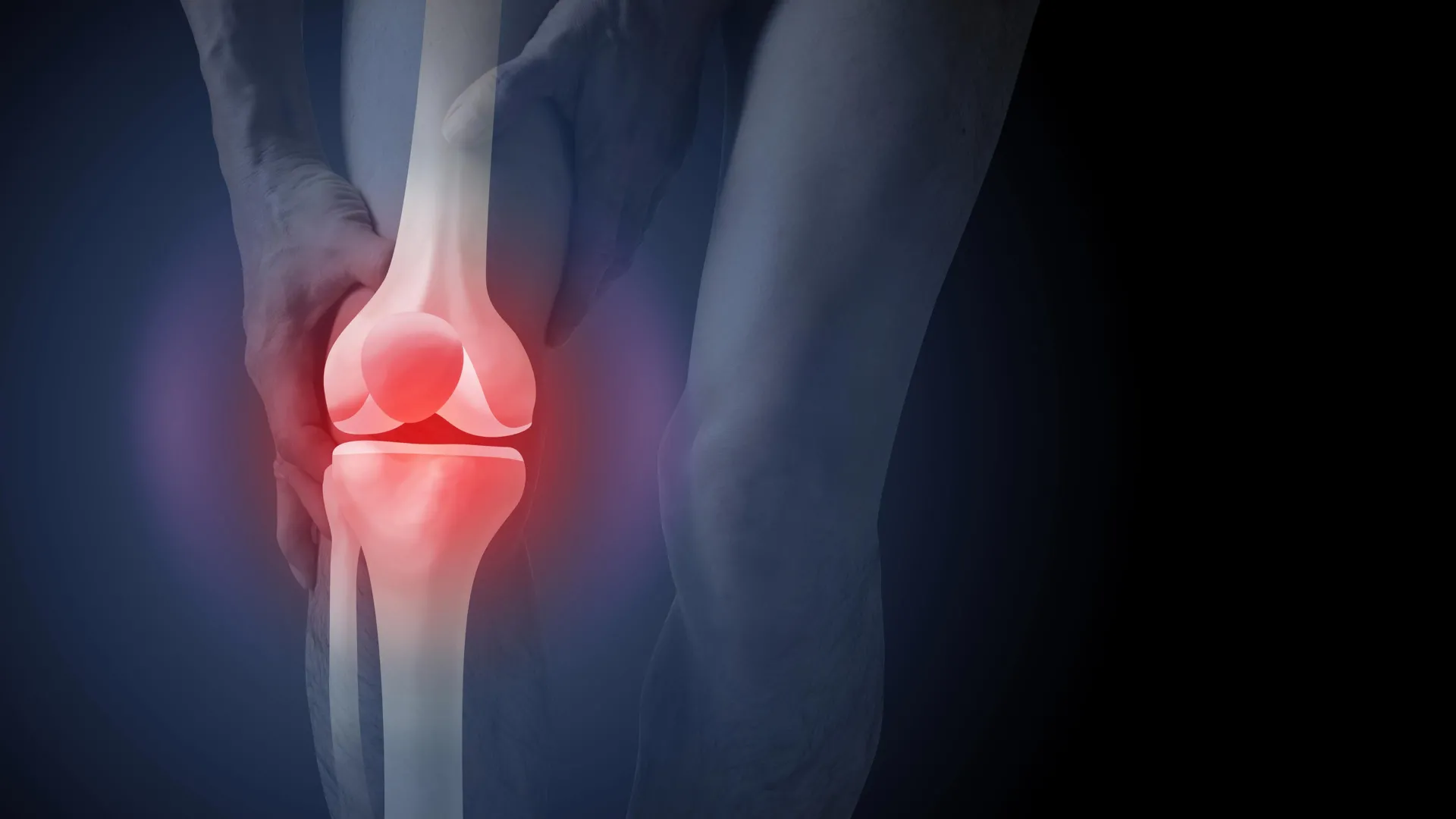
The "wear and tear" narrative is particularly damaging because it suggests that movement will only accelerate the destruction of the joint. In reality, cartilage requires the "loading" and "unloading" of physical activity to remain healthy and receive nutrients. Research has consistently shown that exercise, particularly strength training and aerobic activity, is one of the most effective ways to manage pain and improve function. By showing patients x-rays that highlight structural irregularities, doctors inadvertently reinforce the "damaged machine" metaphor, making patients fearful of the very activities that would help them recover.
The Risks and Realities of Knee Replacement Surgery
While knee replacement surgery is a common procedure, it is not without significant risks. It is a major operation that requires months of rehabilitation and carries the potential for serious adverse events, including deep vein thrombosis (blood clots), pulmonary embolism, and post-operative infections. Furthermore, clinical data suggests that approximately 10% to 20% of patients who undergo knee replacement are not satisfied with the outcome, often continuing to experience some level of pain or functional limitation.
Medical guidelines emphasize that surgery should be the final step in a long continuum of care. The first-line treatments for knee osteoarthritis include:
- Education: Understanding that the joint is not "wearing out" and that pain does not always equal damage.
- Exercise Programs: Structured physical activity designed to strengthen the muscles supporting the joint.
- Weight Management: Reducing the load on the knee joints, which can significantly decrease inflammation and pain.
- Pharmacotherapy: The judicious use of pain-relieving medications as an adjunct to physical therapy.
When patients are fast-tracked to imaging, they often skip these essential steps, moving directly to a surgical consultation because they believe their "damaged" joint is beyond the help of exercise.
Chronology of Diagnostic Evolution and Policy Shifts
The shift away from imaging has been a slow process in the medical community.
- Early 2000s: Standard practice involved routine x-rays and even MRIs for most patients presenting with joint pain.
- 2010s: Large-scale longitudinal studies began to prove that imaging findings were poor predictors of pain levels.
- 2018: The Royal Australian College of General Practitioners (RACGP) and the Australian Commission on Safety and Quality in Health Care released updated Clinical Care Standards, explicitly advising against routine x-rays for diagnosis.
- 2024: Recent studies, like the one published in PLOS Medicine, shift the focus from the clinical inaccuracy of x-rays to their psychological harms, providing a new impetus for changing GP behavior.
Broader Implications for Public Health and Policy
The implications of this research extend beyond the orthopedic clinic. It highlights a broader issue in modern medicine: the "over-diagnosis" and "over-medicalization" of conditions that could be managed through lifestyle and behavioral changes. Reducing unnecessary x-rays would not only save $104.7 million in direct costs but would also reduce the unnecessary exposure of the population to medical radiation. While a single knee x-ray involves a low dose of radiation, the cumulative effect of millions of unnecessary scans across the population is a public health consideration.
Furthermore, by reducing the psychological pressure for surgery, the health system could better manage elective surgery waitlists, ensuring that those who truly need replacements can access them more quickly. It would also allow for a reallocation of the $3.7 billion spent on hospital services toward community-based exercise and weight-management programs, which have been shown to have broader benefits for cardiovascular health and mental well-being.
Conclusion and Recommendations for Patients
The findings of the recent Australian study serve as a call to action for both healthcare providers and patients. For general practitioners, the challenge lies in resisting the pressure to order scans and instead spending the necessary time to explain the clinical diagnosis and the benefits of active management. For patients, the takeaway is a message of empowerment: a "scary" x-ray does not define your future mobility.
Health advocates suggest that patients should feel comfortable asking their doctors why a scan is being ordered and whether it will truly change the course of their treatment. As the medical community moves toward a more "value-based" care model, the focus is shifting away from what we can see on a screen and toward how a patient can best live their life. In the case of knee osteoarthritis, the best path forward is often found not in the radiology lab, but in the gym, the park, and the education center.
