
 By Suherman Candra Maholtra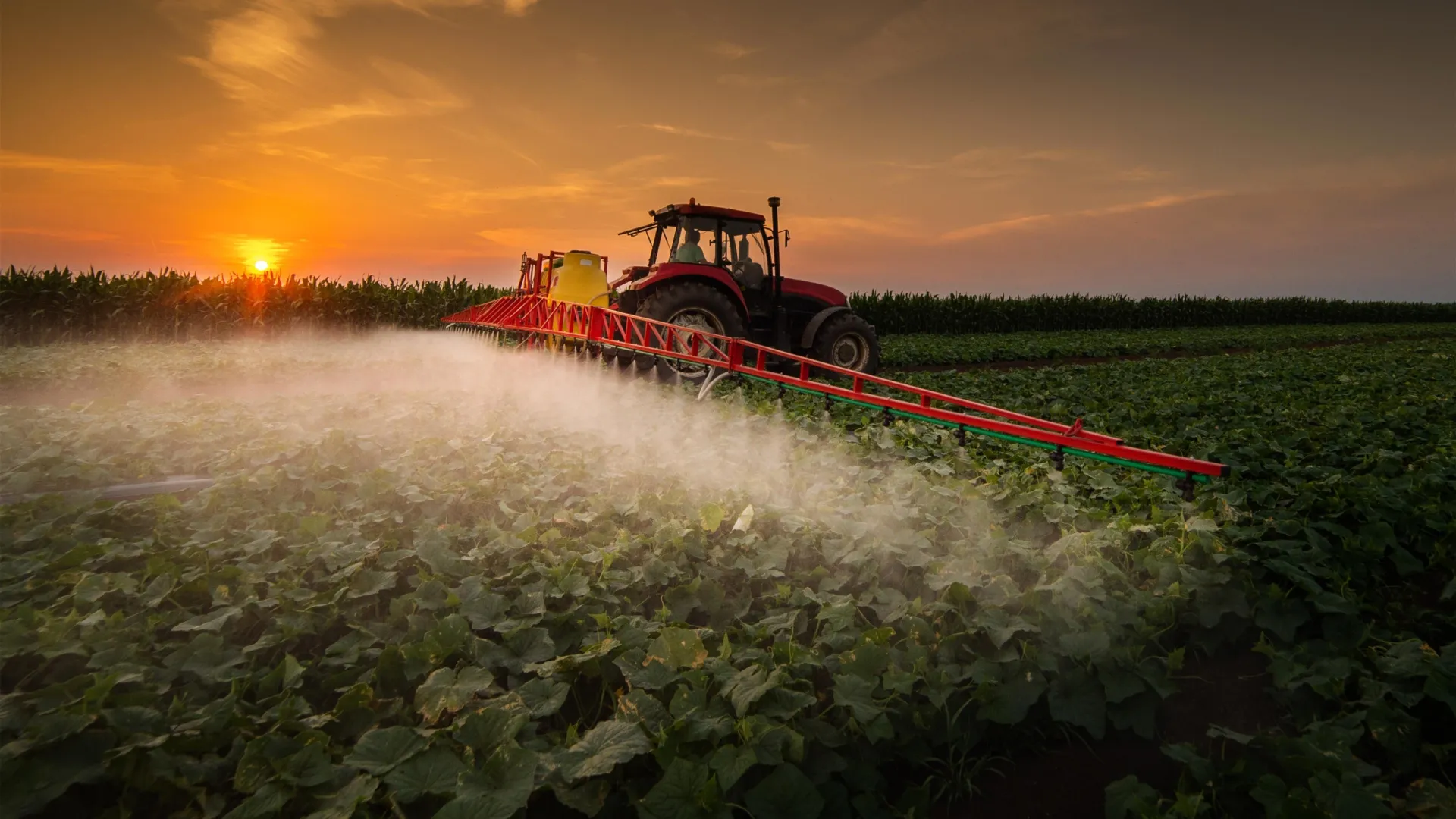
A comprehensive study led by researchers at the Penn State Cancer Institute has identified a significant correlation between agricultural environments and an increased risk of melanoma, the most lethal form of skin cancer. The research, published on November 14 in the journal JCO Clinical Cancer Informatics, suggests that residents of Pennsylvania counties with high levels of cultivated cropland and intensive herbicide application face a disproportionately higher risk of diagnosis compared to those in other regions. This finding challenges the traditional understanding of melanoma as a disease primarily driven by recreational sun exposure, pointing instead toward environmental and occupational factors inherent in farming communities.
The investigative team analyzed cancer registry data spanning a five-year period from 2017 through 2021. Their findings revealed that adults over the age of 50 living in a specific 15-county corridor in South Central Pennsylvania were 57% more likely to be diagnosed with melanoma than residents in the rest of the state. Crucially, the researchers determined that this elevated risk persisted even after accounting for ultraviolet (UV) radiation levels and various socioeconomic factors, suggesting that the presence of agricultural chemicals and land-use patterns are independent variables in the development of the disease.
Identifying the Geographic Hotspots and Demographic Trends
The study focused on a 15-county region in South Central Pennsylvania, an area known for its robust agricultural output and a mix of rural and suburban landscapes. While melanoma is frequently associated with coastal regions or high-altitude areas with intense sunlight, this research highlights a different kind of "hotspot." The data indicates that the risk is not confined to those who work directly in the fields; rather, it extends to entire communities situated near cultivated land.
Charlene Lam, an associate professor of dermatology at Penn State Health and co-author of the study, emphasized that the elevated case rates appear in both rural and urbanized counties within the agricultural belt. This suggests that the risk factor is not merely a result of personal lifestyle choices or high-exposure occupations but is likely linked to the broader environmental landscape. The research specifically noted that adults over age 50—a demographic often more susceptible to cumulative environmental exposures—showed the most pronounced increase in incidence.
Chronology of the Research and Data Collection
The research project followed a rigorous timeline to ensure the accuracy and relevance of its findings:
- Data Acquisition (2017–2021): The research team compiled and reviewed comprehensive cancer registry data from the Pennsylvania Department of Health. This five-year window provided a stable baseline to observe patterns in melanoma diagnoses across the state’s 67 counties.
- Environmental Mapping: Concurrently, the team utilized land-use data to categorize counties based on the percentage of cultivated acreage. They also integrated data regarding the volume and frequency of herbicide applications across these regions.
- Statistical Adjustment: Throughout 2023 and early 2024, the scientists applied statistical models to control for variables such as UV index ratings, age, gender, and socioeconomic status. This allowed them to isolate the impact of agricultural land use from other known risk factors.
- Peer Review and Publication: The study underwent a thorough peer-review process before being published in JCO Clinical Cancer Informatics in mid-November 2024.
- Ongoing Phase: As of late 2024, the team has transitioned into the next phase of the study, which involves field research in rural communities to investigate specific exposure pathways and local farming practices.
Supporting Data: The Link Between Land Use and Cancer Rates
The Penn State study provides specific quantitative metrics that illustrate the strength of the association between farming environments and melanoma. According to the analysis, there is a nearly linear relationship between the intensity of cultivation and the rate of skin cancer.
Specifically, the data showed that a 10% increase in the amount of cultivated land within a county was associated with a 14% rise in melanoma cases. The correlation was even more striking when examining chemical use: a 9% increase in land treated with herbicides corresponded to a 13% increase in melanoma incidence.
These statistics suggest that as agricultural intensity increases, the public health risk rises in tandem. The researchers noted that while ultraviolet radiation remains the primary cause of skin cancer globally, the "excess" cases in Pennsylvania’s farming regions suggest a secondary environmental catalyst. The study cited earlier research that has linked certain pesticides and herbicides to DNA damage and immune system interference in animal models, providing a theoretical biological basis for these observed human trends.
Biological Mechanisms and Chemical Drift
The senior author of the paper, Eugene Lengerich, an emeritus professor of public health sciences at Penn State, explained that herbicides and pesticides are biologically active by design. "Pesticides and herbicides are designed to alter biological systems," Lengerich stated. He noted that the same mechanisms used to kill weeds or pests—such as inducing oxidative stress or altering cellular signaling—could theoretically contribute to the development of cancer in humans.
One of the most concerning aspects of the findings is the potential for "chemical drift." This occurs when agricultural chemicals are carried by the wind, settle into household dust, or leach into local water sources. Because of this, individuals who do not work in agriculture but live in proximity to treated fields may still experience chronic, low-level exposure.
Furthermore, certain herbicides are known to cause photosensitivity. When these chemicals enter the human system, they can make the skin more reactive to sunlight, effectively magnifying the damaging effects of UV radiation. This synergistic effect between chemicals and sunlight may explain why agricultural regions show higher rates of melanoma even when UV levels are comparable to other areas.
Official Responses and Expert Cautionary Notes
While the data presents a compelling correlation, the research team has been careful to distinguish between association and causation. Benjamin Marks, the study’s first author and a medical and public health student at the Penn State College of Medicine, characterized the findings as a "signal" rather than a definitive "verdict."
"The data suggest that areas with more cultivated land and herbicide use tend to have higher melanoma rates, but many other factors could be at play like genetics, behavior or access to health care," Marks said. He emphasized that the purpose of the study is to identify broad trends that can inform future, more granular research into individual risk factors.
Dermatologists involved in the study are also using these findings to refine public health messaging. Charlene Lam noted that the traditional "beach-centric" view of melanoma prevention may be leaving agricultural communities underserved. She urged residents in these high-risk counties to be vigilant about skin health, regardless of whether they consider themselves "outdoorsy."
Broader Implications and the "One Health" Approach
The Pennsylvania study does not exist in a vacuum. Similar trends have been identified in other major agricultural regions globally, including parts of Utah in the United States, as well as farming provinces in Poland and Italy. This suggests that the intersection of modern industrial agriculture and public health is a global concern.
The research team advocates for a "One Health" approach to address these findings. This framework recognizes that the health of people is closely connected to the health of animals and our shared environment. Implementing a One Health strategy would involve:
- Interdisciplinary Collaboration: Bringing together oncologists, environmental scientists, and agronomists to develop farming techniques that minimize chemical drift.
- Policy Reform: Encouraging policymakers to consider public health data when regulating the use and application methods of herbicides.
- Community Outreach: Developing targeted screening programs for rural and agricultural communities to ensure early detection of melanoma, which is highly treatable if caught in its initial stages.
- Environmental Monitoring: Increasing the testing of air, soil, and water in high-intensity farming regions to better understand how chemicals move through the ecosystem.
Conclusion and Next Steps
As the Penn State Cancer Institute moves forward with its research, the focus will shift toward identifying the specific chemicals most closely associated with melanoma and determining the exact pathways of human exposure. For now, the study serves as a critical reminder that environmental factors beyond the sun play a role in skin cancer risk.
The implications for Pennsylvania are significant, given the state’s reliance on agriculture as a primary economic driver. The challenge for the future lies in balancing productive farming practices with the long-term health and safety of the communities that live alongside them. For residents of South Central Pennsylvania, the message from the medical community is clear: regular skin checks, protective clothing, and an awareness of environmental surroundings are essential tools in the fight against melanoma.
