
 By admin
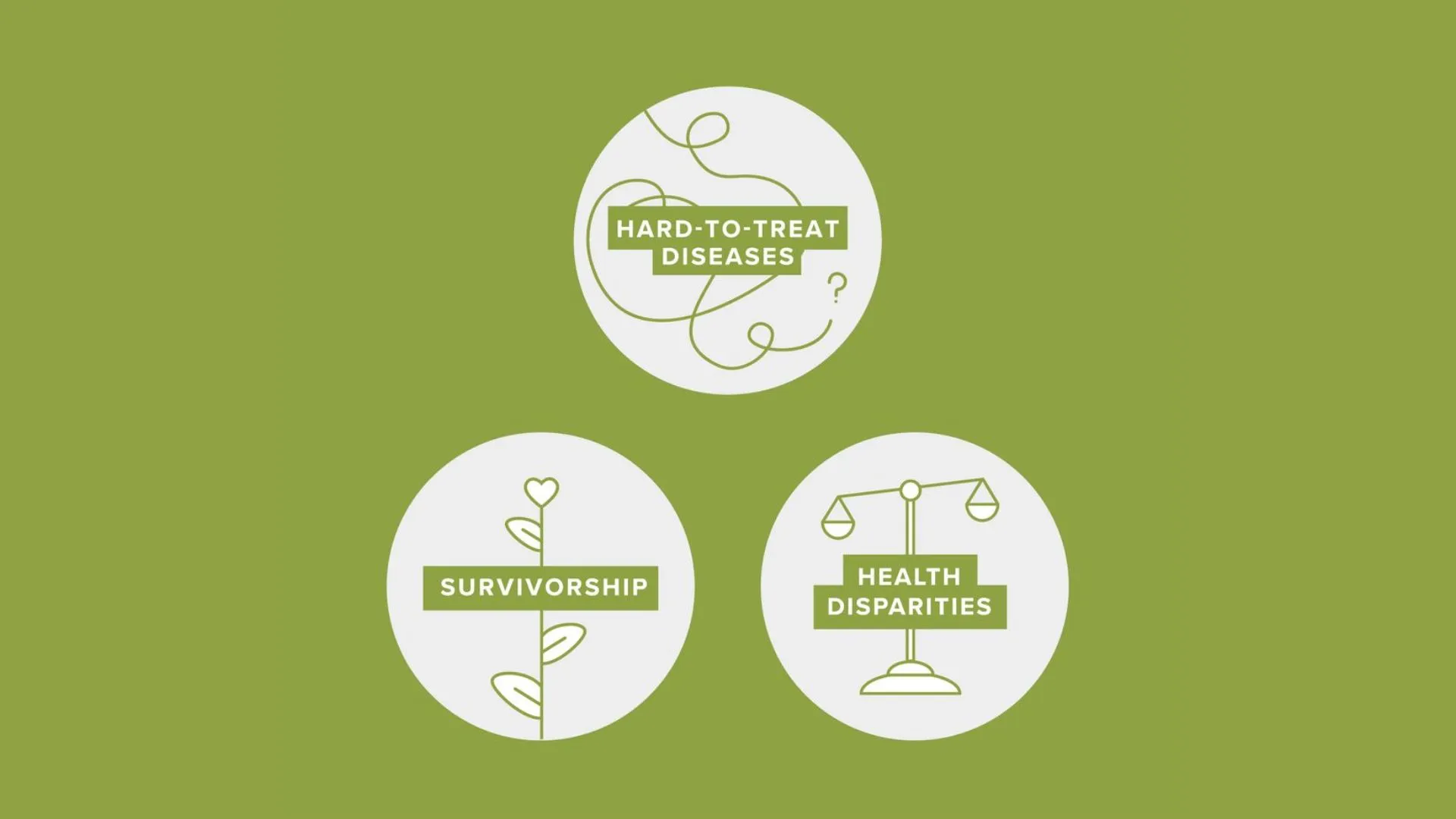
The Children’s Cancer Research Fund (CCRF) has officially unveiled its latest round of research grants, earmarking substantial resources for five pioneering projects aimed at some of the most daunting obstacles in pediatric oncology. This new funding cycle focuses on three critical pillars of modern cancer care: the development of therapies for hard-to-treat malignancies, the mitigation of health disparities caused by socioeconomic factors, and the improvement of long-term survivorship outcomes for children who have successfully completed treatment. By supporting researchers at top-tier institutions including the University of Minnesota, Emory University, and the Children’s Hospital of Philadelphia, CCRF continues to pivot the national research agenda toward precision medicine and holistic patient support.
The landscape of childhood cancer has shifted dramatically over the last five decades. While the overall five-year survival rate for pediatric cancers has risen from roughly 10% in the 1960s to over 85% today, certain sub-types remain resistant to conventional therapies. Furthermore, the medical community is increasingly recognizing that a "cure" is not the end of the journey; survivors often face a lifetime of chronic health issues resulting from the very treatments that saved them. The five projects selected by CCRF for this funding cycle address these specific gaps, moving beyond broad-spectrum chemotherapy toward targeted, equitable, and sustainable care models.
Breakthroughs in Hard-to-Treat Malignancies
One of the most significant challenges in pediatric oncology is the treatment of rare, aggressive tumors that do not respond to standard protocols. Within the "Hard-to-Treat" funding category, CCRF is supporting two high-stakes immunotherapy projects.
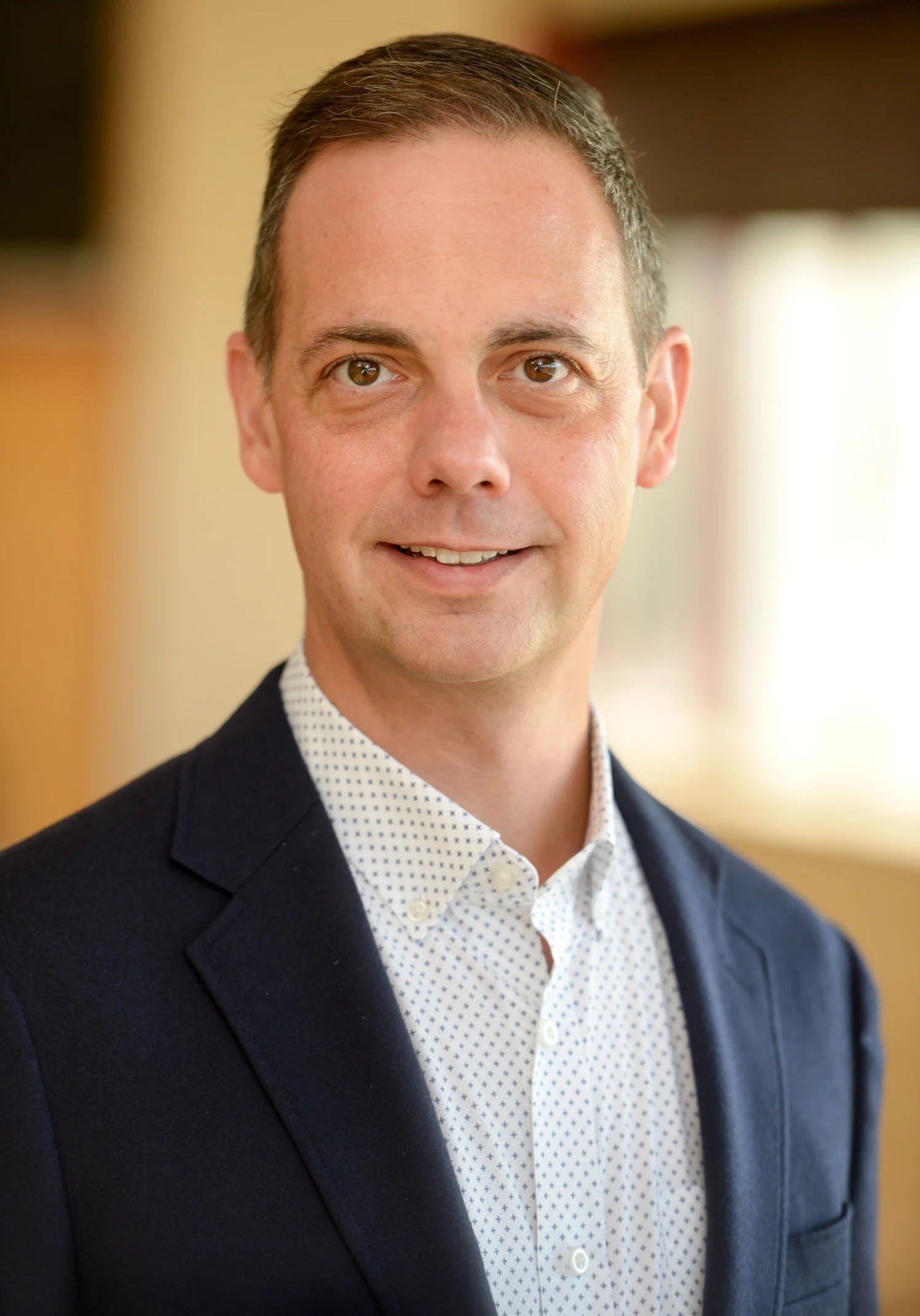
At the University of Minnesota, Dr. Kyle Williams is spearheading research into Malignant Peripheral Nerve Sheath Tumors (MPNST). These are highly aggressive soft tissue sarcomas that frequently develop in children and young adults, particularly those with the genetic condition Neurofibromatosis type 1 (NF1). Currently, MPNSTs are notoriously difficult to treat because they are often resistant to chemotherapy and radiation. Dr. Williams is developing a Chimeric Antigen Receptor (CAR) T-cell immunotherapy specifically designed to target these tumors. CAR T-cell therapy involves re-engineering a patient’s own immune cells to recognize and attack cancer cells. If successful, this would provide the first targeted immune therapy for a patient population that currently has few options beyond radical surgery.
Simultaneously, at Emory University, Dr. Kelly Goldsmith is tackling the formidable "blood-brain barrier" in the treatment of neuroblastoma. Neuroblastoma is a cancer of the nerve tissues and is the most common extracranial solid tumor in childhood. When this cancer spreads to the brain, the prognosis drops significantly because most drugs cannot cross the protective membrane that shields the central nervous system. Dr. Goldsmith’s project involves engineering gamma delta T cells. Unlike traditional T cells, gamma delta T cells possess a unique ability to penetrate the blood-brain barrier. By creating an "off-the-shelf" immunotherapy—meaning a treatment that can be mass-produced rather than custom-made for each individual—Dr. Goldsmith aims to provide a rapid, effective intervention for children with metastatic neuroblastoma.
Addressing the Crisis of Health Disparities
While laboratory science seeks to cure the biological disease, the CCRF is also addressing the "social determinants of health" that often dictate whether a child survives their diagnosis. Research has consistently shown that poverty is one of the most significant predictors of poor outcomes in childhood cancer.
Dr. Puja Umaretiya of the University of Texas Southwestern is leading a pilot randomized trial to address these disparities directly. Statistics indicate that nearly 50% of families navigating advanced or relapsed childhood cancer struggle to meet basic human needs, such as housing, food, and transportation. This "financial toxicity" can lead to missed appointments, inability to afford supportive medications, and increased stress, all of which correlate with higher relapse rates.
Dr. Umaretiya’s study is designed to test specific interventions that provide material support to families facing poverty during treatment. By treating financial instability as a clinical complication, this research aims to level the playing field, ensuring that a family’s bank account does not determine a child’s chance of survival. This project reflects a growing movement within the oncology community to integrate social work and economic support into the standard of care.
Protecting the Future: The Evolution of Survivorship
As the population of childhood cancer survivors grows—now estimated at over 500,000 in the United States alone—the medical community is facing a new crisis: the "late effects" of treatment. It is estimated that 80% of childhood cancer survivors will develop a chronic or life-threatening condition by the age of 45 as a direct result of their cancer treatment.
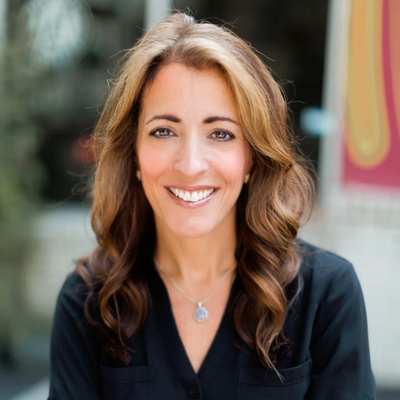
Dr. Brian Fisher at the Children’s Hospital of Philadelphia (CHOP) is addressing the immediate post-treatment period for leukemia survivors. Leukemia is the most common childhood cancer, and while survival rates are high, the intensive treatments leave children’s immune systems compromised for years. Dr. Fisher is leading a multi-center study to compare the infection risks between children treated with traditional chemotherapy and those treated with newer immunotherapies. As the field moves away from toxic chemicals toward biological markers, it is crucial to understand if these new "gentler" treatments actually result in fewer long-term immune deficiencies. This data will be vital for pediatricians and oncologists in managing the long-term follow-up care of leukemia survivors.
Further extending the focus on long-term health, Dr. Brandy-Joe Milliron at Drexel University is investigating the metabolic consequences of leukemia treatment. Children treated for leukemia face significantly higher risks of developing obesity, insulin resistance, and cardiovascular disease in early adulthood. These complications are often the result of high-dose steroids and chemotherapy drugs used during the multi-year treatment process. Dr. Milliron is testing a virtually delivered nutrition program designed to intervene early. By providing families with specialized nutritional guidance through digital platforms, the project seeks to mitigate the metabolic damage caused by treatment and prevent the onset of chronic disease later in life.
Chronology of Innovation and Funding Impact
The announcement of these five grants marks a specific milestone in CCRF’s decades-long history of funding. Founded in the late 1970s following the death of 13-year-old Katie Hageboeck, the organization has evolved from a local fundraising effort for the University of Minnesota into a national powerhouse that has contributed over $200 million to cancer research.
The selection process for these five projects began months ago with a rigorous peer-review system. CCRF’s scientific advisory board, composed of leading oncologists and researchers, evaluated hundreds of proposals based on their potential for immediate clinical impact and their ability to address underserved areas of the field. The inclusion of projects focusing on nutrition and poverty alongside high-tech CAR T-cell research signals a strategic shift in how the organization views "breakthroughs."
Historically, funding was almost exclusively directed toward "wet lab" biology. However, the 2024-2025 funding cycle demonstrates a more nuanced understanding of the patient experience. The timeline for these projects typically spans two to five years, with initial data expected to influence clinical trial designs by 2027.
Analysis of Broader Implications
The implications of this funding extend far beyond the five individual laboratories. By targeting MPNST and neuroblastoma brain metastases, CCRF is filling a critical gap left by large pharmaceutical companies, which often overlook rare pediatric "orphan" diseases in favor of more profitable adult cancers.

Furthermore, the focus on health disparities by Dr. Umaretiya aligns with the National Cancer Institute’s (NCI) recent emphasis on health equity. If the pilot trial at UT Southwestern proves successful, it could provide a blueprint for federal policy changes, potentially leading to mandated socioeconomic support for pediatric cancer families under national healthcare frameworks.
In the realm of survivorship, the work of Dr. Fisher and Dr. Milliron highlights a shift toward "quality of cure." In the past, the medical community’s sole metric of success was the absence of disease. Today, the metric is shifting toward the preservation of a child’s long-term potential. By identifying the specific infection risks of immunotherapy and the metabolic risks of chemotherapy, these researchers are helping to create a "risk-stratified" approach to survivorship care.
Conclusion and Future Outlook
The five projects funded by the Children’s Cancer Research Fund represent a comprehensive attack on childhood cancer from multiple angles. From the microscopic engineering of gamma delta T cells to the macroscopic issues of family poverty and long-term metabolic health, these initiatives acknowledge that curing childhood cancer requires more than just medicine—it requires a commitment to the child’s entire life trajectory.
As these researchers begin their work, the pediatric oncology community watches with optimism. The data generated by these studies will likely form the basis for the next generation of clinical trials, moving the world closer to a reality where every child not only survives cancer but thrives long after the treatment ends. The generosity of donors, as noted by CCRF leadership, remains the engine of this progress, proving that the belief in "better" is the primary catalyst for every medical breakthrough. Through this strategic allocation of funds, CCRF is ensuring that the most bold and innovative ideas in the field have the resources necessary to transition from the laboratory bench to the patient’s bedside.
