
 By George Ongkojoyo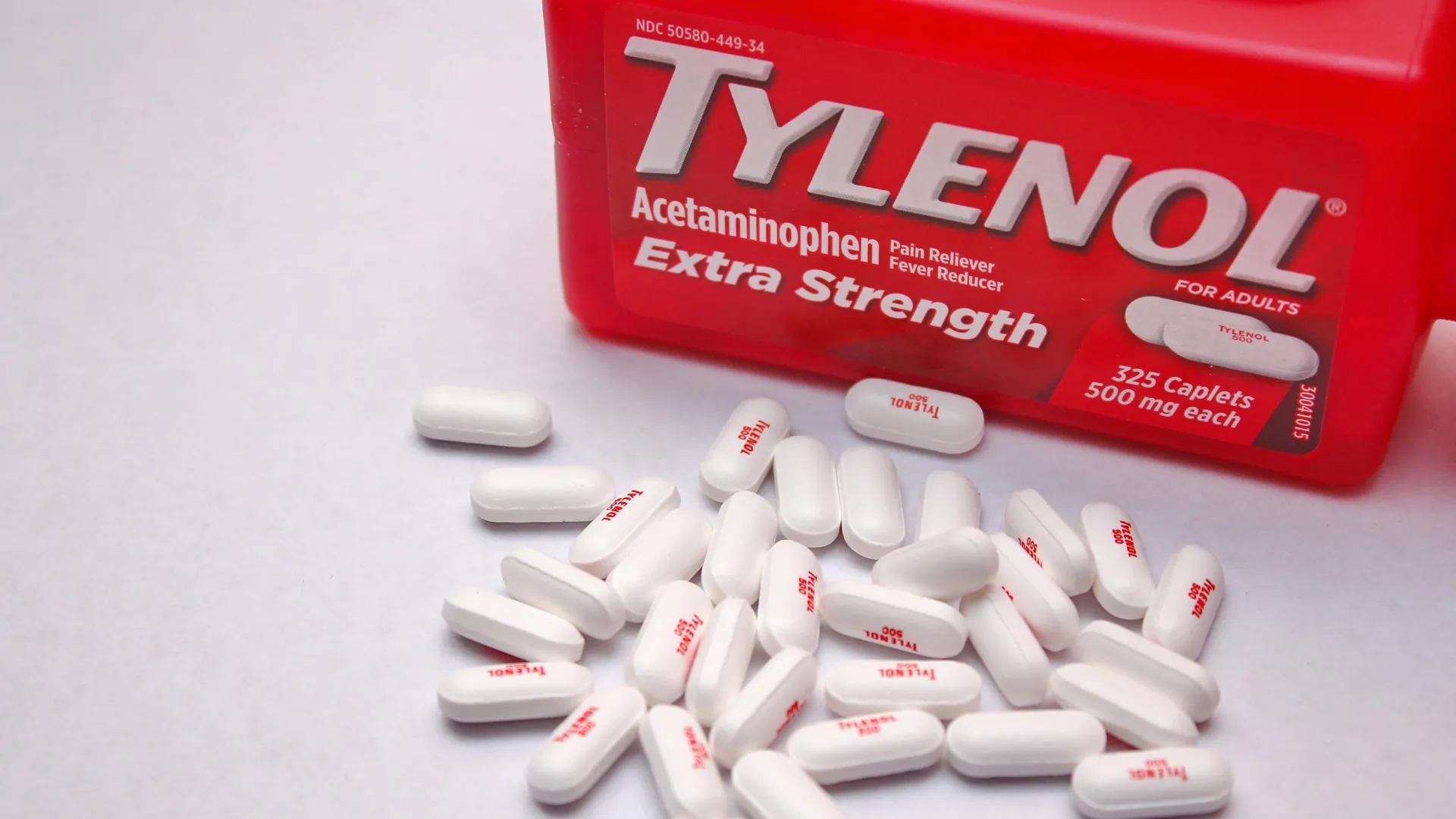
New research from the University of South Australia has revealed a concerning link between the world’s most common over-the-counter painkillers and the global escalation of antibiotic resistance. The study, led by Associate Professor Rietie Venter, suggests that ibuprofen and acetaminophen—widely known as paracetamol—may be inadvertently training bacteria to survive antibiotic treatments. While these medications have long been considered safe staples of the modern medicine cabinet, this first-of-its-kind research indicates that their interaction with bacteria like Escherichia coli (E. coli) could have devastating consequences for public health, particularly within vulnerable populations such as those in residential aged care.
The Catalyst of Resistance: Understanding the Study’s Findings
The core of the study focused on how non-antibiotic medications interact with both bacteria and the antibiotics designed to kill them. Researchers specifically assessed the interaction between ibuprofen, acetaminophen, and the broad-spectrum antibiotic ciprofloxacin. The test subject was E. coli, a ubiquitous bacterium responsible for a significant portion of urinary tract infections (UTIs), gut issues, and neonatal meningitis.
The findings were stark: when E. coli was exposed to a combination of ciprofloxacin and either ibuprofen or acetaminophen, the rate of bacterial mutation increased significantly compared to exposure to the antibiotic alone. These mutations allowed the bacteria to evolve at an accelerated rate, developing high levels of resistance to the treatment. Most alarmingly, the researchers discovered that the combination of these drugs did not just drive resistance to ciprofloxacin; it also triggered cross-resistance to several other classes of antibiotics. This means that a patient taking common painkillers while undergoing an antibiotic course might unknowingly be fostering "superbugs" that are immune to multiple forms of medical intervention.
The Biological Mechanism: How Painkillers Empower Bacteria
The University of South Australia team identified the specific genetic mechanisms that facilitate this surge in resistance. According to the study, both ibuprofen and acetaminophen activate a bacterial defense system known as "efflux pumps." In simple terms, these pumps act as a biological waste-disposal system for the bacteria. When the painkillers are present, the bacteria perceive a stressor and "rev up" these pumps, which then efficiently eject the antibiotic molecules from the bacterial cell before they can cause damage.
By expelling the antibiotic, the painkillers render the treatment less effective, allowing a sub-population of bacteria to survive. These survivors then undergo genetic mutations to further adapt to the hostile environment. "We uncovered the genetic mechanisms behind this resistance, with ibuprofen and paracetamol both activating the bacteria’s defenses to expel antibiotics and render them less effective," Associate Professor Rietie Venter explained. This "dual-action" of survival—pumping out the drug while simultaneously mutating—creates a formidable path toward total antibiotic failure.
The Crisis of Polypharmacy in Aged Care
A significant portion of the research focused on the implications for residential aged care facilities. In these environments, "polypharmacy"—the concurrent use of five or more medications—is the standard rather than the exception. Elderly residents are frequently prescribed a cocktail of drugs for chronic conditions, including treatments for blood pressure, cholesterol, diabetes, and sleep disorders, alongside regular doses of pain relief for arthritis or general aches.
The UniSA study assessed nine medications commonly found in aged care settings:
- Ibuprofen: An anti-inflammatory used for pain relief.
- Acetaminophen (Paracetamol): Used for pain and fever management.
- Diclofenac: A non-steroidal anti-inflammatory drug (NSAID) often used for arthritis.
- Furosemide: A diuretic used to treat high blood pressure and fluid retention.
- Metformin: A primary medication for managing Type 2 diabetes.
- Atorvastatin: A statin used to lower cholesterol.
- Tramadol: An opioid-based pain medication.
- Temazepam: A sedative used for insomnia.
- Pseudoephedrine: A common decongestant.
The prevalence of these drugs in a single environment creates what researchers describe as an "ideal breeding ground" for resistant bacteria. When an elderly patient in such a facility develops a routine infection, the sheer volume of non-antibiotic drugs in their system may provide the necessary environmental pressure for gut bacteria to become highly resistant to any antibiotics subsequently prescribed.
A Timeline of the Antibiotic Resistance Crisis
To understand the weight of these findings, it is necessary to view them within the historical context of antimicrobial resistance (AMR).
- 1928–1940s: The discovery and mass production of Penicillin mark the beginning of the "Golden Age" of antibiotics, drastically reducing mortality from common infections.
- 1950s–1970s: Rapid development of new antibiotic classes (tetracyclines, aminoglycosides, etc.). However, the first signs of resistance begin to appear shortly after each new drug’s release.
- 1990s–2000s: Global health bodies begin warning of "superbugs" like MRSA. The pipeline for new antibiotics begins to dry up as pharmaceutical companies pivot to more profitable chronic disease medications.
- 2019: A landmark study published in The Lancet reveals that bacterial AMR was directly responsible for 1.27 million deaths globally and played a role in an additional 4.95 million deaths.
- 2021–2023: Research begins to shift toward "non-antibiotic" drivers of resistance, looking at how environmental factors, heavy metals, and common pharmaceuticals influence bacterial evolution.
- 2024: The UniSA study provides the first concrete evidence that the world’s most used painkillers—ibuprofen and acetaminophen—are active participants in driving this genetic resistance.
Global Implications and Supporting Data
The World Health Organization (WHO) has classified antimicrobial resistance as one of the top ten global public health threats facing humanity. The economic costs are equally staggering; the World Bank estimates that AMR could result in US$1 trillion in additional healthcare costs by 2050, with a potential 3.8% reduction in global GDP.
Data from the UniSA study reinforces the complexity of this threat. While previous public health campaigns have focused almost exclusively on the "overuse and misuse" of antibiotics—such as patients demanding them for viral colds or farmers using them for livestock growth—this new data suggests that even "correct" antibiotic use can be undermined by the presence of other common drugs.
The threat is exacerbated by the fact that E. coli is a highly mobile bacterium. It can spread through contaminated food, water, and person-to-person contact. If resistant strains are being bred in the guts of millions of people taking paracetamol and ibuprofen, the "silent pandemic" of AMR could accelerate far faster than current models predict.
Expert Reactions and the Medical Community’s Stance
While the research is groundbreaking, the medical community’s response has been one of cautious urgency. Public health advocates suggest that these findings should prompt a re-evaluation of how "combination therapies" are managed in clinical settings.
"This doesn’t mean we should stop using these medications," Associate Professor Venter emphasized, "but we do need to be more mindful about how they interact with antibiotics."
Pharmacists and general practitioners may soon need to consider "drug-antibiotic-bacteria" interactions rather than just simple "drug-drug" interactions. There is an inferred call for updated clinical guidelines, particularly for the treatment of UTIs in the elderly, where the temptation to prescribe both a painkiller (for comfort) and an antibiotic (for the infection) is standard practice. If the painkiller is actively sabotaging the antibiotic, the patient may suffer from a prolonged infection, leading to a higher risk of sepsis—a life-threatening reaction to infection.
Analysis: The Future of Pharmaceutical Regulation
The UniSA study highlights a blind spot in pharmaceutical regulation and drug safety testing. Currently, most drugs are tested for their direct toxicity to humans and their interactions with other drugs in terms of metabolism (how the liver processes them). However, they are rarely tested for how they affect the "microbiome" or the evolutionary trajectory of the bacteria living within the human body.
The implications of this study suggest a shift in how we perceive "common" drugs. If ibuprofen is not just an anti-inflammatory but also a "bacterial stressor" that facilitates mutation, its risk profile changes. This may lead to:
- Stricter Labeling: Future packaging for painkillers might include warnings about use during antibiotic cycles.
- Prescription Monitoring: Increased oversight of polypharmacy in aged care, with a focus on reducing "unnecessary" staples when an acute infection is being treated.
- New Research Frontiers: A surge in funding for "evolutionary pharmacology," studying how the entire spectrum of human medicine impacts the microbial world.
Conclusion: A Call for Greater Awareness
The University of South Australia’s research serves as a pivotal reminder that the battle against antibiotic resistance is more complex than previously understood. It is no longer sufficient to focus solely on the antibiotics themselves; the entire chemical environment of the human body must be considered.
As we move forward, the researchers are calling for expanded studies into drug interactions across all demographics, not just the elderly. With millions of people globally on long-term medication regimes for everything from heart health to mental health, understanding how these chemicals influence bacterial behavior is essential for preserving the efficacy of our most vital medicines. The "silent pandemic" of antibiotic resistance is being fueled by the contents of our everyday medicine cabinets, and addressing this will require a fundamental shift in both medical practice and public awareness.
