
 By Budi Oetomo Narendra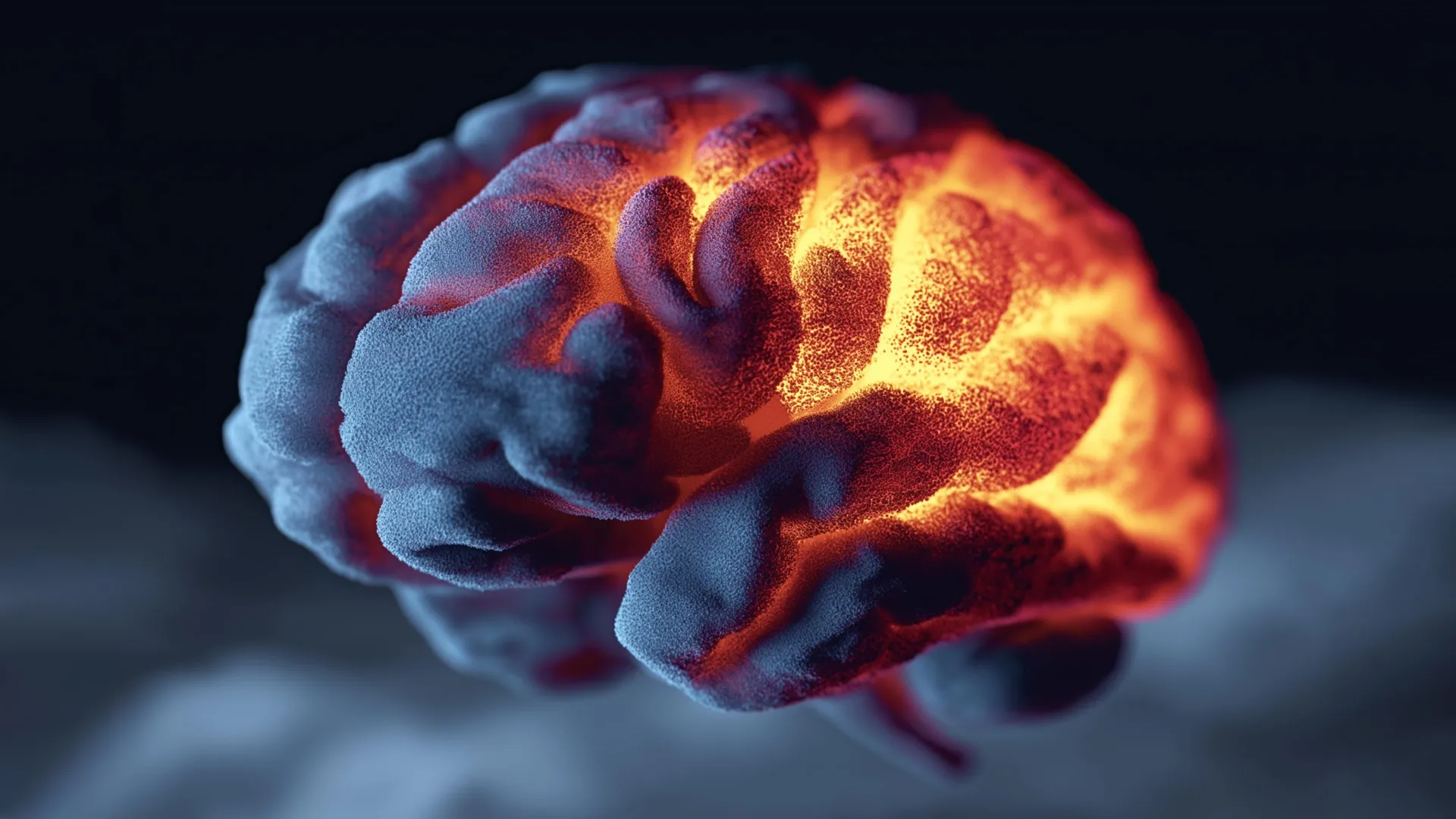
Researchers at Oregon Health & Science University (OHSU) have made a significant breakthrough, identifying a promising new treatment target for anti-NMDA receptor encephalitis, a severe autoimmune brain disorder. This pivotal discovery holds the potential to revolutionize the therapeutic landscape for a condition where the immune system aggressively attacks a critical brain receptor, the NMDA receptor. Beyond the immediate implications for more precise treatments, the finding also opens the door to the future development of a blood test that could detect early signs of the disease, enabling patients to commence treatment much sooner and potentially mitigating severe long-term consequences. The comprehensive study, which meticulously detailed the interaction between harmful autoantibodies and the NMDA receptor, was published in the esteemed journal Science Advances.
Understanding Anti-NMDA Receptor Encephalitis: The "Brain on Fire" Phenomenon
Anti-NMDA receptor encephalitis, often brought into the public consciousness by the bestselling memoir and subsequent 2016 film "Brain on Fire," describes a harrowing condition where the body’s own immune system turns against itself, specifically targeting the N-methyl-D-aspartate (NMDA) receptors in the brain. These receptors are indispensable for fundamental neurological processes, playing critical roles in memory formation, learning, and higher cognitive functions. When these receptors are attacked, patients can experience a terrifying array of symptoms, including dramatic personality changes, profound memory loss, seizures, speech difficulties, movement disorders, and in severe cases, life-threatening autonomic dysfunction or even death.
Despite its dramatic presentation and widespread publicity through media, the condition remains rare, affecting approximately 1 in 1 million people each year globally. It disproportionately impacts young adults, particularly those in their 20s and 30s, though cases have been reported across all age groups, from children to older adults. The rarity of the disease, coupled with its often initial presentation mimicking psychiatric disorders, frequently leads to diagnostic delays, which can significantly worsen patient outcomes. Early and accurate diagnosis is crucial, as delayed treatment can result in more severe neurological deficits and a prolonged recovery period. Current treatments primarily rely on broad immunosuppression, aiming to dampen the overall immune response. While effective for many, these therapies are not universally successful, carry significant side effects, and can leave patients vulnerable to relapses or other infections due to a compromised immune system.
A Breakthrough in Precision: Pinpointing the Antibody Binding Sites
The core of the OHSU research lies in its unprecedented precision: scientists successfully identified the exact locations on a subunit of the NMDA receptor where the harmful anti-NMDA receptor autoantibodies attach. This granular understanding represents a monumental leap forward, moving beyond generalized knowledge to specific molecular interactions. The ability to pinpoint these precise binding sites offers a clear therapeutic avenue: if these sites can be effectively blocked or neutralized, it could potentially slow, halt, or even reverse the progression of the devastating disease.
Lead author Junhoe Kim, Ph.D., a postdoctoral fellow at the OHSU Vollum Institute, spearheaded the analytical effort. His work involved a meticulous examination of anti-NMDA receptor autoantibodies extracted from a specially engineered mouse model of the disease. This animal model was crucial for generating a robust and consistent supply of the specific antibodies for detailed study. The findings from these mouse-derived antibodies were then rigorously compared with high-resolution images of the same types of autoantibodies collected from human patients diagnosed with anti-NMDA receptor encephalitis. The remarkable congruence between the binding locations observed in the mouse model and those seen in human patients provided compelling validation for the research.
"We have really solid evidence because the autoantibody binding sites that Junhoe identified overlap with those from people," affirmed senior author Eric Gouaux, Ph.D., a senior scientist in the Vollum Institute and an investigator with the Howard Hughes Medical Institute. Dr. Gouaux underscored the significance of this overlap, stating, "We’re focused now on this area as literally a hot spot for the interaction that underpins at least one component of the disease." This "hot spot" designation highlights the critical vulnerability identified by the team, suggesting it as a prime target for future therapeutic interventions. Dr. Kim further elaborated on the team’s achievement, noting that while earlier research had broadly hinted at the general region where these antibodies might bind, their study definitively "collected the entire native autoimmune antibody panel from a mouse model with the disease, and we elucidated where specifically they bind onto the receptor." This distinction between general understanding and precise mapping is what elevates this research to a new echelon.
The Science Behind the Discovery: Near-Atomic Imaging Reveals a Critical Hot Spot
The precision achieved in this study was made possible through the application of state-of-the-art imaging technology: near-atomic resolution cryo-electron microscopy (Cryo-EM). The OHSU team utilized the advanced capabilities of the Pacific Northwest Cryo-EM Center, located on OHSU’s South Waterfront campus. This facility is one of only three national centers dedicated to this cutting-edge imaging technology in the United States, jointly operated by OHSU and the Pacific Northwest National Laboratory, and supported by the National Institutes of Health.
Cryo-EM has revolutionized structural biology by allowing scientists to visualize biological molecules, such as proteins and receptors, at unprecedented resolutions, often down to individual atoms. Unlike traditional X-ray crystallography, which requires crystallizing samples, Cryo-EM can image molecules in their near-native state, flash-frozen in a thin layer of vitreous ice. This capability is particularly advantageous for studying complex protein structures like the NMDA receptor and its interactions with antibodies, which can be difficult to crystallize.
Through extensive analysis using Cryo-EM, the research team made a stunning observation: nearly all of the anti-NMDA receptor autoantibodies concentrated on a single, specific region of the receptor. This convergence onto a single domain was a crucial finding. "Nearly all of the antibodies bound to a single domain of the receptor that happens to be the part of the receptor that’s simplest to target," Gouaux explained, conveying the team’s excitement. "It’s a super exciting result, actually." The simplicity of targeting this specific domain implies that pharmaceutical development could be streamlined, focusing on this singular, critical interaction point rather than attempting to disrupt a broader, more complex molecular landscape. This discovery represents a fundamental shift in understanding the pathogenic mechanism of anti-NMDA receptor encephalitis.
From Lab to Clinic: Implications for More Precise Treatments
The implications of this discovery for patient care are profound. According to co-author Gary Westbrook, M.D., a neurologist and senior scientist at the Vollum Institute, the identification of these specific antibody binding sites provides a clear blueprint for pharmaceutical companies. It offers the opportunity to design highly targeted drugs that can specifically block these damaging antibody interactions, preventing the immune system from disabling the NMDA receptors.
Current treatments for anti-NMDA receptor encephalitis largely rely on broad immunosuppression. These therapies, which include corticosteroids, intravenous immunoglobulins (IVIg), and plasma exchange, aim to reduce the overall activity of the immune system. While often life-saving, they come with significant drawbacks. Broad immunosuppression can leave patients vulnerable to infections, have systemic side effects, and in some cases, may not fully resolve the disease or prevent relapses. Dr. Westbrook emphasized the critical need for alternative approaches: "More specific approaches are definitely needed."
The ability to develop therapies that specifically target the anti-NMDA receptor autoantibodies, or the sites they bind to, represents a paradigm shift. Such precision therapies could offer several advantages:
- Reduced Side Effects: By targeting only the pathogenic interaction, these drugs would ideally have fewer systemic side effects compared to broad immunosuppressants.
- Increased Efficacy: A more focused approach could lead to higher rates of success in treating the disease, potentially preventing the severe neurological damage associated with prolonged inflammation.
- Prevention of Relapse: Specific blockade of antibody binding might offer a more durable solution, reducing the likelihood of disease recurrence.
- Improved Quality of Life: Patients could experience faster recovery times, fewer complications, and a better overall quality of life during and after treatment.
This research paves the way for the development of small molecule inhibitors, therapeutic antibodies (like monoclonal antibodies), or other biological agents designed to precisely interfere with the identified "hot spot." The pharmaceutical industry is constantly seeking such specific targets, as they offer clearer pathways for drug development and higher chances of regulatory approval due to improved safety and efficacy profiles.
The Promise of Early Detection: A Future Blood Test
Beyond treatment, another transformative potential outcome of this research is the development of an early diagnostic blood test. The precise characterization of the anti-NMDA receptor autoantibodies and their interaction with the receptor provides invaluable information that could be leveraged for diagnostic purposes.
Currently, diagnosing anti-NMDA receptor encephalitis requires a lumbar puncture (spinal tap) to analyze cerebrospinal fluid (CSF) for the presence of the autoantibodies. This invasive procedure can be distressing for patients, particularly those experiencing acute neurological symptoms, and often contributes to diagnostic delays. A reliable blood test would offer a minimally invasive, rapid, and accessible diagnostic tool.
Such a test could significantly shorten the diagnostic timeline, allowing clinicians to identify patients with anti-NMDA receptor encephalitis much earlier in the disease course. Early diagnosis is paramount for this condition, as prompt initiation of treatment has been consistently linked to better neurological outcomes, reduced severity of symptoms, and a lower risk of long-term disability or mortality. A blood test could be particularly beneficial in emergency room settings or for patients presenting with atypical psychiatric symptoms, where a rapid and accurate diagnosis could avert weeks or even months of misdiagnosis and ineffective treatments. The OHSU findings lay the scientific groundwork for developing such a diagnostic assay, marking another crucial step towards improved patient care.
Expert Perspectives and Collaborative Research
The success of this research underscores the power of collaborative scientific endeavor and the expertise housed within institutions like OHSU. The OHSU Vollum Institute is renowned for its contributions to neuroscience, particularly in understanding the structure and function of membrane proteins critical for neuronal communication. The involvement of the Howard Hughes Medical Institute further highlights the caliber and impact of the senior researchers involved.
The research team included a diverse group of experts: in addition to Junhoe Kim, Ph.D., Eric Gouaux, Ph.D., and Gary Westbrook, M.D., the study benefited from the contributions of Farzad Jalali-Yazdi, Ph.D., and Brian Jones, Ph.D., both from OHSU. This multidisciplinary approach, combining expertise in structural biology, neurology, and molecular biology, was essential for unraveling the complexities of this autoimmune disorder. The validation of findings across both animal models and human samples provides robust confidence in the scientific conclusions.
The Path Forward: Research, Development, and Patient Impact
The journey from this fundamental discovery to widely available clinical treatments will involve several critical steps. Pharmaceutical companies will now likely accelerate efforts to design and screen compounds that can specifically block the identified antibody binding sites. This process includes preclinical testing, followed by rigorous clinical trials in human patients to assess safety, efficacy, and optimal dosing.
For patients and their families, this research offers a profound sense of hope. The prospect of treatments that are more targeted, effective, and less burdened by debilitating side effects could dramatically alter the prognosis for individuals diagnosed with anti-NMDA receptor encephalitis. Moreover, the potential for an early detection blood test promises to reduce the agony of delayed diagnosis and the irreversible damage that can occur during that critical period.
Beyond anti-NMDA receptor encephalitis itself, this study also has broader implications for the field of autoimmune neurology. The methodology employed—precisely identifying pathogenic antibody binding sites using advanced imaging—could serve as a template for investigating other autoimmune brain disorders where specific autoantibodies target neuronal receptors. There are many such conditions, including other forms of autoimmune encephalitis, where a similar approach might uncover new therapeutic targets and diagnostic tools.
Funding and Ethical Considerations
The groundbreaking study was made possible through substantial support from various national and international funding bodies. Key contributions came from the National Research Foundation of Korea (award RS202400334731), the National Institute of Mental Health, and the National Institute of Neurological Disorders and Stroke—both integral parts of the National Institutes of Health (NIH)—under award numbers F32MH115595, R01NS117371, and R01NS038631. Additional crucial support was provided by the Howard Hughes Medical Institute and generous individual benefactors, Jennifer and Bernard LaCroute. The researchers responsibly noted that while the content represents their findings, it does not necessarily represent the official views of the NIH.
Furthermore, the ethical conduct of research involving animal subjects was meticulously upheld. All animal research conducted at OHSU undergoes rigorous review and approval by the university’s Institutional Animal Care and Use Committee (IACUC). The IACUC’s stringent oversight ensures the welfare of all animal subjects, prioritizes the safety of research personnel, and critically evaluates all proposed animal studies to confirm their scientific merit and justify the necessity of using live animals. This commitment to ethical research practices is fundamental to advancing medical science responsibly.
In conclusion, the OHSU research team’s identification of a precise “hot spot” on the NMDA receptor targeted by pathogenic autoantibodies marks a monumental step forward in the fight against anti-NMDA receptor encephalitis. This discovery not only promises a new era of highly specific and potentially more effective treatments but also holds the key to earlier, non-invasive diagnosis, offering renewed hope for thousands of patients worldwide. The scientific community eagerly anticipates the translation of these laboratory findings into tangible clinical benefits, transforming the landscape of care for this challenging autoimmune brain disorder.
