
 By Budi Oetomo Narendra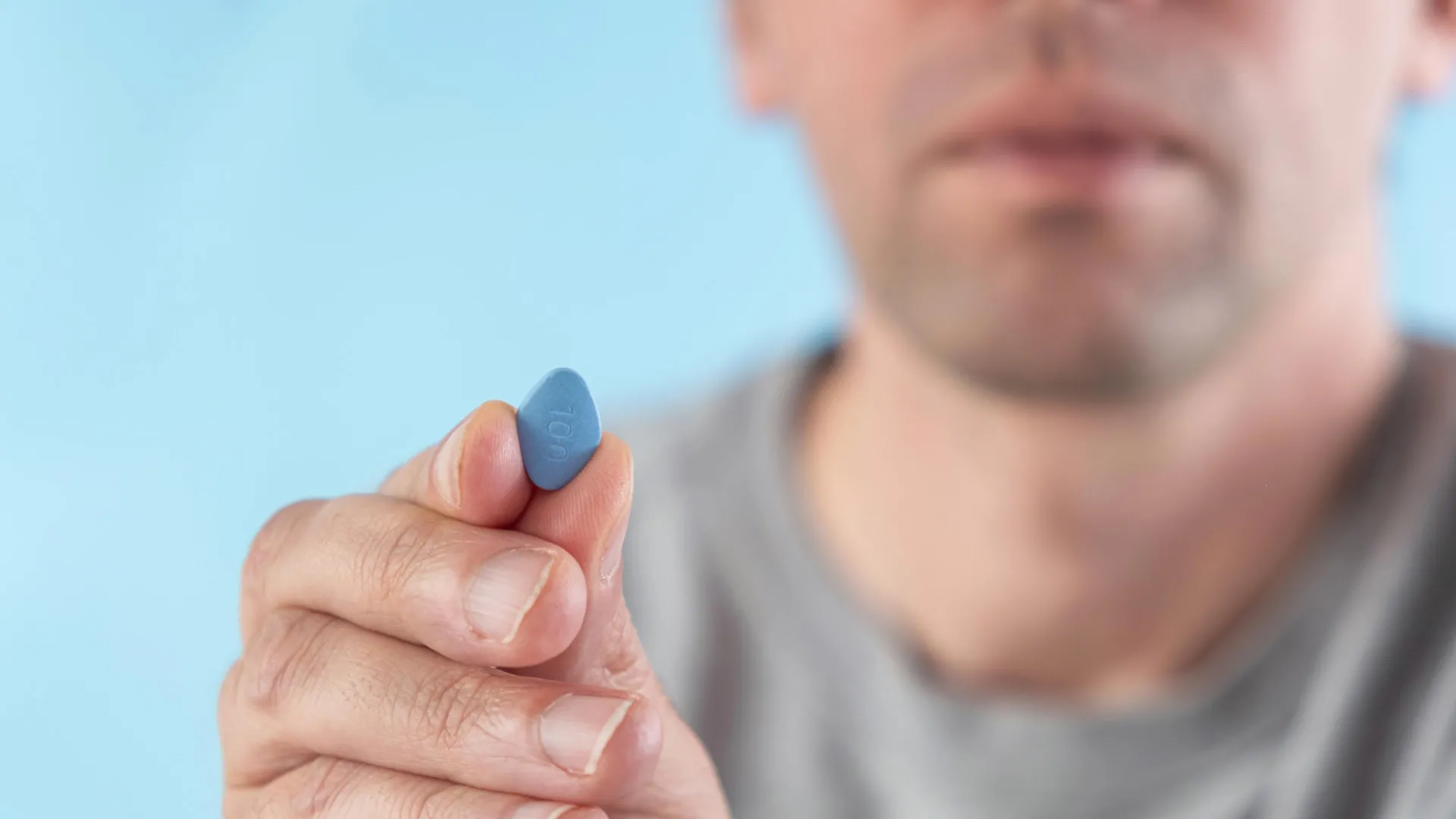
In a significant stride towards combating Alzheimer’s disease, researchers have pinpointed three already approved medications that may be repurposed to treat or prevent the devastating neurodegenerative condition. This innovative approach, funded by the Alzheimer’s Society and led by the University of Exeter, represents a strategic shift from the arduous and often unsuccessful quest for entirely new compounds, instead focusing on the potential of existing pharmacological agents. The study, published in the esteemed journal Alzheimer’s Research and Therapy, highlights a shingles vaccine (Zostavax), sildenafil (commonly known as Viagra), and riluzole (a medication for motor neurone disease) as the most promising candidates, each demonstrating strong potential to protect the brain against the ravages of Alzheimer’s.
The Urgent Global Challenge of Alzheimer’s Disease
Dementia, of which Alzheimer’s disease accounts for over half of all diagnoses, stands as the leading cause of death in the UK, impacting approximately one million individuals. The grim statistic that one in three people born today will develop dementia in their lifetime underscores the profound and escalating public health crisis. Globally, the numbers are even more staggering; according to the World Health Organization (WHO), over 55 million people live with dementia worldwide, with nearly 10 million new cases diagnosed each year. This figure is projected to rise to 78 million by 2030 and 139 million by 2050, primarily due to the aging global population. The economic burden is equally immense, estimated at over US$1.3 trillion globally in 2019, with costs projected to escalate further. Despite this overwhelming challenge, a definitive cure for Alzheimer’s disease remains elusive, and current treatments primarily offer symptomatic relief, often with limited efficacy. The primary pathological hallmarks of Alzheimer’s — the accumulation of amyloid-beta plaques and neurofibrillary tangles of tau protein in the brain, alongside neuroinflammation and vascular dysfunction — present complex targets for therapeutic intervention.
The Strategic Advantage of Drug Repurposing
The traditional path to drug development is notoriously protracted, expensive, and fraught with high failure rates. Creating a brand new drug can take anywhere from 10 to 15 years, involve billions of pounds in investment, and offers no guarantee of eventual success. The process involves extensive preclinical research, multiple phases of clinical trials, and rigorous regulatory approval. This formidable barrier often discourages investment in complex diseases like Alzheimer’s, where the underlying biology is not yet fully understood.
This is where drug repurposing, also known as drug repositioning, offers a transformative alternative. By examining medications that are already approved and widely used for other conditions, scientists can potentially bypass the most time-consuming and costly stages of drug development. The key advantages are multifaceted:
- Reduced Time-to-Market: Safety and pharmacokinetic data are already established, significantly shortening the development timeline.
- Lower Development Costs: Billions are saved by avoiding early-stage research and development.
- Known Safety Profiles: The side effects, dosage, and interactions are already well-documented, reducing risks for patients.
- Established Manufacturing: Production processes are already in place, facilitating faster availability if approved.
Drug repurposing has a rich history of success. Aspirin, initially a painkiller, was famously repurposed to reduce the risk of heart attacks and strokes. Sildenafil itself, originally investigated for angina, found its calling in erectile dysfunction. These examples illustrate the powerful potential of finding new applications for existing pharmacological tools, offering a faster, safer, and more affordable pathway to novel treatments for diseases like Alzheimer’s. The scientific rationale behind this approach is rooted in the understanding that many drugs exhibit pleiotropic effects, meaning they can interact with multiple biological targets or pathways, sometimes unrelated to their primary indication.
A Rigorous Selection Process: How Candidates Were Identified
The identification of these priority candidates was the result of a meticulously structured and highly collaborative review process. An international group of 21 leading dementia specialists was convened, comprising experts from universities, hospitals, and the pharmaceutical industry, alongside invaluable contributions from individuals directly affected by dementia. This diverse panel brought together a wealth of clinical, scientific, and lived experience, ensuring a comprehensive and patient-centric evaluation.
The initial screening involved an exhaustive review of 80 existing medications, each with some prior indication of potential neuroprotective or cognitive benefits. The goal was to systematically identify which of these showed the greatest promise for treating or preventing Alzheimer’s disease. The selection process was far from arbitrary; it involved multiple rounds of rigorous review and consensus-building, guided by stringent criteria. Each drug was assessed based on several critical factors:
- Targeting Alzheimer’s-Related Biological Processes: Does the drug act on mechanisms known to be involved in Alzheimer’s pathology, such as neuroinflammation, oxidative stress, vascular dysfunction, amyloid-beta processing, tau phosphorylation, or synaptic plasticity?
- Encouraging Preclinical Data: Has the drug shown promising results in cell culture studies (in vitro) or animal models (in vivo) of Alzheimer’s disease or related neurodegenerative conditions?
- Safety Profile in Older Adults: Given that Alzheimer’s predominantly affects older populations, is the drug considered safe and well-tolerated in this demographic, with an acceptable risk-benefit profile?
After extensive deliberation, the panel reached a consensus on three ‘priority candidates’ that warranted immediate and robust further research.
The Priority Candidates: An In-Depth Look
The three drugs identified as having the highest potential offer distinct mechanisms of action that could contribute to Alzheimer’s treatment or prevention:
1. Zostavax (Shingles Vaccine): Strongest Signal for Prevention
The shingles vaccine, Zostavax (a live attenuated vaccine, now largely superseded by Shingrix in many regions but still relevant for historical data), emerged as the most promising candidate, particularly for prevention. The interest in Zostavax stems from a growing body of research suggesting a link between viral infections and an increased risk of dementia. Specifically, the varicella-zoster virus (VZV), which causes chickenpox and later reactivates as shingles, has been implicated. Chronic inflammation and immune responses triggered by recurrent viral infections are thought to contribute to neuroinflammation, a key driver of Alzheimer’s pathology.
Previous observational research, analyzing large population datasets, has indicated that individuals who received the shingles vaccine were approximately 16% less likely to develop dementia. While observational studies can only suggest correlation, not causation, this strong signal is highly compelling. Zostavax requires no more than two doses and boasts a long and well-established record of safety in older adults, making it an ideal candidate for rapid progression to clinical trials. Researchers are now actively working to launch a large-scale UK clinical trial of the shingles vaccine. This trial plans to leverage the PROTECT online registry, an innovative platform where volunteers regularly complete annual questionnaires about their health and lifestyle and participate in brain health research, offering an invaluable resource for tracking participants and collecting longitudinal data.
2. Sildenafil (Viagra): Addressing Vascular and Neuronal Health
Sildenafil, widely known by its brand name Viagra, is primarily used to treat erectile dysfunction and pulmonary arterial hypertension. Its mechanism involves inhibiting phosphodiesterase-5 (PDE5), an enzyme that breaks down cyclic guanosine monophosphate (cGMP). By increasing cGMP levels, sildenafil promotes vasodilation (widening of blood vessels), leading to improved blood flow.
The potential relevance of sildenafil to Alzheimer’s disease lies in its ability to enhance cerebral blood flow, which is often compromised in Alzheimer’s patients. Vascular dysfunction is increasingly recognized as a significant contributor to Alzheimer’s pathology. Beyond its vascular effects, preclinical studies suggest sildenafil may also exert neuroprotective effects, promote synaptic plasticity (the brain’s ability to form and reorganize synaptic connections), and potentially reduce amyloid-beta accumulation. A 2021 study, for instance, analyzing millions of patient records, found a significant association between sildenafil use and a reduced risk of Alzheimer’s disease. While more robust clinical trials are needed, the existing data makes sildenafil a compelling candidate for further investigation.
3. Riluzole (Motor Neurone Disease Medication): Neuroprotection and Glutamate Modulation
Riluzole is the only approved medication that extends the survival of patients with amyotrophic lateral sclerosis (ALS), also known as motor neurone disease. Its primary mechanism of action is believed to involve modulating glutamatergic neurotransmission, specifically by inhibiting glutamate release and enhancing glutamate reuptake. Glutamate is the brain’s primary excitatory neurotransmitter, and excessive glutamate activity (excitotoxicity) is implicated in neuronal damage and cell death in various neurodegenerative conditions, including Alzheimer’s.
For Alzheimer’s, riluzole’s potential stems from its neuroprotective properties. By regulating glutamate levels, it could help prevent neuronal damage and improve neuronal survival. Additionally, riluzole has been shown to possess antioxidant properties and may influence other neurotrophic pathways. Early preclinical studies have shown that riluzole can reduce amyloid-beta pathology and improve cognitive function in animal models of Alzheimer’s. Its established safety profile in a vulnerable patient population further strengthens its case for repurposing.
Other Promising Avenues Under Consideration
Beyond the three priority candidates, the expert panel also shortlisted five additional medications that, while not meeting the stringent criteria for immediate ‘priority’ status, nonetheless demonstrated sufficient promise to warrant continued monitoring and potential future investigation. These included:
- Fingolimod: Used to treat multiple sclerosis, this immunomodulator might have relevance due to the increasing understanding of neuroinflammation’s role in Alzheimer’s.
- Vortioxetine: An antidepressant known for its cognitive enhancing effects in patients with major depressive disorder, it could potentially address cognitive symptoms in early Alzheimer’s.
- Microlithium: A low-dose formulation of lithium, traditionally used for bipolar disorder, which has shown neuroprotective effects and potential for reducing amyloid-beta and tau pathology in preclinical studies.
- Dasatinib: A tyrosine kinase inhibitor used in certain leukaemias, it represents a class of drugs that could target specific molecular pathways implicated in neurodegeneration.
- Cytisine: A nicotinic acetylcholine receptor agonist, historically used for smoking cessation, which could modulate neurotransmitter systems relevant to cognition and memory.
These additional candidates underscore the breadth of the initial screening and the potential for a diverse range of existing medications to offer novel therapeutic avenues for Alzheimer’s.
Expert Perspectives and the Call for Robust Clinical Trials
The research has been met with a mixture of optimism and a clear call for scientific rigor. Dr. Anne Corbett, Professor of Dementia Research at the University of Exeter and a lead researcher on the study, emphasized the multifaceted approach required to conquer dementia. "Beating dementia will take every avenue of research – from using what we already know, to discovering new drugs to treat and prevent the condition," she stated. "Drug repurposing is a vital part of that mix, helping us turn today’s medicine for one condition into tomorrow’s treatment for another."
However, Professor Corbett also sounded a crucial note of caution. "It’s important to stress that these drugs need further investigation before we will know whether they can be used to treat or prevent Alzheimer’s. We now need to see robust clinical trials to understand their true value and know for certain if they are effective to treat or prevent Alzheimer’s." This measured approach is critical to manage expectations and ensure that any potential treatments are thoroughly validated before being made available to the public.
Prof Fiona Carragher, Chief Policy and Research Officer at Alzheimer’s Society, echoed this sentiment, highlighting the devastating impact of dementia and the hope offered by research. "Dementia devastates lives, but we believe research will beat it," she affirmed. Drawing a powerful analogy, she added, "Years ago, we saw aspirin being repurposed from being a painkiller to helping people reduce their risk of heart attack or stroke. This is what we want to see in the field of dementia, and why we believe drug repurposing is one of the most exciting frontiers in dementia research." The Alzheimer’s Society, a key funder, along with support from the National Institute for Health and Care Research (NIHR), the Exeter Biomedical Research Centre, and the NIHR HealthTech Research Centre in Brain Health, is committed to advancing this promising area of study.
Broader Impact and Future Implications
The implications of this research, if successful, are profound. The validation of even one of these repurposed drugs for Alzheimer’s treatment or prevention could dramatically alter the landscape of dementia care. It could lead to:
- Faster Access to Treatments: Significantly reducing the time it takes for new interventions to reach patients.
- More Affordable Options: Leveraging existing, often generic, medications could make treatments more accessible and less burdensome on healthcare systems.
- Reduced Healthcare Burden: Effective prevention or treatment strategies could alleviate the immense strain on healthcare resources and informal caregivers.
- Improved Quality of Life: Millions of individuals and their families could experience an enhanced quality of life, free from the debilitating effects of Alzheimer’s.
This study not only offers specific candidates but also reinforces the paradigm of drug repurposing as a legitimate and highly efficient strategy for tackling complex diseases. It opens doors for similar investigations across the spectrum of neurodegenerative conditions, potentially accelerating the discovery of treatments for Parkinson’s disease, motor neurone disease, and other currently incurable illnesses. The coming years, with the launch and progression of clinical trials for Zostavax, sildenafil, and riluzole, will be crucial in determining whether these established medications can indeed offer a new beacon of hope in the fight against Alzheimer’s disease. The scientific community, patients, and caregivers alike await the results with cautious optimism, recognizing that every avenue of research, especially those that leverage existing knowledge, is vital in the pursuit of a cure.
