
 By Suherman Candra Maholtra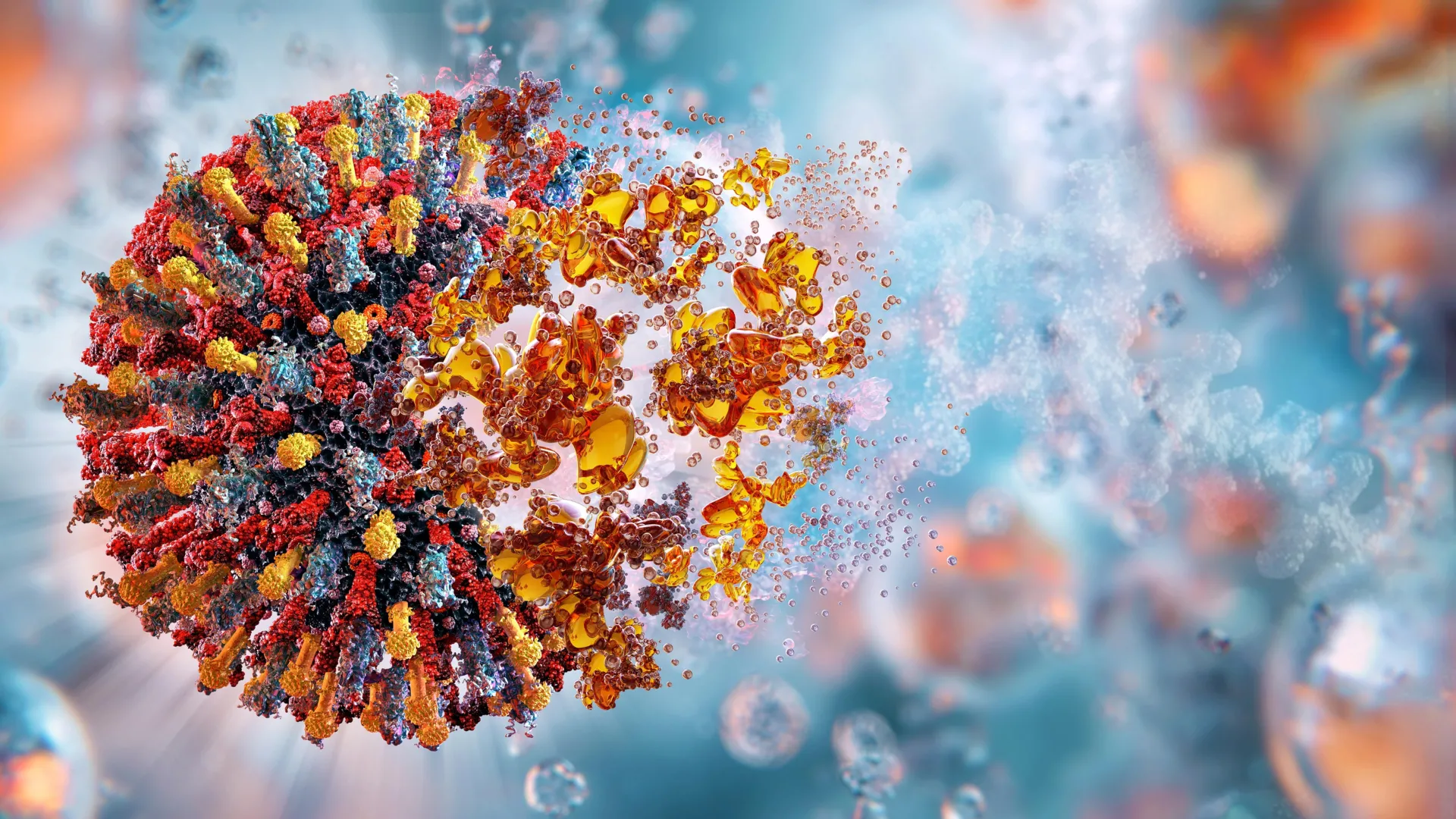
In a significant breakthrough for the field of oncology and immunology, a team of researchers at the University of Massachusetts Amherst has announced the development of a nanoparticle-based vaccine capable of preventing the formation and spread of several highly aggressive cancers. The study, published in the journal Cell Reports Medicine, demonstrates that the vaccine can achieve tumor-free survival rates of up to 88% in murine models, specifically targeting some of the most difficult-to-treat malignancies, including melanoma, pancreatic ductal adenocarcinoma, and triple-negative breast cancer. By utilizing a "super adjuvant" delivery system that triggers multiple immune pathways simultaneously, the vaccine not only prevents the initial development of tumors but also provides systemic protection against metastasis, the primary cause of cancer-related mortality.
The research, led by Prabhani Atukorale, assistant professor of biomedical engineering at the UMass Amherst Riccio College of Engineering, represents a paradigm shift in how scientists approach cancer immunotherapy. While traditional cancer treatments often focus on late-stage intervention, this new platform focuses on "memory immunity," effectively training the body’s internal defense systems to recognize and eliminate malignant cells before they can establish a foothold. The implications of this research are far-reaching, offering potential preventative strategies for individuals with high genetic predispositions to cancer or those in remission who face a high risk of recurrence.
The Evolution of Cancer Immunotherapy and the Nanoparticle Frontier
To understand the significance of the UMass Amherst discovery, it is essential to consider the historical context of cancer vaccines. For decades, the medical community has sought a "holy grail" in the form of a vaccine that could prime the immune system to fight cancer in the same way it fights viral infections like polio or the flu. However, cancer presents a unique challenge: unlike viruses, cancer cells are derived from the body’s own tissues, allowing them to employ sophisticated "cloaking" mechanisms to evade detection by the immune system.
Traditional immunotherapy, such as checkpoint inhibitors, works by "releasing the brakes" on the immune system, but these treatments often fail if the immune system does not recognize the tumor as a threat in the first place. This is where the nanoparticle vaccine developed by Atukorale’s lab differs. By engineering a delivery vehicle that mimics the complexity of a natural pathogen, the researchers have found a way to provide the "danger signals" necessary to wake up the innate immune system.
The Atukorale Lab’s previous research had already established that this nanoparticle design could successfully shrink or eliminate existing tumors in mice. The latest study, however, takes this a step further by proving the vaccine’s efficacy as a prophylactic, or preventative, measure. This transition from therapeutic to preventative application marks a critical milestone in the development of next-generation oncology treatments.
Engineering the "Super Adjuvant": Overcoming Molecular Hurdles
At the heart of the vaccine’s success is its sophisticated design, which balances two critical components: the antigen and the adjuvant. In vaccine science, the antigen acts as the "wanted poster," showing the immune system exactly what the intruder looks like. The adjuvant acts as the "alarm," stimulating the immune system to take the threat seriously.
The primary technical hurdle in creating effective cancer vaccines has been the delivery of these adjuvants. Many of the most potent immune-stimulating chemicals are chemically incompatible—often described as having an "oil and water" relationship—making them difficult to combine into a single, stable injection. The UMass Amherst team solved this by engineering a lipid nanoparticle-based "super adjuvant." This lipid-based shell allows for the stable encapsulation and co-delivery of two distinct immune adjuvants that activate the immune system through different pathways.
This multi-pathway activation is intended to mimic the way the human body responds to a complex bacterial or viral infection. By triggering several "danger" sensors within the cell simultaneously, the vaccine ensures a robust and coordinated response. This synergy is what allows the vaccine to overcome the immunosuppressive environments typically created by aggressive tumors like pancreatic cancer.
Experimental Success: From Peptides to Tumor Lysates
The researchers conducted their study in two distinct phases to test the versatility of the nanoparticle platform. In the first phase, they utilized a vaccine formulated with well-documented melanoma peptides. These peptides served as the antigen, training the immune system’s T cells to hunt for melanoma cells.
The results were stark: 80% of the mice vaccinated with the nanoparticle "super adjuvant" remained tumor-free for the duration of the 250-day study. In contrast, every mouse in the control groups—which received either traditional vaccines, non-nanoparticle formulations, or no vaccine—developed tumors and died within 35 days. This data highlights the critical role the nanoparticle delivery system plays in the vaccine’s effectiveness.
In the second phase of the study, the team sought to simplify the vaccine production process. Identifying specific antigens for every individual cancer type is a labor-intensive process involving genome sequencing and complex bioinformatics. To bypass this, the researchers tested a "tumor lysate" approach. This involves using killed tumor cells directly from the cancer itself as the antigen source.
When tested against three of the most aggressive cancer types, the lysate-based nanoparticle vaccine showed remarkable results:
- Pancreatic Cancer: 88% of mice rejected tumor formation.
- Triple-Negative Breast Cancer: 75% of mice remained tumor-free.
- Melanoma: 69% of mice remained tumor-free.
These results are particularly noteworthy given the "cold" nature of pancreatic and triple-negative breast cancers, which are notoriously resistant to existing immunotherapies because they do not naturally attract many immune cells.
Addressing the "Highest Hurdle": Metastasis and Memory Immunity
Perhaps the most significant finding of the UMass Amherst study is the vaccine’s ability to prevent metastasis. Metastasis, the spread of cancer from the primary site to distant organs, is responsible for the vast majority of cancer deaths. Once a cancer metastasizes, it becomes significantly harder to treat and often becomes terminal.
In the study, the researchers mimicked the process of metastasis by systemically exposing the vaccinated mice to melanoma cells. In the control groups, every mouse developed lung tumors. However, in the nanoparticle-vaccinated group, none of the mice developed lung tumors.
Prabhani Atukorale emphasized the importance of this systemic protection, referring to it as "memory immunity." Unlike localized treatments like radiation or surgery, the immune system is a dynamic, body-wide network. Once the T cells are "primed" by the vaccine, they circulate throughout the entire geography of the body, providing a long-term surveillance system that can intercept and destroy migrating cancer cells before they form new colonies in vital organs.
Institutional Support and the Path to Clinical Translation
The success of the study is the result of a collaborative effort involving the UMass Amherst Department of Biomedical Engineering, the Institute for Applied Life Sciences, and the UMass Chan Medical School. The research was supported by funding from the National Institutes of Health (NIH), reflecting the federal interest in advancing nanoparticle-based medical solutions.
Griffin Kane, a postdoctoral research associate and the first author of the paper, noted that the intense immune activation triggered by the formulation is the key to the survival benefits observed. "There is really intense immune activation when you treat innate immune cells with this formulation, which triggers these cells to present antigens and prime tumor-killing T cells," Kane explained.
Recognizing the commercial and clinical potential of their discovery, Atukorale and Kane have founded a startup company, NanoVax Therapeutics. The goal of the startup is to translate these laboratory findings into human clinical trials. The researchers are currently working on de-risking the technology and adapting it for therapeutic use, where the vaccine would be administered to patients who already have cancer to help their immune systems fight the disease more effectively.
Broader Implications and Future Outlook
The development of a universal nanoparticle platform for cancer vaccination could revolutionize the oncology landscape. If successfully translated to humans, this technology could be used in several ways. For high-risk populations, such as those with BRCA mutations, it could serve as a preventative measure. For patients undergoing surgery to remove a primary tumor, the vaccine could be used as an adjuvant therapy to prevent the "seeds" of metastasis from taking root.
Furthermore, the "tumor lysate" approach offers a path toward personalized medicine. By using a patient’s own tumor cells to create a bespoke vaccine, clinicians could ensure that the immune system is trained to recognize the specific mutations unique to that individual’s cancer.
While the results in mice are highly promising, the transition to human trials involves significant hurdles, including ensuring the safety profile of the "super adjuvant" and determining the optimal dosage. However, the use of lipid nanoparticles in the COVID-19 mRNA vaccines has already paved the way for the regulatory approval and mass production of similar delivery systems, potentially accelerating the timeline for NanoVax Therapeutics.
As the medical community continues to move toward more targeted and biological-based therapies, the work of the Atukorale Lab stands as a testament to the power of bioengineering in the fight against one of humanity’s most enduring challenges. The ability to not only treat but prevent the most aggressive forms of cancer could eventually transform a terminal diagnosis into a manageable, or even preventable, condition.
