
 By Budi Oetomo Narendra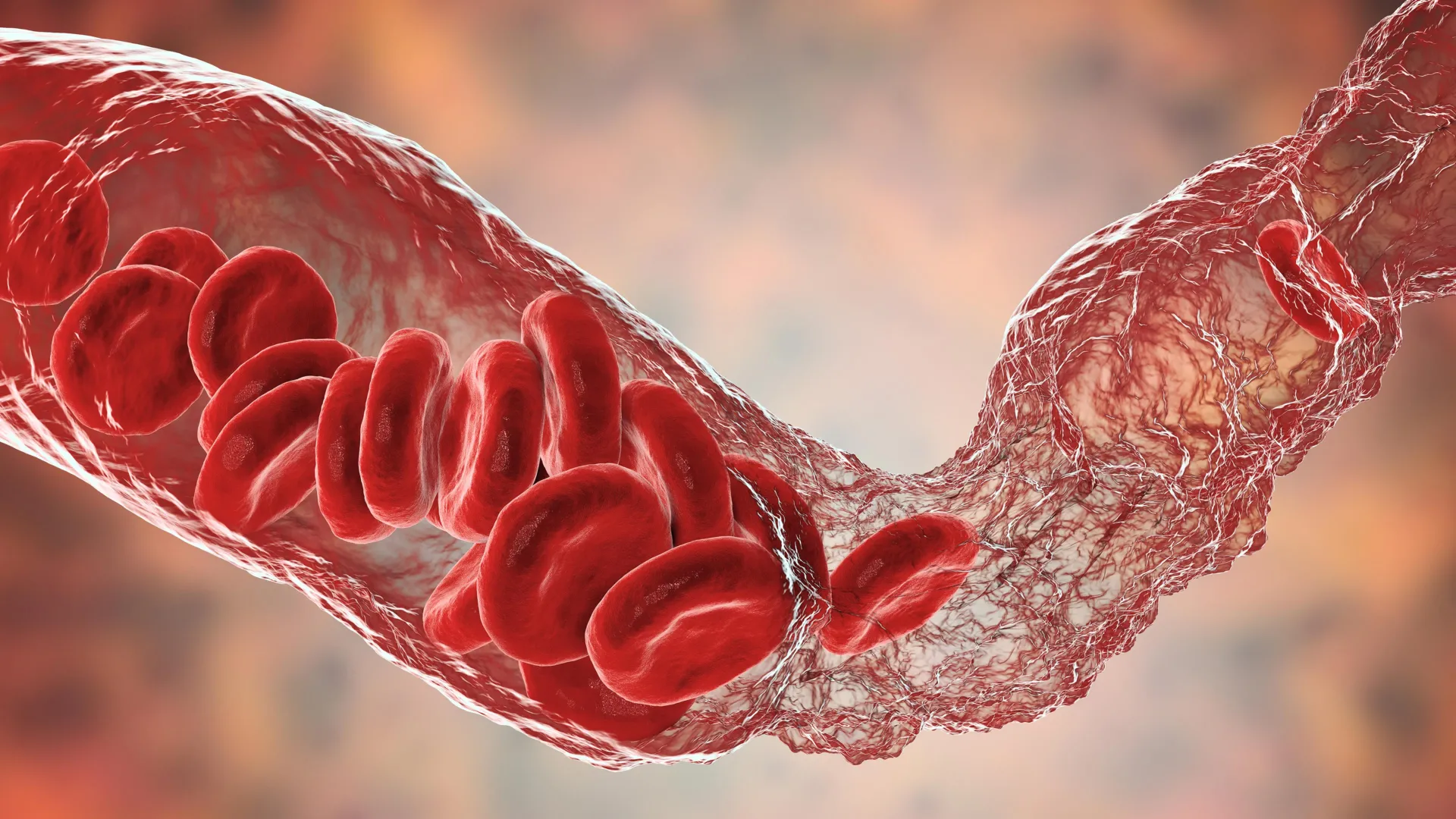
The groundbreaking research, spearheaded by scientists from Flinders University and Greifswald University, has revealed that in an exceptionally small cohort of individuals, the immune system can inadvertently misidentify a specific protein from the adenovirus as human platelet factor 4 (PF4). This critical misrecognition triggers a cascade where the body generates autoantibodies that activate platelets, leading to the formation of blood clots. While the incidence of this adverse reaction is exceedingly low, pinpointing the precise molecular trigger represents a monumental leap forward, offering a clear pathway for vaccine developers to modify the adenovirus protein and further enhance vaccine safety.
Unraveling the Molecular Mimicry: The Core Discovery
The crux of the latest findings, published in the esteemed New England Journal of Medicine, centers on a phenomenon known as molecular mimicry. The research team, utilizing advanced mass spectrometry sequencing, meticulously analyzed the interaction between components of the adenovirus and human proteins. They discovered that a specific adenovirus vector protein, identified as pVII, bears a striking structural resemblance to human PF4. This mimicry is the "missing link" that explains how a normal immune response, aimed at neutralizing the adenovirus, can, in rare instances, inadvertently turn against the body’s own proteins, leading to harmful autoimmunity.
Dr. Jing Jing Wang, a lead researcher from Flinders University, emphasized the profound implications of this discovery. "By precisely identifying and understanding this specific adenovirus protein, we now have a clear target," Dr. Wang stated. "This knowledge empowers vaccine developers to modify or even remove this particular protein from future vaccine formulations. Such adjustments would mitigate this extremely rare but serious reaction while preserving the robust protective immunity against diseases that adenovirus-based vaccines are designed to provide."
A Collaborative Journey: From Clinical Observation to Molecular Explanation
The identification of this molecular trigger is the culmination of years of intensive global scientific collaboration, tracing back to the emergence of vaccine-induced immune thrombocytopenia and thrombosis (VITT) during the initial rollout of COVID-19 vaccines in 2021. VITT, a novel condition characterized by severe blood clots and low platelet counts, was first observed in recipients of adenovirus vector-based vaccines, notably the Oxford-AstraZeneca vaccine, which played a crucial role in global immunization strategies, including in Australia.
Timeline of Key Discoveries:
- 2021: Emergence of VITT: Following the widespread administration of adenovirus vector COVID-19 vaccines (such as Oxford-AstraZeneca, Johnson & Johnson/Janssen, and Sputnik V), regulatory bodies and clinicians began reporting an extremely rare but severe syndrome of thrombosis with thrombocytopenia. This condition, later termed VITT, presented with symptoms like unusual and severe headaches, blurred vision, chest pain, and leg swelling, typically occurring between 5 and 28 days post-vaccination. Initial estimates placed its incidence at approximately 1 in 50,000 to 1 in 100,000 doses, with variations across age groups, particularly affecting younger individuals.
- Early Research: Identifying the Autoantibody: Scientists quickly determined that VITT was caused by a harmful autoantibody that specifically targeted PF4, a protein critical for blood clotting. This autoantibody, by activating platelets, led to the paradoxical combination of clotting and a reduction in platelet count.
- 2022: Decoding the PF4 Antibody Structure and Genetic Links: A pivotal study led by Dr. Jing Jing Wang and Professor Tom Gordon, Head of Immunology at SA Pathology in South Australia, successfully decoded the precise structural characteristics of this pathogenic PF4 antibody. Published in 2022, this research also identified a significant genetic risk factor linked to a specific antibody gene, IGLV3.21*02. This genetic marker provided a crucial common link among VITT cases reported across various countries, solidifying international research efforts and fostering a long-term collaborative relationship with Professor Andreas Greinacher’s team at Greifswald University in Germany, a leading center for thrombosis research.
- 2023: Natural Adenovirus Infections and Similar Syndrome: The narrative took an intriguing turn in 2023 when Professor Ted Warkentin from McMaster University in Canada reported cases of a nearly identical blood clotting condition. These patients had not received adenovirus-based vaccines but had recently experienced natural adenovirus (common cold) infections. Disturbingly, some of these cases proved fatal, highlighting that the underlying mechanism might extend beyond vaccine administration.
- 2024: Indistinguishable Antibodies, Pointing to the Adenovirus: A follow-up study in 2024, involving the collaborative efforts of Flinders, Greifswald, and McMaster Universities, provided compelling evidence. This research demonstrated that the autoantibodies found in vaccine-related VITT cases were molecularly indistinguishable from those observed in patients with the similar syndrome following natural adenovirus infections. This finding strongly suggested that the adenovirus itself, rather than any specific vaccine adjuvant or formulation, was the root cause of the problematic immune response. However, the exact molecular trigger remained elusive until the latest breakthrough.
The Significance of Adenovirus Vector Vaccines
Adenovirus vector vaccines, such as those used against COVID-19, are a powerful platform due to their ability to efficiently deliver genetic material into host cells, triggering a robust immune response. They are relatively easy to manufacture at scale, stable at standard refrigeration temperatures, and do not integrate into the host genome, making them a valuable tool for global public health, especially in resource-limited settings. The initial concern surrounding VITT, while rare, led to significant public anxiety and, in some regions, temporary pauses or preferential use of alternative vaccine types. This new discovery therefore holds immense potential to restore confidence in this critical vaccine technology.
Expert Endorsements and Broader Implications
Professor Tom Gordon underscored the significance of the latest publication: "It has been an extraordinary journey with an outstanding international team of collaborators to complete a trilogy of publications in the New England Journal of Medicine that not only solves the mystery of this new group of blood clotting disorders but also paves the way for translating our discoveries into demonstrably safer vaccines." His remarks highlight the depth and rigor of the multi-year, multi-institutional effort.
Echoing this sentiment, Immunologist Professor James McCluskey from the University of Melbourne and the Peter Doherty Institute hailed the work as a "major scientific milestone." Professor McCluskey commented, "This is a brilliant piece of molecular sleuthing, representing the culmination of a comprehensive body of work that meticulously unravels the genetic and structural basis for how a normal immune response to a viral protein can, in very rare circumstances, lead to pathogenic autoimmunity."
The implications of this research extend beyond the immediate context of COVID-19 vaccines. For public health authorities and vaccine manufacturers, the findings provide clear guidance. Regulatory bodies worldwide, such as the Therapeutic Goods Administration (TGA) in Australia, the European Medicines Agency (EMA), and the U.S. Food and Drug Administration (FDA), are likely to welcome this research as it offers a scientific basis for enhancing the safety profile of future adenovirus-based vaccines. Manufacturers, including those who developed the original adenovirus vector COVID-19 vaccines, can now leverage this detailed molecular understanding to redesign their vaccine vectors, specifically by modifying or removing the pVII protein to eliminate the potential for this rare adverse event.
From an immunological perspective, the study significantly advances our understanding of molecular mimicry, a known mechanism in autoimmune diseases where the immune system’s response to an external agent inadvertently targets self-antigens. This detailed elucidation of how an adenovirus protein can mimic PF4 provides a concrete example of how environmental triggers, whether from natural infection or vaccination, can initiate an autoimmune response in genetically predisposed individuals. This insight could inform research into other autoimmune conditions where molecular mimicry is suspected.
Towards a Future of Enhanced Vaccine Safety and Accessibility
The ability to precisely identify and engineer out the problematic protein means that adenovirus-based vaccines can be refined to offer an even higher degree of safety without compromising their efficacy. This is particularly crucial for global health equity. Adenovirus vector vaccines are often favored in regions with limited infrastructure due to their robust stability and simpler cold chain requirements compared to some other vaccine technologies. Ensuring the continued viability and safety of this platform is paramount for disease prevention worldwide, especially for future pandemic preparedness and ongoing vaccination programs against various infectious diseases.
In conclusion, the Flinders University-led international collaboration has not only solved a complex medical mystery but has also provided a tangible blueprint for innovation in vaccinology. By transforming a rare adverse event into a solvable engineering problem, this research reinforces the commitment of the scientific community to continuous improvement in vaccine safety and efficacy, ultimately strengthening public trust and ensuring that life-saving vaccines remain both highly protective and universally accessible. The path is now clear for the development of a new generation of adenovirus-based vaccines that are even safer, building on the profound lessons learned during a global health crisis.
