
 By admin
The medical trajectory for nine-year-old Fritz began not in an oncology ward, but in a standard dental chair for what his parents, Erika and Joe, initially believed was a routine impacted tooth. This clinical encounter quickly escalated into a life-altering medical emergency that would eventually see Fritz diagnosed with Ewing sarcoma, an aggressive and rare form of bone cancer. The diagnosis set in motion a multi-year odyssey of high-toxicity chemotherapy, radical reconstructive surgery, and a lifelong commitment to managing the "late effects" of pediatric cancer treatment. As the 2026 Glamorama Ambassador for the Children’s Cancer Research Fund (CCRF), Fritz’s case now serves as a focal point for discussions regarding the critical need for targeted pediatric therapies and the role of private philanthropy in filling the federal funding gap for rare childhood diseases.
The Clinical Presentation and Diagnosis of Ewing Sarcoma
The transition from a suspected dental issue to a critical care scenario was instantaneous. Upon discovering a mass in Fritz’s jaw, the dentist referred the family to an emergency department. The severity of the situation became apparent when hospital staff bypassed the standard waiting room procedures—a "red carpet" treatment that Erika noted as an immediate signal of medical gravity. During the diagnostic biopsy, the tumor’s highly vascular nature led to a significant medical complication: Fritz lost nearly a liter of blood, a volume representing a substantial portion of a child’s total blood supply, necessitating an immediate transfusion.
Pathology reports confirmed the diagnosis of Ewing sarcoma. According to data from the American Cancer Society, Ewing sarcoma is the second most common type of bone cancer in children and young adults, yet it remains statistically rare, accounting for approximately 1% of all childhood cancers. Fritz’s presentation was even more anomalous; his tumor originated in the jaw, a site that represents less than 1% of all Ewing sarcoma cases. This "rarity within a rarity" presented unique challenges for his oncology team, requiring a delicate balance between aggressive systemic treatment and localized surgical intervention.

Surgical Intervention and Jaw Reconstruction
The treatment protocol for Fritz was multifaceted, involving both systemic chemotherapy and radical surgery. Because the tumor had compromised the structural integrity of the mandible, surgeons had to remove more than two-thirds of his jaw. To restore function and appearance, Fritz underwent a complex reconstructive procedure known as a fibula free flap. In this surgery, a portion of the fibula bone from the patient’s leg, along with its associated blood vessels, is harvested and transplanted to the face to reconstruct the jawbone.
Following the bone graft, Fritz required complex airway reconstruction to ensure long-term respiratory stability. These procedures are categorized among the most demanding in pediatric plastic and reconstructive surgery, requiring microsurgical techniques to connect tiny blood vessels and ensure the transplanted bone remains viable. While the surgeries were successful in removing the primary tumor and restoring the facial structure, they necessitated a long and painful recovery period, during which Fritz’s resilient personality and humor became a vital component of his coping mechanism.
The "Red Devil" and the Toxicity of Standard Care
While surgery addressed the localized mass, Fritz’s survival depended on a grueling regimen of chemotherapy. Among the drugs administered was Doxorubicin, a potent chemotherapy agent frequently referred to by patients and staff as the "Red Devil" due to its distinct bright red color and its high level of toxicity. While highly effective at killing cancer cells, Doxorubicin is known for its severe side effects, including potential long-term cardiotoxicity, which can lead to heart failure later in life.
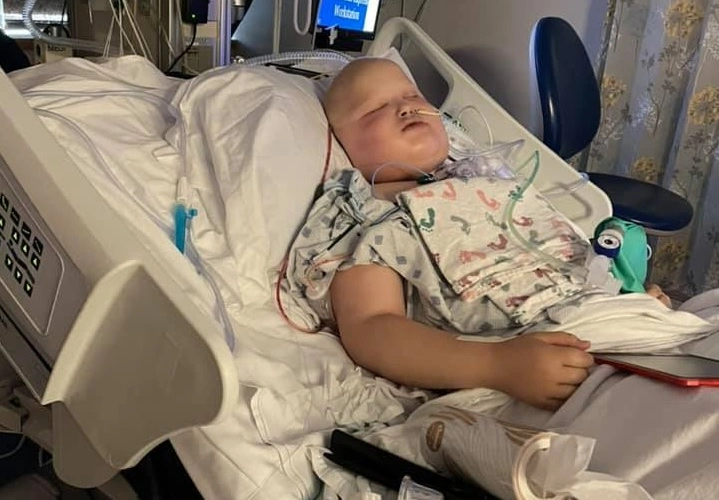
The systemic impact of these treatments on a developing body is profound. Fritz’s mother, Erika, highlighted the stark contrast in her son’s daily life, noting that he transitioned from taking simple multivitamins to a regimen of complex medications typically reserved for geriatric patients. This transition underscores a major issue in pediatric oncology: the "cure" often comes at a significant physiological cost. Fritz currently manages a suite of long-term side effects that require ongoing monitoring by a multidisciplinary team of specialists, including oncologists, surgeons, endocrinologists, and sleep medicine experts.
Analysis of the "Late Effects" in Pediatric Cancer Survivors
The challenges Fritz faces are representative of a broader phenomenon known as "late effects." As survival rates for childhood cancers have improved—now exceeding 80% for many diagnoses—the medical community is increasingly focused on the health of survivors in the decades following treatment. Research published in the Journal of Clinical Oncology indicates that by age 45, more than 95% of childhood cancer survivors will have a chronic health condition related to their previous treatment, and 80% will have a severe or life-threatening condition.
For Fritz, the "no evidence of disease" (NED) status is a monumental victory, but it is not the end of his medical journey. The medications and frequent specialist appointments he endures are the trade-offs for his survival. This reality is a driving force behind the push for "targeted therapies"—treatments designed to attack specific genetic markers in cancer cells without damaging healthy tissue. The goal is to move away from the "blunt instrument" approach of traditional chemotherapy and toward a more precise medical model that reduces the burden of late effects.
The Role of Private Philanthropy and the CCRF
The rarity of Ewing sarcoma means that it often receives less attention and funding than more common adult cancers. National Cancer Institute (NCI) data reveals that pediatric cancer research receives approximately 4% of the total federal budget for cancer research. This disparity leaves a significant funding gap that must be filled by private organizations. The Children’s Cancer Research Fund (CCRF) plays a pivotal role in this ecosystem, providing the "seed money" necessary for researchers to develop new ideas and gather preliminary data.
One of the specific research initiatives funded by the CCRF is the "Hunting the Spotted Zebra" project, which focuses specifically on the genetic drivers of Ewing sarcoma. This research recently contributed to the launch of a major clinical trial aimed at identifying more effective, less toxic treatment protocols. By funding early-stage research that federal agencies might deem too risky, organizations like CCRF act as a catalyst for innovation in the field. Joe, Fritz’s father, emphasized that this progress is entirely dependent on a community of donors and advocates who believe that pediatric patients deserve better options than the toxic treatments currently available.
Chronology of Treatment and Future Outlook
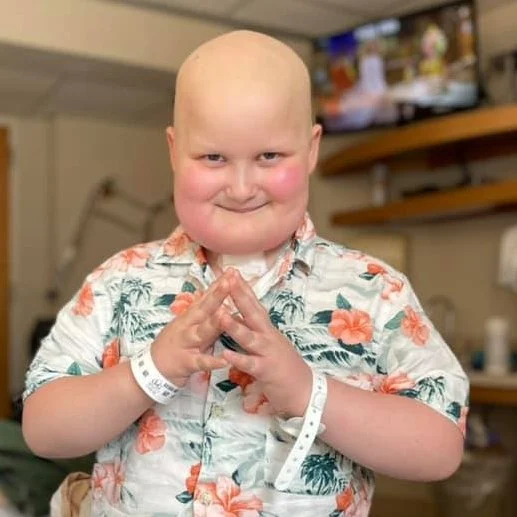
Fritz’s journey from a nine-year-old with a "toothache" to a teenage cancer survivor and 2026 Glamorama Ambassador illustrates the rapid and disruptive nature of a pediatric cancer diagnosis.
- Initial Discovery: Routine dental visit identifies a mass in the jaw.
- Emergency Intervention: Hospitalization, CT scans, and a high-risk biopsy resulting in significant blood loss.
- Diagnosis: Confirmation of rare jaw-presentation Ewing sarcoma.
- Active Treatment: Months of high-dose chemotherapy (including the "Red Devil") and radical jaw and airway reconstruction.
- Post-Treatment Phase: Transition to "no evidence of disease" status, accompanied by the management of chronic side effects and multiple specialist consultations.
- Advocacy: Selection as a 2026 Glamorama Ambassador to represent the needs of pediatric cancer patients.
As Fritz enters his teenage years, his role as an ambassador allows him to use his experience to advocate for other children. The Glamorama event, a long-standing tradition in the philanthropic community, serves as both a celebration of survivors and a critical fundraising platform. Fritz’s participation highlights the human face of these statistics, reminding stakeholders that behind every research grant is a child who wants to return to a life of "pranks and jokes" rather than hospital beds and blood transfusions.
Broader Implications for Pediatric Oncology
Fritz’s story is a microcosm of the current state of pediatric oncology: a field marked by incredible surgical and chemotherapeutic triumphs, yet hindered by a lack of age-specific, non-toxic treatment options. The medical community’s ability to replace a child’s jaw with his leg bone and successfully eradicate an aggressive bone cancer is a testament to the progress made over the last several decades. However, the reliance on decades-old chemotherapy drugs like Doxorubicin suggests that the pharmacological side of the equation has not kept pace with surgical innovation.
The shift toward precision medicine and immunotherapy offers hope for the next generation of patients. As research continues to uncover the specific molecular drivers of Ewing sarcoma, the hope is that future children diagnosed with this "rarest of rare" conditions will not have to endure the same level of systemic toxicity. For now, the resilience of patients like Fritz and the advocacy of organizations like the CCRF remain the primary drivers of change in a field where every percentage point of funding can translate into years of life saved. Fritz’s ongoing health management serves as a living reminder that the goal of cancer research is not just to ensure survival, but to ensure a quality of life that allows survivors to thrive long after their final round of treatment.
