
 By admin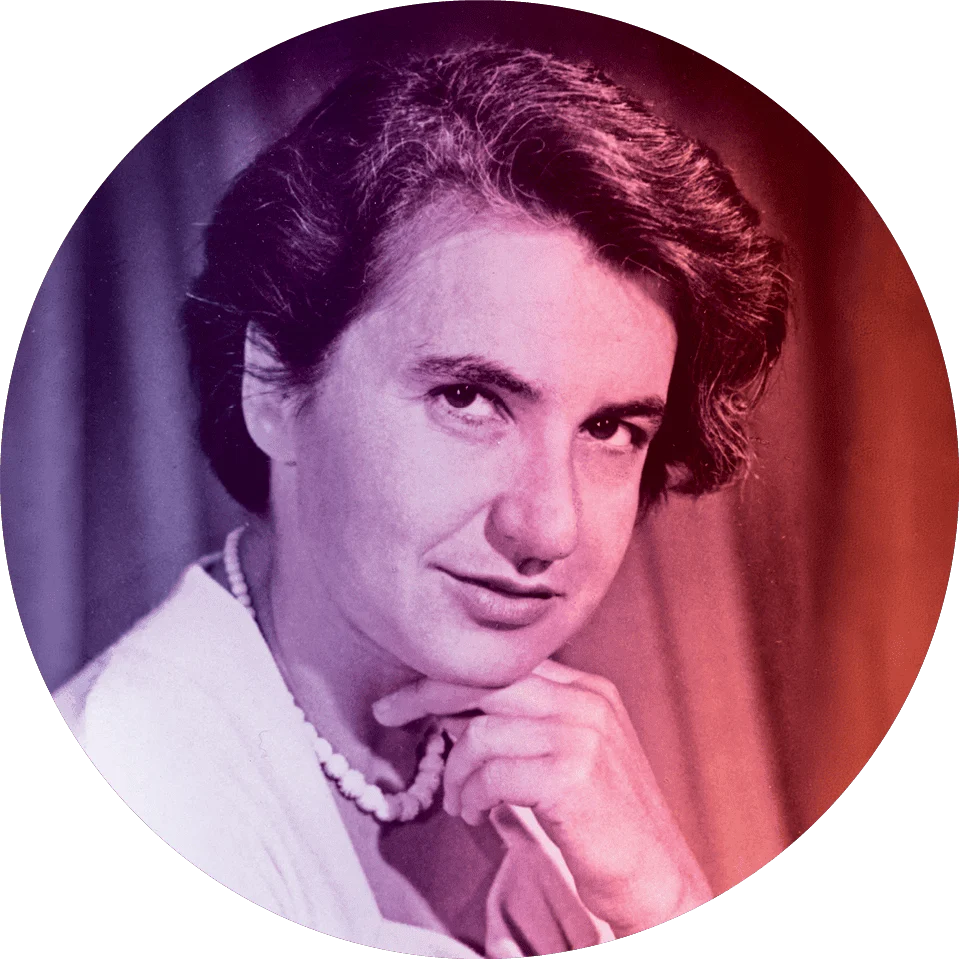
During Women’s History Month, the Cancer Research Institute (CRI) proudly shines a spotlight on the extraordinary women whose relentless pursuit of knowledge and courage to challenge established norms have fundamentally advanced human health, particularly in the critical field of cancer research. This annual observance, dedicated to recognizing the often-overlooked contributions of women throughout history, provides a timely opportunity to reflect on the profound impact these pioneers have made, from reshaping foundational scientific understanding to driving contemporary breakthroughs in cancer immunotherapy. The narratives of these eight remarkable women, encompassing co-founders, regulatory champions, visionary scientists, and resilient patient advocates, illustrate that scientific progress is not merely a product of discovery but of an unwavering determination to question the perceived limits of possibility. Their collective efforts have broadened our comprehension of disease mechanisms, revolutionized treatment development, and enhanced patient care, underscoring the vital role of diverse perspectives in fostering innovation.
Rekindling a Legacy: Helen Coley Nauts and the Birth of Immunotherapy
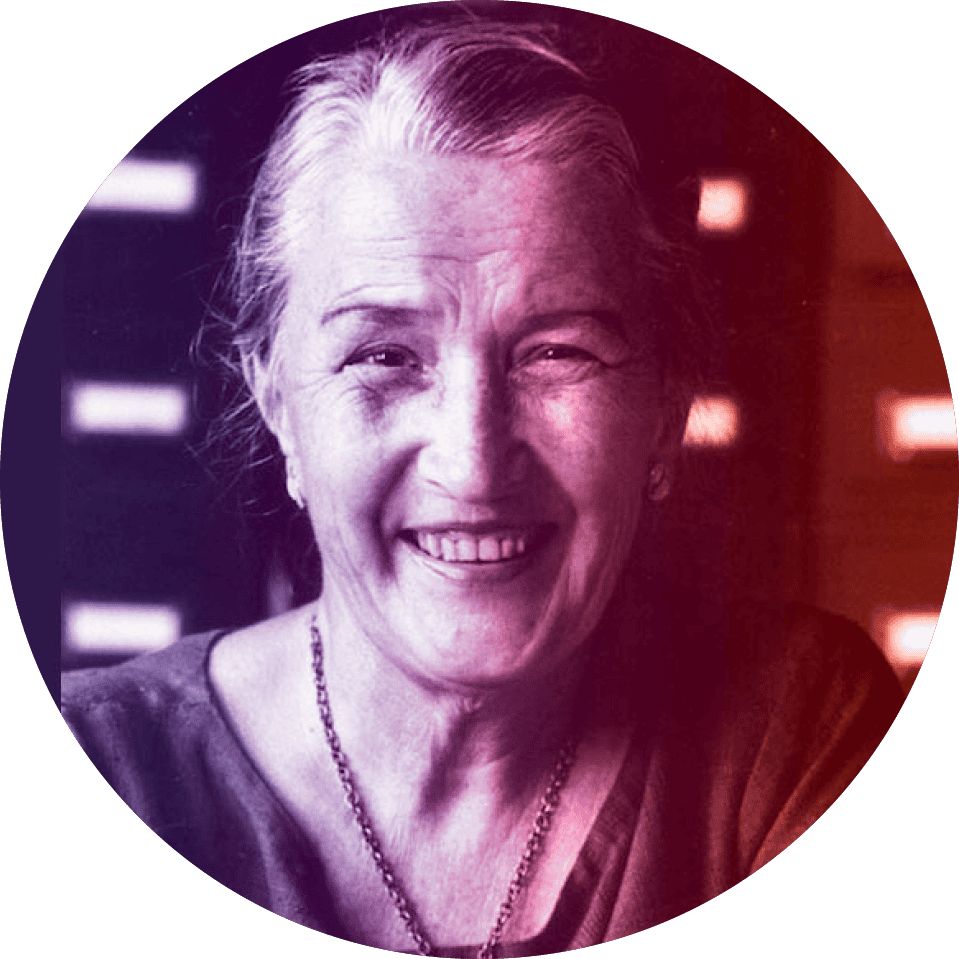
The story of the Cancer Research Institute itself begins with the tenacious spirit of a woman determined to honor and advance her father’s groundbreaking work. Helen Coley Nauts, who co-founded CRI in 1953 alongside Oliver R. Grace, was instrumental in reigniting interest in the nascent field of cancer immunotherapy. Her journey began not as a scientist, but as a devoted daughter undertaking the monumental task of documenting her late father, Dr. William B. Coley’s, pioneering research. Dr. Coley, a surgeon in the late 19th and early 20th centuries, had observed a curious phenomenon: some cancer patients experienced spontaneous tumor regression after developing severe bacterial infections. This led him to experiment with deliberately inoculating patients with live or inactivated bacteria, a treatment that later became known as "Coley’s Toxins."
At a time when medical orthodoxy favored surgery and nascent radiation therapies, Dr. Coley’s approach was revolutionary and often met with skepticism. After his death, his legacy risked fading into obscurity. Helen Nauts, however, spent two decades meticulously researching, compiling, and presenting her father’s extensive clinical findings, which detailed hundreds of cases of successful cancer treatment using his method. Her exhaustive documentation, including analyses of patient outcomes and discussions of the underlying biological principles, provided a crucial historical foundation for what would become modern immunotherapy. In an era when women’s leadership in scientific and medical organizations was exceedingly rare, Nauts’s initiative in co-founding CRI demonstrated immense foresight and determination. The institute’s explicit mission was to support research into the immune system’s role in cancer, a vision that, nearly three-quarters of a century later, continues to drive global innovation, funding scientists whose discoveries are transforming cancer treatment worldwide. Her work effectively laid the intellectual groundwork for the field that would eventually lead to Nobel Prize-winning breakthroughs in immune checkpoint blockade, validating her father’s early insights and her own unwavering commitment.
Safeguarding Public Health: Dr. Frances Kelsey’s Stand Against Thalidomide
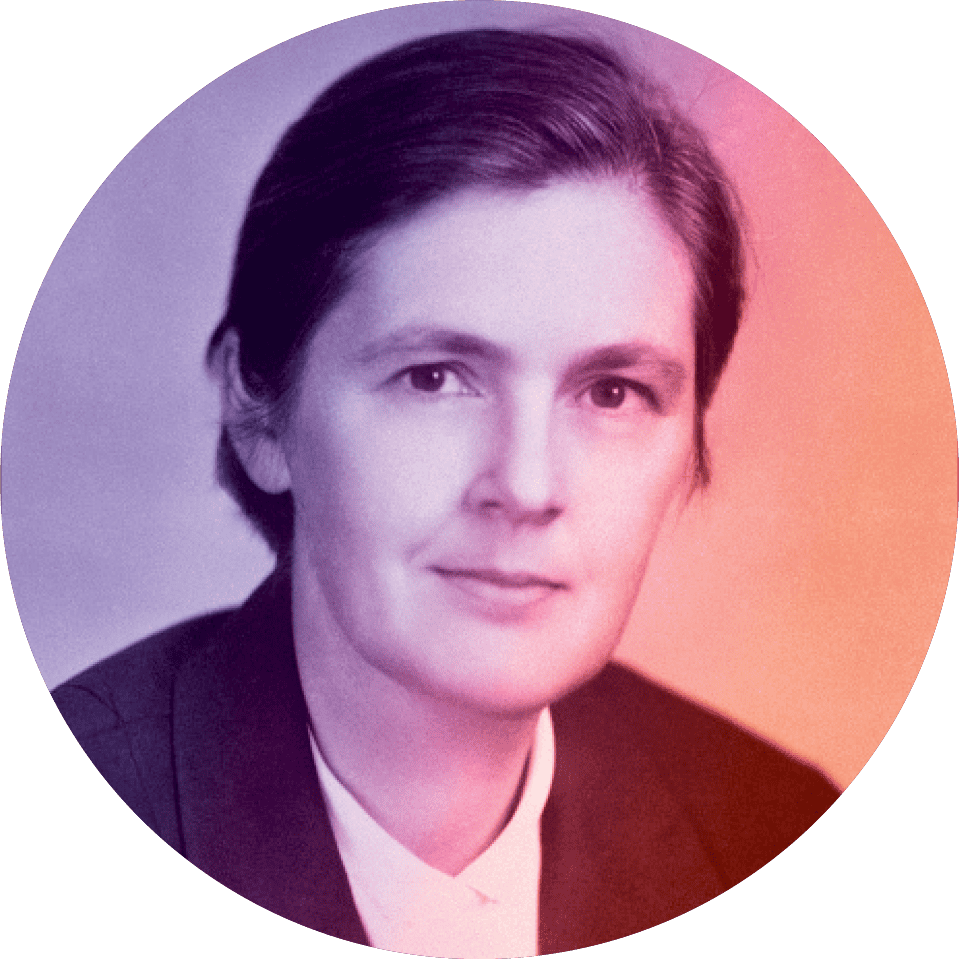
Few individuals have had such a direct and profound impact on public health policy as Dr. Frances Kelsey, a medical officer at the U.S. Food and Drug Administration (FDA). Her courage and scientific integrity in the face of immense corporate pressure saved countless lives and permanently reshaped pharmaceutical regulation globally. In 1960, freshly appointed to the FDA, Dr. Kelsey was assigned to review the application for thalidomide, a sedative widely prescribed in Europe to alleviate morning sickness in pregnant women. Despite the drug’s widespread use abroad, Kelsey harbored serious concerns regarding the incomplete safety data presented by the manufacturer. She meticulously scrutinized the research, noting particularly a lack of robust evidence concerning its effects on fetal development.
Her persistent refusal to approve thalidomide for the U.S. market, despite aggressive lobbying from the pharmaceutical company, proved to be a monumental decision. As reports of severe birth defects—phocomelia, a condition characterized by limb malformations—emerged from Europe, it became horrifyingly clear that thalidomide was a potent teratogen. An estimated 10,000 to 20,000 infants worldwide were born with severe congenital disabilities due to maternal exposure to the drug, a tragedy largely averted in the United States thanks to Dr. Kelsey’s steadfastness. Her actions earned her the prestigious President’s Award for Distinguished Federal Civilian Service from President John F. Kennedy in 1962, making her only the second woman to receive the honor at the time.
The thalidomide crisis catalyzed sweeping changes in drug regulation, not only in the U.S. but internationally. The Kefauver-Harris Amendment, passed in 1962, mandated that pharmaceutical companies demonstrate both the safety and efficacy of new drugs before market approval, a significant enhancement over previous requirements. It also required informed consent from patients participating in clinical trials and mandated reporting of adverse drug reactions. Ironically, the tragedy also led to restrictive policies that excluded women of childbearing potential from clinical trials for many years, a practice that persisted until 1993 and inadvertently contributed to the historical underrepresentation of women in clinical research, a barrier that the scientific community is still actively working to dismantle.
Unlocking Life’s Blueprint: Rosalind Franklin’s Crucial Contribution to DNA Structure
Dr. Rosalind Franklin, a brilliant British physical chemist and X-ray crystallographer, made indispensable contributions to one of the most significant scientific discoveries of the 20th century: the structure of DNA. While James Watson and Francis Crick are widely celebrated for their discovery of the DNA double helix, it was Franklin’s rigorous experimental work and precise interpretation of X-ray diffraction images that provided the critical evidence needed to deduce the molecule’s architecture.
In the early 1950s, scientists understood that DNA was the carrier of genetic information and contained a phosphate backbone, but its exact three-dimensional structure remained elusive. Working at King’s College London, Franklin employed X-ray diffraction techniques to study DNA fibers. Her meticulous efforts produced exceptionally clear images, most famously "Photograph 51," which revealed the distinctive helical pattern of DNA. This image, along with her detailed measurements and analyses, provided irrefutable evidence for the double-helical nature of DNA, including the spacing of its constituent parts.
Tragically, and without her knowledge or explicit permission, Photograph 51 was shown to Watson by Maurice Wilkins, a colleague at King’s College. This critical piece of data, combined with her detailed notes on the dimensions of the DNA molecule, proved instrumental in allowing Watson and Crick to construct their now-famous model of DNA’s double-helical structure. Their seminal paper, published in Nature in 1953, made no explicit mention of Franklin’s crucial data, offering only a brief acknowledgment. Watson, Crick, and Wilkins were jointly awarded the Nobel Prize in Physiology or Medicine in 1962, four years after Franklin’s untimely death from ovarian cancer at the age of 37. Due to the Nobel Committee’s policy against posthumous awards, Franklin could not be recognized.
Despite the controversy surrounding the acknowledgment of her contributions, Franklin’s scientific rigor and groundbreaking images laid the essential groundwork for all subsequent advances in genetics, molecular biology, and medicine. Her work was foundational to understanding the very code of life itself, paving the way for everything from genetic engineering to personalized medicine and, indeed, the sophisticated cancer research being conducted by CRI-funded scientists today. Her legacy continues to inspire discussions about scientific ethics, collaboration, and the recognition of women in science.
Pioneering Modern Immunotherapy: Dr. Miriam Merad and Innate Immunity
Transitioning from historical pillars to contemporary leaders, Dr. Miriam Merad stands as a visionary oncologist and immunologist whose research is profoundly reshaping our understanding of the innate immune system and its intricate role in disease, particularly cancer. As Chair of the Department of Immunology and Immunotherapy at The Icahn School of Medicine at Mount Sinai, Dr. Merad has dedicated her career to unraveling the complex interactions between immune cells and tumors.
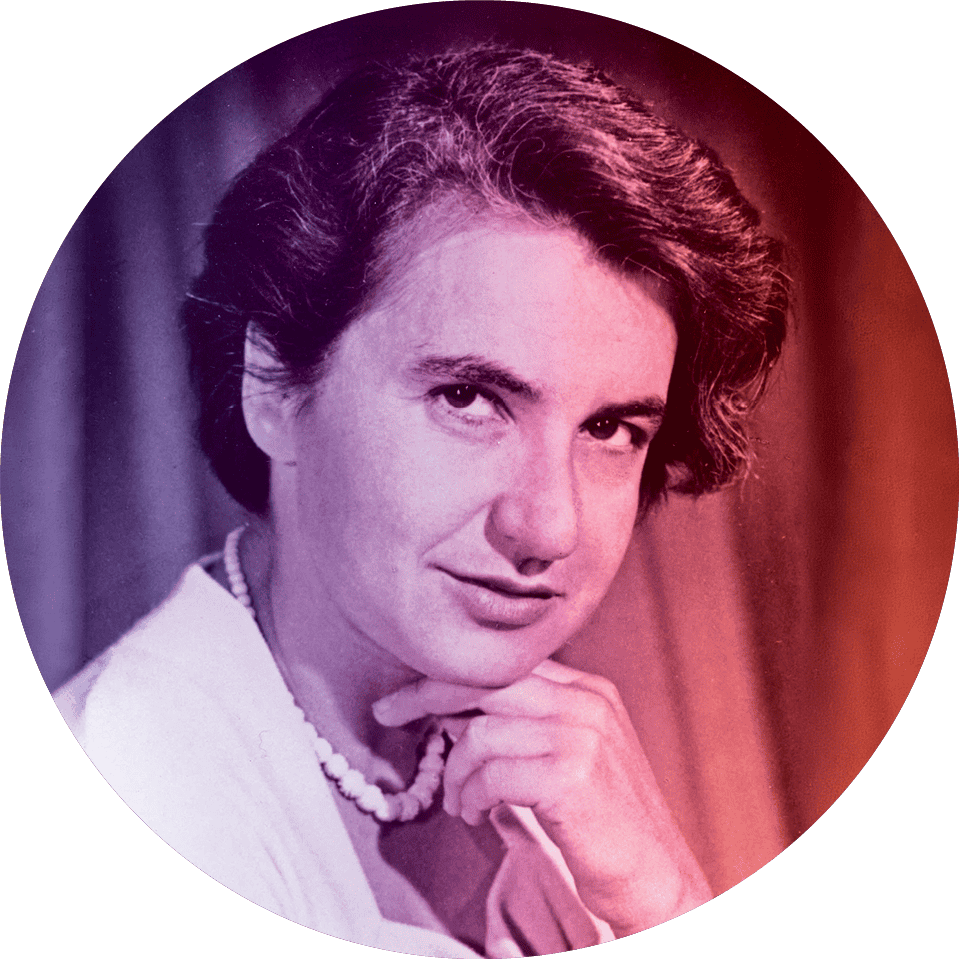
Her pioneering work has significantly advanced the understanding of how innate immune cells, such as macrophages and dendritic cells, can either suppress or inadvertently promote disease progression. By meticulously mapping these cellular pathways and uncovering how tumors manipulate the immune microenvironment, her laboratory has opened entirely new avenues for therapeutic intervention in both cancer and inflammatory conditions. Her research guides the development of more effective, targeted immunotherapies, moving beyond broad immune activation to precise modulation of specific cellular responses.
Dr. Merad is a staunch advocate for translational science, committed to bridging the gap between fundamental laboratory discoveries and tangible patient benefits. Her research ecosystem at Mount Sinai is designed to facilitate this, enabling her team to analyze primary patient samples and rapidly translate those insights into early-stage clinical trials. This integrated approach accelerates the pace at which novel treatments reach those who need them most. Beyond her scientific acumen, Dr. Merad is a dedicated mentor, having trained dozens of scientists who now contribute to the field globally. She actively fosters a culture of curiosity, collaboration, and innovation, ensuring the perpetuation of high-impact research. Her expertise is also leveraged by the Cancer Research Institute, where she serves as a vital member of CRI’s Scientific Advisory Council, contributing to the strategic allocation of research funding to promising individuals and projects.
Revolutionizing Cancer Treatment: Dr. Elizabeth Jaffee and Pancreatic Cancer Vaccines
Dr. Elizabeth Jaffee is another leading figure in contemporary cancer immunotherapy, whose groundbreaking work holds immense promise for transforming the future of cancer treatment, particularly for notoriously challenging malignancies like pancreatic cancer. As Deputy Director of The Sidney Kimmel Comprehensive Cancer Center at Johns Hopkins, Dr. Jaffee has focused her research on developing innovative, vaccine-based approaches designed to overcome the immune system’s natural tolerance to tumors.

Pancreatic cancer is one of the deadliest forms of cancer, often diagnosed at advanced stages with limited treatment options. Dr. Jaffee’s research tackles this challenge head-on by developing therapeutic vaccines aimed at training the immune system to recognize and attack pancreatic cancer cells. She has been a driving force behind the development of a first-generation pancreatic cancer vaccine and holds multiple patents related to cutting-edge cancer vaccine technologies. Her approach involves stimulating a robust and durable anti-tumor immune response, a critical step towards improving patient outcomes.
Dr. Jaffee exemplifies the spirit of translational research, actively working to bridge the chasm between laboratory discoveries and clinical application. Her team’s vision extends to a future where such vaccines could not only treat but potentially prevent pancreatic cancer from ever developing, offering a beacon of hope for a disease with a historically grim prognosis. Like Dr. Merad, Dr. Jaffee is deeply committed to nurturing the next generation of scientific leaders. She thoughtfully selects trainees based on their talent and dedication, often maintaining lifelong professional relationships and collaborations with scientists who trained under her guidance. Her influence extends to CRI, where she serves as Associate Director of the Scientific Advisory Council, playing a pivotal role in guiding the institute’s research investment strategies.
Empowering Patients: Karen Peterson and Sharon Belvin, Voices of Survival
The advancement of cancer treatment is not solely the domain of scientists and clinicians; it is profoundly shaped by the courage and advocacy of patients themselves. Karen Peterson and Sharon Belvin embody this spirit, transforming their personal battles with stage 4 cancer into powerful platforms for change and hope.

Karen Peterson stands as one of the longest-living individuals in the United States diagnosed with stage 4 triple-negative breast cancer, a particularly aggressive and difficult-to-treat form of the disease. Her journey began with a stage 1 diagnosis, followed by a double mastectomy. Two years later, the cancer returned with devastating force, diagnosed as stage 4, with a grim prognosis of 18 to 24 months to live. Armed with a proactive approach to understanding her disease and treatment options, Karen made a critical decision: to seek alternatives to conventional chemotherapy, which had debilitating side effects and could potentially disqualify her from future clinical trials. Her meticulous research led her to a phase 1 immunotherapy clinical trial, where she became the very first triple-negative breast cancer patient to enroll. Remarkably, she emerged as one of the study’s few complete responders. "I was given a 4% chance of survival," Karen states, "And here I am." Today, Karen is a tireless advocate, using her extraordinary experience to empower and educate others. She participated in CRI’s Patient Roundtable in 2025 and founded Karen’s Club, an advocacy group specifically dedicated to equipping cancer patients of color with the knowledge and confidence to explore clinical trials, addressing historical disparities in access and participation.
Sharon Belvin’s story is equally compelling. At just 22 years old, she received a diagnosis of stage 4 melanoma, a cancer that, at the time, offered extremely limited treatment options and very low survival rates for advanced stages. After multiple rounds of chemotherapy failed to halt her disease progression, Sharon faced a dire situation. Her oncologist presented a final, experimental option: a clinical trial for an immunotherapy drug called ipilimumab, now known commercially as Yervoy®. Sharon became one of the inaugural patients to enroll in this groundbreaking trial. Within just four rounds of treatment, her tumors began to recede, and a year later, she was declared cancer-free—a status she remarkably maintains to this day. Ipilimumab received FDA approval in 2011, a landmark event that not only transformed the treatment landscape for melanoma but also heralded a new era of cancer immunotherapy, demonstrating the incredible potential of harnessing the body’s own immune system. Decades after her diagnosis, Sharon is a wife, a mother of three, and an unwavering advocate for cancer research and clinical trials. She frequently shares her powerful story, not only to inspire others facing similar battles but also to underscore the critical importance of sustained investment in scientific research. "My life – and the lives of so many others – are proof that this work matters," she asserts, encapsulating the profound impact of these breakthroughs.
Leading CRI into the Future: Dr. Alicia Zhou’s Vision for Global Impact
Bringing the focus to the present and future, Dr. Alicia Zhou stands at the helm of the Cancer Research Institute as its Chief Executive Officer, guiding the organization through a pivotal and exciting moment in the history of human health. Dr. Zhou’s leadership is characterized by a commitment to strengthening scientific rigor, accelerating the translation of scientific discoveries into effective treatments, and fostering expanded global collaboration across the entire spectrum of immuno-oncology research—from basic science to translational studies and clinical applications.

Dr. Zhou brings a unique and highly relevant background that seamlessly bridges the worlds of scientific discovery and practical healthcare implementation. Before assuming her role at CRI, she served as Chief Science Officer at Color Health, where she spearheaded large-scale scientific initiatives and forged partnerships with influential organizations such as the American Cancer Society and the National Institutes of Health. Her work at Color Health focused on expanding equitable access to cancer prevention and care, highlighting her dedication to societal impact. A testament to her capabilities in rapid, mission-driven scientific deployment came in 2020 when she led the development and implementation of critical COVID-19 diagnostics and large-scale testing infrastructure. This included orchestrating the drive-up testing program for San Francisco’s public health system. Her team navigated complex FDA regulatory approvals and designed high-capacity testing sites, demonstrating how scientific leadership can rapidly translate into tangible public health benefits during a crisis.
Today, Dr. Zhou’s strategic vision and leadership are instrumental in positioning CRI to continue shaping the future of cancer immunotherapy. She is committed to convening the brightest minds from around the globe, fostering an environment of collaborative innovation to maximize the societal impact of these life-saving treatments. Under her guidance, CRI is poised to drive the next wave of discoveries that will further solidify immunotherapy’s role in conquering cancer.
A Collective Legacy: Disruption as the Engine of Progress
The eight women highlighted here—from Helen Coley Nauts, who salvaged a pioneering medical legacy, to Dr. Frances Kelsey, who championed drug safety; from Dr. Rosalind Franklin, whose insights unlocked the very blueprint of life, to modern scientific leaders Drs. Miriam Merad and Elizabeth Jaffee, who are revolutionizing cancer treatment; and finally, to the indomitable patient advocates Karen Peterson and Sharon Belvin, whose stories ignite hope and drive policy, and Dr. Alicia Zhou, who leads the charge into the future—represent just a fraction of the incredible women who have reshaped the landscape of science and medicine.

Their collective work serves as a powerful testament that progress is not merely a linear accumulation of new ideas but is fundamentally propelled by the courage to challenge deeply ingrained conventions, the persistence required to pursue the most difficult scientific questions, the unwavering dedication to improving patients’ lives, and the bravery to step into the scientific unknown. As the field of cancer immunotherapy continues its rapid evolution, the enduring legacy of these trailblazers—and the ongoing work of countless others who are advancing the field today—serves as an potent reminder. The future of science, medicine, and human health is intrinsically built by those who are willing, and indeed eager, to disrupt the status quo, pushing the boundaries of what is considered possible for the benefit of all.
