
 By admin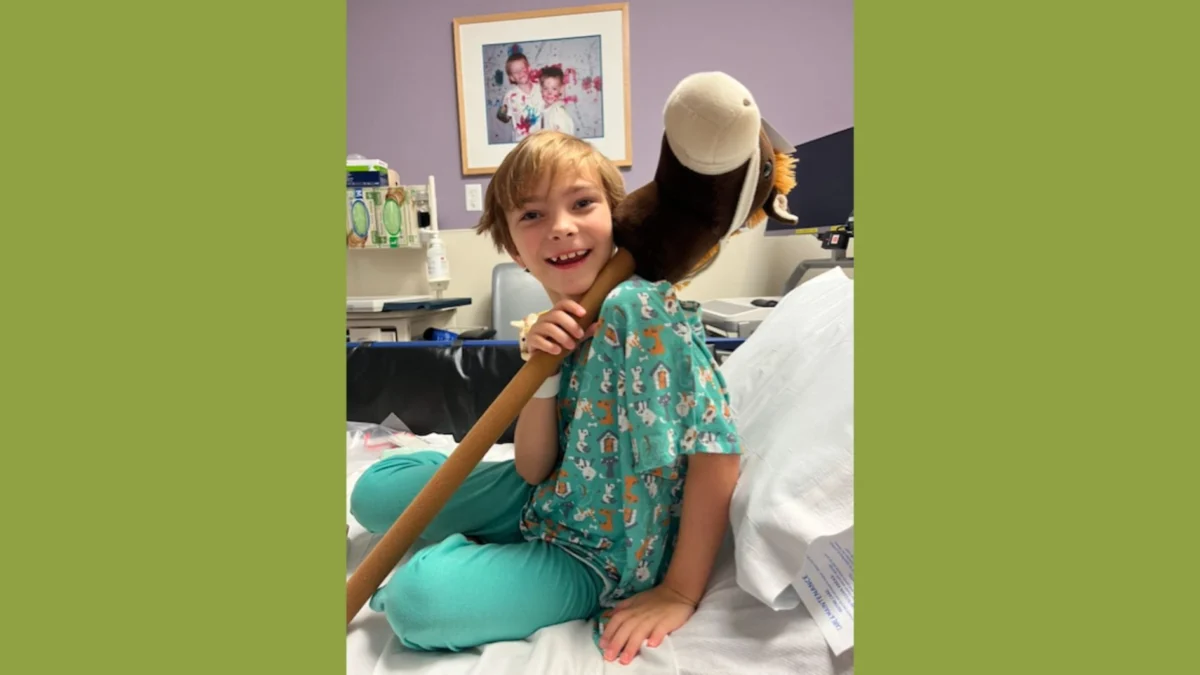
The intersection of pediatric oncology and genomic research has reached a pivotal juncture, illustrated by the medical journey of ten-year-old Alice Lunde, a Glamorama Ambassador whose experience with a rare form of thyroid cancer highlights both the challenges of early diagnosis and the life-saving potential of precision medicine. Alice, a child defined by her creative pursuits in fan fiction, animation, and performance, found herself at the center of a medical anomaly that affects approximately one in 100,000 children annually. Her case serves as a testament to the shifting landscape of cancer treatment, where traditional methods are increasingly supplemented—or replaced—by therapies designed to target specific genetic mutations.
The Diagnostic Challenge: From Routine Observation to Oncology Ward
The narrative of Alice’s illness began with a subtle physical symptom: a small, painless lump on her neck. In the context of pediatric care, such findings are frequently attributed to benign causes, such as swollen lymph nodes following routine infections. For nearly eighteen months, the lump remained a peripheral concern. Despite her mother Erin’s consistent inquiries during medical visits, including consultations for minor ailments like strep throat, the initial clinical consensus was one of low concern.
This delay in diagnosis is not uncommon in pediatric thyroid cancer, which often presents without the systemic symptoms—such as weight loss or lethargy—typically associated with more aggressive childhood malignancies. It was only upon the impending retirement of Alice’s long-term pediatrician that a referral to a specialist was made. The subsequent diagnostic process, involving imaging and biopsies, revealed a sobering reality: a slow-growing thyroid cancer that had already metastasized to her lungs.
The realization that a child’s condition has reached a metastatic stage is a profound turning point for any family. In Alice’s case, the diagnosis transformed her self-professed desire to be "rare" into a clinical reality. While thyroid cancer is the most common endocrine cancer in children, it remains rare compared to adult populations, and its behavior in prepubescent patients can be significantly different, often requiring specialized pediatric protocols.
Standard Protocols and the Limitations of Conventional Treatment
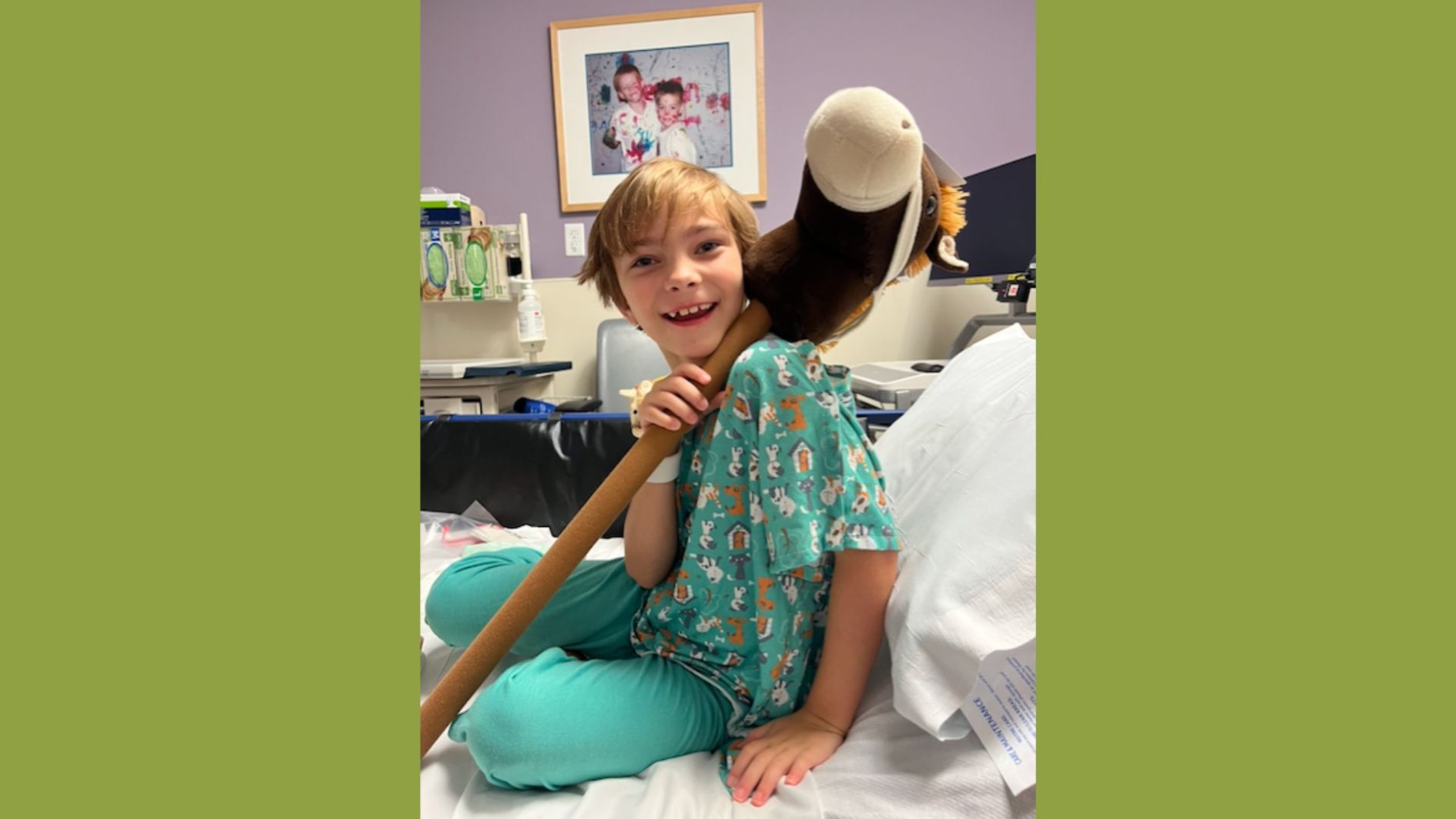
The first phase of Alice’s treatment followed the established "gold standard" for pediatric thyroid cancer: a total thyroidectomy. This surgical intervention is complex, particularly in children, due to the proximity of the thyroid gland to the laryngeal nerves. Following her surgery, Alice faced a ten-day period of aphonia—the total loss of voice—due to the proximity of the cancer to her vocal cords. For a child who found identity in singing and performance, this was a significant psychological and physical hurdle.
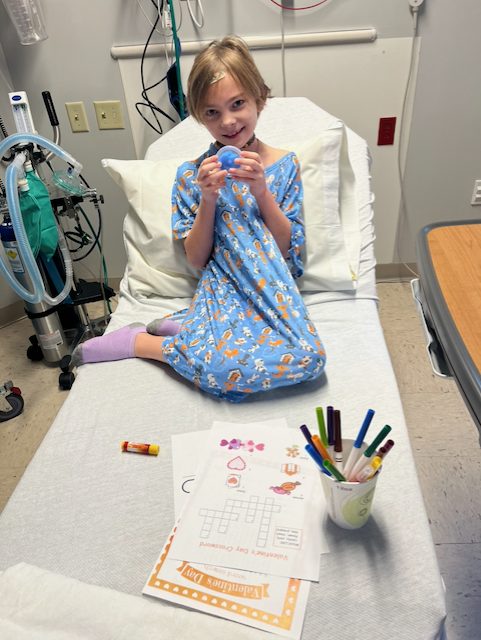
Following the surgical removal of the primary tumor, the medical team initiated radioactive iodine (RAI) ablation. This process involves the administration of Iodine-131, which is absorbed by any remaining thyroid cells, including metastatic cells in the lungs. To prepare for this, Alice was required to adhere to a strict low-iodine diet and undergo "pill-swallowing training," a common but often overlooked aspect of pediatric oncology where children must learn to ingest large capsules using candies and sprinkles as proxies.
Despite the rigorous adherence to these protocols, follow-up scans in the summer of 2024 indicated that the conventional approach was insufficient. The tumors in Alice’s lungs persisted, suggesting that her cancer was "radioiodine-refractory," a condition where the cancer cells no longer take up the iodine necessary to destroy them.
The Genomic Breakthrough: Identifying the Driver Mutation
When standard therapies fail, the focus of modern oncology shifts to the molecular level. Alice’s medical team utilized genetic sequencing to analyze the DNA of her tumor. This analysis revealed a specific gene fusion—a structural abnormality where two previously unrelated genes join together to drive the growth of cancer.
This discovery was the turning point in Alice’s prognosis. In the era of precision medicine, identifying a "driver mutation" allows clinicians to move away from broad-spectrum treatments like chemotherapy or radiation and toward targeted inhibitors. These drugs are designed to "turn off" the specific signaling pathway that the gene fusion uses to promote cell division.
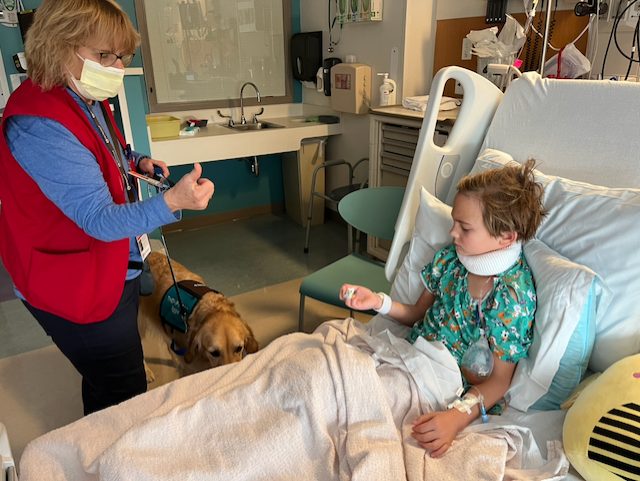
In the fall of 2024, a newly approved drug designed specifically for the genetic marker found in Alice’s cancer became available. This medication represented the culmination of years of laboratory research and clinical trials, many of which are funded by organizations like the Children’s Cancer Research Fund (CCRF). Alice enrolled in a clinical trial for the drug in the summer of 2025. The results were immediate and dramatic: within thirty days, scans showed that the metastatic tumors in her lungs had nearly disappeared.
Statistical Context: Pediatric Thyroid Cancer Trends
To understand the significance of Alice’s recovery, one must look at the broader statistical landscape of pediatric thyroid malignancies. While the overall incidence of childhood cancer is relatively stable, thyroid cancer has seen a gradual increase in reported cases over the last two decades.
- Incidence: Pediatric thyroid cancer accounts for approximately 2% of all childhood cancers. It is significantly more common in adolescents than in younger children like Alice.
- Survival Rates: The 5-year survival rate for pediatric papillary thyroid cancer is exceptionally high, often exceeding 95%. However, for patients with distant metastasis (Stage IV), the journey involves chronic management and potential long-term side effects from treatment.
- Genomic Frequency: Research indicates that up to 70% of pediatric thyroid cancers harbor a targetable genetic fusion (such as RET or NTRK fusions), making this patient population ideal candidates for the type of precision medicine that saved Alice’s life.
The Role of Philanthropy and Support Systems
Alice’s role as an ambassador for Glamorama—a major fundraising event for the Children’s Cancer Research Fund—highlights the critical link between charitable giving and medical outcomes. Pediatric cancer research is notoriously underfunded compared to adult cancers, often receiving only a small fraction of federal research budgets. Organizations like CCRF bridge this gap, specifically targeting rare cancers that might otherwise be overlooked by major pharmaceutical developers.
Beyond the clinical setting, the recovery of a pediatric patient involves reclaiming a sense of normalcy. In August 2025, Alice attended Camp Norden, a specialized retreat designed for children who have navigated the rigors of cancer treatment. Her participation in a karaoke event, where she performed a K-pop song, served as a symbolic victory over the vocal cord risks she faced during surgery two years prior. These psychosocial interventions are increasingly recognized as vital components of "survivorship," addressing the emotional and social developmental delays that can occur during long-term illness.
Analysis of Implications: The Future of Pediatric Oncology
The success of Alice’s treatment offers a blueprint for the future of pediatric oncology. Her case demonstrates that even when a diagnosis is delayed and the disease has spread, the identification of molecular drivers can provide a path to remission.
However, this transition to targeted therapy is not without its complexities. Alice remains under close monitoring for long-term effects. Because targeted inhibitors are relatively new in the pediatric space, doctors must vigilantly monitor her heart function and bone growth—parameters that can be affected by medications interfering with cellular signaling.
Furthermore, Alice’s journey underscores the necessity of "clinical trial literacy" for families. The ability to access emerging therapies often depends on a family’s proximity to major research institutions and their awareness of ongoing trials. As genomic testing becomes more accessible, the medical community faces the challenge of ensuring that all children, regardless of socioeconomic status or geography, have access to the sequencing necessary to identify these "rare" opportunities for cure.
Conclusion
Alice Lunde’s story is no longer just a narrative of a "rare" diagnosis; it is a narrative of scientific triumph and personal resilience. By the time she entered the fourth grade, Alice had moved from a patient with a dire prognosis to a child thriving under the care of a new generation of medicine. The rapid disappearance of her lung tumors within a month of starting targeted therapy serves as a powerful validation of the research-first approach championed by the Children’s Cancer Research Fund.
As research continues to evolve, the definition of "rare" in the medical world is changing. It is moving away from being a marker of isolation or limited options and toward being a marker of specific, actionable data. For Alice, being rare once meant a diagnosis that baffled her initial doctors; today, it means being a pioneer in a new era of oncology where her creativity, her voice, and her future are no longer defined by her disease, but by the discovery that made her recovery possible. Through the continued support of events like Glamorama and the dedication of the scientific community, the "rare" stories of today are becoming the success stories of tomorrow.
