
 By Suherman Candra Maholtra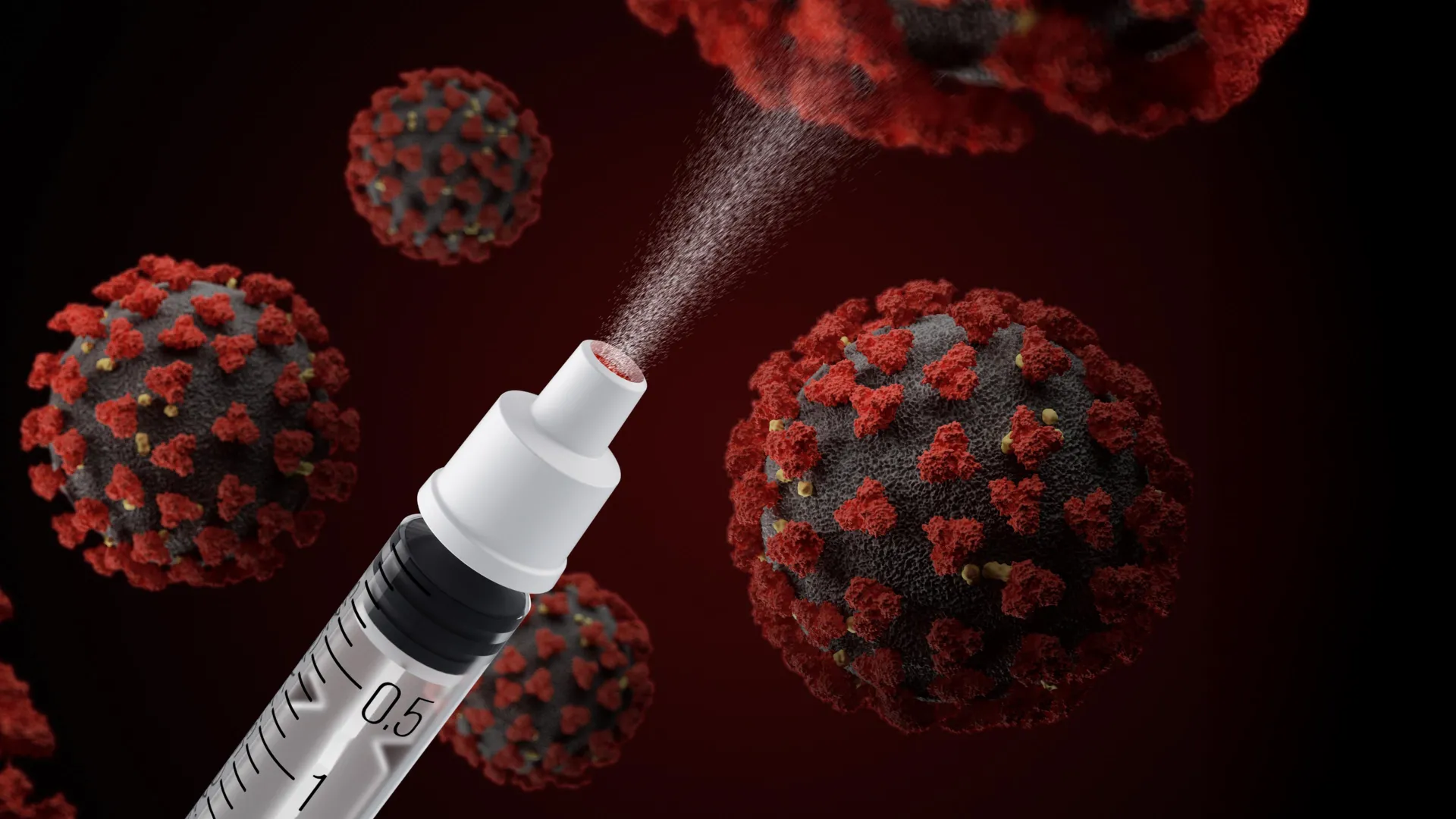
In a milestone for immunology that challenges over two centuries of traditional vaccine design, researchers at Stanford Medicine and a consortium of global collaborators have announced the development of an experimental universal vaccine capable of providing broad-spectrum protection against a diverse array of respiratory threats. The study, published on February 19 in the journal Science, details a novel intranasal formulation that successfully shielded laboratory mice from various strains of coronaviruses, highly resilient hospital-acquired bacteria, and common environmental allergens. This breakthrough represents a significant shift from the antigen-specific paradigm that has defined vaccinology since the 18th century, offering a potential path toward a single, seasonal nasal spray that could replace a multitude of specialized shots.
The experimental vaccine, currently designated as GLA-3M-052-LS+OVA, functions by fundamentally altering the communication between the body’s two primary defense layers: the innate and adaptive immune systems. Led by senior author Bali Pulendran, PhD, the Violetta L. Horton Professor II and professor of microbiology and immunology at Stanford, the research team sought to overcome the limitations of current immunization strategies, which often struggle to keep pace with rapidly mutating pathogens. If the results observed in animal models translate to human subjects, the medical community could soon possess a tool capable of blunting the impact of seasonal epidemics and providing an immediate first line of defense against emerging pandemic "Disease X" threats.
The Limitations of Antigen Specificity and the Need for Evolution
To understand the magnitude of the Stanford study, it is necessary to examine the historical context of vaccine development. Since 1796, when Edward Jenner utilized cowpox to confer immunity against smallpox, the core principle of vaccination has been "antigen specificity." This approach involves introducing a recognizable fragment of a pathogen—such as a protein or a neutralized virus—to the immune system. This "instructional" phase allows the adaptive immune system to create a memory of the specific threat, enabling a rapid response upon future exposure.
However, this traditional model faces a significant hurdle: viral evolution. Pathogens such as influenza and SARS-CoV-2 are characterized by high mutation rates, frequently altering their surface proteins to evade detection by the antibodies generated by previous infections or vaccinations. This phenomenon, often referred to as "antigenic drift," necessitates the constant reformulation of boosters and annual flu shots. Dr. Pulendran noted that many pathogens act like a "leopard that changes its spots," rendering static vaccines less effective over time.
While previous attempts at "universal" vaccines have focused on targeting conserved regions of specific viral families—such as the "stalk" of the flu virus that rarely changes—the Stanford team took a more radical approach. They aimed to create a platform that does not rely on the specific identity of the invading pathogen, but rather on the heightened readiness of the host’s local immune environment.
Biological Mechanism: Activating the Integrated Immune Response
The human immune system is bifurcated into two distinct but overlapping branches. The innate immune system is the body’s first responder, reacting within minutes to any perceived foreign threat through cells like macrophages and neutrophils. While broad in its application, innate immunity is typically short-lived, fading within days. The adaptive immune system is more specialized, producing T cells and B cells that target specific antigens and maintain long-term memory, but it often takes several days or weeks to reach full potency during a first encounter.
The Stanford-led research focused on a phenomenon observed in the Bacillus Calmette-Guerin (BCG) tuberculosis vaccine. For years, clinicians noted that infants receiving the BCG vaccine showed lower mortality rates from unrelated infections, suggesting a form of "trained immunity" or cross-protection. In a foundational 2023 study, Dr. Pulendran’s team discovered that the BCG vaccine recruited T cells to the lungs, which then sent signals to the innate immune system, keeping it in a state of high alert for months rather than days.
The new experimental vaccine replicates this signaling process synthetically. The formulation utilizes GLA-3M-052-LS, a combination of synthetic molecules that stimulate toll-like receptors (TLRs) on innate immune cells. It also includes ovalbumin (OVA), a harmless egg protein that acts as a "bait" to draw T cells into the lung tissue. Once these T cells are stationed in the lungs, they release cytokines—communication proteins—that provide the "keep-alive" signal to the innate defenses. This creates a sustained, heightened state of surveillance in the respiratory tract.
Experimental Results and Quantitative Data
The efficacy of the GLA-3M-052-LS+OVA vaccine was tested through a series of rigorous challenges involving various pathogens. Mice were administered the vaccine intranasally, with some receiving three doses spaced one week apart. Following the immunization period, the subjects were exposed to lethal or high-dose concentrations of respiratory threats.
In the viral trials, vaccinated mice showed remarkable resilience against SARS-CoV-2 and other coronaviruses. The sustained innate response led to a 700-fold reduction in viral titers within the lungs compared to unvaccinated controls. Furthermore, while unvaccinated mice suffered significant weight loss and high mortality rates, the vaccinated group maintained stable weights and achieved a 100% survival rate. The researchers observed that the "alert" state of the lung allowed the adaptive immune system to launch a specific antibody and T-cell response in just three days—a process that normally takes 14 days in an unvaccinated subject.
The vaccine’s versatility was further demonstrated against bacterial pathogens. The team tested the formulation against Staphylococcus aureus (a leading cause of pneumonia and skin infections) and Acinetobacter baumannii. The latter is classified by the World Health Organization (WHO) as a "priority 1: critical" pathogen due to its multi-drug resistance and prevalence in hospital settings. Vaccinated mice remained protected against these bacterial threats for at least three months, suggesting the vaccine could serve as a vital tool in the fight against antimicrobial resistance (AMR).
In a surprising expansion of the study, the researchers tested the vaccine’s impact on allergens. Mice exposed to house dust mite proteins, a common trigger for allergic asthma, typically develop a Th2 immune response characterized by airway inflammation and mucus accumulation. However, the mice treated with the experimental nasal spray showed a significantly suppressed Th2 response and maintained clear, healthy airways.
Chronology of Development and Collaborative Efforts
The path to this discovery was a multi-year endeavor involving institutions across the United States. The timeline of the research highlights the iterative nature of modern biotechnology:
- 2021-2022: Following the peak of the COVID-19 pandemic, the Pulendran lab began investigating the mechanisms of cross-protection in the BCG vaccine, seeking a way to modernize the concept of "non-specific" immunity.
- Early 2023: The team published findings in Cell identifying the specific T-cell signals that extend the life of the innate immune response in the lungs.
- 2023-2024: Lead author Haibo Zhang, PhD, and the research team developed the GLA-3M-052-LS+OVA formulation, refining the combination of toll-like receptor stimuli to optimize the duration of protection.
- February 19, 2025: The findings were formally published in Science, detailing the success of the universal approach against viruses, bacteria, and allergens.
The study was a collaborative effort involving researchers from Emory University School of Medicine, the University of North Carolina at Chapel Hill, Utah State University, and the University of Arizona. Funding was provided by the National Institutes of Health (NIH), the Soffer Fund, and Open Philanthropy, reflecting a broad interest in pandemic preparedness and respiratory health.
Public Health Implications and Future Trajectory
The implications of a universal respiratory vaccine are profound. According to data from the Centers for Disease Control and Prevention (CDC), respiratory infections remain a leading cause of hospitalization and death worldwide. The "tripledemic" of 2022-2023—characterized by the simultaneous surge of COVID-19, influenza, and Respiratory Syncytial Virus (RSV)—underscored the strain that multiple, distinct respiratory threats can place on healthcare systems.
A universal nasal spray could streamline public health interventions. Rather than managing complex schedules for various boosters, individuals could receive a biannual spray that fortifies the lungs against the most common seasonal threats. Furthermore, such a vaccine would be "pathogen-agnostic," meaning it would likely remain effective even if a new, unknown virus emerged, providing a critical window of protection while specific vaccines are developed.
The inclusion of bacterial protection is equally significant. With the rise of antibiotic-resistant "superbugs," the ability to prevent bacterial pneumonia through immunotherapy rather than traditional antibiotics could mitigate the global crisis of antimicrobial resistance.
Despite the promising results, Dr. Pulendran and his colleagues emphasize that the research is currently in the preclinical stage. The next phase involves a Phase I safety trial to ensure the formulation is well-tolerated in humans. One area of focus will be the duration of the "trained" innate response in humans, which may differ from the three-month window observed in mice. If human trials mirror the success of the animal models, Pulendran estimates that a commercial product could be available within five to seven years.
The development of the GLA-3M-052-LS+OVA vaccine represents a fundamental shift in how scientists view human immunity. By moving away from a "one-key-one-lock" approach toward a strategy of generalized fortification, this research may finally realize the long-held dream of a universal shield against the invisible threats that enter through the air we breathe.
