
 By admin
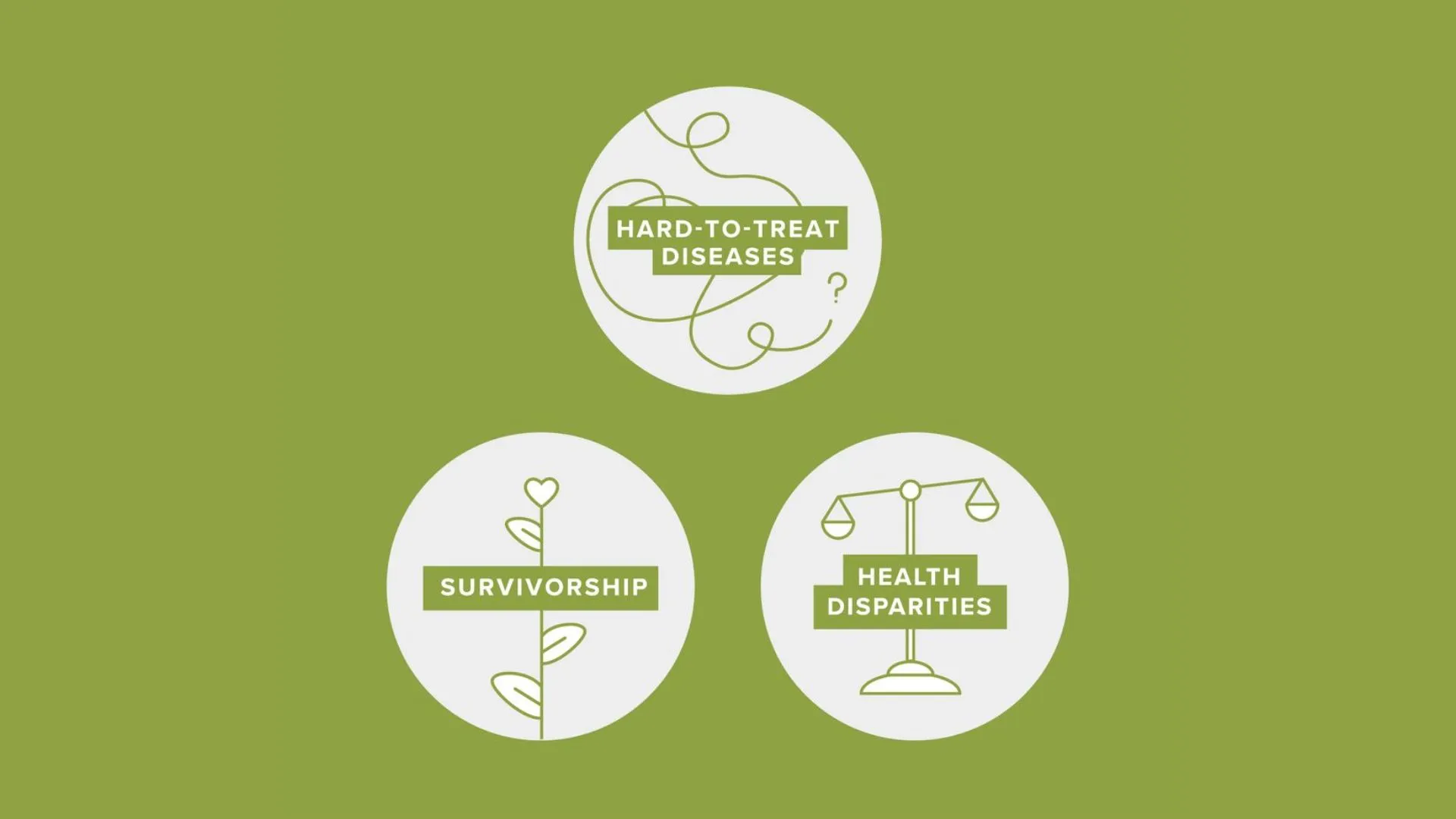
The Children’s Cancer Research Fund (CCRF) has officially unveiled a new slate of grant recipients, marking a significant expansion in its commitment to funding high-risk, high-reward research aimed at the most challenging aspects of pediatric oncology. This latest funding cycle focuses on three critical pillars of modern cancer care: the development of therapies for hard-to-treat malignancies, the mitigation of health disparities among marginalized populations, and the long-term wellness of childhood cancer survivors. By directing resources toward these specific areas, CCRF aims to bridge the gap between laboratory discovery and clinical application, ensuring that scientific breakthroughs translate into improved survival rates and better quality of life for the thousands of children diagnosed with cancer annually.
The announcement comes at a pivotal moment in pediatric medicine. While overall survival rates for childhood cancers have risen to approximately 85% over the last several decades, these statistics mask a stark reality: for certain types of tumors and for families facing socioeconomic barriers, the prognosis remains grim. Furthermore, the "cost of a cure" often involves lifelong health complications resulting from toxic treatments administered during critical developmental windows. The five projects selected by CCRF address these nuances directly, representing a shift toward more personalized, equitable, and less toxic interventions.
Advancing Frontiers in Hard-to-Treat Pediatric Malignancies
The first category of funding, "Hard-to-Treat," targets cancers that have historically seen little to no improvement in survival outcomes due to their biological complexity or resistance to conventional therapies. Among the recipients is Dr. Kyle Williams at the University of Minnesota, who is tackling malignant peripheral nerve sheath tumors (MPNST). These are highly aggressive soft-tissue sarcomas that often occur in children and young adults, particularly those with the genetic condition neurofibromatosis type 1. Currently, there are no targeted drugs or effective immunotherapies available for MPNST, leaving surgery and intensive chemotherapy as the only options, which are frequently unsuccessful if the cancer has spread.
Dr. Williams’ research focuses on the development of CAR T-cell immunotherapy specifically tailored for MPNST. CAR T therapy involves engineering a patient’s own T cells to recognize and attack cancer cells. While this approach has revolutionized the treatment of blood cancers like leukemia, it has proven difficult to implement in solid tumors. Dr. Williams’ work represents a bold attempt to break this barrier, offering a potential lifeline for patients who currently face a dismal prognosis.
Simultaneously, Dr. Kelly Goldsmith at Emory University is addressing another formidable challenge: neuroblastoma that has metastasized to the brain. Neuroblastoma is the most common extracranial solid tumor in childhood, but when it reaches the central nervous system, it becomes exceptionally difficult to treat. This is largely due to the "blood-brain barrier," a protective layer of cells that prevents most drugs from entering the brain. Dr. Goldsmith is pioneering a next-generation "off-the-shelf" immunotherapy using gamma delta T cells. Unlike the more common alpha beta T cells used in many therapies, gamma delta T cells possess a natural ability to penetrate the blood-brain barrier. By engineering these cells to be "off-the-shelf," the therapy could be produced in large batches and administered quickly to patients, bypassing the lengthy and expensive process of manufacturing personalized cell products.
Addressing the Socioeconomic Determinants of Health Disparities
While biological research is vital, CCRF has recognized that the success of a medical intervention is often dictated by the environment in which a patient lives. Under the "Health Disparities" funding category, Dr. Puja Umaretiya of the University of Texas Southwestern is leading a study that examines the intersection of poverty and pediatric oncology. Research indicates that nearly 50% of families navigating relapsed or advanced childhood cancer struggle to meet basic human needs, such as housing, food, and transportation.
Dr. Umaretiya’s project is a pilot randomized trial designed to provide direct support to families facing financial toxicity. In the context of pediatric cancer, "financial toxicity" refers to the devastating economic burden placed on families, which often leads to missed appointments, inability to afford supportive medications, and increased stress, all of which can negatively impact a child’s clinical outcome. By testing systemic interventions to alleviate poverty during treatment, Dr. Umaretiya aims to prove that social support is as much a clinical necessity as the chemotherapy itself. This research is expected to provide a framework for hospitals nationwide to integrate social determinants of health into their standard of care.
Ensuring Long-Term Wellness through Survivorship Research
The success of modern oncology has created a growing population of childhood cancer survivors—now numbering over 500,000 in the United States alone. However, the heavy burden of treatment often leads to "late effects" that emerge years or even decades after the cancer is gone. The CCRF "Survivorship" category funds research into these long-term consequences.

Dr. Brian Fisher at the Children’s Hospital of Philadelphia (CHOP) is spearheading a multi-center study to evaluate infection risks following leukemia treatment. Historically, intensive chemotherapy has been the standard for leukemia, known to severely suppress the immune system. In recent years, newer immunotherapies have been introduced as a less toxic alternative. Dr. Fisher’s study will compare the infection profiles of children treated with these two different modalities. By understanding how different treatments affect the immune system’s long-term recovery, clinicians can develop better protocols for monitoring and protecting survivors from life-threatening infections later in life.
In a similar vein, Dr. Brandy-Joe Milliron at Drexel University is addressing the metabolic and cardiovascular risks faced by leukemia survivors. Children treated for leukemia are at a significantly higher risk for developing obesity, insulin resistance, and cardiovascular disease in early adulthood. Dr. Milliron is testing a virtually delivered nutrition program designed to empower families with the tools to improve long-term health outcomes. This project acknowledges that the end of active treatment is not the end of the medical journey; rather, it is the beginning of a lifelong need for specialized wellness management.
Chronology and Strategic Evolution of CCRF Funding
The allocation of these grants follows a rigorous multi-month review process involving peer evaluations by leading oncologists and researchers. Traditionally, pediatric cancer research has been underfunded compared to adult cancers, with the National Cancer Institute (NCI) allocating only about 4% of its annual budget to pediatric-specific studies. Organizations like CCRF have stepped in to fill this gap, moving through a strategic timeline that has evolved from general research funding to highly targeted "gap-filling" investments.

- Phase I: Discovery (1980s-2000s): Initial funding focused on understanding the basic genetics of childhood cancers.
- Phase II: Precision Medicine (2010s): Funding shifted toward targeted therapies and genomic sequencing.
- Phase III: Holistic Intervention (2020-Present): The current phase, represented by these five grants, focuses on the "whole patient," including immunotherapy for solid tumors, socioeconomic equity, and survivorship.
Supporting Data and the Urgency of Pediatric Research
The necessity for this funding is underscored by current epidemiological data. According to the American Cancer Society, approximately 9,620 children in the United States under the age of 15 will be diagnosed with cancer in 2024. While survival rates are high for common types like Acute Lymphoblastic Leukemia (ALL), the survival rate for aggressive solid tumors like MPNST remains below 50% in many cases.
Furthermore, the "financial toxicity" data cited by Dr. Umaretiya is supported by a growing body of evidence. A study published in the Journal of Clinical Oncology found that families of children with cancer often experience a 25% or greater drop in household income due to one parent having to leave the workforce to provide care. This economic instability is a primary driver of health disparities, as families in the lowest income brackets have a significantly higher risk of relapse and mortality.
Official Perspectives and Broader Implications
While official statements from the individual researchers emphasize the transformative potential of these grants, the broader scientific community views this investment as a catalyst for systemic change. Medical analysts suggest that by funding "off-the-shelf" therapies and virtual nutrition programs, CCRF is pushing the healthcare system toward more scalable and accessible models of care.
The implications of these projects extend beyond the five specific labs. For instance, Dr. Williams’ work on CAR T cells for MPNST could provide a blueprint for treating other recalcitrant solid tumors in both children and adults. Similarly, Dr. Milliron’s virtual nutrition program could be adapted for other chronic pediatric conditions, highlighting the role of digital health in modern medicine.
In conclusion, the Children’s Cancer Research Fund’s latest grant cycle represents a comprehensive strategy to tackle the multifaceted challenges of pediatric oncology. By addressing the biological "hard-to-treat" barriers, the systemic "disparity" barriers, and the long-term "survivorship" barriers, these five projects aim to ensure that every child not only survives their diagnosis but thrives long after their treatment has concluded. The results of these studies, expected to emerge over the next three to five years, will likely inform the next generation of clinical guidelines and provide a new standard of hope for families worldwide.
