
 By Budi Oetomo Narendra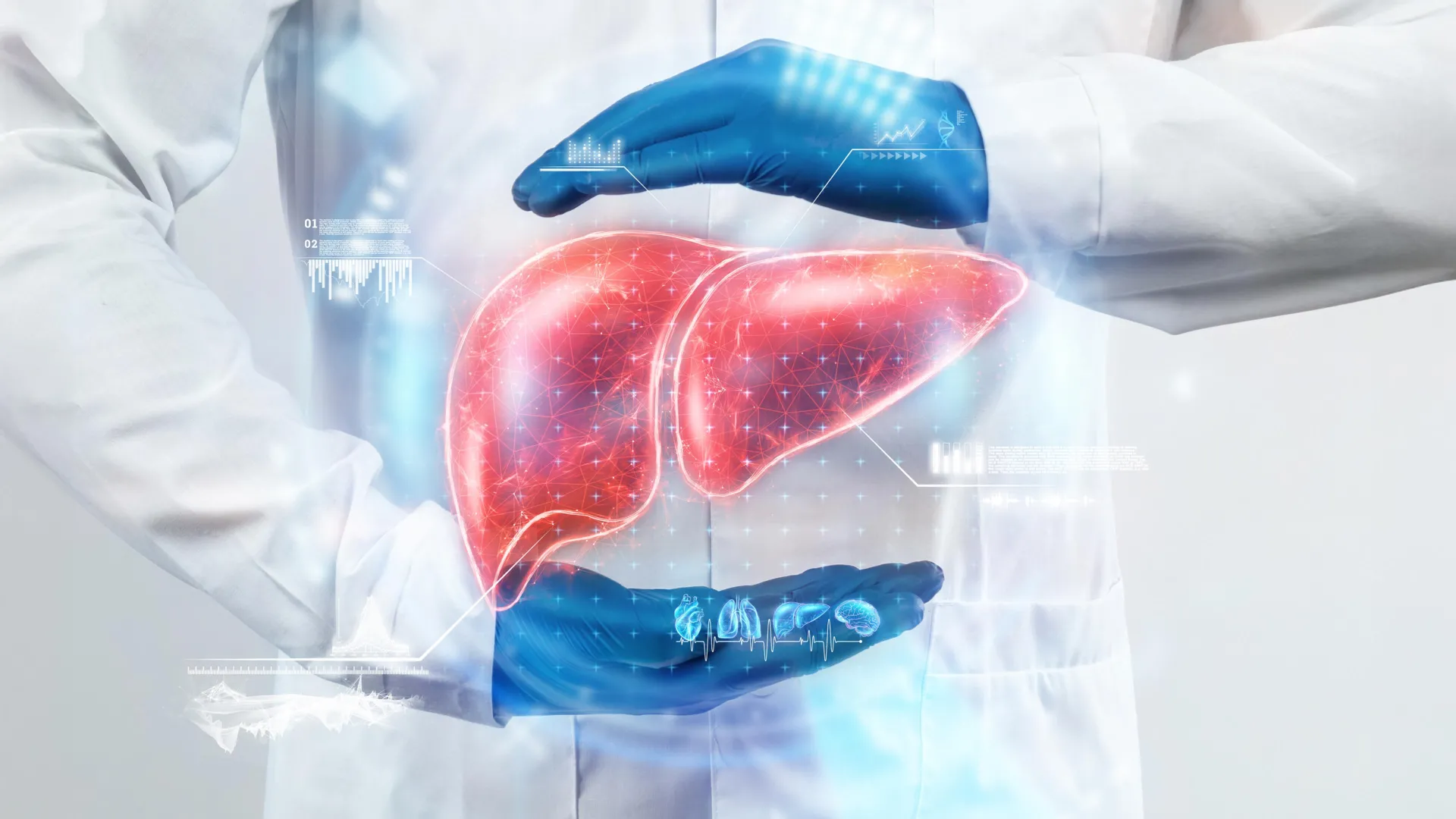
A groundbreaking international study has pinpointed a crucial genetic contributor to Metabolic-associated fatty liver disease (MASLD), a condition affecting approximately 30% of the global population and historically lacking targeted therapeutic options. The research reveals that elevated levels of microRNA-93 (miR-93) significantly exacerbate MASLD progression by disrupting vital metabolic pathways in the liver. Intriguingly, the most promising intervention identified to counteract this genetic factor is niacin, commonly known as vitamin B3, an already approved and widely available treatment with a well-established safety profile. This discovery not only sheds new light on the molecular underpinnings of MASLD but also presents a compelling case for repurposing an accessible nutritional compound to address a pervasive global health challenge.
The Unmet Need: Understanding MASLD’s Global Burden
Metabolic-associated fatty liver disease, formerly known as non-alcoholic fatty liver disease (NAFLD), represents a spectrum of liver conditions characterized by the accumulation of excess fat in liver cells not caused by heavy alcohol consumption. The recent renaming reflects a broader understanding of its metabolic origins, linking it closely with conditions like obesity, type 2 diabetes, insulin resistance, and dyslipidemia. MASLD is now recognized as the most common chronic liver disease worldwide, impacting hundreds of millions and projected to rise further due to the increasing prevalence of metabolic syndrome. While simple fatty liver (steatosis) is often benign, a significant proportion of individuals progress to more severe forms, including metabolic-associated steatohepatitis (MASH), characterized by inflammation and liver cell damage. MASH can lead to fibrosis (scarring), cirrhosis, liver failure, and even hepatocellular carcinoma (liver cancer), making it a leading indication for liver transplantation globally. Despite its widespread impact and serious potential complications, effective pharmacological treatments specifically targeting the disease’s progression have remained elusive. Current management primarily relies on lifestyle modifications, such such as diet and exercise, which, while effective for some, often prove insufficient for a large patient cohort or those with advanced disease. This critical gap in treatment options underscores the urgent need for novel therapeutic strategies rooted in a deeper understanding of MASLD’s molecular pathogenesis.
The Breakthrough: Unmasking miR-93’s Central Role in Liver Dysfunction
The international research team, a collaborative effort spearheaded by Professor Jang Hyun Choi at the Ulsan National Institute of Science and Technology (UNIST), alongside Professor Hwayoung Yun from Pusan National University (PNU) and Professor Neung Hwa Park at Ulsan University Hospital (UUH), focused their investigation on identifying novel regulatory mechanisms within liver cells pertinent to MASLD. Their extensive work led to the unprecedented identification of microRNA-93 (miR-93) as a pivotal regulator in the development and progression of MASLD. This marks the first time this specific microRNA molecule has been definitively linked to the intricate molecular pathways driving the disease.
MicroRNAs (miRNAs) are small, non-coding RNA molecules that play a critical role in regulating gene expression by binding to messenger RNA (mRNA) molecules, thereby inhibiting their translation into proteins or promoting their degradation. This sophisticated regulatory mechanism allows miRNAs to fine-tune cellular processes, and their dysregulation is increasingly implicated in various human diseases, including cancer, cardiovascular disorders, and metabolic conditions. The research team discovered that miR-93 levels were significantly elevated in liver cells of both human patients diagnosed with fatty liver disease and in animal models exhibiting MASLD-like characteristics. This consistent upregulation across different models immediately signaled miR-93 as a potential driver of the disease.
Further in-depth analysis elucidated the precise mechanism through which miR-93 exerts its detrimental effects on liver function. The researchers determined that high levels of miR-93 actively suppress the expression and activity of SIRT1, a crucial gene involved in maintaining metabolic homeostasis within liver cells. SIRT1 (Sirtuin 1) is a nicotinamide adenine dinucleotide (NAD+)-dependent deacetylase that plays a multifaceted role in cellular metabolism, stress resistance, and aging. It is known to regulate lipid metabolism, glucose homeostasis, and inflammatory responses, making it a critical player in liver health. By inhibiting SIRT1, miR-93 effectively disrupts the liver’s ability to manage fat metabolism, leading to a cascade of pathological events: increased fat accumulation (steatosis), heightened inflammation, and the initiation of fibrotic processes (scarring). This intricate interplay positions miR-93 as a master switch, turning off a protective metabolic pathway and accelerating MASLD progression.
To robustly validate miR-93’s causal role, the team employed advanced gene editing techniques to genetically silence the production of miR-93 in experimental mouse models. These miR-93-deficient mice exhibited remarkably improved liver health, characterized by significantly reduced fat accumulation, enhanced insulin sensitivity, and overall better liver function compared to control groups. Conversely, mice engineered to overproduce miR-93 developed more severe metabolic abnormalities and pronounced liver damage, mirroring the advanced stages of human MASLD. These compelling in vivo studies provided unequivocal evidence of miR-93’s direct involvement in MASLD pathogenesis, cementing its status as a promising therapeutic target.
A Surprising Solution: The Niacin Connection
With miR-93 firmly established as a critical pathogenic factor, the research pivoted towards identifying compounds capable of modulating its levels. The team embarked on a comprehensive screening process, evaluating 150 FDA-approved drugs for their potential to reduce miR-93 expression. The results of this extensive pharmacological screen yielded a surprising and highly significant candidate: niacin (vitamin B3).
Niacin, also known as nicotinic acid, emerged as the most effective compound in downregulating miR-93 levels. When MASLD animal models were treated with niacin, a dramatic reduction in miR-93 expression was observed, concomitantly with a notable increase in SIRT1 activity. This reversal of the miR-93-SIRT1 axis effectively restored normal fat-processing pathways within the liver, leading to improved overall lipid balance and a reduction in liver pathology. The effectiveness of niacin in mitigating MASLD progression through this specific molecular mechanism underscores its potential as a targeted therapeutic agent.
The researchers elaborated on the significance of this finding, stating, "This study precisely elucidates the molecular origin of MASLD and demonstrates the potential for repurposing an already approved vitamin compound to modulate this pathway, which has high translational clinical relevance." They further emphasized, "Given that niacin is a well-established and safe medication used to treat hyperlipidemia, it holds promise as a candidate for combination therapies targeting miRNA pathways in MASLD." This perspective highlights the inherent advantages of drug repurposing—expedited development timelines, reduced costs, and a pre-existing understanding of safety and pharmacokinetics—making niacin an exceptionally attractive candidate for clinical translation.
Niacin: A Closer Look at an Established Compound
Niacin is an essential nutrient vital for various metabolic processes, including energy production and DNA repair. It is well-known in clinical practice for its lipid-modifying properties, particularly its ability to lower low-density lipoprotein (LDL) cholesterol ("bad" cholesterol) and triglycerides while raising high-density lipoprotein (HDL) cholesterol ("good" cholesterol). It has been prescribed for decades to manage dyslipidemia, often in patients at risk for cardiovascular disease.
The mechanism by which niacin achieves its lipid-lowering effects is complex and involves several pathways, including inhibiting fatty acid mobilization from adipose tissue, reducing hepatic synthesis of very-low-density lipoprotein (VLDL), and enhancing HDL cholesterol reverse transport. Its discovery as a potent downregulator of miR-93 adds a new, intriguing dimension to its therapeutic potential, suggesting a direct impact on liver fat metabolism beyond its traditional lipid-lowering actions. Importantly, niacin’s safety profile is well-characterized, although it is associated with a common side effect known as the "niacin flush" (a transient redness, warmth, itching, or tingling of the skin), which can often be managed by starting with low doses and gradually increasing, or by using extended-release formulations. The established clinical experience with niacin provides a significant advantage for its potential repurposing in MASLD, bypassing many of the early-stage development hurdles faced by novel drug candidates.
The Broader Scientific Context: MicroRNAs and SIRT1
The findings from this study resonate with broader trends in biomedical research. MicroRNAs have emerged as critical regulators in almost every biological process and disease state. Their ability to simultaneously influence multiple gene targets makes them attractive therapeutic targets, as modulating a single miRNA can impact an entire regulatory network. However, developing miRNA-based therapies is challenging, often involving complex delivery systems and potential off-target effects. The identification of an existing, orally administered drug like niacin that can effectively modulate a disease-driving miRNA like miR-93 represents a significant leap forward in this field.
Furthermore, the role of SIRT1 in metabolic health has been a subject of intense research for years. As a key component of the sirtuin family, SIRT1 is known to respond to cellular energy status, acting as a sensor of nutrient availability and influencing pathways related to longevity, inflammation, and metabolic adaptation. Its suppression by miR-93 in MASLD provides a clear molecular link between specific genetic dysregulation and a widely recognized metabolic stress response. Enhancing SIRT1 activity has long been considered a therapeutic strategy for metabolic disorders, and niacin’s ability to indirectly boost SIRT1 by reducing its suppressor, miR-93, offers a novel and accessible route to achieving this therapeutic goal.
The Research Journey and Team
This pioneering work was the culmination of extensive collaborative efforts across multiple institutions. The core research was driven by Professor Jang Hyun Choi’s team at UNIST, focusing on the fundamental molecular mechanisms. Their collaboration extended to Professor Hwayoung Yun at Pusan National University, likely contributing expertise in broader physiological and metabolic studies, and Professor Neung Hwa Park at Ulsan University Hospital, who provided crucial clinical insights and potentially access to patient samples, bridging the gap between basic science and human disease. The interdisciplinary nature of the team, combining molecular biology, animal physiology, and clinical medicine, was instrumental in the robust validation of their findings.
The study received significant financial backing from key national research organizations, including the National Research Foundation of Korea (NRF) and the Korea Research Institute of Bioscience and Biotechnology (KRIBB). This support underscores the recognized importance and potential impact of the research within the scientific community. The detailed findings were formally published in Metabolism: Clinical and Experimental, a reputable journal in the field of metabolic research, ensuring peer review and dissemination to a global scientific audience. Key contributors recognized as co-first authors for their substantial contributions include Dr. Yo Han Lee and Kieun Park from UNIST, Professor Joonho Jeong from Ulsan University Hospital, and Jinyoung Lee from Pusan National University, highlighting the collaborative spirit and distributed expertise that characterized this landmark study.
Implications for Patients and Healthcare
The implications of this research are profound, offering a glimmer of hope for millions grappling with MASLD. For patients, the prospect of a readily available, affordable, and well-understood treatment like vitamin B3 is highly encouraging. Unlike experimental drugs that require years of development and testing, niacin’s established clinical history means it could potentially move through clinical trials for MASLD much faster. This could significantly accelerate the availability of an effective intervention, especially for those who struggle with lifestyle changes or whose disease progresses despite conventional management.
From a healthcare system perspective, the repurposing of niacin offers substantial economic benefits. Developing new drugs is an incredibly costly and time-consuming endeavor. Utilizing an existing compound bypasses much of this expenditure, making effective treatment more accessible and sustainable, particularly in regions with limited healthcare resources. This strategy aligns with a growing trend in pharmaceutical research to identify novel applications for approved medications, maximizing their utility and expediting patient access to therapies.
Future Directions and Clinical Translation
While the findings are highly promising, it is crucial to acknowledge that this research, primarily conducted in animal models and in vitro settings, represents a foundational step. The next critical phase will involve rigorous human clinical trials to confirm these results in MASLD patients. These trials will need to:
- Validate Efficacy: Determine if niacin treatment effectively reduces miR-93 levels and improves liver fat, inflammation, and fibrosis in human subjects.
- Optimal Dosing: Establish the most effective and safest dosage regimens for MASLD patients, considering the potential for the niacin flush and other side effects.
- Long-term Outcomes: Assess the long-term impact of niacin on MASLD progression, including its ability to prevent the development of MASH, cirrhosis, and liver cancer.
- Combination Therapies: Explore whether niacin, either alone or in combination with other existing or emerging MASLD treatments, can offer superior benefits. The researchers’ suggestion of niacin as a candidate for "combination therapies targeting miRNA pathways" is particularly insightful, acknowledging that complex diseases often require multi-pronged approaches.
The success of these clinical trials could usher in a new era for MASLD management, potentially positioning niacin as a first-line or adjunct therapy. This discovery not only provides a tangible new treatment avenue but also reinforces the immense value of fundamental research in unraveling disease mechanisms, ultimately paving the way for innovative and accessible solutions to pressing global health challenges. The journey from laboratory discovery to widespread patient benefit is often long, but the identification of miR-93 as a key regulator and niacin as its modulator represents a significant stride forward in the fight against MASLD.
