
 By admin
The landmark partnership between CureSearch for Children’s Cancer and global toy leader Mattel has reached a significant milestone, celebrating a decade of providing comfort, representation, and hope to thousands of pediatric patients across the United States. Since its inception in 2013, the Brave Barbie initiative has focused on a singular, compassionate mission: to provide a companion for children undergoing medical treatments that result in hair loss. By offering a doll that reflects the physical reality of many young cancer patients, the program seeks to alleviate the emotional burden of diagnosis and foster a sense of normalcy during some of the most challenging periods of a child’s life.
As of October 2023, the program has successfully distributed more than 100,000 Brave Barbie dolls to children impacted by cancer. These dolls are provided free of charge and have reached over 200 hospitals and medical centers nationwide. The collaboration highlights a critical intersection between corporate social responsibility and nonprofit advocacy, addressing the psychological needs of patients while CureSearch continues its primary mission of funding life-saving medical research.
A Decade of Compassionate Design and Representation
The history of Brave Barbie began ten years ago when Mattel and CureSearch recognized a void in the toy market for children facing hair loss due to chemotherapy, radiation, or other medical conditions like alopecia. At the time, the "Barbie" brand was beginning a broader transformation toward inclusivity, and the creation of a doll without hair was a pioneering step in that evolution. Unlike standard Barbie dolls, Brave Barbie was designed specifically to be a "friend" who shares the journey of the patient.
The doll typically comes with various accessories, including wigs, hats, and headscarves, allowing children to play out their own experiences and choices regarding their appearance. This element of "play therapy" is recognized by child life specialists as a vital tool in pediatric oncology. Through play, children can process their emotions, practice autonomy over their appearance, and better understand the physical changes their bodies are undergoing.
Nancy Molenda, Executive Director of the Mattel Children’s Foundation and Corporate Philanthropy, emphasized the importance of this psychological connection. According to Molenda, Brave Barbie is intentionally placed in the hands of children during their most difficult treatments so they can see themselves reflected in their toys. This visibility serves as a constant reminder that they are not alone in their struggle and that their appearance, though changed by medicine, remains beautiful and valid.
The Harsh Reality of Pediatric Cancer Treatments
While the Brave Barbie provides emotional support, the underlying reason for its existence remains a sobering reality in the American healthcare system. Pediatric cancer is the leading cause of death by disease among children in the United States. Each year, thousands of families receive a diagnosis that fundamentally alters their lives.
Kay Koehler, President and CEO of CureSearch, pointed out that the struggle does not end if a child goes into remission. The "toxicity" of current pediatric cancer treatments is a major concern for the medical community. Because many of the drugs used to treat childhood cancers were originally developed for adults, they can be incredibly harsh on developing bodies.
“When children go through cancer treatments, the toxicity from their treatment causes lifelong side effects,” Koehler stated. She noted that survivors often face a litany of long-term health challenges, including vision and hearing loss, cognitive impairments, and a significantly increased risk of secondary cancers or heart failure later in life. These "late effects" often manifest just as survivors are reaching major life milestones, such as high school graduation or the start of their professional careers. This reality underscores the urgent need for the "translational research" that CureSearch funds—research specifically designed to move quickly from the laboratory to clinical trials to create safer, less toxic therapies.
Personal Impact: The Story of Chloe and the "Bald is Beautiful" Movement
The impact of the Brave Barbie program is best measured through the individual stories of the families it serves. One such story is that of Chloe, a young girl diagnosed with leukemia in 2022. For Chloe and her mother, Krystle Kincade-Crean, the arrival of a Brave Barbie in the mail was more than just receiving a new toy; it was a moment of profound validation.
Kincade-Crean recalled the joy Chloe felt upon seeing a doll that mirrored her own reflection. In an environment dominated by hospital gowns and medical equipment, the doll provided a sense of identity. “I’m really happy that Brave Barbie can show Chloe that bald is beautiful and hair doesn’t define her,” Kincade-Crean said. This sentiment is echoed by thousands of parents who have requested the doll, noting that it helps bridge the gap between the "patient" identity and the "child" identity.
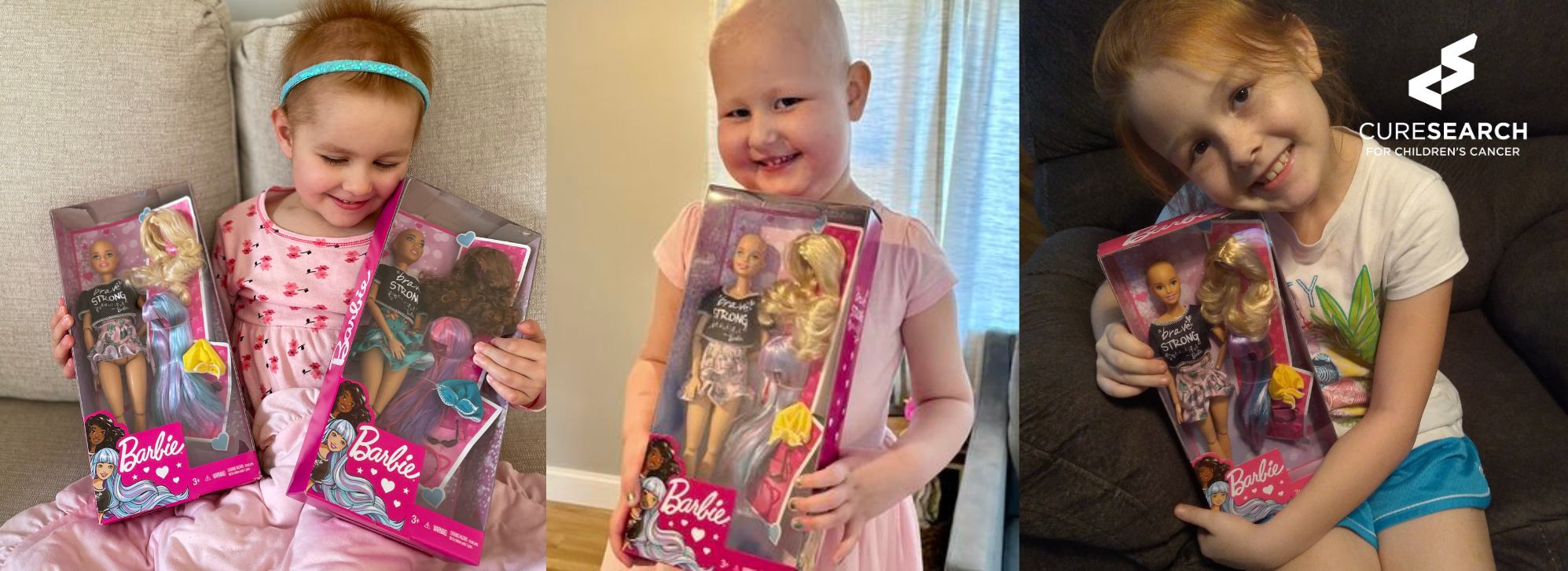
The "Bald is Beautiful" message championed by the Brave Barbie program also helps siblings and peers understand the situation. When a child returns to school or social circles after hair loss, having a familiar icon like Barbie representing that same look can reduce the stigma and curiosity that often leads to social isolation for young patients.
The Role of CureSearch in Accelerating Pediatric Research
CureSearch for Children’s Cancer has been a driving force in the pediatric oncology field for over 35 years. The organization operates under a unique funding model that is "laser-focused" on high-unmet-need areas. Unlike broader cancer charities, CureSearch prioritizes translational research—the phase of research that bridges the gap between basic laboratory discovery and actual bedside treatment.
The organization’s strategy involves:
- Targeted Funding: Investing in projects that have the strongest potential to become new treatments quickly.
- Reducing Barriers: Navigating the regulatory and financial hurdles that often slow down the development of pediatric-specific drugs.
- Collaboration: Bringing together academic researchers, pharmaceutical companies, and regulatory agencies to streamline the path to clinical trials.
The partnership with Mattel serves as a public-facing extension of this mission. While the research aims to save lives, the Brave Barbie program aims to preserve the quality of life and the spirit of the child during the interim.
Corporate Social Responsibility and the Evolution of the Barbie Brand
For Mattel, the Brave Barbie initiative is a cornerstone of its broader commitment to diversity and inclusion. In recent years, the Barbie line has expanded to include dolls with vitiligo, prosthetic limbs, wheelchairs, and varying body types. This shift reflects a growing understanding in the toy industry that toys are not just playthings but are developmental tools that shape a child’s worldview and self-esteem.
Mattel’s involvement goes beyond the manufacturing of the doll. Through the Mattel Children’s Foundation, the company has integrated philanthropy into its corporate identity, partnering with various health organizations to support children’s hospitals and pediatric wellness programs globally. By operating in 35 locations and distributing products in over 150 countries, Mattel utilizes its massive logistical footprint to ensure that Brave Barbie can be requested and delivered efficiently to those in need.
Logistics and Accessibility for Families
To ensure that no child is excluded due to financial constraints, Brave Barbies are distributed free of charge. Families in the United States can request a doll directly through the CureSearch website. This direct-to-consumer model ensures that even those who are not currently inpatient at one of the 200 partner hospitals can still access the resource.
The program’s success over the last decade is attributed to the continued support of donors and the logistical synergy between CureSearch’s advocacy network and Mattel’s production capabilities. As the program enters its second decade, both organizations have expressed a commitment to expanding the reach of the doll and continuing to advocate for the specialized needs of the pediatric cancer community.
Broader Implications for Pediatric Care
The success of the Brave Barbie program provides a blueprint for how other industries can support pediatric healthcare. It demonstrates that addressing the psychological and emotional well-being of a patient is as critical as the physical treatment. Child life specialists frequently advocate for "normalized" environments in hospitals, and toys like Brave Barbie are essential components of that environment.
Furthermore, the 10-year anniversary serves as a reminder of the ongoing work required in the field of pediatric oncology. While the doll provides a "friend" through treatment, the ultimate goal remains a world where such treatments are no longer necessary, or are at least significantly less damaging to the child. The collaboration between a toy giant and a research-focused nonprofit highlights a holistic approach to a crisis: fighting the disease with science while supporting the survivor with empathy.
As CureSearch and Mattel look toward the future, the message remains clear: representation matters, play is therapeutic, and the fight for safer, more effective treatments for children’s cancer continues with renewed urgency. For the 100,000 children who have held a Brave Barbie, the doll is more than plastic and fabric—it is a symbol of courage, a mirror of their own strength, and a reminder that even in the face of illness, they are seen and celebrated.
