
 By admin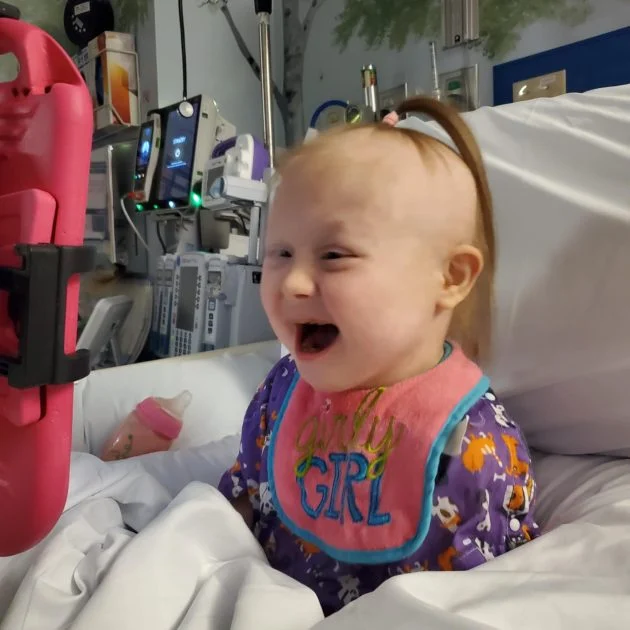
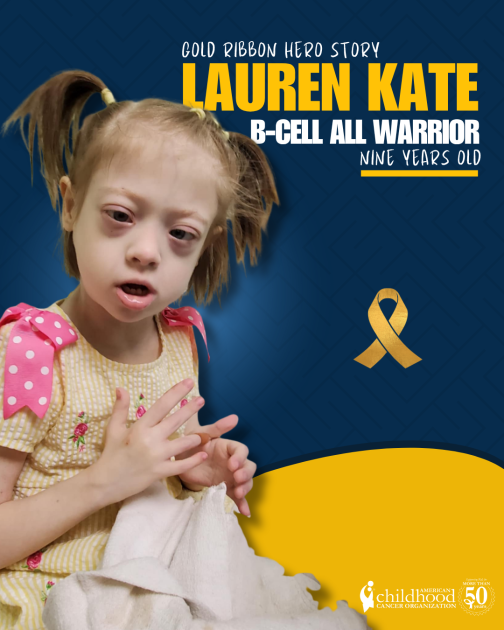
The intersection of pre-existing genetic conditions and sudden-onset life-threatening illness presents a complex challenge for families and medical professionals alike, a reality currently being navigated by nine-year-old Lauren Kate and her family. Lauren, who was born with Down syndrome, was diagnosed on September 23, 2025, with B-Cell Acute Lymphoblastic Leukemia (ALL), a discovery that shifted her family’s focus from the routine management of developmental milestones to an intensive oncological regimen. This diagnosis, while profound, marks the beginning of a coordinated medical effort at East Tennessee Children’s Hospital to address a malignancy that, while aggressive, has seen significant advancements in pediatric treatment protocols over the last decade.
The Chronology of Diagnosis and Early Intervention
The path to Lauren’s diagnosis began with subtle but persistent physiological changes that initially appeared as common childhood ailments. Her family reported a noticeable shift in her baseline behavior, characterized by unusual lethargy and a lack of her typical "vibrant" engagement with her surroundings. The critical turning point occurred when her mother identified physical abnormalities, specifically large, palpable bumps under Lauren’s neck—symptoms indicative of lymphadenopathy, or the swelling of lymph nodes.
Recognizing the urgency of these symptoms, Lauren’s mother secured an immediate appointment with their primary care physician. Initial clinical observations led to blood work that revealed an abnormal white blood cell count, a primary indicator of hematologic distress. Given the severity of the lab results, the family was directed to the emergency department at East Tennessee Children’s Hospital. Following a series of rapid diagnostic tests and hours of observation, the medical team confirmed the presence of B-Cell Acute Lymphoblastic Leukemia. The official diagnosis on September 23 served as the catalyst for an immediate and aggressive treatment plan, transforming the family’s life from one of normalcy to one of clinical vigilance.
Understanding B-Cell Acute Lymphoblastic Leukemia (ALL)
B-Cell Acute Lymphoblastic Leukemia is a type of cancer in which the bone marrow produces too many immature lymphocytes, a type of white blood cell. These "blasts" crowd out healthy blood cells, including red blood cells that carry oxygen, platelets that help the blood clot, and healthy white blood cells that fight infection. This overcrowding explains the symptoms Lauren exhibited, such as extreme fatigue (from anemia) and the swelling of lymph nodes (as leukemic cells accumulate).
In the pediatric population, ALL is the most common form of cancer, representing approximately 25% of all cancer diagnoses in children under the age of 15. While the diagnosis is formidable, the prognosis for pediatric ALL has improved dramatically since the 1960s. Modern multi-agent chemotherapy protocols have elevated the five-year survival rate to approximately 90% for most children. However, the journey to remission involves a grueling multi-year process divided into phases: induction, consolidation (or intensification), and maintenance.
The Correlation Between Down Syndrome and Leukemia
Lauren’s medical journey is further complicated by her pre-existing diagnosis of Down syndrome (Trisomy 21). Medical literature has long established a statistically significant link between Down syndrome and an increased predisposition to certain types of leukemia. Research indicates that children with Down syndrome have a roughly 20-fold increased risk of developing Acute Lymphoblastic Leukemia compared to the general pediatric population.
The biological reasons for this correlation are the subject of ongoing genomic research. It is hypothesized that the extra copy of chromosome 21 contributes to hematopoietic instability, making the blood-forming cells more susceptible to the mutations that lead to leukemia. While children with Down syndrome often respond well to leukemia treatments, they frequently experience higher rates of treatment-related toxicity. This requires oncologists to strike a delicate balance, often tailoring chemotherapy dosages to minimize side effects while ensuring the eradication of the cancer cells.
Clinical Milestones and Treatment Procedures
Since her admission and subsequent diagnosis, Lauren has undergone a series of invasive medical procedures essential for both staging the disease and delivering life-saving medication. Among these is the insertion of a port-a-cath, a small medical device installed under the skin to allow the medical team easy access to her veins for chemotherapy and blood draws, reducing the need for repeated needle sticks.
Lauren’s treatment has also included several lumbar punctures, commonly known as spinal taps. These procedures are critical in pediatric ALL cases to determine if leukemic cells have crossed the blood-brain barrier into the central nervous system. During these punctures, chemotherapy is often injected directly into the cerebrospinal fluid (intrathecal chemotherapy) to prevent or treat "CNS relapse." Furthermore, bone marrow aspirations and biopsies have been conducted to monitor the percentage of blasts in her marrow, a key metric in determining if she is responding to the induction phase of her treatment.
The intensity of these procedures necessitates significant periods of hospitalization. For a nine-year-old, the transition from home and school environments to a sterile clinical setting represents a major psychological and social disruption.
The Psychological and Familial Impact of Pediatric Cancer
The impact of a cancer diagnosis extends far beyond the patient, affecting the entire family ecosystem. For Lauren’s family, the initial reaction was a combination of shock and disbelief. Such a diagnosis creates a "new normal" where calendars are dictated by clinic appointments, blood counts, and chemotherapy cycles.
A vital component of Lauren’s resilience is her support system, particularly her relationship with her sister, Emma. Maintaining a sense of childhood normalcy is a priority for the family, who emphasize that even during the "hard days" of treatment, Lauren finds solace in familiar routines. Her affinity for the television program Bubble Guppies and her interactions with her sister serve as essential coping mechanisms. Pediatric psychologists suggest that maintaining these "little joys" is not merely a matter of comfort but a clinical necessity that helps children manage the trauma of chronic illness and invasive medical care.
The Role of Specialized Pediatric Facilities
The choice of East Tennessee Children’s Hospital (ETCH) as the primary treatment site is significant. As a specialized pediatric facility, ETCH provides a multidisciplinary approach that general hospitals may lack. This includes not only pediatric oncologists but also specialized nurses, child life specialists, and social workers who are trained to address the unique developmental needs of children with Down syndrome undergoing intensive medical therapy.
The regional importance of such institutions cannot be overstated. For families in the East Tennessee area, having access to high-level oncology care close to home reduces the logistical and financial burdens associated with long-distance travel for treatment. This proximity allows for better integration of the family’s support network, which is crucial for long-term treatment adherence and emotional stability.
Broader Implications for Pediatric Cancer Research and Funding
Lauren Kate’s story is a localized example of a national health priority. Organizations such as the American Childhood Cancer Organization (ACCO) advocate for increased awareness and funding for pediatric cancer research. Currently, childhood cancer research receives a disproportionately small fraction of federal cancer research funding compared to adult cancers—approximately 4% of the National Cancer Institute’s budget.
Advocacy groups argue that this funding gap hinders the development of "targeted therapies" that could replace traditional, high-toxicity chemotherapy. For children like Lauren, who may have increased sensitivities due to genetic conditions, the development of more precise, less toxic treatments is of paramount importance. The data collected from cases like hers contributes to the broader understanding of how leukemia behaves in diverse genetic contexts, potentially leading to breakthroughs that benefit all pediatric patients.
Conclusion and Future Outlook
As Lauren Kate continues her fight against B-Cell Acute Lymphoblastic Leukemia, her journey serves as a testament to the strength of pediatric patients and the critical importance of early diagnostic intervention. The road ahead is long, typically spanning two to three years of treatment, but the combination of modern medical protocols and a dedicated support system provides a framework for hope.
The broader community’s role in this journey involves both direct support for families and a commitment to the systemic improvement of pediatric oncology resources. Through donations to organizations like the ACCO and support for local institutions like East Tennessee Children’s Hospital, the public can contribute to an environment where children are not forced to face these battles without the most advanced medical and emotional resources available. Lauren’s story remains a poignant reminder that while a diagnosis of leukemia is a life-altering event, it is also a call to action for medical advancement, familial solidarity, and community support.
