
 By Budi Oetomo Narendra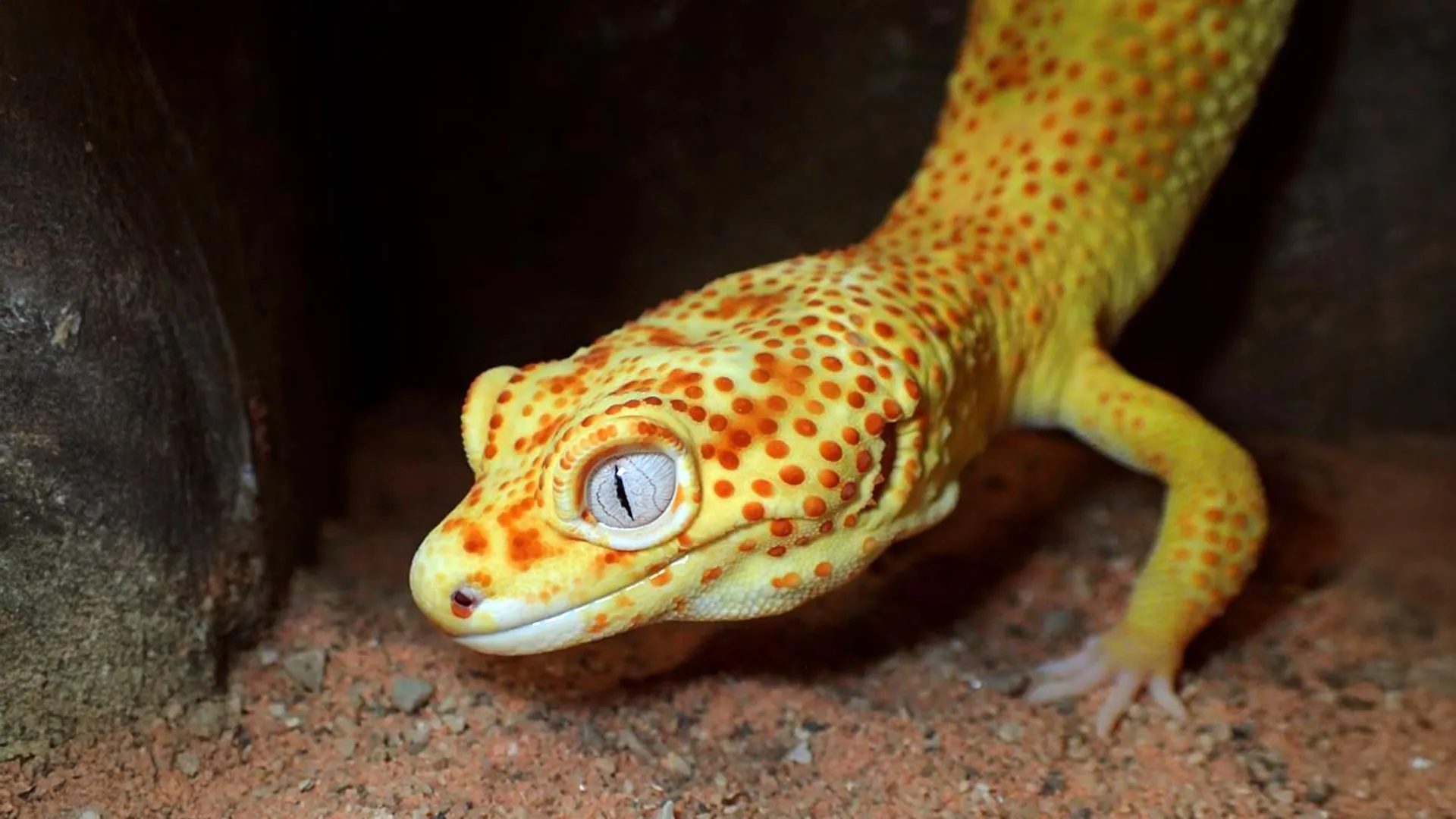
A vibrant, selectively bred variety of leopard gecko, known for its distinctive white and yellow patterns, has unexpectedly become a focal point for cancer researchers worldwide. This particular morph, dubbed the "lemon frost," exhibits an alarming propensity for developing aggressive tumors at an early age, a vulnerability that scientists believe could unlock profound insights into the fundamental mechanisms of cancer development and metastasis in humans. The groundbreaking research, spearheaded by the University of Nottingham and recently published in the esteemed journal BMC Biology, meticulously identified specific genetic alterations within these geckos’ tumors, many of which mirror genes and biological pathways implicated in human cancers. This striking parallel raises the tantalizing prospect that studying this seemingly niche reptile could significantly advance the global fight against a disease that claims millions of lives annually.
The Enigma of the Lemon Frost Morph: Beauty and Biological Vulnerability
The story of the lemon frost gecko’s emergence into scientific prominence begins not in a laboratory, but in the specialized world of exotic pet breeding. Leopard geckos (scientific name Eublepharis macularius) are small, nocturnal lizards native to the arid regions of Afghanistan, Pakistan, northwestern India, and parts of Iran. Highly adaptable and relatively docile, they have become one of the most popular reptile pets globally. Over decades, dedicated breeders have cultivated a vast array of "morphs" – distinct genetic variations that manifest in different colorations, patterns, and even eye characteristics. These morphs are the result of spontaneous genetic mutations that are then selectively bred to amplify desired traits, a process akin to how dog breeds have been developed.
The "lemon frost" morph itself originated from such a spontaneous genetic mutation. Its captivating bright white and yellow coloration, often with a unique iridescent sheen, quickly made it a highly sought-after and valuable addition to the pet trade. However, the initial excitement among breeders soon gave way to a troubling observation. A significant proportion, estimated at a staggering 80%, of these beautiful geckos began to develop aggressive tumors, often starting as small lesions and rapidly spreading throughout the body, frequently leading to fatal outcomes. This distressing pattern, observed consistently across different breeding lines, indicated a deep-seated biological vulnerability inextricably linked to the very genetic traits responsible for their unique aesthetic. The precise timeline of this discovery is not fully documented in public records, but it is understood to have emerged within the last decade as the morph gained popularity and more individuals were bred and observed.
A Natural Laboratory: Why Geckos Offer Unique Insights
The inherent cancer susceptibility of the lemon frost gecko presents a rare and invaluable "natural laboratory" for oncological research. Unlike many traditional laboratory models, such as mice, where tumor growth often needs to be artificially induced through chemical carcinogens, radiation, or genetic engineering, the geckos develop cancer spontaneously and at a relatively young age. This natural onset is crucial because it allows scientists to observe the disease’s progression under conditions that more closely mimic the complexity of human cancer development, from its nascent stages to full-blown metastasis.
Metastasis, the process by which cancer cells spread from the primary tumor to other parts of the body, is a major challenge in human cancer treatment and accounts for the vast majority of cancer-related deaths. The lemon frost geckos’ tumors frequently metastasize, providing researchers with an unparalleled opportunity to study this complex and often poorly understood phenomenon in a living organism. This contrasts sharply with many in vitro (cell culture) models or even some in vivo (animal) models where metastasis is not always a consistent or easily observable feature. The ability to track the natural evolution and spread of tumors in a relatively short-lived animal like the gecko (which typically lives 10-20 years in captivity, with tumors often appearing much earlier) significantly accelerates the research timeline.
Dr. Ylenia Chiari from the School of Life Sciences at the University of Nottingham, who led the study, emphasized this critical distinction: "By studying why some animals are so susceptible to cancer while others are remarkably resistant, we hope to uncover the different ways species have evolved to deal with cancer. Specifically, this gecko could become an incredible model in cancer research because tumors appear naturally at a relatively early age. Together, these natural strategies could inspire new ways of preventing, detecting, and treating cancer in humans."
Unraveling the Genetic Blueprint: Shared Pathways with Human Cancers
To understand the molecular underpinnings of this extraordinary vulnerability, the international research team embarked on a comprehensive genetic analysis. Their methodology involved whole genome sequencing, a powerful technique that maps an organism’s entire genetic code. By comparing tumor samples with healthy tissue from the same geckos, the scientists were able to pinpoint a recurring set of genetic changes consistently associated with tumor formation.
The findings were remarkable. Many of the altered genes and biological processes identified in the lemon frost geckos are well-established players in human oncology. These include genes involved in critical cellular functions such as cell cycle regulation, DNA repair mechanisms, programmed cell death (apoptosis), and growth factor signaling pathways—all known to be frequently dysregulated in human cancers. This striking conservation of cancer-related genes across vastly different species, from reptiles to humans, underscores the deep evolutionary roots of cancer and suggests that fundamental cellular processes are often exploited by the disease, regardless of the host organism.
The research team included a diverse group of experts: PhD researcher Brandon Hastings (University of Nottingham), Dr. Scott Glaberman (University of Birmingham), Dr. Tony Gamble (Marquette University), Dr. Robert Ossiboff (University of Florida), and Virginia Gazziero and Dr. Giulio Caravagna (University of Trieste). Their collaborative effort highlights the interdisciplinary nature of modern scientific inquiry, combining expertise in genetics, evolutionary biology, veterinary pathology, and computational biology.
Brandon Hastings, one of the study’s authors, articulated the broader implications: "Overall, our paper demonstrates the importance of looking across the tree of life in search of answers that are needed to better understand diseases that can have a profound impact on human life, such as cancer. Methodologically, it also highlights that the variety of genomic software programs developed to analyze human cancers can be adapted to provide meaningful insights in diverse organisms." This statement not only champions biodiversity in research but also points to the adaptability of existing bioinformatic tools for novel applications.
Evolutionary Perspectives on Cancer Resistance and Susceptibility
The varying rates of cancer susceptibility across the animal kingdom offer a rich field for evolutionary biology and comparative oncology. While the lemon frost gecko stands out for its extreme vulnerability, other species exhibit remarkable resistance. For instance, turtles and tortoises are known to rarely develop cancer, despite their long lifespans, which theoretically should increase their exposure to cell divisions and mutations. Conversely, other species, like certain breeds of dogs (e.g., Golden Retrievers) or even specific populations of Tasmanian devils, show elevated cancer rates.
Understanding the evolutionary pressures and genetic adaptations that lead to either heightened resistance or susceptibility to cancer is a major thrust in current research. Long-lived, large-bodied animals often possess more robust cancer suppression mechanisms, such as extra copies of tumor suppressor genes (e.g., elephants have multiple copies of p53). The lemon frost gecko, therefore, provides a counterpoint to these studies, offering a window into the genetic weaknesses that can predispose an organism to aggressive tumor development. By studying both ends of this spectrum—the highly resistant and the highly susceptible—scientists can gain a more complete picture of the complex interplay between genetics, environment, and cancer.
Transforming Cancer Diagnostics and Therapies: Implications for Human Health
The insights gleaned from the lemon frost gecko research hold immense promise for advancing human cancer diagnostics and therapies. Identifying shared genetic pathways means that discoveries made in geckos could directly inform research into human drug targets. For instance, if a specific gene mutation in geckos is found to drive aggressive tumor growth, researchers can then investigate existing drugs or develop new ones that target that very pathway in human cancers.
Furthermore, the gecko model’s natural, early-onset metastasis offers a unique platform for testing anti-metastatic drugs. Preventing cancer from spreading is a holy grail in oncology, and a model where this process occurs reliably and observably could significantly accelerate the development of effective interventions. Scientists could test experimental compounds on geckos, monitoring their ability to prevent initial tumor formation or to halt the spread of existing tumors, before moving to more complex and costly human trials.
Beyond drug development, the gecko research could also lead to the identification of novel biomarkers for early cancer detection. If certain genetic signatures or protein expressions are consistently present in pre-cancerous or early-stage gecko tumors, these could be investigated as potential diagnostic markers in humans, allowing for earlier intervention and improved patient outcomes. The long-term vision is that these "natural strategies" observed in the animal kingdom could inspire entirely new paradigms for cancer prevention, detection, and treatment, moving beyond the current chemotherapy and radiation-centric approaches.
The Imperative of Biodiversity in Medical Science
The gecko study powerfully underscores a broader scientific principle: the immense value of biodiversity in medical research. Dr. Scott Glaberman of the University of Birmingham eloquently summarized this perspective: "We often look inward to solve human problems, but every species has something to teach us. By studying both animals that are vulnerable to cancer and those that resist it, we have far greater power to understand the disease itself. This is one of the many reasons why protecting biodiversity is so important."
This sentiment resonates deeply within the scientific community, particularly as global biodiversity faces unprecedented threats. Each species, with its unique evolutionary history and genetic makeup, represents a potential reservoir of solutions to human challenges, from novel medicines to insights into fundamental biological processes. The loss of a species, therefore, is not merely an ecological tragedy but also a potential loss of invaluable medical knowledge that could hold the key to future cures and treatments. The lemon frost gecko serves as a compelling reminder that the answers to some of humanity’s most pressing health crises may lie hidden within the intricate tapestry of life on Earth, often in the most unexpected places.
Challenges and the Road Ahead
While the potential of the lemon frost gecko model is significant, several challenges and future directions lie ahead. Further research is needed to delve deeper into the specific molecular mechanisms at play, moving beyond gene identification to understanding protein interactions and cellular signaling cascades. Longitudinal studies, tracking individual geckos over their lifespan, would provide even more detailed insights into tumor initiation and progression. Scaling up the research, which involves maintaining colonies of these specialized geckos and conducting detailed genetic and pathological analyses, will require sustained funding and dedicated resources.
Ethical considerations are also paramount. While these geckos are bred as pets, their use in scientific research, particularly when it involves a debilitating disease like cancer, necessitates strict adherence to animal welfare guidelines. Researchers are committed to minimizing suffering and maximizing the scientific benefit derived from each animal. The long-term goal is to leverage these insights to benefit both human and animal health, potentially leading to better diagnostic tools and treatments for cancers affecting companion animals as well.
In conclusion, the colorful yet cancer-prone lemon frost leopard gecko has transitioned from an exotic pet novelty to a beacon of hope in oncology. Its unique biological vulnerability offers an unparalleled opportunity to study the natural progression of cancer and metastasis, revealing genetic parallels that bridge species and offer direct avenues for human health advancements. This discovery is a testament to the power of comparative biology and a poignant reminder that the answers to some of humanity’s most complex medical mysteries may indeed reside within the rich and diverse fabric of the natural world, underscoring the critical importance of preserving biodiversity for the future of scientific discovery and human well-being.
