
 By Billy Candra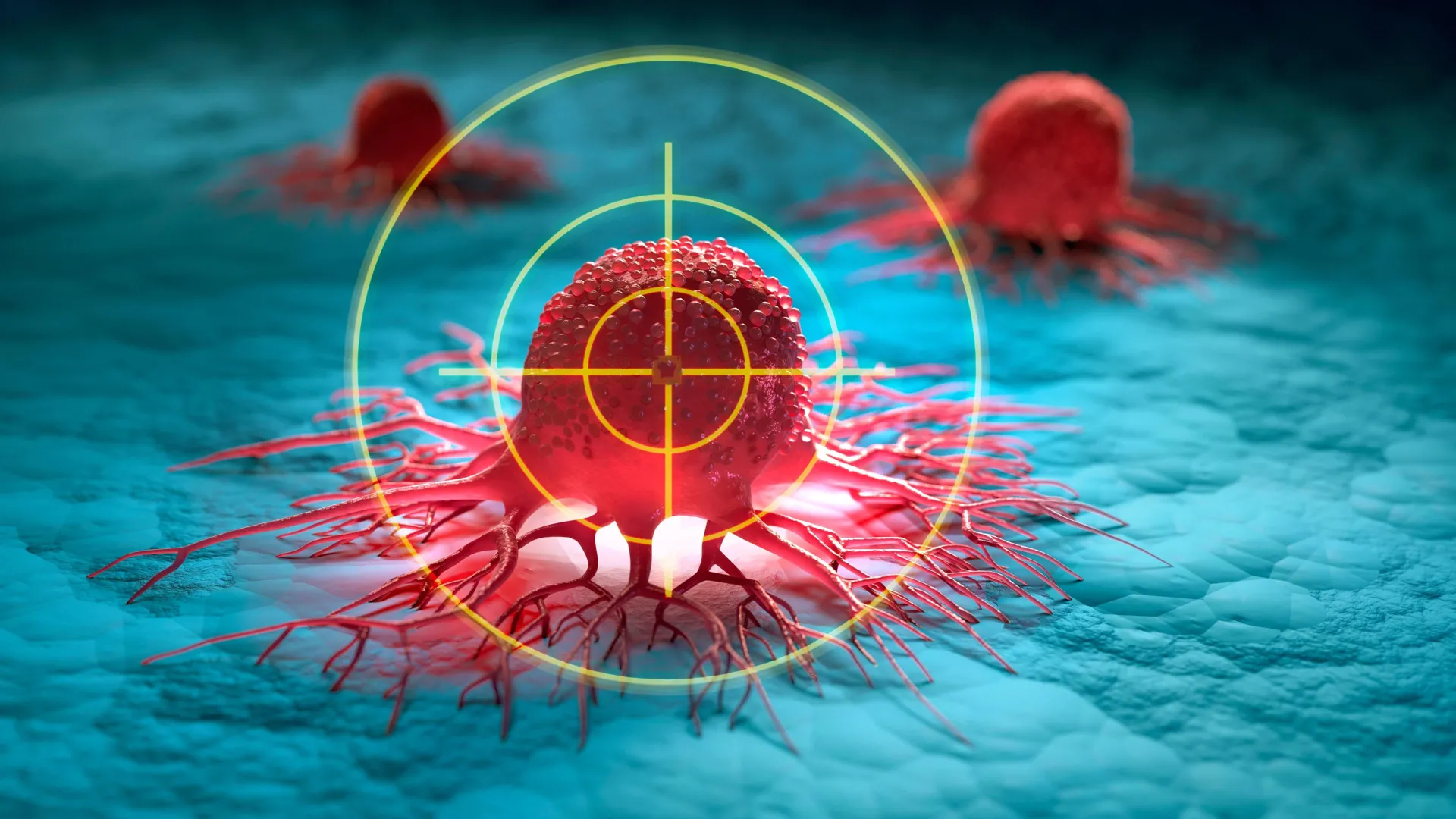
Scientists at the Icahn School of Medicine at Mount Sinai have unveiled an experimental immunotherapy that marks a significant departure from conventional cancer treatment paradigms. Instead of directly assailing cancer cells, this innovative approach targets the supportive cells that encapsulate and shield tumors, effectively dismantling the cancer’s protective fortress from within. The groundbreaking research, published in the January 22 online issue of Cancer Cell, a Cell Press Journal, demonstrated remarkable efficacy in aggressive preclinical models of metastatic ovarian and lung cancer, signaling a promising new frontier for patients battling advanced solid tumors that have historically proven resistant to existing therapeutic interventions.
The Enduring Challenge of Metastatic Cancer and Solid Tumors
Metastatic disease, the spread of cancer from its primary site to distant parts of the body, remains the predominant cause of cancer-related fatalities, accounting for approximately 90% of all cancer deaths. This grim statistic underscores the urgent and critical need for novel, more effective therapeutic strategies. Solid tumors, which constitute the vast majority of human cancers, present a particularly formidable challenge. Unlike hematological malignancies (blood cancers), where immunotherapies like CAR T cells have achieved considerable success, solid tumors possess a complex and highly suppressive microenvironment that acts as a physical and immunological barrier, shielding cancer cells from immune attack. This inherent resistance often renders traditional immunotherapies, which rely on the immune system’s ability to recognize and destroy cancer cells, largely ineffective.
The tumor microenvironment (TME) is a complex ecosystem comprising cancer cells, stromal cells (fibroblasts, endothelial cells), and various immune cells, including macrophages, T cells, and B cells. Within this intricate network, a clandestine alliance forms between cancer cells and certain immune components, particularly tumor-associated macrophages (TAMs). These TAMs, far from fulfilling their typical immune surveillance roles, are reprogrammed by the tumor to foster its growth, promote angiogenesis (new blood vessel formation), facilitate metastasis, and, critically, suppress anti-tumor immune responses. This creates what lead study author Jaime Mateus-Tique, PhD, a faculty member in Immunology and Immunotherapy at the Icahn School of Medicine at Mount Sinai, vividly describes as a "walled fortress" around the cancer cells. "What we call a tumor is really cancer cells surrounded by cells that feed and protect them," Dr. Mateus-Tique explained. "With immunotherapy, we kept running into the same problem — we can’t get past this fortress’s guards. So, we thought: what if we targeted these guards, turned them from protectors to friends, and used them as a gateway to bring a wrecking force within the fortress."
A "Trojan Horse" Strategy: Repurposing Immune Cells
The innovative strategy developed by the Mount Sinai team draws inspiration from the ancient Greek legend of the Trojan horse. Instead of attempting a direct, frontal assault on the tumor, which is often met with the formidable defenses of the TME, the therapy infiltrates the tumor by targeting its "guards"—the tumor-associated macrophages. Macrophages are versatile immune cells that, in healthy tissues, play crucial roles as early responders, clearing cellular debris, fighting infections, and orchestrating tissue repair. However, within the confines of a tumor, these same cells undergo a nefarious transformation, becoming complicit in the cancer’s survival and progression. They secrete growth factors, promote blood vessel formation vital for tumor nourishment, and actively suppress the activity of cytotoxic T cells, the immune system’s primary cancer-killing agents. In many solid tumors, TAMs can even outnumber the cancer cells themselves, highlighting their pervasive influence and strategic importance to the tumor’s survival.
The Mount Sinai team engineered a sophisticated therapeutic agent designed to selectively eliminate these tumor-supportive macrophages while leaving healthy macrophages in other tissues unharmed. This targeted removal initiates a profound shift within the tumor environment, transforming it from an immune-suppressed state, where cancer cells thrive unchecked, to an immune-active state, primed for attack.
Re-engineering CAR T Cells: A New Frontier for Immunotherapy
The core of this novel therapy lies in its innovative application of Chimeric Antigen Receptor (CAR) T cells. CAR T cell therapy represents a groundbreaking form of immunotherapy where a patient’s own T cells are genetically modified in the lab to express a synthetic receptor (the CAR) that enables them to recognize and bind to specific proteins (antigens) on the surface of cancer cells. Once infused back into the patient, these "super-soldiers" proliferate and launch a highly targeted assault on the tumor. While CAR T cells have revolutionized the treatment of certain blood cancers like lymphomas and leukemias, their application to solid tumors has been hampered by several challenges, including the heterogeneity of antigen expression on solid tumor cells, the difficulty of CAR T cells penetrating the dense tumor stroma, and the highly immunosuppressive nature of the TME.
To circumvent these hurdles, the Mount Sinai researchers ingeniously redirected the CAR T cells. Instead of programming them to target cancer cells directly—a strategy often fraught with difficulty in solid tumors due to the lack of consistently expressed, unique cancer-specific antigens—they engineered the CAR T cells to recognize and destroy tumor-associated macrophages. This strategic pivot addresses a fundamental vulnerability of solid tumors.
Beyond this re-targeting, the team introduced another critical modification: they "armored" the CAR T cells to release interleukin-12 (IL-12). IL-12 is a powerful immune-stimulating cytokine, a signaling protein that plays a pivotal role in orchestrating robust anti-tumor immune responses. It primarily acts by promoting the differentiation of T helper 1 (Th1) cells and activating cytotoxic T lymphocytes (CTLs) and natural killer (NK) cells, which are key immune effectors capable of killing cancer cells. By localizing the release of IL-12 directly within the tumor microenvironment following TAM elimination, the engineered CAR T cells not only remove a major immune suppressor but also actively recruit and unleash the immune system’s full destructive potential against the cancer.
Dramatic Preclinical Outcomes and Mechanistic Insights
The efficacy of this "armored" CAR T cell therapy was rigorously tested in preclinical mouse models bearing aggressive metastatic lung and ovarian cancer. The results were compelling and transformative. Mice treated with the engineered cells demonstrated significantly extended survival, living months longer than their untreated counterparts. Remarkably, a substantial proportion of the treated animals achieved complete remission, indicating that the therapy was capable of eradicating the metastatic disease entirely in these challenging models.
To unravel the precise mechanisms underpinning these dramatic outcomes, the researchers employed advanced spatial genomics techniques. These cutting-edge analyses allowed them to map the intricate cellular landscape within the tumors at high resolution before and after treatment. The findings revealed a profound transformation of the tumor microenvironment. The selective removal of immune-suppressing macrophages created an opening, leading to a dramatic influx of various immune cells known for their anti-cancer properties, including cytotoxic T cells and natural killer cells. This orchestrated shift from an immune-suppressed to an immune-active state was critical to the therapy’s success. The study demonstrated that the engineered CAR T cells effectively "reset and reprogram" the tumor microenvironment, making it conducive to immune-mediated cancer elimination.
A key advantage highlighted by the researchers is the "antigen-independent" nature of this therapy. Because it targets ubiquitous macrophages rather than specific cancer cell markers, its applicability is not limited by the often-heterogeneous and elusive antigen profiles of different solid tumors. This broad applicability is particularly significant for cancers that have historically shown poor responses to traditional, antigen-dependent immunotherapies. The fact that the same approach proved highly effective in both lung and ovarian cancer models further underscores its potential as a broadly applicable treatment modality across a spectrum of difficult-to-treat solid tumors. "Macrophages are found in every type of tumor, sometimes outnumbering the cancer cells. They’re there because the tumor uses them as a shield," noted senior author Brian Brown, PhD, Director of the Icahn Genomics Institute, Vice Chair of Immunology and Immunotherapy, Associate Director of the Marc and Jennifer Lipschultz Precision Immunology Institute, and Mount Sinai Professor of Genetic Engineering, at the Icahn School of Medicine at Mount Sinai. "What’s so exciting is that our treatment converts these cells from protecting the cancer to killing it. We’ve turned foe into ally."
Broader Implications and Future Directions
This research represents a significant conceptual leap in cancer immunotherapy. By fundamentally altering the tumor microenvironment rather than solely focusing on the cancer cells themselves, the Mount Sinai team has established a novel pathway for therapeutic intervention. This paradigm shift holds immense promise for patients with advanced solid tumors, for whom current treatment options are often limited and outcomes remain suboptimal. The ability to disarm the tumor’s defenses and simultaneously unleash a potent immune response could unlock new possibilities for cancers that are currently considered refractory to treatment. "This establishes a new way to treat cancer," Dr. Brown affirmed. "By targeting tumor macrophages, we’ve shown that it can be possible to eliminate cancers that are refractory to other immunotherapies."
While the preclinical results are exceptionally encouraging, the researchers emphasize the critical next step: human clinical trials. These studies are essential to determine the safety, tolerability, and efficacy of this novel therapy in patients. The current findings serve as a robust proof of concept, laying the groundwork for future translational research rather than offering an immediate cure. The team is actively refining the approach, with a particular focus on optimizing the spatial and temporal control of IL-12 release within tumors in mouse models. The goal is to maximize the therapeutic impact while meticulously ensuring safety as the therapy progresses closer to potential human testing.
Beyond lung and ovarian cancer, the researchers envision this strategy forming the foundation for a new generation of CAR T therapies that reshape tumors by targeting their critical support cells, not just the cancer cells themselves. This could potentially extend to other notoriously difficult-to-treat solid tumors such as pancreatic cancer, glioblastoma, and certain types of breast and colorectal cancers, all of which are known to harbor significant populations of tumor-associated macrophages. The successful translation of this research into clinical practice could lead to a significant improvement in patient outcomes, offering hope to millions worldwide who face aggressive metastatic disease.
This pioneering work was made possible through crucial support from several esteemed organizations, including NIH grants (U01CA28408, R01CA254104), the Alliance for Cancer Gene Therapy, the Feldman Family Foundation, and the Applebaum Foundation. Their investment underscores the potential impact of this innovative research on the future of cancer treatment. The collective effort of the study’s authors, including Jaime Mateus-Tique, Ashwitha Lakshmi, Bhavya Singh, Rhea Iyer, Alfonso R. Sánchez-Paulete, Chiara Falcomata, Matthew Lin, Gvantsa Pantsulaia, Alexander Tepper, Trung Nguyen, Angelo Amabile, Gurkan Mollaoglu, Luisanna Pia, Divya Chhamalwan, Jessica Le Berichel, Hunter Potak, Marco Colonna, Alessia Baccarini, Joshua Brody, Miriam Merad, and Brian D. Brown, highlights the collaborative and multidisciplinary nature of cutting-edge scientific discovery. The path to a cure for metastatic cancer is long and arduous, but this innovative "Trojan horse" strategy offers a beacon of hope, suggesting that by understanding and exploiting cancer’s own defenses, we may finally turn the tide against this formidable foe.
