
 By George Ongkojoyo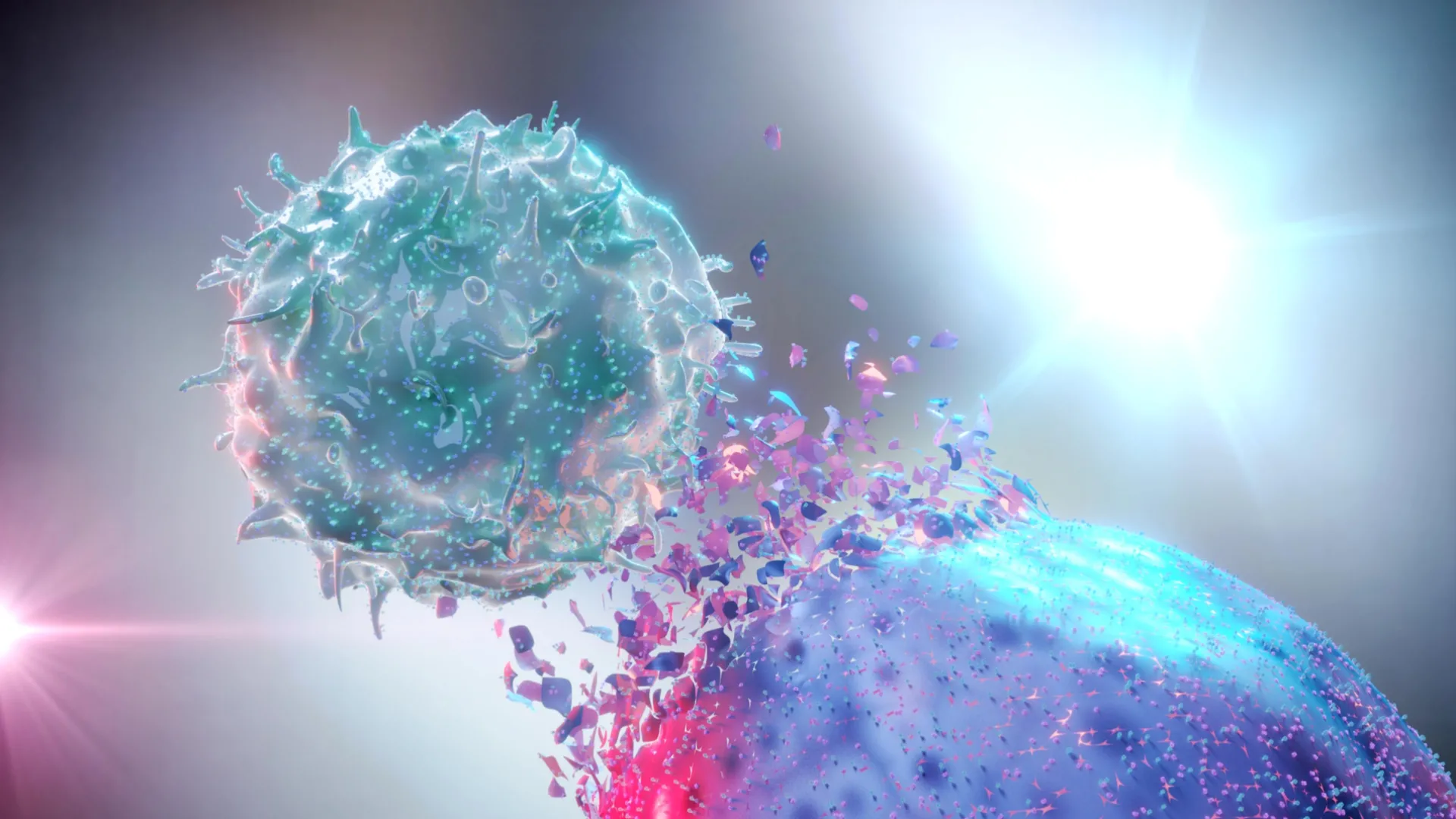
New research conducted by a collaborative team from the Johns Hopkins Kimmel Cancer Center, the Bloomberg~Kimmel Institute for Cancer Immunotherapy, and the Netherlands Cancer Institute has revealed that radiation therapy can fundamentally transform the biological landscape of certain lung cancers, making previously resistant tumors susceptible to immunotherapy. The study, published on July 22 in the journal Nature Cancer, provides a detailed molecular roadmap of how localized radiation can trigger a systemic immune response, offering a potential breakthrough for patients who have traditionally seen little benefit from standard-of-care immune checkpoint inhibitors. By analyzing the cellular and molecular shifts that occur over time, investigators identified that the combination of radiation and immunotherapy induces a "warming" effect in immunologically "cold" tumors, leading to significantly improved clinical outcomes and long-term survival.
The Challenge of Immunotherapy Resistance in Lung Cancer
Non-small cell lung cancer (NSCLC) remains the leading cause of cancer-related mortality worldwide, accounting for approximately 85% of all lung cancer cases. While the advent of immunotherapy—specifically PD-1 and PD-L1 inhibitors—has revolutionized the treatment landscape, a significant portion of patients remains unresponsive to these treatments. This phenomenon, known as primary resistance, often occurs in tumors characterized as immunologically "cold." These tumors are typically defined by a lack of T-cell infiltration, a low tumor mutational burden (TMB), and an absence of PD-L1 expression.
For years, oncologists have grappled with the question of why some patients experience dramatic, long-lasting remissions while others see their disease progress despite treatment. The research led by senior study author Valsamo "Elsa" Anagnostou, M.D., Ph.D., seeks to address this disparity. Dr. Anagnostou, who serves as the co-director of the Upper Aerodigestive Malignancies Program at Johns Hopkins, emphasized that for the fraction of lung cancers where therapy responses are not expected, radiation may be a critical tool to circumvent resistance. The study suggests that this approach could be applicable not only to primary resistance but potentially to acquired resistance, where a tumor initially responds to immunotherapy but later finds ways to evade the immune system.
The Abscopal Effect: From Rare Phenomenon to Therapeutic Strategy
The central mechanism explored in this research is the "abscopal effect." First described in the mid-20th century, the abscopal effect refers to a rare phenomenon where localized radiation treatment of a primary tumor results in the shrinkage of distant, untreated metastatic tumors. The biological basis for this effect lies in the immune system’s ability to recognize and attack cancer cells throughout the body once it has been "primed" by the localized destruction of a single tumor site.
When radiation is applied to a tumor, it causes the cancer cells to undergo a form of immunogenic cell death. As these cells die, they release a variety of contents—including tumor-specific antigens and neoantigens—into the surrounding microenvironment. This release acts as a signal to the immune system, effectively "teaching" immune cells what the cancer looks like. Once these immune cells, particularly T cells, are activated and programmed with the tumor’s molecular footprint, they can circulate through the bloodstream and attack cancer cells at distant sites that were never targeted by the radiation beams.
Despite its potential, the abscopal effect has historically been unpredictable and poorly understood at the molecular level. The Johns Hopkins and Netherlands Cancer Institute study sought to deconstruct this effect using advanced "multiomic" analyses to determine exactly how and when this systemic response occurs.
Study Design and Chronology of Research
To investigate the molecular dynamics of the abscopal effect, the research team utilized samples from a Phase II clinical trial conducted at the Netherlands Cancer Institute. The trial, led by Willemijn Theelen and Paul Baas, focused on the efficacy of radiation therapy followed by the PD-1 inhibitor pembrolizumab in patients with NSCLC.
The study involved 72 patients who were divided into a control group and an experimental group. The control group received pembrolizumab alone, while the experimental group received a course of radiation therapy immediately followed by pembrolizumab. The researchers collected 293 blood and tumor samples from these patients at various intervals: at baseline (before treatment) and three to six weeks after the initiation of therapy. Crucially, the researchers did not just look at the primary tumor site; they obtained samples from various locations in the body to monitor the systemic immune response.
This longitudinal approach allowed the team to track changes in the tumor microenvironment and the peripheral blood over time. By utilizing a multiomic strategy—integrating genomics, transcriptomics, and specialized cell assays—the investigators were able to build a comprehensive picture of the immune system’s behavior. This included identifying which genes were being expressed, how the DNA of the tumor was changing, and how T cells were expanding and evolving in response to the treatment.
Warming Up the Cold Tumor Microenvironment
A primary focus of the study was the behavior of immunologically "cold" tumors. These tumors are often resistant to immunotherapy because they lack the necessary signals to attract and activate immune cells. The research team identified these tumors using specific biomarkers, such as the presence of mutations in the Wnt signaling pathway, which is known to be associated with immune exclusion.
The findings were striking. In patients who received the combination of radiation and immunotherapy, "cold" tumors located far from the site of radiation underwent a radical transformation. Dr. Anagnostou described this process as the tumors "warming up." The tumor microenvironment shifted from a state of immune dormancy to one of high inflammation and activity. This transition was marked by a significant expansion of both new and pre-existing T cells.
Lead study author Justin Huang, who spearheaded the multiomic analyses, noted that the findings highlight how radiation can bolster the systemic anti-tumor immune response in lung cancers that would otherwise be unlikely to respond to immunotherapy alone. Huang’s work, which earned him the 2025 Paul Ehrlich Research Award, underscores the importance of interdisciplinary collaboration in bridging the gap between basic cancer biology and clinical application.
Functional Testing and Clinical Outcomes
To confirm that the expanding T cells were indeed targeting the cancer, the team collaborated with Kellie Smith, Ph.D., an associate professor of oncology at the Johns Hopkins Kimmel Cancer Center. They performed functional tests on T cells from patients who achieved long-term survival following the combination therapy.
In cell cultures, the researchers demonstrated that these T cells were specifically recognizing mutation-associated neoantigens—unique proteins found only on the surface of the patient’s tumor cells. This provided definitive evidence that the combination of radiation and immunotherapy was not just causing a general immune flare-up, but was instead orchestrating a targeted, precision-guided attack against the cancer’s specific molecular signatures.
The clinical data mirrored these biological findings. Patients with immunologically cold tumors that "warmed up" after receiving radiation therapy showed significantly better outcomes, including improved progression-free survival and overall survival, compared to those who received immunotherapy alone. This linkage between the molecular immune response and actual patient survival represents a significant milestone in the study of the abscopal effect.
Broader Implications and Future Directions in Precision Oncology
The implications of this research extend beyond the treatment of non-small cell lung cancer. The ability to "prime" the immune system using localized radiation could potentially be applied to other types of "cold" tumors, such as certain forms of breast, prostate, and pancreatic cancer, which have historically been resistant to immunotherapy.
Furthermore, the study provides a framework for identifying which patients are most likely to benefit from this combination approach. By using the biomarkers identified in this research—such as Wnt mutations and PD-L1 expression levels—clinicians may be able to better tailor treatment plans, ensuring that radiation is used strategically for those who need it most.
The research team is already looking toward the next frontier: monitoring treatment response in real-time. Recent work presented at the annual meeting of the American Association for Cancer Research (AACR) in Chicago detailed the team’s efforts to track the body’s response to immunotherapy by detecting circulating tumor DNA (ctDNA) in the blood. This "liquid biopsy" approach could allow doctors to see if a tumor is "warming up" or responding to therapy through a simple blood test, rather than requiring invasive tissue biopsies.
Conclusion and Funding
The study’s success is a testament to the power of international collaboration and the integration of diverse scientific disciplines. By combining the clinical expertise of the Netherlands Cancer Institute with the advanced genomic and immunological capabilities of Johns Hopkins, the researchers have moved closer to solving one of the most persistent challenges in modern oncology: immunotherapy resistance.
The research was supported by the National Institutes of Health (NIH) and the Johns Hopkins Bloomberg~Kimmel Institute for Cancer Immunotherapy. As the medical community continues to refine the use of combination therapies, this study stands as a foundational piece of evidence that radiation therapy is not just a localized tool for tumor destruction, but a potent catalyst for systemic healing.
The findings offer a renewed sense of hope for patients with resistant lung cancer, suggesting that even the most "cold" and evasive tumors can be brought into the light of the immune system’s reach through the strategic application of radiation. As precision oncology continues to evolve, the integration of multiomic data and clinical outcomes will remain essential in the ongoing effort to turn the tide against advanced cancer.
