
 By admin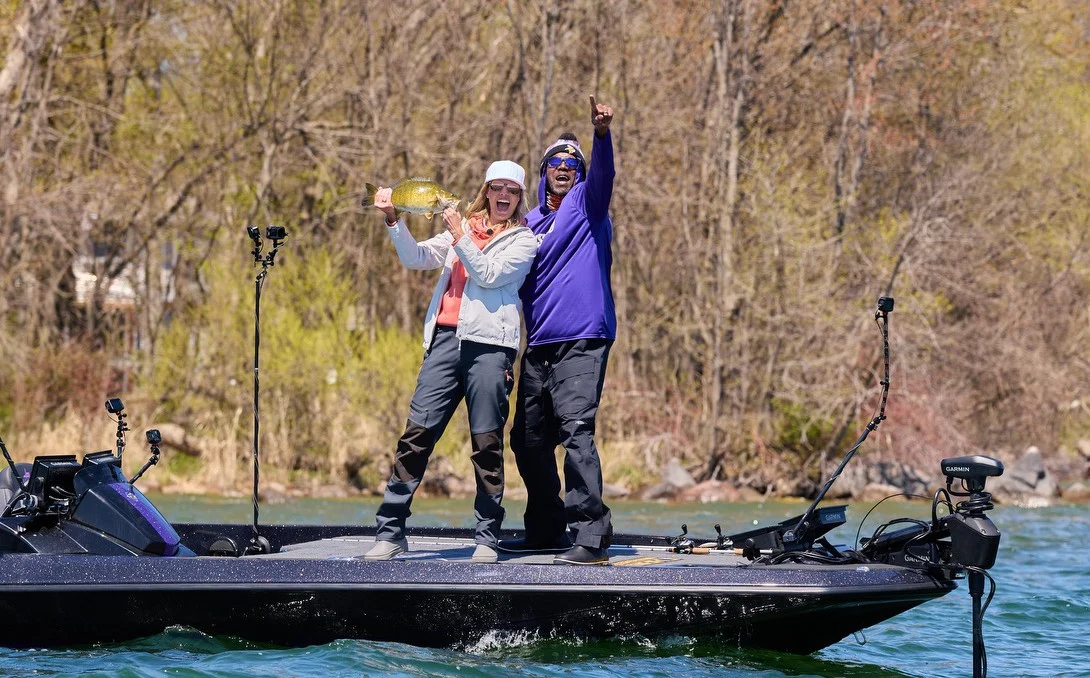
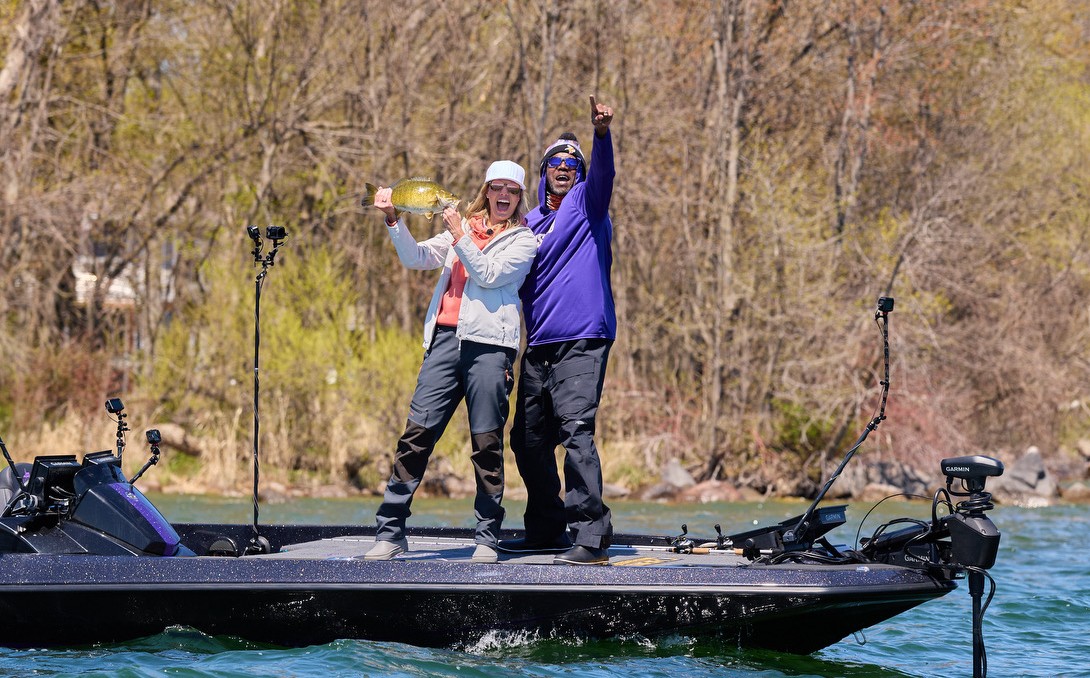
In a significant intersection of professional sports legacy and philanthropic advocacy, Pro Football Hall of Fame inductee Randy Moss has joined forces with the Children’s Cancer Research Fund (CCRF) to amplify the organization’s "Chasing a Cure" campaign. The collaboration, featured in a special episode of Moss’s popular "Chasing 10" YouTube series, saw the legendary wide receiver trade the gridiron for the tranquil waters of northern Minnesota. Fishing on the expansive Leech Lake alongside CCRF Chief Development Officer Kenna Dooley, Moss utilized his platform to pivot from the pursuit of trophy fish to the pursuit of life-saving medical breakthroughs. The initiative highlights a growing trend of high-profile athletes leveraging digital content to drive awareness for pediatric oncology, specifically focusing on the evolution of treatment modalities from traditional chemotherapy to modern immunotherapy.
The Intersection of "Chasing 10" and "Chasing a Cure"
For Randy Moss, the phrase "Chasing 10" has traditionally represented the peak of angling achievement—the hunt for a legendary catch that defines a fisherman’s career and creates stories that endure for generations. However, the latest installment of his digital series redefined this mission. "We’re not just chasing 10," Moss stated during the excursion. "We’re chasing a cure." This shift in focus underscores the partnership’s objective: to draw a parallel between the persistence required in elite sports and the relentless dedication needed in the laboratory to eradicate childhood cancer.
The "Chasing a Cure" campaign is a cornerstone of CCRF’s outreach strategy, designed to engage a broader demographic of donors through relatable storytelling and high-visibility partnerships. By documenting the day on Leech Lake, the campaign bridges the gap between the serene outdoor lifestyle synonymous with Minnesota culture and the high-stakes reality of pediatric medical research. The episode serves as both a fundraising vehicle and an educational tool, bringing the complexities of cancer research to a mainstream audience.
The Legacy of Katie Hageboeck: A Foundation Built on Memory
The choice of Leech Lake as the backdrop for this collaboration was far from incidental. The location is deeply intertwined with the origins of the Children’s Cancer Research Fund. Decades before the organization became a national leader in funding pediatric oncology, Leech Lake was the summer sanctuary for Katie Hageboeck. A vibrant young girl who spent her summers swimming and fishing in these waters, Katie’s life was tragically cut short by leukemia in 1979 at the age of 13.
In the wake of her passing, the Hageboeck family made a decision that would alter the landscape of pediatric medicine in the Midwest. Instead of allowing their grief to remain static, they transformed Katie’s memory into a proactive legacy of hope. They founded what would eventually become the Children’s Cancer Research Fund, an organization dedicated to ensuring that other families would not have to endure the same loss. Since its inception, CCRF has raised hundreds of millions of dollars, much of which has been directed toward the University of Minnesota, a global epicenter for blood and marrow transplantation and innovative cancer therapies.
The historical timeline of the foundation reflects the broader evolution of cancer care:
- 1979: Katie Hageboeck passes away; the Hageboeck family initiates fundraising efforts.
- 1980s: The fund begins formalizing partnerships with research institutions, focusing on leukemia and bone marrow transplants.
- 1990s-2000s: Expansion of scope to include rare childhood cancers and survivorship programs.
- Present Day: Integration of digital advocacy and athlete partnerships to fund "Frontier" research, such as immunotherapy.
Addressing the Physical and Mental Toll of Treatment
During the filming of the episode, the conversation turned toward the grueling reality of cancer treatment. Moss, known for his physical dominance during his NFL career, offered a poignant reflection on the nature of the struggle faced by patients. "Chemotherapy beat me up so bad," Moss shared, adding that the experience was "more mental than it was physical." This admission from an elite athlete highlights a critical aspect of the patient experience that CCRF seeks to alleviate: the collateral damage caused by traditional treatments.
For decades, the standard of care for pediatric cancer has relied heavily on chemotherapy and radiation. While these methods have successfully raised survival rates, they often come with severe long-term side effects, including organ damage, cognitive impairments, and secondary cancers. Kenna Dooley, representing CCRF, emphasized that the goal of modern research is not just to save lives, but to save the quality of those lives.
"If we can get rid of radiation and chemotherapy—that’s a win-win for everybody," Dooley noted. She explained the promise of immunotherapy, a field of research that CCRF heavily supports. Unlike chemotherapy, which attacks both cancerous and healthy cells, immunotherapy harnesses the patient’s own immune system to identify and destroy malignant cells with surgical precision. This approach offers the potential for a "kinder" cure, allowing children to remain children during their treatment rather than being confined to the debilitating cycles of traditional toxic therapies.
Statistical Overview of Pediatric Cancer and Funding Gaps
The necessity of CCRF’s work is underscored by sobering data regarding the funding of pediatric cancer research. Despite being the leading cause of death by disease for children in the United States, pediatric cancer receives a disproportionately small fraction of federal research funding.
- The 4% Gap: Historically, only about 4% of the National Cancer Institute’s (NCI) budget is directed toward pediatric-specific research. The vast majority of oncology funding is allocated to adult cancers, which differ significantly from pediatric cancers in their biological makeup and response to treatment.
- Incidence Rates: Approximately 1 in 285 children in the U.S. will be diagnosed with cancer before their 20th birthday.
- Survival vs. Quality of Life: While the overall five-year survival rate for childhood cancer has risen to over 80%, more than 95% of childhood cancer survivors have significant health-related issues by the time they are 45 years old as a result of their treatment.
- Research Milestones: CCRF-funded researchers at the University of Minnesota have been instrumental in developing some of the world’s first successful bone marrow transplants, a procedure that has since become a standard of care for many leukemias.
By filling the funding gap left by federal sources, CCRF allows scientists to pursue high-risk, high-reward "seed" projects that might otherwise never receive the initial capital necessary to prove their viability.
Institutional Impact: Katie’s Clinic and The Porch
The legacy of the Hageboeck family is physically manifested at the University of Minnesota through two key facilities: Katie’s Clinic and The Porch. These spaces were designed to honor Katie’s love for the North Woods and to provide a reprieve from the clinical atmosphere of a hospital.
Katie’s Clinic (The Katie Hageboeck Children’s Cancer Research Fund Clinic) is a state-of-the-art facility where children receive cutting-edge care. However, its design philosophy departs from traditional medical aesthetics. It incorporates natural elements, wood finishes, and imagery of the Minnesota wilderness, aiming to reduce the anxiety often associated with treatment.
"The Porch," a specific area within the clinic, serves as a communal space for families. It is designed to mimic the feeling of being at a family cabin—the very environment where Katie was most at home. These institutional developments reflect CCRF’s holistic approach to cancer care, acknowledging that the emotional and psychological well-being of a child is as vital as their biological recovery.
The Broader Implications of Athlete-Led Advocacy
The partnership between Randy Moss and CCRF represents a sophisticated evolution in charitable outreach. In the digital age, the "influencer" model allows non-profits to bypass traditional gatekeepers and speak directly to a global audience. Moss’s "Chasing 10" series provides a unique "fly-on-the-wall" perspective that humanizes the cause.
From a journalistic and analytical standpoint, this collaboration serves several functions:
- Demographic Expansion: Moss brings an audience that may not traditionally follow pediatric oncology news, including sports fans and outdoor enthusiasts.
- Normalization of Vulnerability: When an athlete of Moss’s stature speaks openly about the mental and physical toll of illness, it helps de-stigmatize the struggle of patients and encourages a more empathetic public discourse.
- Direct Engagement: The "Chasing a Cure" campaign utilizes the interactive nature of YouTube and social media to facilitate immediate micro-donations and community building.
Conclusion: Chasing a Future of "Win-Wins"
As Randy Moss and Kenna Dooley navigated the waters of Leech Lake, the day was defined by a shared vision of the future. It is a future where the "hardest parts" of cancer treatment—the isolation, the physical pain of chemotherapy, and the mental exhaustion—are replaced by the simplicity of being a child.
The work of the Children’s Cancer Research Fund, bolstered by the advocacy of figures like Moss, continues to push the boundaries of what is possible in pediatric medicine. For the Hageboeck family, the foundation started as a way to honor a daughter’s memory. Today, it stands as a beacon of hope for thousands of families, ensuring that the legacy of a 13-year-old girl who loved the North Woods continues to fuel the search for a cure. As the "Chasing 10" episode concludes, the message remains clear: while the catch of a lifetime is a story for the years, the discovery of a cure is a victory for eternity.
