
 By admin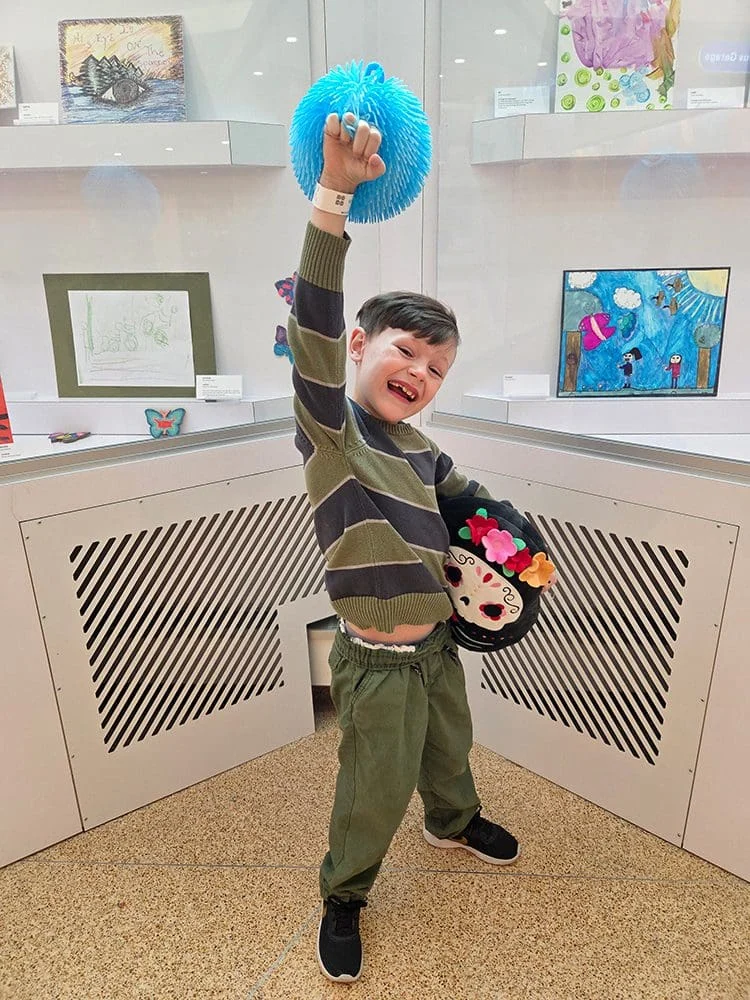
The national non-profit organization CureSearch for Children’s Cancer has initiated a high-priority fundraising drive this June, coinciding with National Cancer Survivors Month, with the objective of securing $37,500 by the end of the month. This specific financial target is designed to provide six months of comprehensive funding for a "Young Investigator," a designation given to early-career scientists conducting high-impact, innovative research into pediatric malignancies. The campaign emphasizes the necessity of moving beyond mere survival rates, focusing instead on the long-term quality of life for children diagnosed with aggressive forms of cancer. By prioritizing bold research initiatives, the organization seeks to develop treatments that offer higher efficacy with significantly reduced long-term toxicity.
The Clinical Journey of Elias: A Case Study in AMKL
The urgency of this fundraising initiative is underscored by the clinical history of patients like Elias, who was diagnosed with Acute Megakaryoblastic Leukemia (AMKL) at the age of three. AMKL is a rare and frequently aggressive subtype of Acute Myeloid Leukemia (AML), characterized by the malignant proliferation of megakaryoblasts—the precursor cells to platelets. In Elias’s case, the initial clinical presentation involved systemic bruising resulting from minimal physical contact, a hallmark symptom of low platelet counts and bone marrow dysfunction.
Following an urgent referral from his pediatrician to a specialized children’s hospital, Elias began an intensive treatment regimen. His case was particularly notable for his enrollment in a clinical trial investigating a novel therapeutic approach for AML. This trial aimed to provide a treatment pathway with fewer long-term side effects than standard-of-care protocols, which often rely on heavy doses of anthracyclines known to cause permanent cardiac damage in pediatric populations.
The ensuing eight months of hospitalization were marked by extreme physiological and psychological challenges. The chemotherapy protocols required to combat AMKL effectively ablated Elias’s immune system, necessitating a prolonged period of isolation within the hospital to prevent opportunistic infections. During this period, Elias suffered from severe mucositis—a common but debilitating side effect of chemotherapy where the digestive tract’s mucous membranes break down, leading to painful ulcerations. The severity of his condition required the administration of morphine to manage pain levels and facilitate rest.
Institutional Resilience During the COVID-19 Pandemic
The complexity of Elias’s treatment was exacerbated by the timing of his hospitalization, which occurred during the height of the COVID-19 pandemic. Hospital safety protocols at the time mandated strict limitations on visitors, effectively isolating pediatric patients and their primary caregivers from their broader support networks. Despite these restrictive conditions, Elias became a central figure on the hospital’s "9B" floor, earning the informal title "The Mayor of 9B."
Hospital staff reported that Elias’s social engagement played a role in the morale of the pediatric ward. He was known for navigating the corridors with his intravenous (IV) pole, encouraging other isolated children to engage in communal activities in the hospital’s sunroom. His interactions extended to the facility’s maintenance and medical staff, where he participated in supervised activities such as delivering medications and assisting with minor maintenance tasks. This level of social integration is often cited by pediatric psychologists as a critical factor in maintaining the developmental trajectory of children undergoing long-term hospitalization. Upon his clinical discharge, the hospital’s maintenance lead, Charles, permitted Elias to ride the facility’s floor scrubber—a "zamboni" style machine—out of the building, marking a symbolic conclusion to his acute treatment phase.
Chronology of Diagnosis and Survivorship Milestones
The timeline of Elias’s medical journey reflects the long-term commitment required for pediatric cancer recovery:
- Initial Diagnosis: At age three, following the observation of unexplained bruising.
- Treatment Phase: Eight months of continuous inpatient care involving chemotherapy and clinical trial protocols.
- Acute Recovery: Discharge from the hospital following the completion of the primary treatment regimen.
- Ongoing Monitoring: Multiple years of follow-up care to monitor for relapse and late-onset side effects.
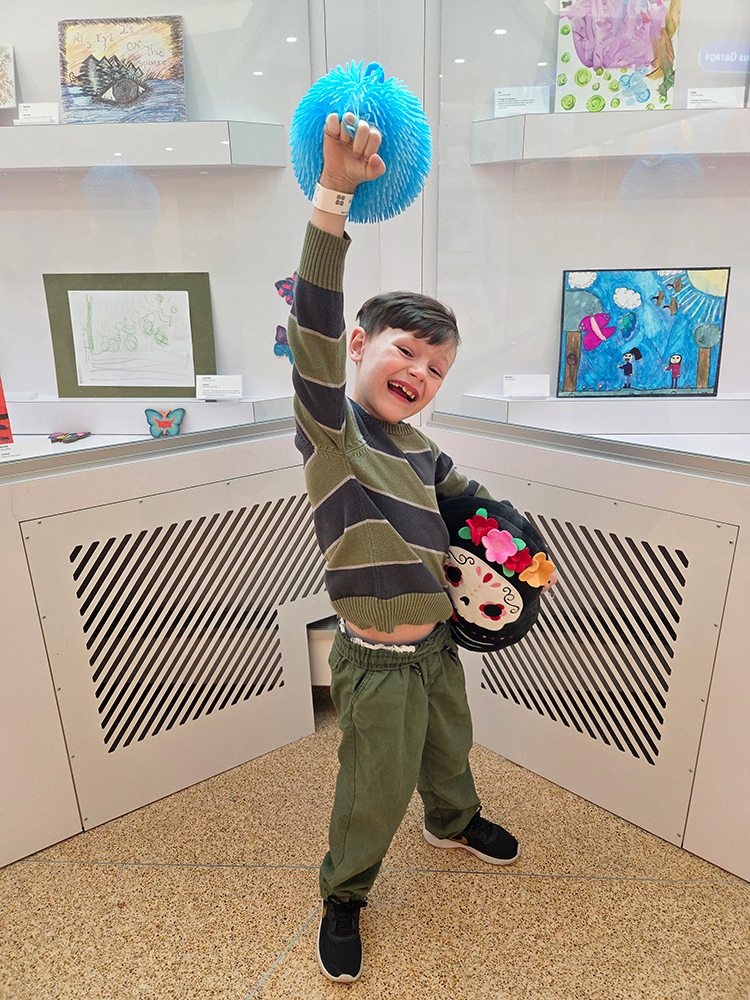
- Entry into Survivorship Program: April 21, 2025. This milestone marks the transition from active monitoring for recurrence to the long-term management of survivor health.
- Current Status: As of June 2024, Elias is approaching his 8th birthday. Clinical evaluations indicate that his cardiac function remains within normal parameters, a significant outcome given the cardiotoxic risks associated with traditional leukemia treatments.
The Role of Young Investigators in Pediatric Oncology
The $37,500 goal set by CureSearch is specifically earmarked for the Young Investigator program. In the field of oncological research, Young Investigators are typically post-doctoral fellows or early-career faculty members who bring fresh perspectives and innovative methodologies to the laboratory. Funding for this demographic is considered a high-leverage investment; it allows researchers to gather the preliminary data necessary to apply for larger federal grants from institutions like the National Institutes of Health (NIH) or the National Cancer Institute (NCI).
Pediatric cancer research remains chronically underfunded compared to adult cancers. Data from various advocacy groups indicate that only about 4% of federal funding for cancer research is dedicated specifically to pediatric cases. This disparity necessitates significant private philanthropic support to drive the development of "orphan drugs" and specialized protocols for rare diseases like AMKL. The Young Investigator program aims to bridge this gap by ensuring that promising scientists remain in the pediatric field rather than transitioning to more heavily funded adult oncology sectors.
Supporting Data: The Landscape of Pediatric Cancer Survivorship
While the five-year survival rate for all childhood cancers has risen to approximately 85%, the statistics for specific aggressive subtypes like AML and AMKL remain lower. Furthermore, the "success" of survival is often tempered by the reality of "late effects." According to the Children’s Oncology Group (COG), more than 60% of childhood cancer survivors will experience at least one chronic or late-occurring health condition as a result of their treatment. These can include:
- Cardiovascular Issues: Including premature coronary artery disease or heart failure.
- Secondary Malignancies: A higher risk of developing different types of cancer later in life due to radiation or specific chemotherapy agents.
- Endocrine Disorders: Such as growth hormone deficiencies or thyroid dysfunction.
- Neurocognitive Impairment: Particularly in children who received treatment at a very young age.
The clinical trial Elias participated in represents the "bold research" CureSearch advocates for—treatments designed to maintain high cure rates while mitigating these devastating long-term outcomes.
Broader Implications and Analysis
The transition of a patient into a survivorship program, as seen in Elias’s scheduled entry in April 2025, represents a critical shift in pediatric medicine. Survivorship programs are specialized clinics that provide survivors with a "survivorship care plan," a comprehensive document detailing the patient’s cancer history and a roadmap for future screenings. These programs are essential for the early detection of late effects and for supporting the patient’s transition into adult healthcare.
From a broader policy and health perspective, the CureSearch campaign highlights the economic necessity of private funding in the medical innovation pipeline. Clinical trials are prohibitively expensive, often costing millions of dollars to move from the laboratory to the bedside. By funding Young Investigators, philanthropic organizations essentially "de-risk" new ideas, allowing for the exploration of unconventional therapies that pharmaceutical companies might otherwise overlook due to the small market size of pediatric rare diseases.
As National Cancer Survivors Month continues, the focus remains on the $37,500 milestone. Achieving this goal would provide the necessary runway for a researcher to potentially discover the next breakthrough in targeted therapy or immunotherapy. For children like Elias, who currently aspires to a career in engineering or nursing, these research advancements are the difference between a life of chronic medical management and a future defined by health and professional opportunity. The organization maintains that while survival is the first goal, the ultimate objective is a future where every child can thrive post-diagnosis without the burden of toxic treatment legacies.
