
 By admin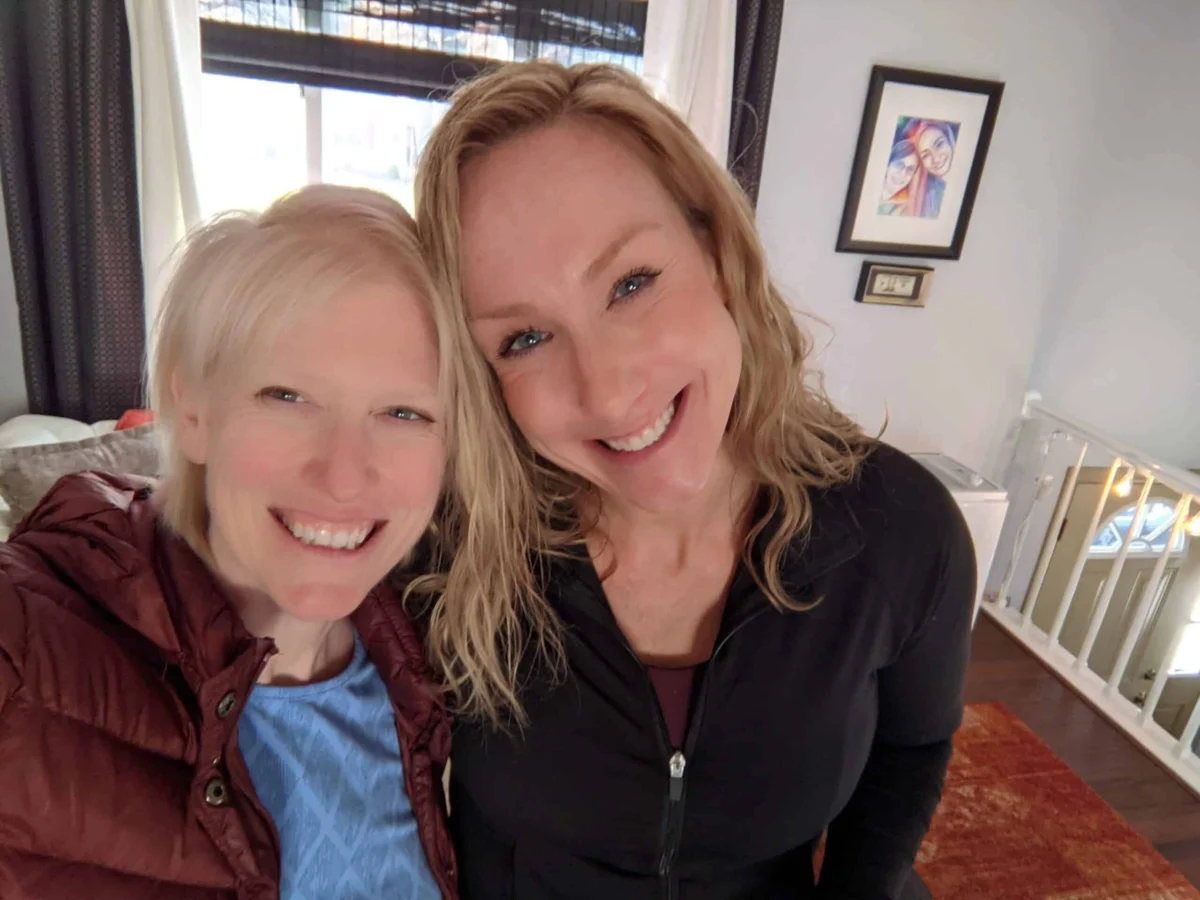
The rhythmic hum of daily life – the morning rush to school, the methodical push of a grocery cart, the focused intensity of a workday, the joyful chaos of a birthday celebration, the comforting ritual of preparing dinner, the endless list of errands – these seemingly mundane moments, often taken for granted, represent the profound victories for Sharon Belvin and Jenney Bitner. Both women, united by the harrowing experience of a Stage 4 melanoma diagnosis, stand as living testaments to the revolutionary advancements in cancer treatment and the enduring power of human connection. Their stories, spanning decades of scientific progress, underscore a shared gratitude for the "ordinary" days that were once threatened with erasure.
The Scourge of Melanoma: A Historical Context
Melanoma, the most severe form of skin cancer, originates in the melanocytes, the cells that produce melanin. While often treatable when detected early, its progression to Stage 4, or metastatic melanoma, has historically presented a dire prognosis. Before the advent of modern immunotherapies, the median survival for patients with advanced melanoma was often measured in months, with five-year survival rates hovering in the single digits. This grim outlook cast a long shadow over diagnoses, transforming lives instantly with overwhelming uncertainty and despair. The disease’s aggressive nature, propensity for metastasis to vital organs like the brain, lungs, and liver, made it one of the most challenging cancers to treat effectively. Globally, melanoma incidence has been on the rise, making the search for effective treatments a critical public health imperative.
Sharon Belvin’s Pioneering Journey: A Leap of Faith into the Unknown
For Sharon Belvin, the devastating diagnosis arrived with brutal swiftness in her early twenties. At just 22 years old, she was confronted with Stage 4 melanoma, a life-altering revelation that shattered her nascent dreams and the seemingly infinite possibilities of youth. This was a time when treatment options for metastatic melanoma were severely limited, often involving chemotherapy with minimal efficacy and significant side effects, or high-dose interleukin-2, a therapy associated with severe toxicity. The future Sharon had envisioned – a career, perhaps a family, the simple joys of growing older – seemed to evaporate under the weight of her diagnosis.
In this landscape of despair, Sharon made a courageous decision: she enrolled in a clinical trial for an experimental immunotherapy. This was not merely a treatment choice; it was a profound leap of faith into uncharted medical territory. The early 2000s marked the dawn of immunotherapy research, a paradigm shift from directly attacking cancer cells to harnessing the body’s own immune system to fight the disease. Researchers like Dr. James P. Allison, whose groundbreaking work on the CTLA-4 checkpoint inhibitor would later earn him a Nobel Prize, were just beginning to see their theories translate into clinical potential. Sharon’s participation contributed invaluable data to this burgeoning field. Against overwhelming odds, something remarkable occurred: her cancer disappeared. The experimental treatment, a nascent form of what would become a revolutionary class of drugs, had worked. Sharon entered remission, and a future that had felt irrevocably lost began to return, piece by fragile piece. Her survival marked a pivotal moment, not just for her personally, but for the scientific community, demonstrating the immense promise of immunotherapy. She has now been in remission for over two decades, a living testament to the efficacy of these early breakthroughs.
Jenney Bitner’s Battle: A Modern Application of Breakthrough Science
Years later, a similar, terrifying reality descended upon Jenney Bitner. Her journey began amidst the global upheaval of a pandemic, complicated by the unfolding miracle of motherhood. Persistent headaches escalated, a sinister backdrop to her pregnancy. The full terrifying picture emerged suddenly: a brain tumor, an aggressive melanoma that had metastasized. Jenney found herself grappling with the unbearable uncertainty of cancer while simultaneously nurturing new life and managing the demands of a young family. Her experience highlights the continued prevalence and unpredictable nature of melanoma, even as treatments evolve.
Jenney’s fight was arduous, a grueling test of endurance. It involved not one, but two brain surgeries, each a high-stakes procedure with inherent risks. The stress of her condition necessitated the early delivery of her fourth child, adding another layer of complexity and emotional toll to an already overwhelming situation. Her battle for survival was intertwined with the profound responsibilities of motherhood, demanding a level of strength and resilience that few can imagine. Survival for Jenney was not a single, decisive turning point, but a series of harrowing moments, each requiring immense fortitude. Ultimately, the very science that Sharon had pioneered decades earlier reached Jenney. She received immunotherapy, a more refined and widely available version of the treatment that had saved Sharon. By October 2020, after four rounds of the treatment, Jenney achieved the longed-for "no evidence of disease," a profound victory that allowed her to reclaim her future.
The Evolution of Immunotherapy: From Lab to Clinic
The stories of Sharon and Jenney are inextricably linked to the remarkable evolution of immunotherapy. For decades, cancer treatment primarily relied on surgery, radiation, and chemotherapy – methods that often lacked specificity and caused severe collateral damage to healthy cells. The conceptual shift towards immunotherapy, championed by visionaries and organizations like the Cancer Research Institute (CRI), which has funded immunotherapy research for over 70 years, marked a new era. CRI’s early and sustained investment in fundamental immunology research laid the groundwork for understanding how the immune system could be mobilized against cancer.
The breakthrough discovery of immune checkpoints, particularly CTLA-4 and PD-1, revolutionized the field. These checkpoints act as "brakes" on the immune system, preventing it from attacking healthy cells but also allowing cancer cells to evade detection. By developing drugs (checkpoint inhibitors) that block these brakes, scientists unlocked the immune system’s full potential to target and destroy cancer. Dr. Jim Allison’s work on CTLA-4, which Sharon likely benefited from, and subsequently, the development of PD-1 inhibitors by researchers like Dr. Tasuku Honjo, transformed the landscape for cancers like metastatic melanoma.
Before these advancements, the five-year survival rate for metastatic melanoma was less than 10%. With the widespread adoption of checkpoint inhibitors, this rate has surged to over 50% for many patients, and in some cases, even higher for specific subgroups. This dramatic improvement represents a paradigm shift, offering long-term remissions and even cures where none existed before. The journey from initial laboratory discovery to widespread clinical application involved decades of meticulous research, rigorous clinical trials, and the courageous participation of patients like Sharon. Jenney’s treatment embodies the culmination of this progress, demonstrating how early scientific courage can lead to established, life-saving therapies for future generations.
A Fated Connection: The Power of Shared Experience
As fate would have it, these two women, separated by years in their cancer journeys but united by the same disease and revolutionary treatment, were destined to meet. Jenney first encountered Sharon’s story in "Breakthrough," the documentary detailing Jim Allison’s scientific quest. A surprising connection emerged when Jenney realized her husband and Sharon hailed from the same small town. This serendipitous discovery prompted Jenney’s husband to reach out to Sharon.
Unbeknownst to them, Sharon had made a profound promise during her initial diagnosis, while in an MRI machine: if she survived, she would dedicate herself to paying it forward and helping others navigate their own cancer battles. True to her word, Sharon responded to the message, forging an immediate and powerful connection with Jenney. This bond transcended the typical patient-doctor relationship; it was a connection built on the unspoken understanding that only those who have walked the same path can truly share. Sharon became a "beacon of hope" for Jenney, her 20-year remission a powerful symbol of what was possible. She provided invaluable support through Jenney’s brain surgeries and during her immunotherapy, offering not just empathy but practical insights and shared experience. Their connection deepened, evolving into a steadfast friendship where they continue to meet, interact, and support other patients, embodying the spirit of community in survivorship.
The Nuances of Survivorship: Beyond Remission
Survivorship, as Sharon and Jenney eloquently attest, is far from a clean ending. It is a profound continuation, intricately layered with the memories and lingering effects of the battle fought. It is the quiet, often profound, return to routine – the school drop-offs, the mundane grocery runs, the cherished bedtime stories – all carrying the subtle, yet weighty, understanding of what was almost lost. This experience fosters a unique kind of gratitude, one sharpened by memory and often complicated by underlying fears.
"I call it finding your family," Sharon remarked, referring to the community of survivors. "It’s the family you get to choose. It’s the worst club with the best members." This sentiment perfectly captures the paradox of survivorship: the shared trauma that creates an unbreakable bond. Survivors navigate a world reshaped by their diagnosis, where scans still loom, anniversaries serve as quiet acknowledgments rather than grand celebrations, and the relationship to the future is permanently altered. Both women understood how cancer redefined their paths, particularly concerning motherhood. Sharon survived long enough to even imagine becoming a mother, a dream that once seemed impossible. Jenney, already a mother, faced the unimaginable terror of leaving her children behind. Different experiences, yet the same impossible fear of profound loss. They understood what it means to return from the brink, carrying both the immense relief and the profound responsibility of having made it. "I don’t know how a cancer diagnosis doesn’t shape every single conversation and relationship for the rest of your life," Jenney reflected. "It plays a part in every single thing you do."
Advocacy and Impact: Paving the Way for Others
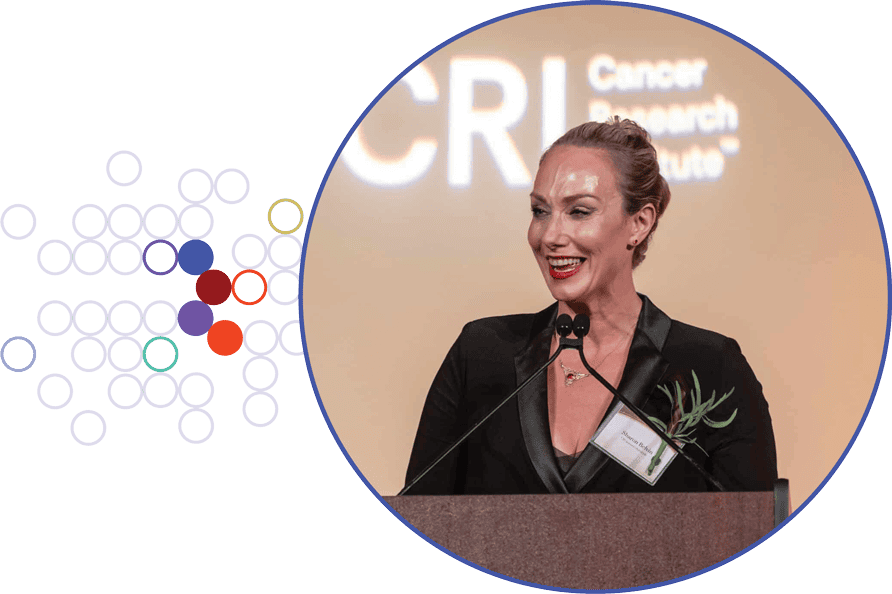
Together, Jenney and Sharon represent something far grander than their individual narratives. They are living proof of tangible progress in the fight against cancer. Their stories are not abstract scientific data points but real-life examples of years added, milestones reached, and children growing up with their mothers beside them. Sharon, the pioneer, helped illuminate what was possible through early scientific exploration. Jenney, the beneficiary, is living testament to how far that possibility has advanced.
Their shared journey underscores the vital importance of patient advocacy and peer support. Cancer can be an incredibly isolating experience, as Jenney expressed: "Cancer is such a lonely diagnosis. You feel like you’re the only one in the world who’s ever had it. But knowing that there are other people out there that you can connect with who are going through similar things. It’s vital for keeping you going." This sentiment resonates deeply within the survivor community, highlighting the therapeutic power of shared understanding and mutual encouragement. Their continued engagement with other patients not only offers hope but also serves as a crucial bridge for those newly diagnosed, demonstrating pathways to navigate the complex world of cancer treatment and survivorship.
Implications for Future Cancer Treatment and Research
The intertwined stories of Sharon and Jenney provide a powerful narrative arc of medical progress and human resilience, carrying significant implications for the future of cancer treatment and research. Their experiences highlight the critical importance of continued investment in basic scientific research, particularly in areas like immunology, which can yield unexpected and transformative breakthroughs. Organizations like the Cancer Research Institute remain at the forefront, funding innovative projects that explore new frontiers in immunotherapy, combination therapies, and precision medicine, aiming to make these life-saving treatments accessible and effective for an even broader spectrum of cancers and patients.
The evolution from Sharon’s pioneering clinical trial to Jenney’s subsequent successful treatment demonstrates the robust scientific pipeline that transforms experimental therapies into standard care. This continuous cycle of discovery, testing, and refinement promises even more targeted and less toxic treatments in the future. Their advocacy also underscores the invaluable role of patient perspectives in shaping research priorities and fostering a compassionate healthcare system.
Ultimately, the narrative of Sharon and Jenney is not merely about surviving cancer; it is about what that survival makes possible. It is about more mornings, more laughter, more ordinary, extraordinary moments that once hung in the balance. It is about more time to grow into the people they were always meant to become – resilient survivors, compassionate advocates, and loving mothers. "I feel like I did not appreciate life until it was almost gone," Sharon concluded, "and now every day is a gift, no matter how mundane." Their lives stand as a powerful affirmation of hope, a testament to scientific ingenuity, and a poignant reminder that every single day is a precious, extraordinary gift. More life.
