
 By admin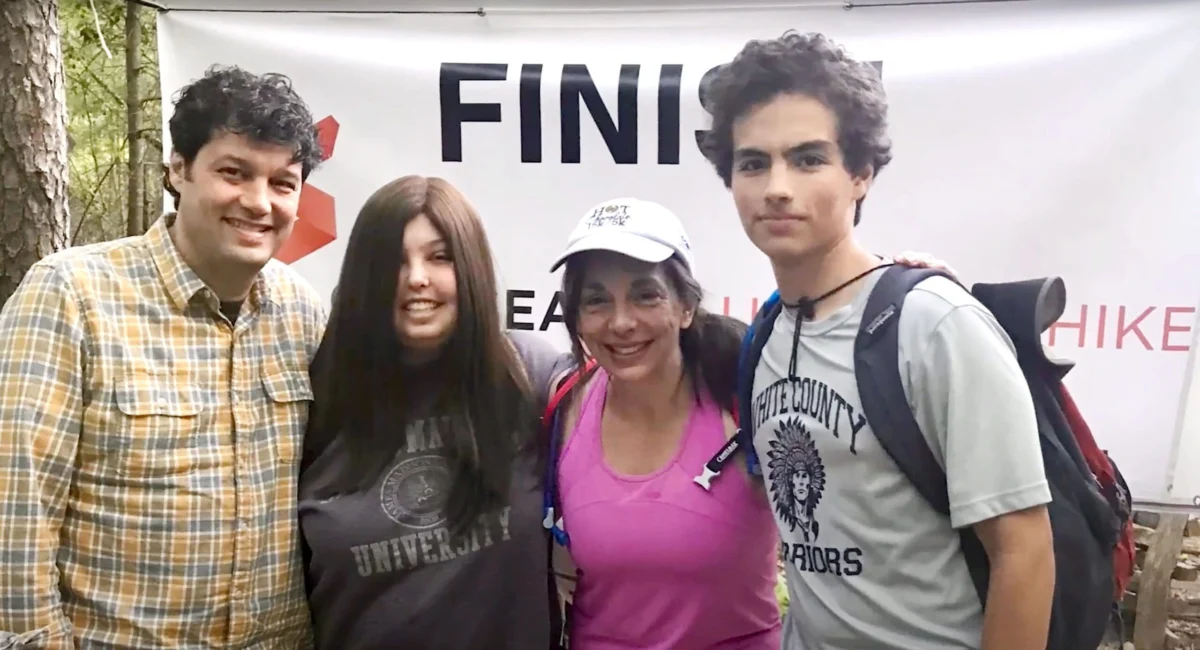
The CureSearch Ultimate Hike has emerged as a cornerstone of endurance-based philanthropy, leveraging the physical and mental rigors of long-distance trekking to fund critical advancements in pediatric oncology. Often described through the metaphor of the "heart of a lion," the event serves as both a grueling physical challenge and a symbolic journey that mirrors the resilience required of children battling cancer. By navigating miles of rugged terrain, participants raise significant capital for CureSearch for Children’s Cancer, a national non-profit organization dedicated to accelerating the development of new, less toxic treatments for the 15,000 children diagnosed with cancer in the United States each year.
The Intersection of Physical Endurance and Pediatric Advocacy
The Ultimate Hike is not a traditional charity walk; it is a sanctioned endurance event that often requires participants to cover approximately 28.3 miles of challenging wilderness trails in a single day. The "heart" logo, featuring a map silhouette within a cardiac outline, represents the dual nature of the mission: the physical exertion of the hiker and the emotional commitment to the pediatric patients they represent.
For many participants, the hike serves as a tangible way to process the helplessness often felt when a loved one faces a cancer diagnosis. The rugged terrain acts as a surrogate for the "uphill battle" of chemotherapy and radiation. By choosing to suffer through blisters, fatigue, and steep elevation gains, hikers align themselves with the bravery of young patients. This psychological connection is a driving force behind the program’s success, turning a recreational activity into a powerful vehicle for medical advocacy.
The Critical Need for Pediatric Cancer Funding
To understand the necessity of the Ultimate Hike, one must examine the current landscape of pediatric oncology research. Despite cancer being the leading cause of death by disease for children in the United States, pediatric cancer research remains historically underfunded compared to adult cancers.
According to data from the National Cancer Institute (NCI), only about 4% of the federal budget for cancer research is dedicated specifically to childhood cancers. This funding gap creates what researchers call the "Valley of Death," a period where promising laboratory discoveries fail to reach clinical trials because they lack the financial backing required for large-scale testing. CureSearch for Children’s Cancer focuses its efforts on bridging this gap, prioritizing "high-impact" research that can move from the bench to the bedside in an accelerated timeframe.
Furthermore, the long-term impact of current treatments is a significant concern for the medical community. While survival rates for some pediatric cancers have improved to nearly 80%, many survivors face lifelong health complications. It is estimated that more than 60% of childhood cancer survivors will experience at least one chronic health condition as a result of the toxic treatments they received during their developmental years, including heart disease, secondary cancers, and cognitive impairments. The funds raised by Ultimate Hikers are specifically earmarked for research into precision medicine—treatments that target cancer cells without damaging healthy tissue.
A Chronology of the Ultimate Hike Program
The Ultimate Hike began as a grassroots effort to engage the outdoor community in the fight against childhood cancer. Over the past decade, it has grown into a multi-state program with events held on some of the most iconic trails in the country, including the Appalachian Trail, the Foothills Trail, and the Superior Hiking Trail.
- Inception and Growth: The program was designed to offer a unique alternative to the standard 5K run. Organizers recognized that the endurance community was looking for challenges that tested their limits while providing a platform for deep social impact.
- The 28.3-Mile Standard: The distance of 28.3 miles became a hallmark of many Ultimate Hike events. This specific distance is significantly longer than a traditional marathon, pushing even seasoned athletes into a "grit" phase where mental fortitude becomes as important as physical strength.
- Training and Preparation: Each hiking season typically involves a 12-to-16-week training regimen. Participants are organized into local chapters where they receive professional coaching on gear, hydration, and injury prevention, ensuring that the mission is met with proper safety standards.
- The Integration of Personal Narrative: As the program matured, the focus shifted toward "Honor Hikes." Hikers began carrying the names and stories of specific children—survivors or those who have passed—creating a living memorial on the trail.
The Human Element: Case Studies in Resilience
The emotional core of the Ultimate Hike is found in the stories of those who participate in memory of lost loved ones. Terri Cohen, a long-time supporter, hikes in memory of her daughter, Leah. Her experience illustrates the profound intersection of the event’s physical and emotional objectives.
Cohen’s first hike occurred during the final stages of Leah’s battle with cancer. At the time, Leah was well enough to meet her mother and brother at the finish line—a moment Cohen describes as a permanent fixture in her heart. This narrative is common among participants; the finish line represents more than just the end of a trail; it represents a moment of communal triumph over a disease that often feels insurmountable.
For survivors who participate, the hike is a reclamation of their physical agency. After years of medical interventions that may have weakened their bodies, completing a 28-mile trek serves as a powerful statement of survival and strength. The "heart of a lion" phrase is frequently applied to these individuals, who transition from patients to athletes, proving that their diagnosis does not define their physical capabilities.
Technical Analysis of the Financial Impact
The Ultimate Hike is a primary revenue generator for CureSearch, contributing millions of dollars toward scientific grants over the years. These funds are distributed through a rigorous peer-review process that identifies the most promising research projects.
- Catapult Awards: CureSearch utilizes hike proceeds to fund Catapult Awards, which provide up to $1.5 million to researchers who are ready to move into Phase I or Phase II clinical trials. This is a critical stage where many pediatric drugs stall due to lack of commercial interest from pharmaceutical companies.
- Young Investigator Grants: To ensure the future of the field, funds are also directed toward Young Investigator Grants. These awards support early-career scientists, encouraging them to stay in the field of pediatric oncology rather than moving to more lucrative adult cancer research.
- International Collaboration: Because pediatric cancer is relatively rare, CureSearch uses hike funds to facilitate international data sharing. By pooling resources and patient data from across the globe, researchers can reach statistical significance in their studies much faster than they could working in isolation.
Broader Implications and the Future of the Initiative
The success of the Ultimate Hike has broader implications for how non-profits engage with donors in the 21st century. The move toward "experiential philanthropy" suggests that donors are increasingly looking for ways to involve their entire identities—their hobbies, their fitness goals, and their social circles—in their charitable giving.
From a public health perspective, the event also raises awareness of the "toxicity" problem in pediatric medicine. By framing the hike around the need for "new cures" rather than just "cures," CureSearch highlights the nuance that survival is only the first step; the quality of that survival is equally important.
Looking forward, the Ultimate Hike program is expected to expand into more diverse geographic regions, allowing more people to participate without the need for extensive travel. There is also a growing movement toward "Virtual Ultimate Hikes," where participants can log miles on their local trails, further democratizing the ability to contribute to the cause.
Conclusion: The Path Forward
The CureSearch Ultimate Hike remains a testament to the power of collective action. It proves that the "heart of a lion" is not just an individual trait, but a community one. As hikers continue to tackle rugged terrains and scale demanding peaks, they do so with the knowledge that each step is a literal advancement toward a world where childhood cancer is no longer a life-threatening or life-altering diagnosis.
The integration of hope, faith, and love into a structured, high-endurance athletic event has created a unique ecosystem of support. For the families involved, the hike provides a sense of agency in a situation where they often feel powerless. For the researchers, the funds provide the literal fuel needed to keep their labs running. And for the children currently in treatment, the sight of hundreds of hikers carrying their names across mountains provides a powerful reminder that they do not fight alone. The journey continues, one step and one heart at a time, until the finish line—a world without childhood cancer—is finally reached.
